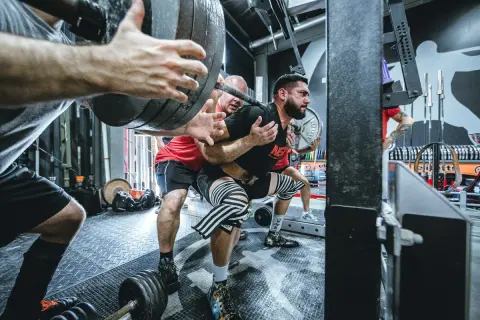
The calves are often considered one of the most stubborn muscle groups for many trainees. While the chest, shoulders, or arms may respond relatively quickly to strength training, the calves often show little to no noticeable change. This leads to the assumption that one's genetics simply do not allow for larger calves.
However, it is not quite that simple.
Calves can indeed hypertrophy. Studies indicate that targeted calf strength training can enlarge both the gastrocnemius and the soleus muscles. Simultaneously, the calf muscles seem to respond somewhat differently to certain training conditions compared to other muscle groups. A recent 2024 study, for example, showed significant growth in calf musculature after six weeks of training, with a higher number of weekly sets yielding greater changes.
The issue often lies not in the calves' "inability to grow," but rather in how they are trained.
Calves Consist of More than One Muscle
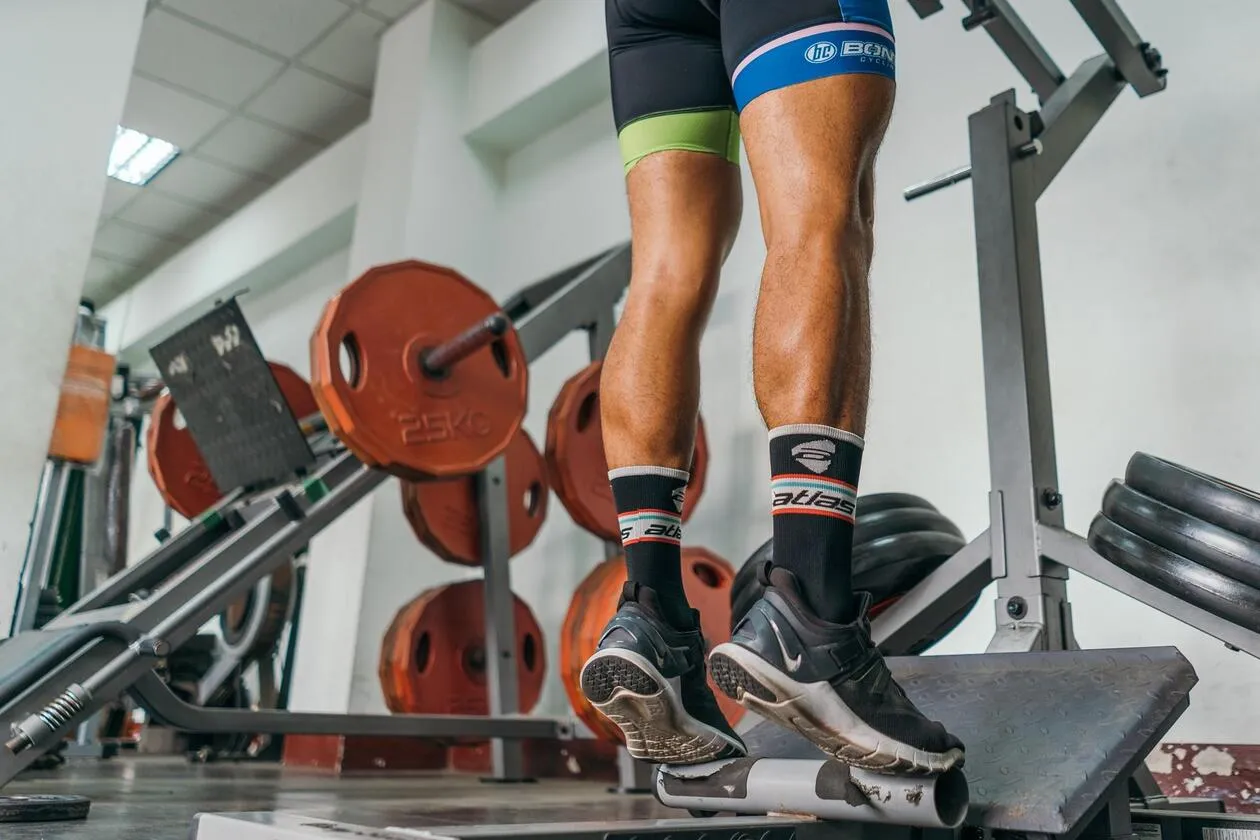
When discussing calves, the visible muscle below the knee is generally what is referred to. Anatomically, however, the situation is a bit more complex.
The size and function of the calf are mainly determined by two muscles: the gastrocnemius and the soleus. Together, they comprise a large portion of the so-called triceps surae.
The gastrocnemius has two heads and spans both the knee and ankle joints. The soleus lies underneath and primarily acts on the ankle joint.
These differences are relevant for training.
With a straight knee, the gastrocnemius can contribute more significantly to plantar flexion. At a bent knee, the load distribution shifts in favor of the soleus. Studies on muscle activity confirm that the activity of the gastrocnemius and soleus changes depending on knee position.
This means: If calf raises are only performed in one single variant, the calves are being trained, but not all important structures may be optimally exposed to varying loads.
Mistake 1: Repetitions Are Performed Too Quickly
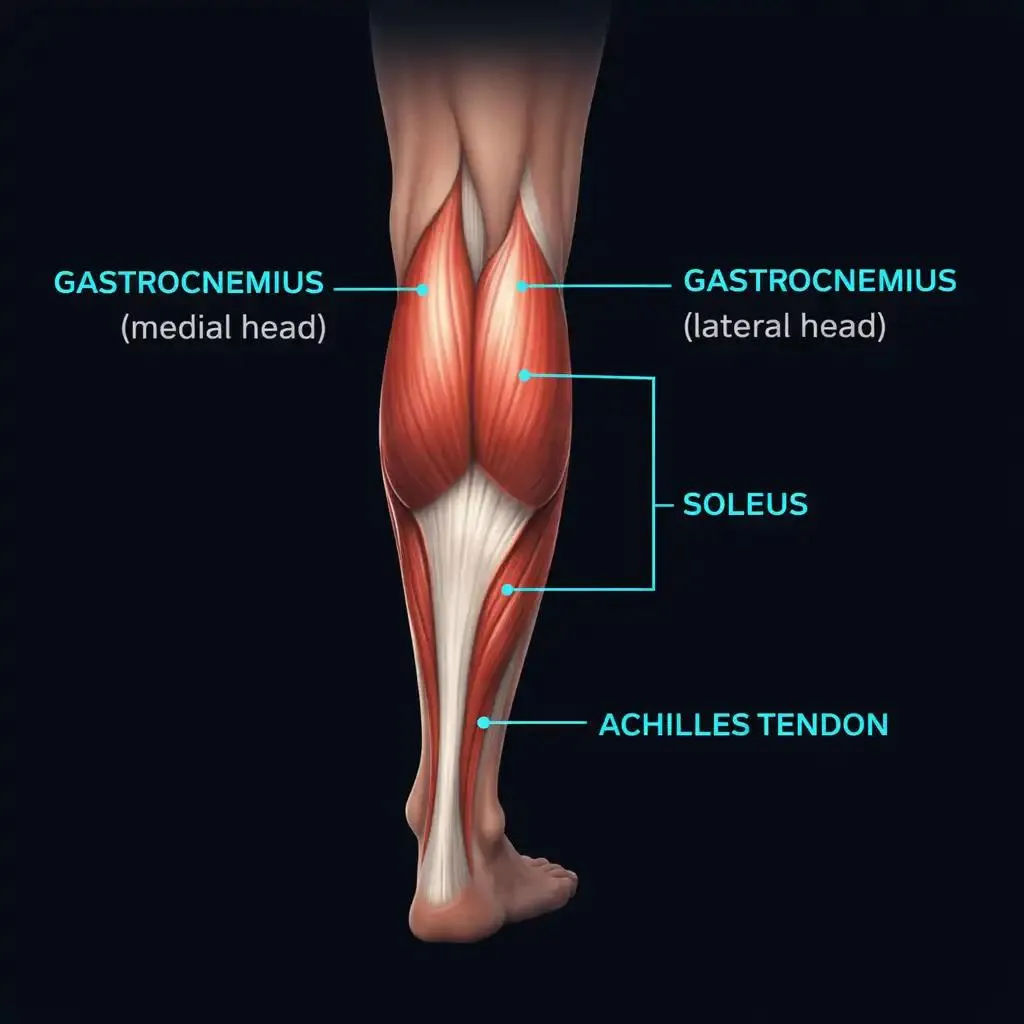
One of the most common mistakes in calf raises is a very limited range of motion.
Many trainees move the heel only a few centimeters up and down. Although this makes the movement appear quick and intense, the actual trained range of motion remains limited.
Especially for calf exercises, it's important to work through a controlled, large, and individually safe range of motion.
Scientific literature suggests that a full range of motion in strength training can be particularly beneficial for the hypertrophy of the lower extremities. A systematic review and meta-analysis concluded that training through a full range of motion can produce better adaptations in strength and hypertrophy of the lower extremities compared to partial movements.
This does not mean each repetition must be as deep as possible or that training should involve pain. What's crucial is a controlled movement over a large, pain-free range of motion.
Mistake 2: Prioritizing Weight Over Movement
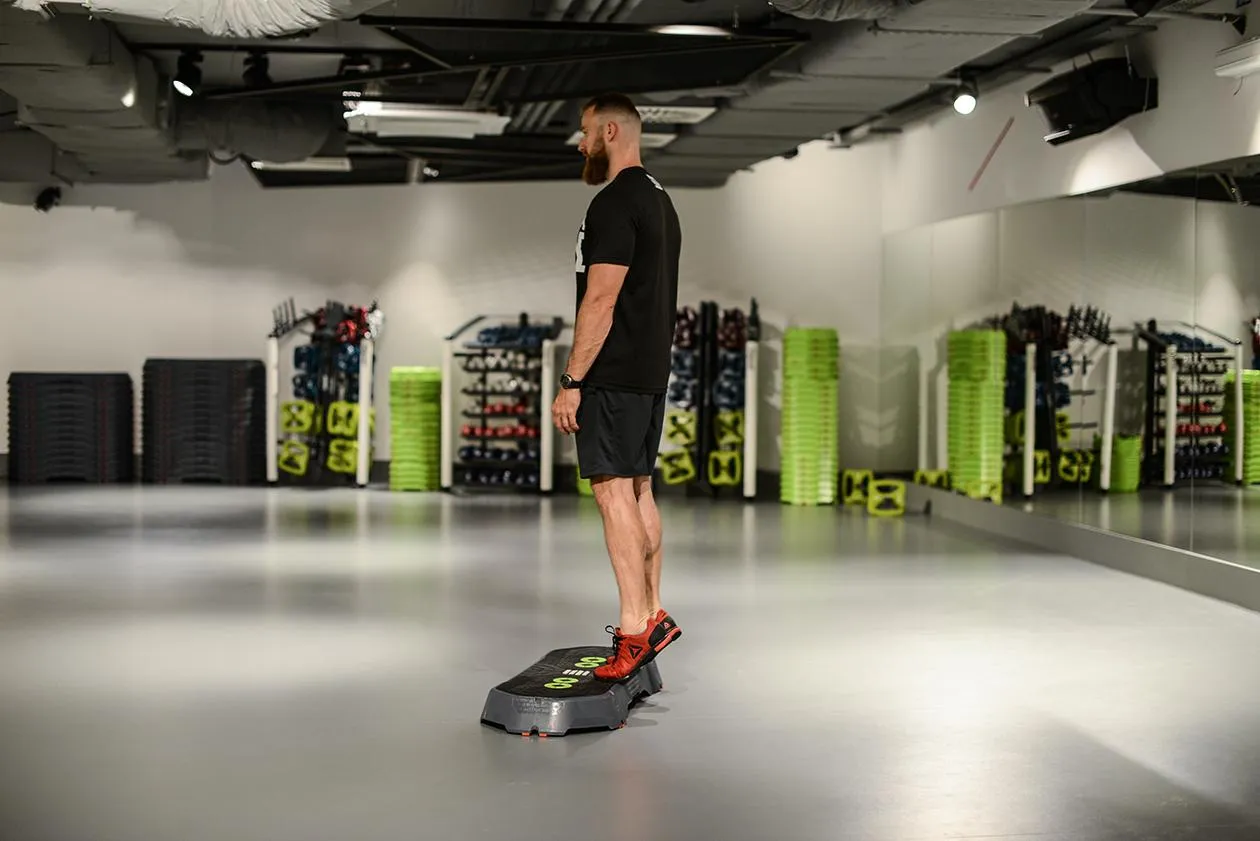
Another common scenario: More and more weight is added during calf raises while the movement becomes increasingly smaller.
Soon, this turns the controlled calf raise into a slight "bouncing."
Muscle growth is not determined by how impressive the weight looks on the machine. What matters is whether the target muscles are sufficiently loaded and whether repetitions are performed with technical skill.
Research shows that various load ranges can work for muscle hypertrophy if the training is accordingly challenging. A meta-analysis of different load ranges found no clear differences in hypertrophy between low, medium, and higher training loads, given comparable training volume.
Therefore, a slightly lighter weight with proper technique can be more beneficial for muscle growth than a maximum weight, which only allows partial repetitions.
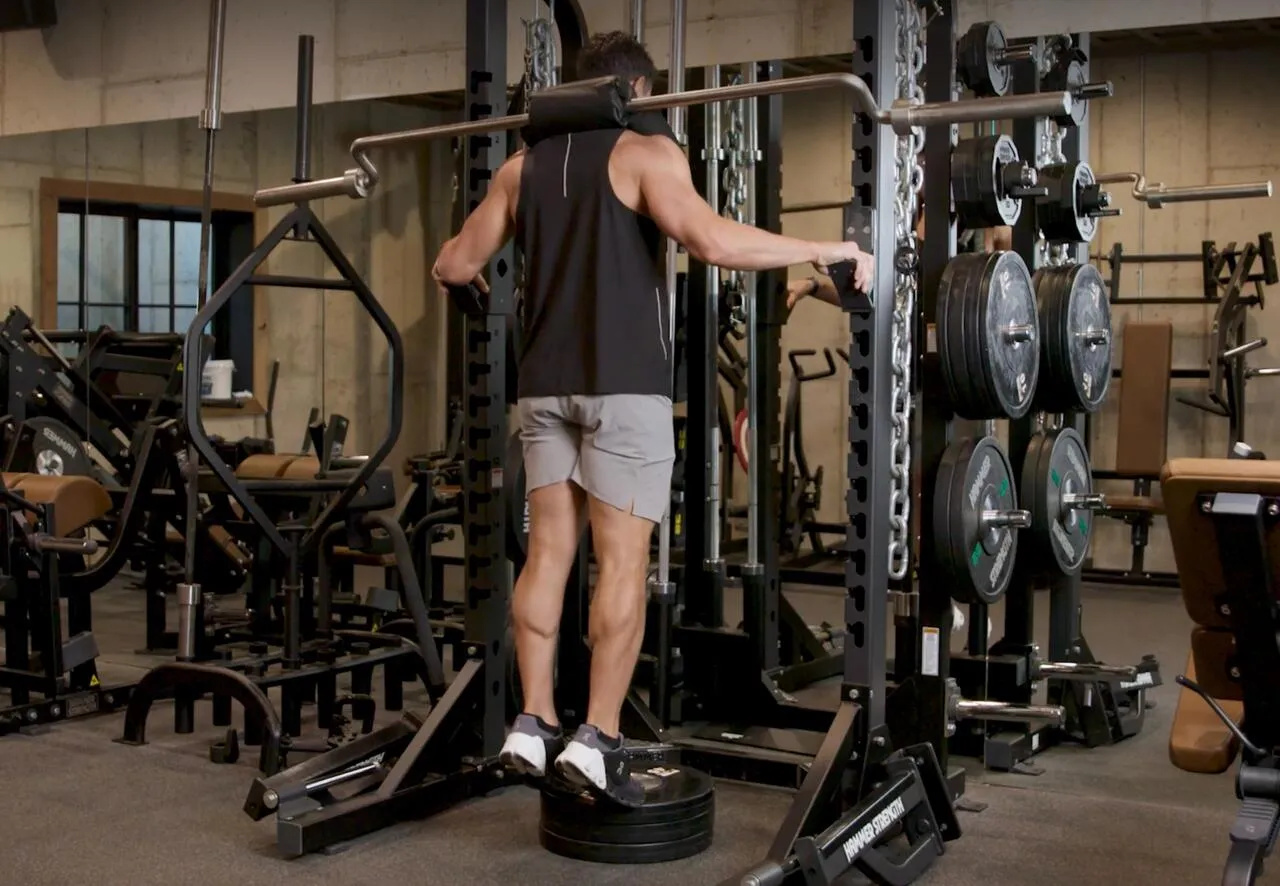
Mistake 3: Training Calves with Only One Exercise
Standing calf raises are an excellent exercise. However, this does not mean that it covers every training possibility.
The gastrocnemius spans both the knee and ankle joints, while the soleus only spans the ankle joint. Therefore, a bent versus straight knee position changes the mechanical conditions for these two muscles.
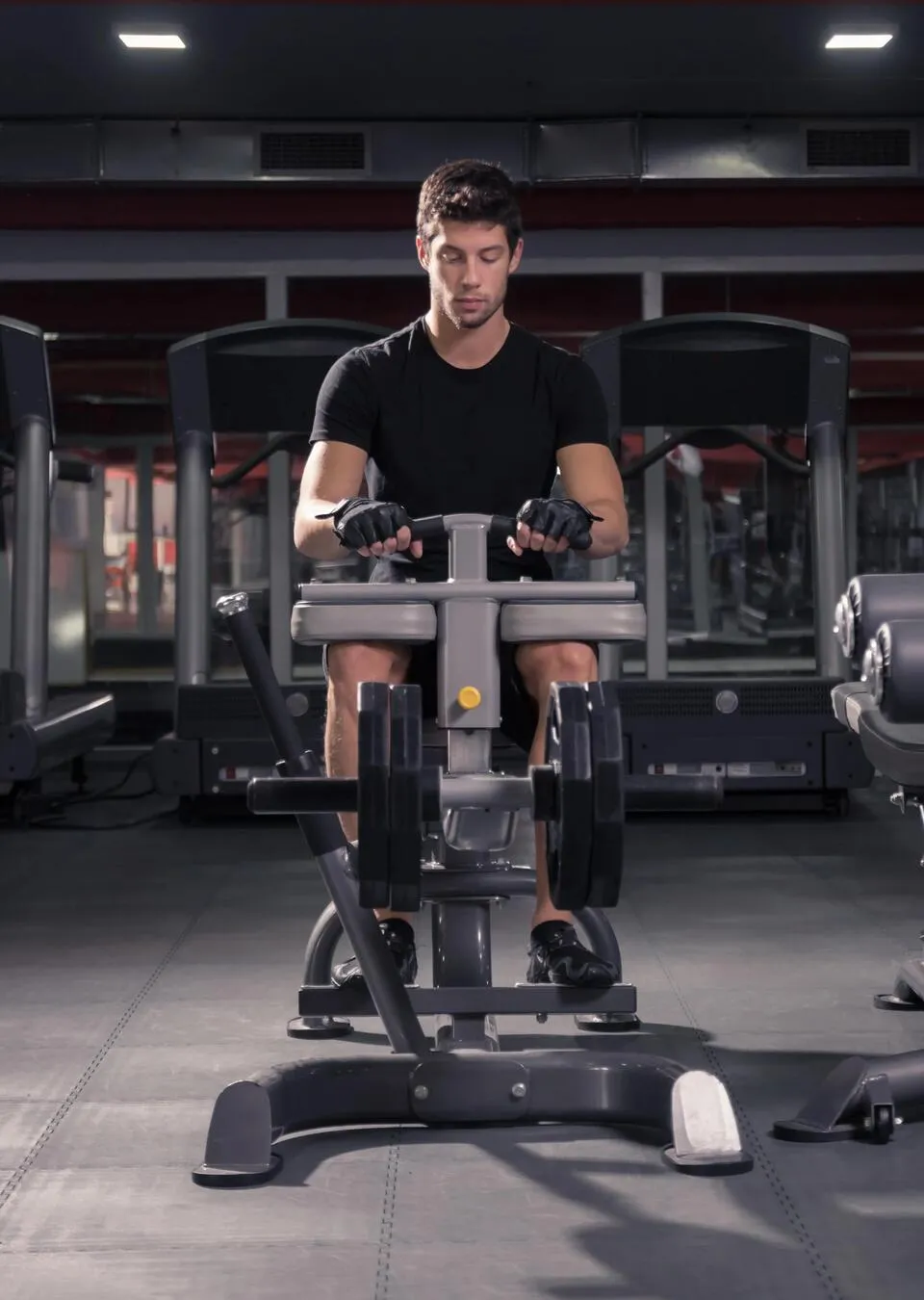
An interesting 2023 study showed that untrained individuals performing 12-week calf raises either standing with a straight knee or sitting with a bent knee resulted in significantly bigger gains in the medial and lateral gastrocnemius and the overall triceps surae. For the soleus, the differences between the variations were not significant.
This does not argue for completely removing seated calf raises from one's routine. Rather, it shows that different variations can set different emphases.
A combination of exercises with both straight and bent knees can therefore be beneficial.
Mistake 4: Inadequate Training Volume
"I train my calves twice a week" sounds promising.
But the key question is: How many truly effective sets are completed during these sessions?
If, for instance, only two easy sets of calf raises are done twice a week, this may be far less stimulus for an advanced trainee than structured training with enough challenging sets.
A major meta-analysis on training volume showed a correlation between higher weekly training volumes and greater increases in muscle mass.
There are also interesting data specific to calves. A 2024 study investigated varying weekly set volumes. The group with twelve sets per week achieved larger gains in several metrics than the group with six sets. However, it should not be rigidly inferred that everyone needs exactly twelve sets. The optimal amount depends on factors such as training level, quality of effort, and recovery.
More is not automatically always better. But too little can equally be a problem.

Mistake 5: Training to Absolute Failure Every Session
With calf raises, it's relatively easy to produce very unpleasant sets. The burn in the calves is quickly mistaken for a particularly good muscle-building signal.
However, muscle burn is not a reliable measure of hypertrophy.
A set can be very challenging without the technique being optimal. Additionally, if every training session is performed to complete failure, fatigue can become unnecessarily high.
Interestingly, newer studies are even exploring specific strategies like partial repetitions after reaching muscle failure. A 2025 study published on trained individuals found that certain partial repetition strategies and full repetitions can both lead to muscle growth. However, the differences between the strategies were not clear-cut.
In practice, this means that one does not need to end every training session with maximum intensity and suffering. Controlled, progressive training can be fully sufficient.
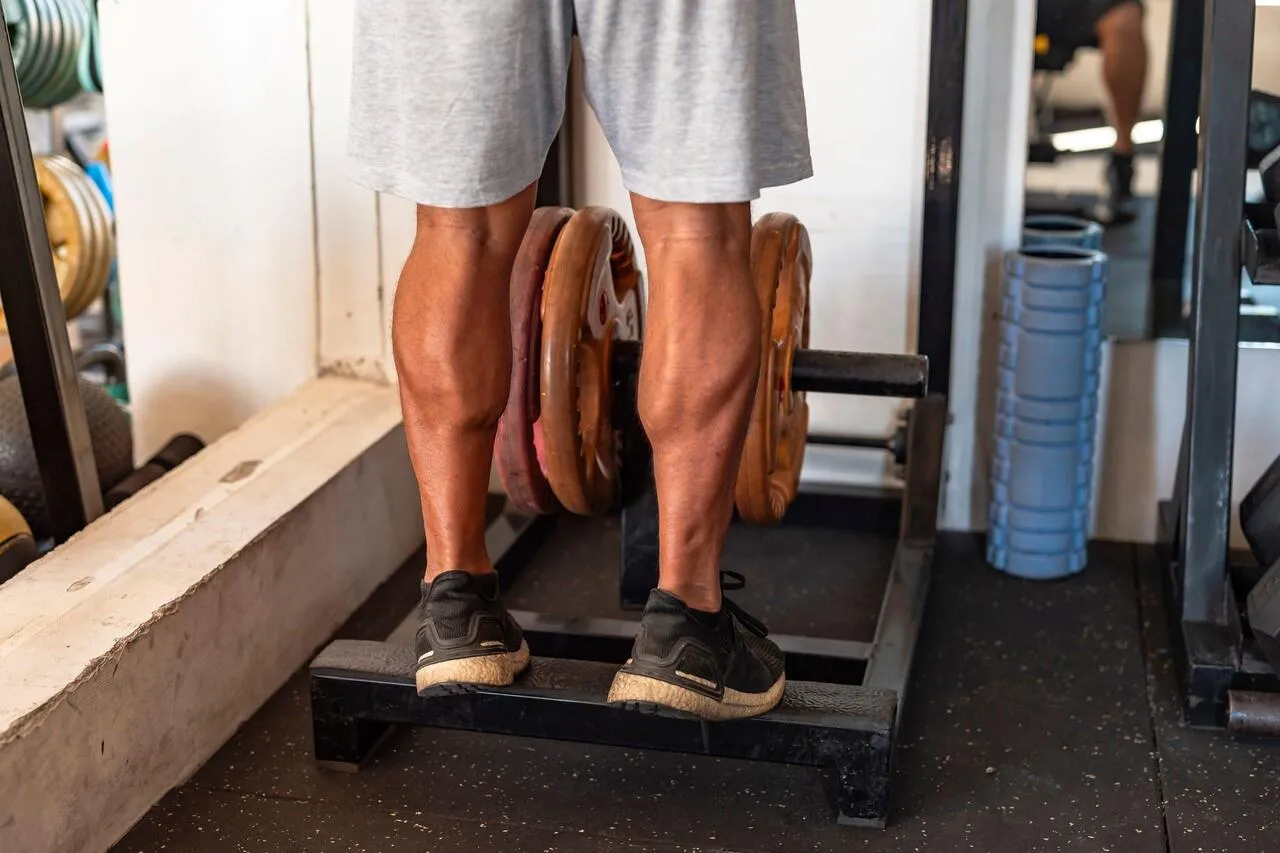
Mistake 6: Lack of Progression
Perhaps the most crucial point of all.
Many trainees do exactly the same thing for months:
same weight, same number of repetitions, same exercise, same number of sets.
If the load remains unchanged over extended periods, the body has less and less reason to adapt further.
Progression can take various forms. Over time, one might lift more weight, complete additional repetitions, improve the range of motion, or execute the same performance with cleaner technique.
The goal isn't to forcibly add more weight to the machine every week. The goal is to provide the muscle with a sufficient and controlled training stimulus over time.
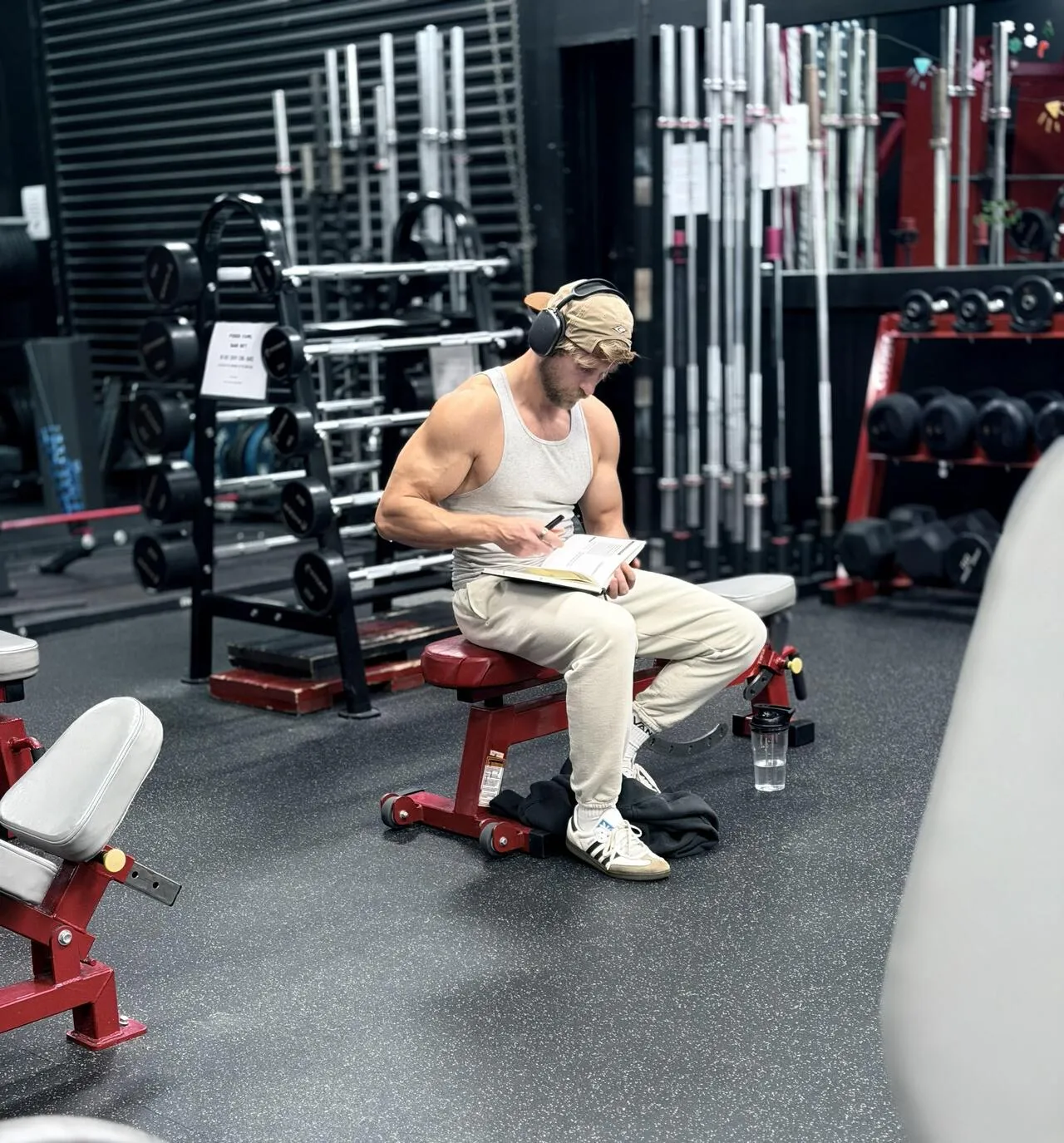
Mistake 7: Using Knees or Hips for Movement
During calf raises, the movement should primarily come from the ankle joint.
A typical mistake is moving the body significantly up and down during the repetition. This gives the impression of moving a lot of weight, while part of the movement is taken over by other body segments.
This can especially happen during heavy standing calf raises.
A simple check is: Can you perform the repetition slowly and controlled without using your entire body as a momentum mass?
If not, the weight may be too high.
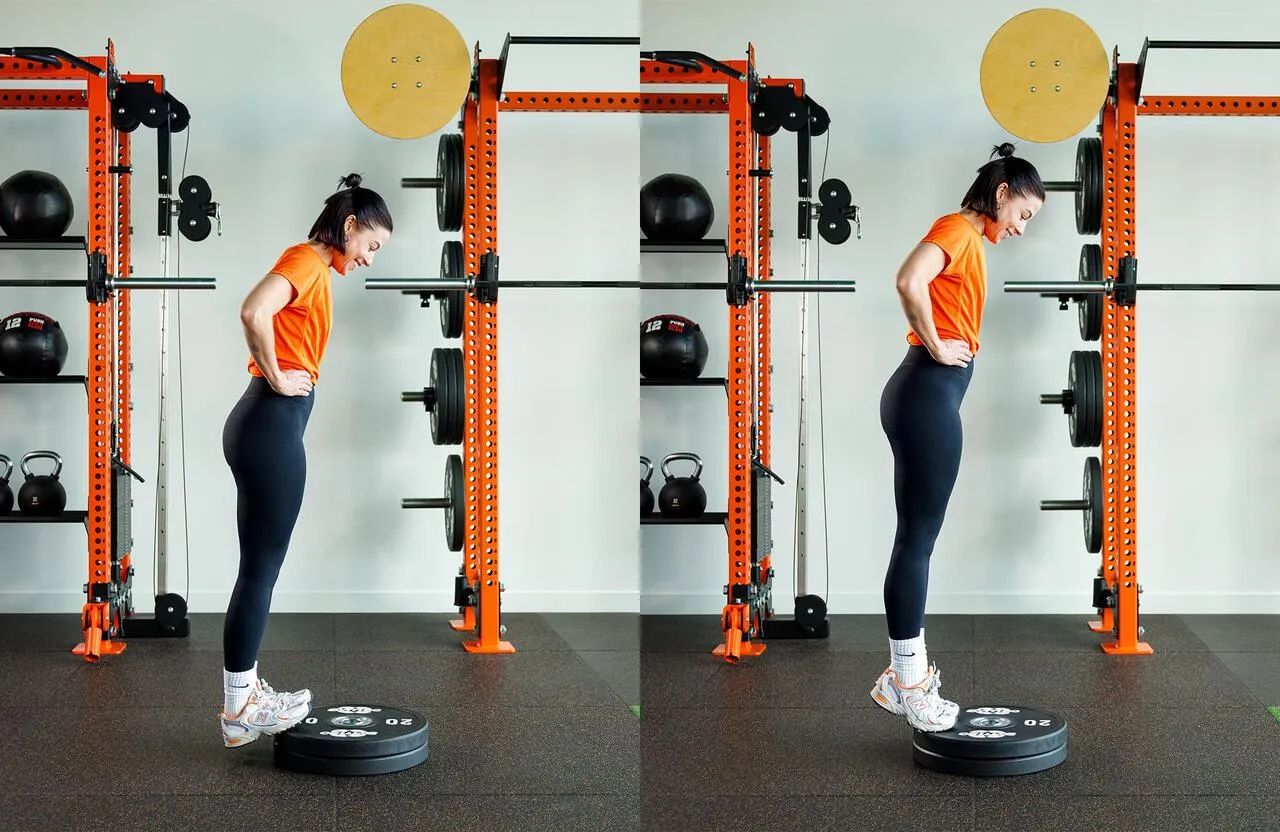
Mistake 8: Neglecting the Eccentric Phase
Many focus only on pushing the heel up as quickly as possible during calf raises.
The downward movement is often simply allowed to fall back.
However, a lot of control can be incorporated precisely here.
A controlled eccentric phase allows for cleanly executing the movement and loading the muscle throughout its range of motion. It's not necessary to slow the downward motion excessively; executing it in a controlled manner without momentum is sufficient.
Current research increasingly examines the significance of muscle position or loading at longer muscle lengths. A systematic review published in 2025 investigated this question across various muscles and training forms. The findings suggest that training at longer muscle lengths can be particularly interesting for specific muscles, though the optimal strategy is not the same for every muscle.
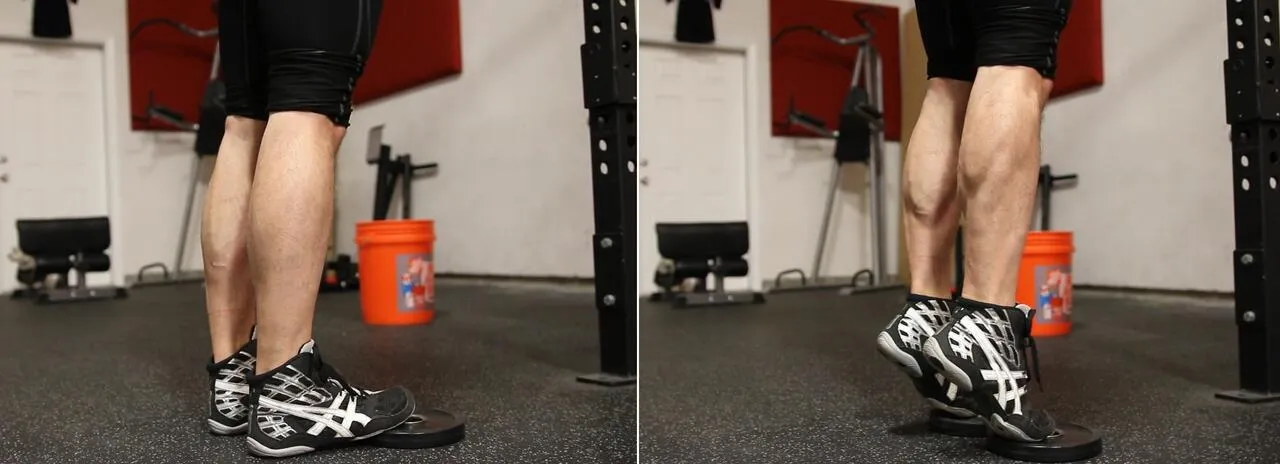
Mistake 9: Confusing Muscle Burn with Effective Training
"My calves are burning intensely" initially sounds positive.
For muscle growth, however, this alone is not a sufficient criterion.
A muscle can burn intensely without the training being optimally structured. Conversely, a well-crafted training stimulus can occur without the well-known burn being maximally pronounced.
More important are factors such as sufficient load, clean technique, appropriate range of motion, enough training volume, and long-term progression.
The burn can be there – but it shouldn’t be the goal of training.

Mistake 10: Rushing Through Calf Exercises at the End of the Workout
Legs trained, back trained, chest trained – and only at the end does it become apparent:
"Oh right, I also need to do calves."
Then three sets are quickly completed, while one is already exhausted.
This is not fundamentally wrong. But if the calves are a priority and need to grow, it is worth giving them the attention they deserve.
The quality of repetitions should not suffer because one is eager to leave the gym quickly.

What Is Truly Important in Calf Training?
The key factors can be relatively simply summarized:
| Factor | Why It’s Important |
|---|---|
| Range of Motion | A large, controlled movement amplitude can enhance the training stimulus |
| Technique | Prevents momentum and other body parts from taking over the work |
| Training Volume | Plenty of challenging sets are crucial for muscle growth |
| Intensity | The sets should indeed be challenging |
| Progression | The training stimulus should be increased or improved over time |
| Exercise Selection | Straight and bent knees place different emphases |
| Recovery | The musculature needs time for adaptation and regeneration |
| Continuity | Muscle growth happens over weeks and months, not individual sessions |
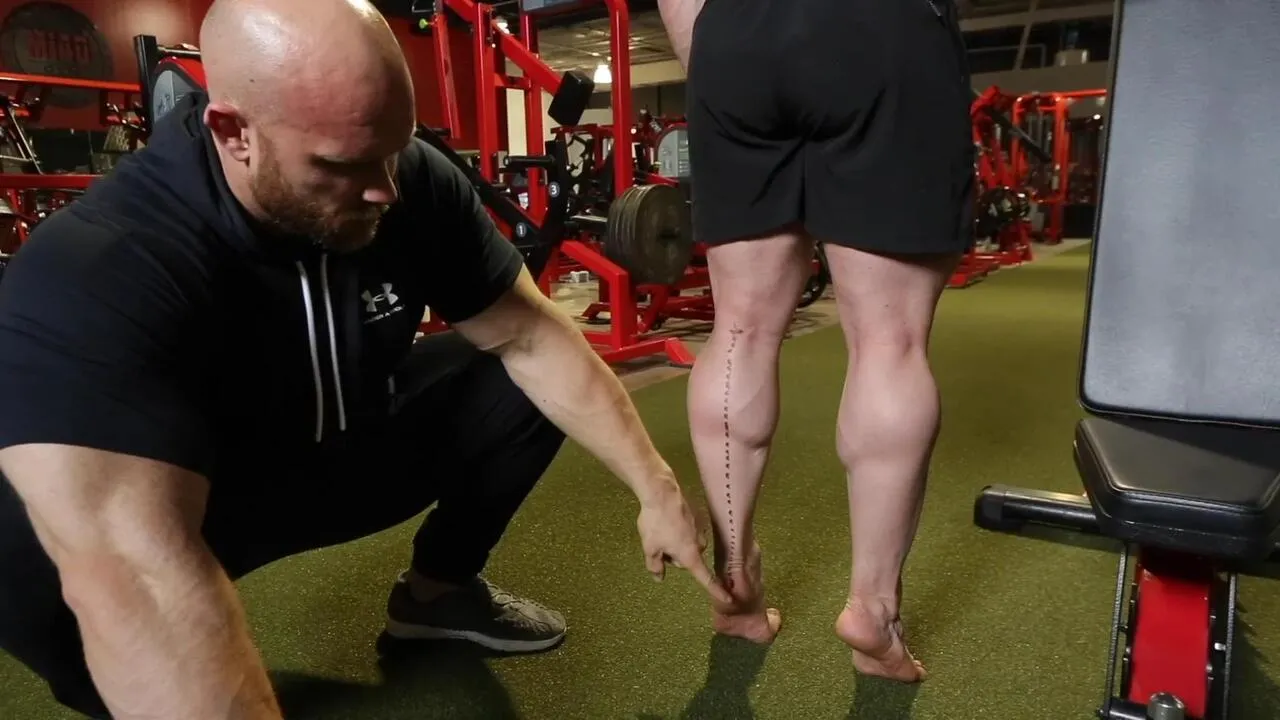
What Might a Sensible Calf Training Routine Look Like?
A simple approach could consist of two different movement patterns, for example.
Variant A: Focus on Gastrocnemius
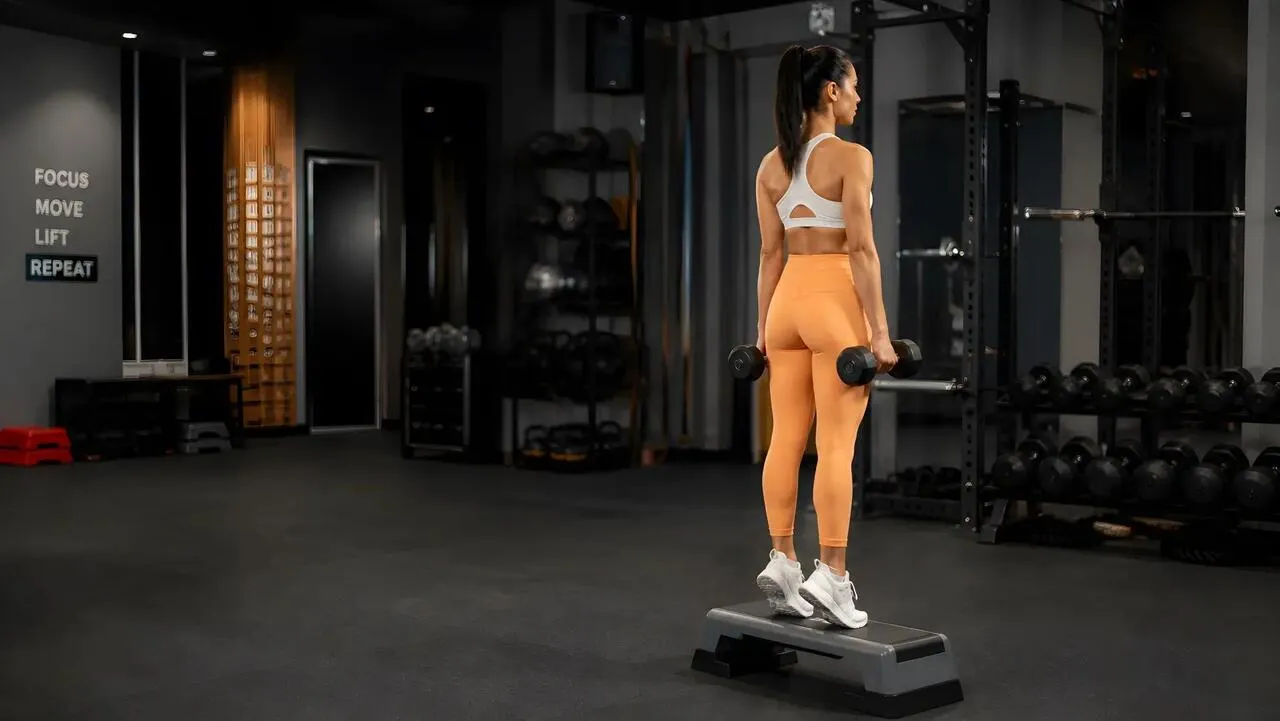
Standing Calf Raises
3–4 sets × about 6–12 repetitions
Here, the knee is kept largely straight. The movement should be controlled and over an as large as pain-free range of motion as possible.
Variant B: Focus on Soleus
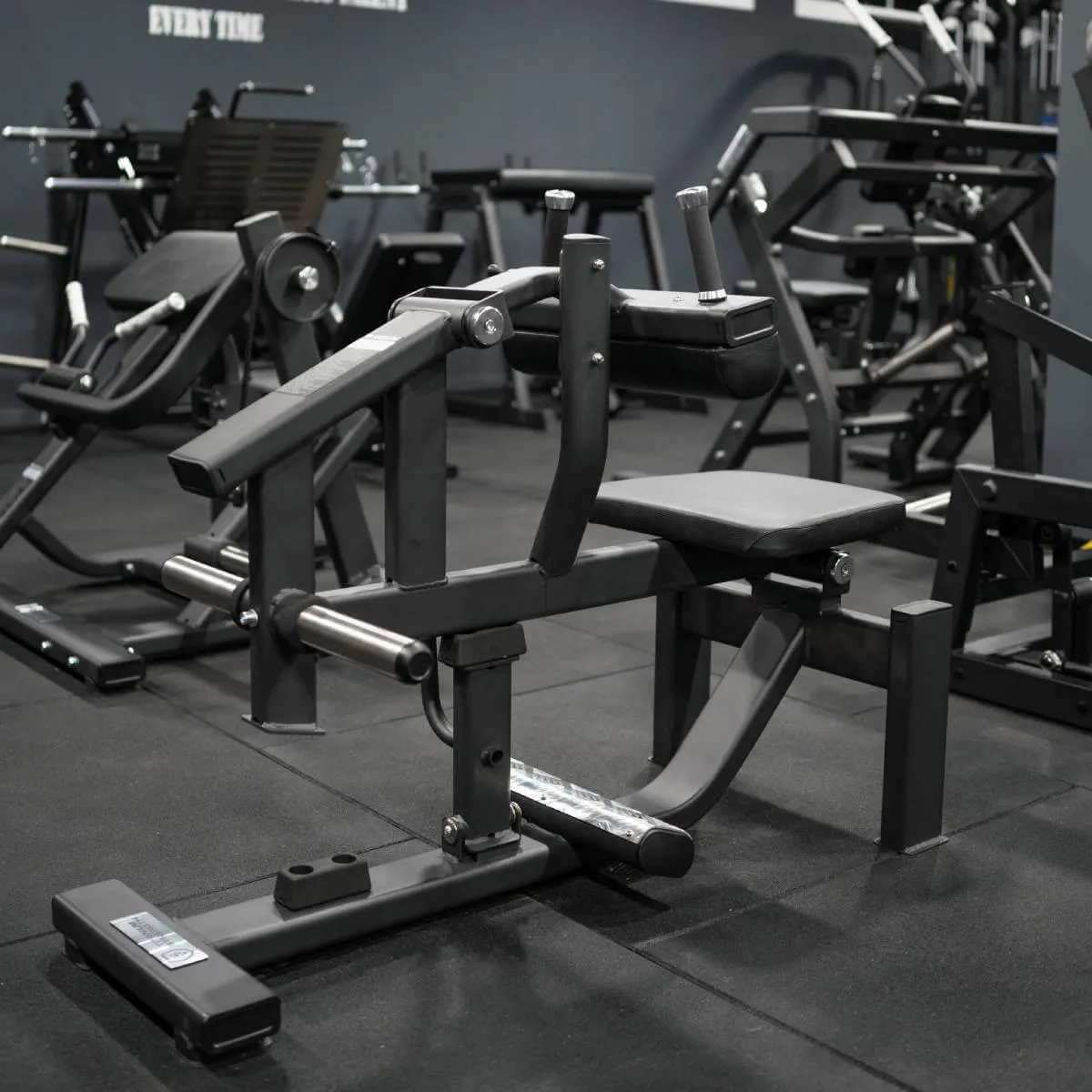
Seated Calf Raises
2–4 sets × about 10–20 repetitions
Due to the bent knee position, the gastrocnemius is less favored, while the soleus remains highly involved in plantar flexion.
These repetition ranges are not a magical rule. Research indicates that muscle hypertrophy is possible over a relatively wide range of training loads. What's imperative is a sufficient training stimulus and sensible progression.
How Often Should One Train Calves?
A blanket statement like "Calves should be trained every day" is not scientifically necessary.
What matters first is the total weekly volume and the quality of individual sessions.
A systematic review on training frequency found that the frequency alone is not necessarily the decisive factor for muscle hypertrophy if training volume is accounted for.
In practice, it may be reasonable to distribute calf training over two or more sessions per week. This can help achieve the necessary volume with good quality, rather than cramming everything into one extremely long session.
Do Calves Always Need to Be Trained with Very Heavy Weights?
No.
This is one of the most persistent myths in muscle building.
Research on the calf musculature shows that both lighter and heavier training loads can lead to pronounced adaptations. A study on untrained men found that both higher and lower loads during plantar flexion training yielded similar hypertrophic changes in the calf musculature.
This does not mean heavy weights are useless. They can be very effective. But training with moderate or lighter loads can also work, provided the sets are sufficiently challenging.
Why Genetics Still Play a Role
Of course, it would be erroneous to claim that everyone can develop exactly the same calves, regardless of their anatomy.
Muscle insertion points, muscle belly lengths, the proportions between gastrocnemius and soleus, and the individual response to training all vary from person to person.
Thus, two people might undertake the same training program and yet achieve different visual results.
However, this does not mean that training is futile.
Even though the starting form is genetically influenced, targeted strength training can alter the musculature. Research clearly indicates that calves respond to systematic resistance training with muscle growth.
The Most Important Point: Patience
Calves do not grow overnight.
Those who train regularly over several months, improve their technique, sensibly structure their training volume, and gradually boost their performance, create far better conditions for muscle growth than someone who constantly switches between various exercises and training methods.
Thus, the goal should not be to search for a new "secret calf exercise" every week.
Far more sensible is a simple system that can be consistently executed and documented over a longer period.

A Simple Example for a Long-term Approach
Anyone looking to specifically improve their calves could train twice a week, for instance:
Session 1
Standing Calf Raises: 3–4 sets
Seated Calf Raises: 2–3 sets
Session 2
Standing Calf Raises: 3–4 sets
Seated Calf Raises: 2–3 sets
It is not necessary to increase the weight forcibly every week. Instead, one can attempt to gradually accomplish more repetitions or more weight within a given repetition range using clean technique.
After several weeks, the training performance – and more importantly – long-term measurements can be used to evaluate whether the program is working.

Conclusion
If calves do not grow, it is not necessarily due to poor genetics.
It's often worthwhile to first look at the basics: Is the muscle being worked through a sufficiently large range of motion? Are the sets genuinely challenging? Is there progression over weeks and months? Is the training volume sufficient? Are both exercises with straight and bent knees considered?
Current research indicates that calves do indeed respond to targeted strength training. Particularly interesting is the fact that different training variations can target different areas of the calf musculature.
So, those who have been doing quick, half-hearted calf raises for years should not necessarily blame their genetics.
Proper technique, adequate range of motion, sufficient training volume, progressive loading, and patience are the far better starting points for larger calves.
Scientific Sources
- Kinoshita et al. (2023): Triceps surae muscle hypertrophy is greater after standing versus seated calf-raise training.
- Kassiano et al. (2024): Bigger Calves from Doing Higher Resistance Training Volume? International Journal of Sports Medicine.
- Schoenfeld & Grgic (2020): Effects of range of motion on muscle development during resistance training interventions: A systematic review.
- Kassiano et al. (2023): Which ROMs Lead to Rome? A Systematic Review of the Effects of Range of Motion on Muscle Hypertrophy.
- Schoenfeld, Ogborn & Krieger (2017): Dose-response relationship between weekly resistance training volume and increases in muscle mass: A systematic review and meta-analysis.
- Schoenfeld et al. (2021): Muscle hypertrophy and strength gains after resistance training with different volume-matched loads: a systematic review and meta-analysis.
- Maeo et al. / Kinoshita et al. (2020): Investigation into the adaptation of soleus and gastrocnemius to different training loads.
- Schoenfeld et al. (2016): Effects of Resistance Training Frequency on Measures of Muscle Hypertrophy: A Systematic Review and Meta-Analysis.
- Larsen et al. (2025): Resistance Training Beyond Momentary Failure: The Effects of Past-Failure Partials Versus Initial Partials on Calf Muscle Hypertrophy Among a Resistance-Trained Cohort.
- Kassiano et al. (2025): Does Performing Partial Repetitions Beyond Momentary Failure Enhance Muscle Hypertrophy in Volume-Load-Equated Calf-Raise Resistance Training?