If you've ever wondered why you occasionally feel tired, bloated, or don't recover optimally despite a “healthy diet,” then this blog is just right for you.
Often, the problem doesn't lie with you, but rather with natural substances in foods that can work against you: antinutrients.
Many fitness enthusiasts panic when they hear the word, but don't worry: you don't have to cut anything from your diet. It's important to understand how these substances work and how you can control them.
What exactly are antinutrients?
Antinutrients are natural plant compounds that can hinder the absorption of certain vitamins and minerals.
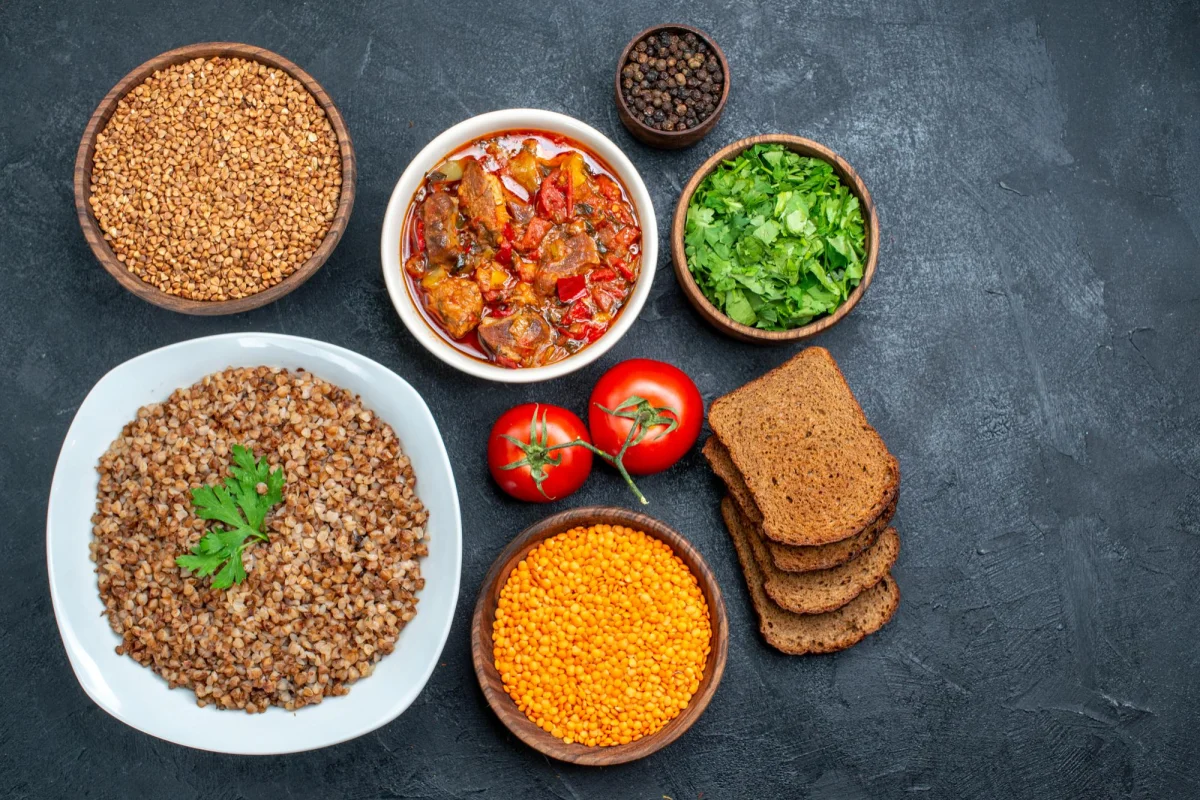
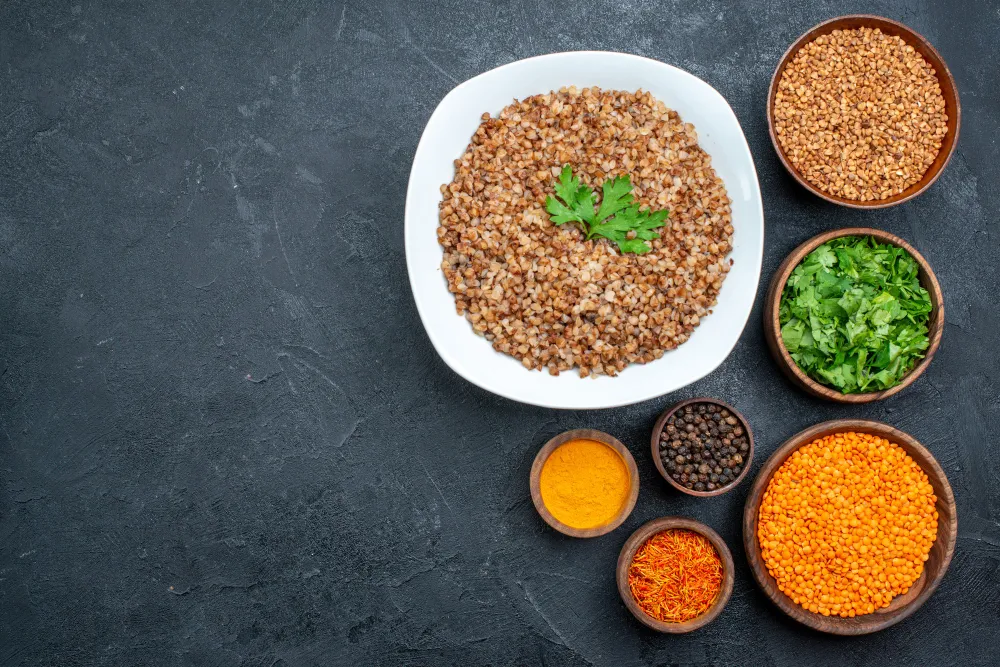
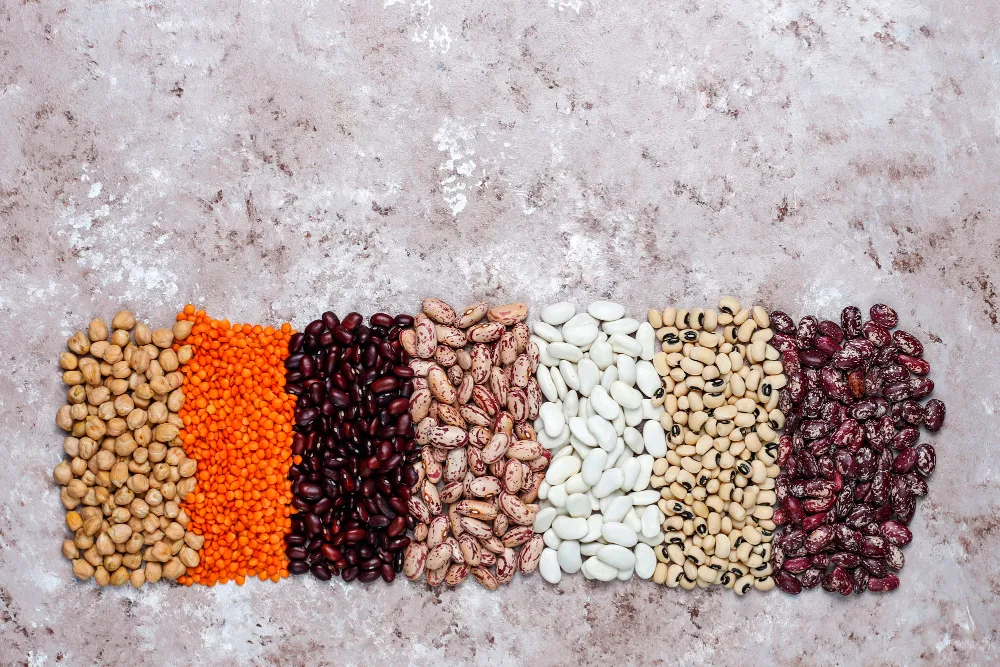
They are primarily found in grains, legumes, nuts, seeds, and some vegetables.
They are not “toxic.” The plant uses them as a protective mechanism.
However, for us humans, they can cause the following:
- Block minerals (e.g., iron, zinc, magnesium)
- Burdens digestion
- Make proteins less available
The most important antinutrients – and what they do
Here’s a clear table full of clarity:
| Antinutrient | Where is it found? | Effect on the body | How to neutralize? |
|---|---|---|---|
| Phytic Acid | Oats, whole grains, nuts, legumes | Binds iron, zinc, calcium → poorer absorption | Soaking, sprouting, fermenting, heating |
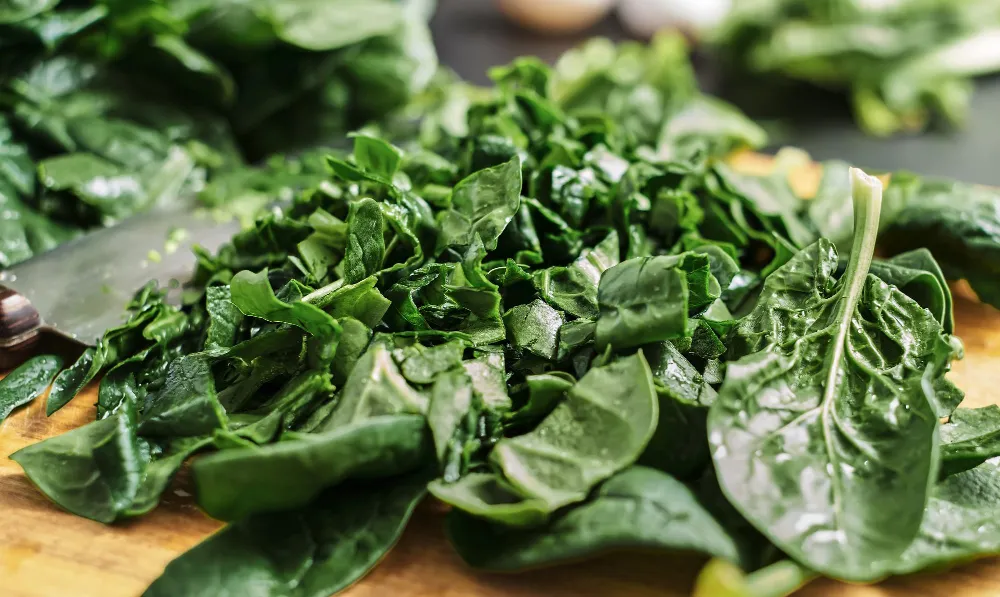
| Oxalic Acid | Spinach, chard, rhubarb, cocoa | Inhibits calcium absorption → risk of kidney stones | Cooking, combine with calcium-rich foods |
| Lectins | Beans, lentils, peanuts | Irritate intestines, reduce nutrient absorption | 100% destroyable by cooking |
| Trypsin Inhibitors | Legumes, soybeans | Inhibit protein digestion | Cooking & fermenting |
| Saponins | Chickpeas, quinoa | Irritate intestinal mucosa | Thorough washing, cooking |
| Goitrogens | Broccoli, cabbage, soybeans | Can inhibit iodine uptake (→ thyroid) | Cooking greatly reduces effect |
Why you as a fitness athlete MUST know this topic
Do you train hard? Then you need:
- more iron for oxygen transport
- more zinc for testosterone production
- more magnesium for recovery and sleep
- more protein that the body should optimally utilize
Antinutrients can steal energy here.
Example:
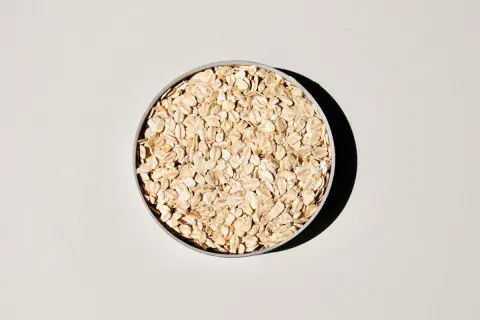
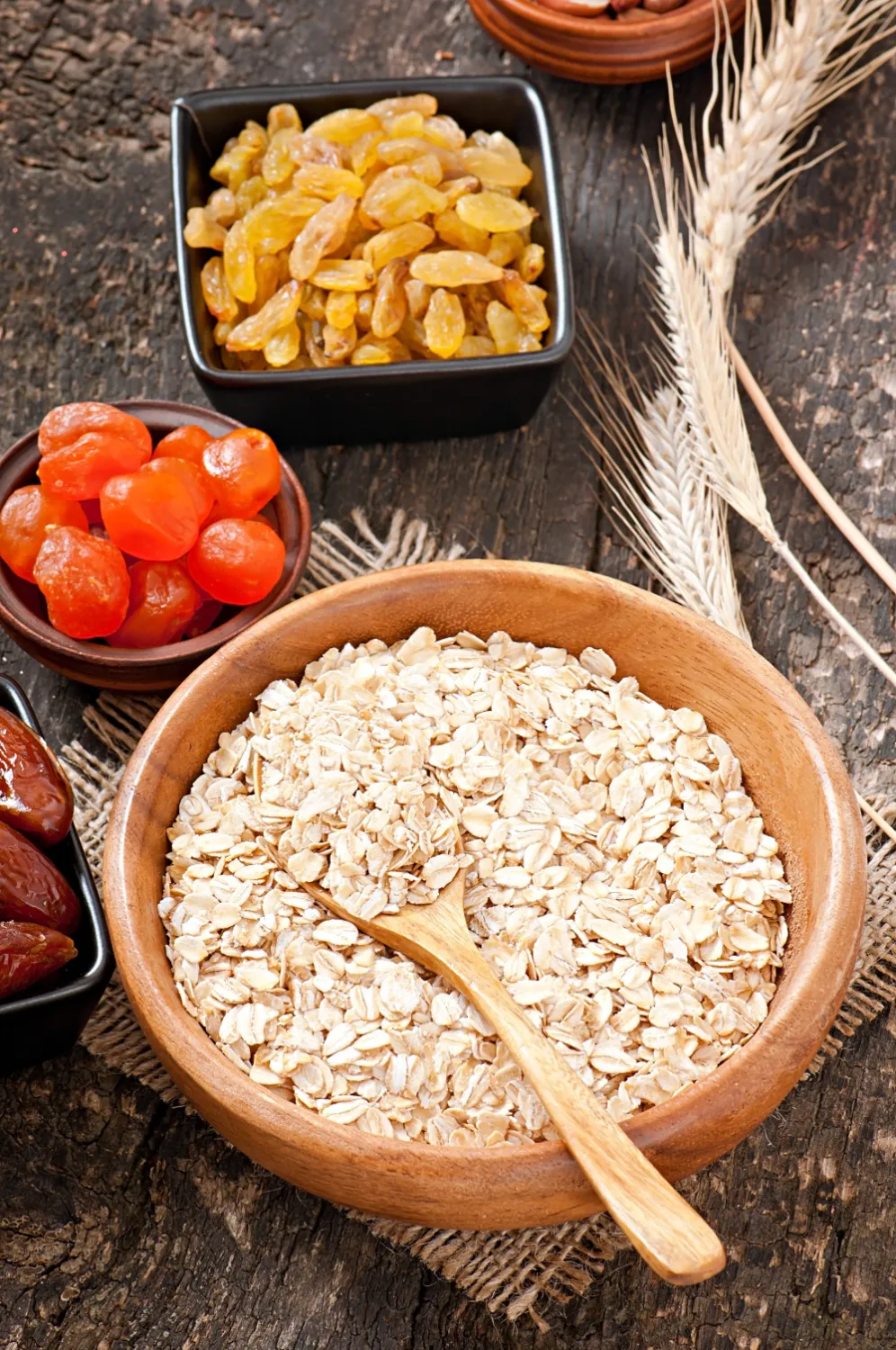
If you eat oats (full of phytic acid) with milk, phytic acid blocks calcium → you absorb much less.
Or you eat spinach daily and think “full of calcium,” but oxalic acid binds almost everything.
Does that mean oats & spinach are bad?
No! But you must know how to prepare them properly.

How to easily neutralize antinutrients
1. Soaking – 8 to 12 hours
Extremely effective for beans, lentils, almonds, oatmeal.
Drain water, cook anew → up to 70% fewer antinutrients.
2. Cooking – the gamechanger
Heat destroys:
- Lectins
- Trypsin inhibitors
- large portions of oxalic acid
Never eat legumes raw – heat-sensitive substances are not deactivated otherwise.
3. Fermenting – the strongest effect
Examples:
- Sourdough bread → almost no phytic acid
- Yogurt/tempeh → proteins more digestible

4. Sprouting (Germination)
Let lentils, chickpeas, or mung beans sprout → minerals become much more bioavailable.
5. Combining
Vitamin C + iron = perfect
Calcium + oxalic acid = worse
Therefore, for example:
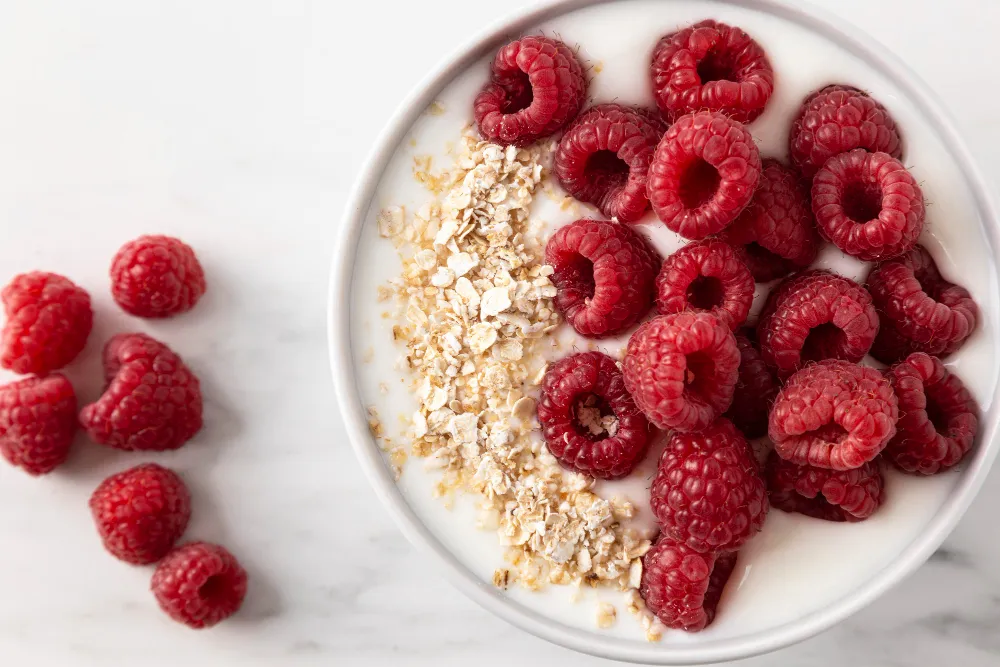
- Oats + raspberries = top
- Spinach + yogurt = rather bad
- Quinoa + bell peppers = very good
6. Variety
Eating the same thing every day increases the risk of imbalance.
Variation = better nutrient absorption = better performance.
Are antinutrients really a problem?
Many studies show:
You can control antinutrients, and many even have positive effects, such as:
- antioxidative
- anti-inflammatory
- gut health
- cholesterol-lowering
The problem isn't the food –
but the incorrect preparation.
If you treat oats properly, they become healthier, not worse.
If you cook lentils, they become perfectly usable.
Practical examples for you as a fitness athlete
If you eat oats:
→ Soak for 12 hours, then briefly boil or prepare warm.
→ Excellent for zinc & magnesium.
If you eat spinach:
→ Always blanch, never consume raw in large amounts.
→ Otherwise, you lose calcium potential.
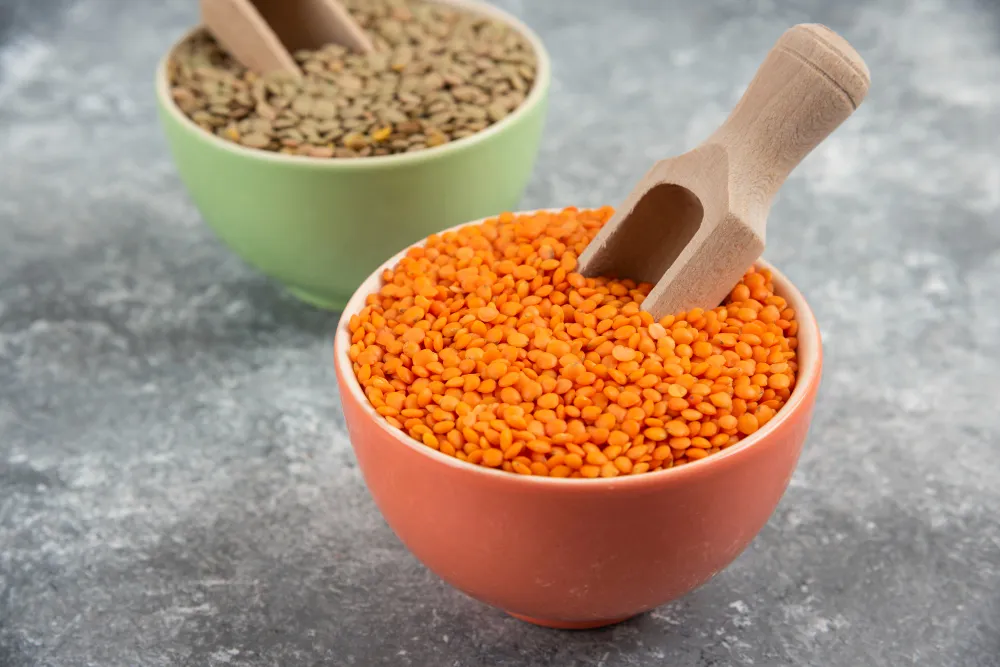
If you eat beans/lentils:
→ ALWAYS cook well.
→ Perfect protein source – when prepared correctly.
Conclusion: Antinutrients are not an enemy – just a factor you need to understand
Antinutrients are not “bad” compounds but natural plant mechanisms.
They can block nutrient absorption – if you treat them incorrectly.
But by soaking, cooking, fermenting, and smart combinations, you turn the same foods into power foods that:
- improve your recovery
- increase your mineral absorption
- ease your digestion
- boost your performance
You don't need to eliminate anything – you just need to eat smarter.