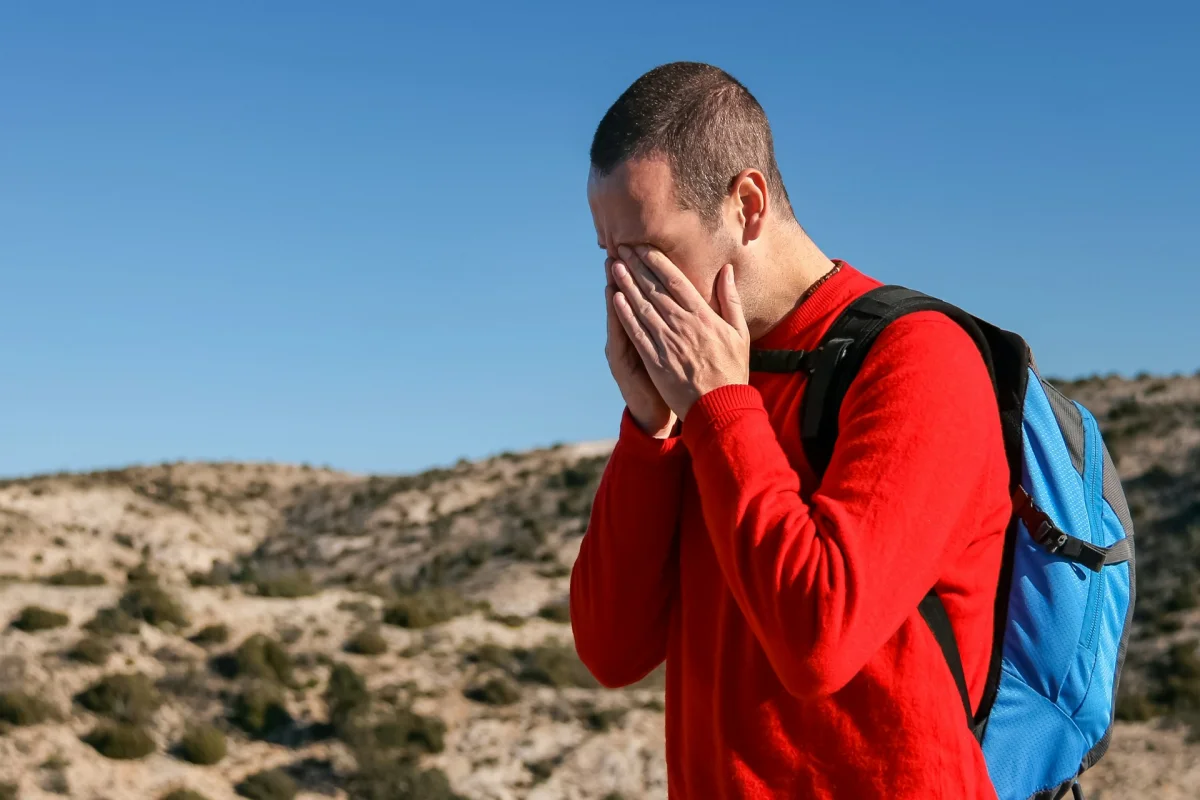
When one is ill, it can be tempting not to fully rest but instead to "boost" the immune system through light exercise. Many people believe that by sweating profusely, pathogens are washed out of the body. This notion is based on the assumption that exercise raises body temperature, acting similarly to a fever and thereby accelerating the healing process. But how much truth is there really in this widespread belief?

Sweating and Illness: A Misunderstanding
First and foremost, sweating is a bodily response that helps regulate body temperature. When we exercise, our body temperature rises, and sweating serves to cool us down. However, sweating alone has little to do with combating pathogens. Pathogens such as viruses and bacteria multiply in the body and trigger inflammatory responses. Our immune system responds with defense mechanisms like fever, but this reaction has nothing to do with sweating caused by exercise.

The idea that one can "sweat out" a cold or flu is not scientifically supported. In fact, excessive training when the body is already weakened can worsen the situation. A compromised immune system is further burdened by intense training, increasing the risk of exacerbating the illness or even developing more serious complications such as myocarditis.

What Does Science Say?
A number of studies and scientific articles have examined whether exercising during illness is truly beneficial or if it causes more harm than good.
Study 1: The "Neck Check" Rule
An article from the Mayo Clinic often cites the so-called "Neck Check" rule as a guideline for physical activities during a cold. According to this, mild symptoms above the neck, such as a runny nose or sore throat, do not prohibit light exercise. However, symptoms below the neck, such as cough, chest pain, or fever, strongly advise against physical activity. This rule aims to minimize the risk of worsening symptoms, but it certainly does not replace individual assessment of health status.Study 2: Effects of Exercise on the Immune System
According to a study by Nieman and Wentz (2019), moderate physical activity can have a positive effect on the immune system by temporarily increasing blood circulation and the number of immune cells in the body. However, intense training and particularly "overtraining" lead to temporary immunosuppression, meaning the immune system is weakened, making it easier for pathogens to take hold, especially when the body is already compromised by an infection.- Study 3: Exercise and the Risk of Myocarditis
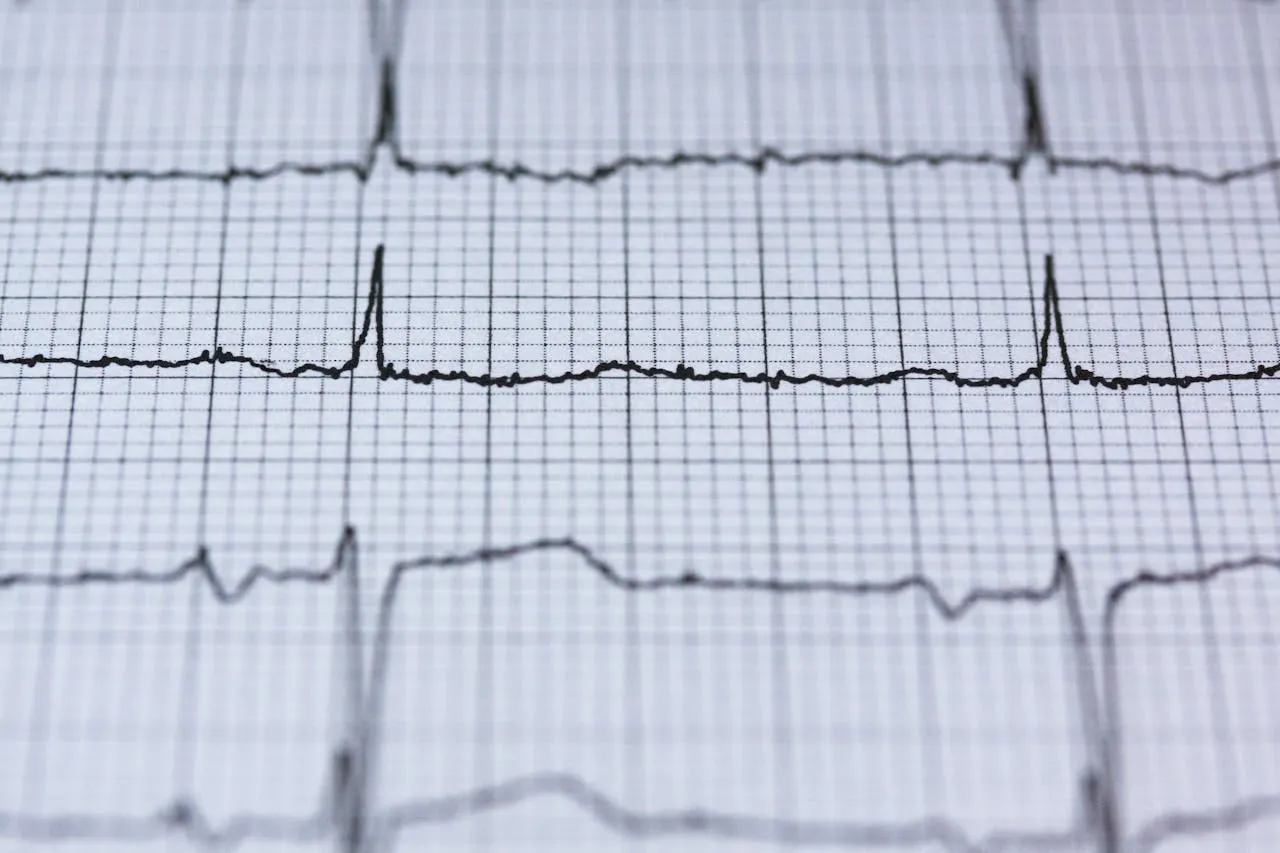
A study published in the Journal of the American College of Cardiology highlights that intense exercise during a viral infection significantly increases the risk of myocarditis, an inflammation of the heart muscle. A myocarditis is a severe complication that can be triggered by viruses that penetrate deeper into tissue when the immune system is weakened. In the worst-case scenario, this can lead to arrhythmias or even cardiac arrest.
What Really Happens in the Body During Illness and Exercise?
When the body is invaded by pathogens, our immune system responds immediately, initiating an inflammatory response. Immune cells rush to the site of infection to combat the pathogens. Simultaneously, the body consumes more energy as metabolism accelerates. This energy is needed by our immune system to function efficiently.
However, through intense exercise, energy is diverted. The body must use resources to supply the muscles and repair the micro-damage caused by training. The priority now shifts away from defending against pathogens. Consequently, the immune system remains weakened, delaying the healing process. In some cases, this can even lead to worsening infections or the development of additional complications.

When Should One Avoid Exercise?
As a general rule: those with a fever or feeling extremely fatigued should definitely refrain from exercise. Fever is a clear sign that the body is battling a severe infection, and rest is the best medicine during this phase. Even with mild symptoms such as a slight cold, training should be significantly reduced or replaced by gentle activities like walking.
Here are some guidelines that can help:
With a mild cold without fever or significant symptoms, a light walk or yoga may be acceptable.
When experiencing fever, severe cough, or body aches, all forms of physical activity should be avoided.
- If symptoms persist for more than a week, a doctor should be consulted before resuming training.

Conclusion: More Harm Than Good
The notion that one can "sweat out" an illness through exercise is a myth that can cause more harm than good. While regular, moderate exercise can strengthen the immune system, intense exercise during an acute illness is counterproductive. The body requires rest and recovery to combat the infection and regenerate.
Listening to one’s body and granting it the necessary rest best supports the healing process. Exercise should only be reintroduced into one’s routine once the illness has completely subsided. This helps prevent relapses and protects against long-term complications.
The consensus among scientists is clear: Rest is the best medicine when ill. Instead of attempting to "sweat out" the illness, one should cozy up on the sofa with a blanket, stay hydrated, and take the time needed to recover.