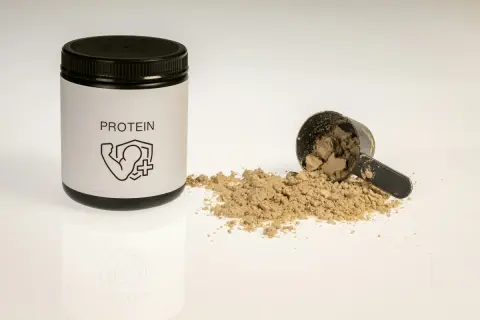
Lactose intolerance is a crucial factor for many athletes that can influence their diet and supplementation choices. Those who are active in the fitness industry often aim to utilize protein shakes, dairy products, or high-protein snacks – yet lactose intolerance can swiftly lead to discomfort. In this blog, learn what to watch out for, which products are suitable, and how to achieve your fitness goals despite the intolerance.

What is Lactose Intolerance?
Lactose intolerance refers to the inability to fully digest lactose, the milk sugar found in dairy products. This is due to a deficiency of the enzyme lactase in the small intestine. With insufficient digestion, lactose reaches the large intestine where it is fermented by bacteria.
Common symptoms:
- Bloating
- Abdominal pain
- Diarrhea
- Nausea
The intensity of symptoms depends on the individual's tolerance level.

Lactose Intolerance and Fitness: Why It Matters
For athletes, sufficient protein intake is vital for:
- Muscle growth (hypertrophy)
- Post-workout recovery
- Maintaining muscle mass during a calorie deficit
Many protein sources originate from dairy products – like curd cheese, yogurt, milk, and whey protein. For those with lactose intolerance, consuming these products can lead to discomfort and hinder training as well as recovery.

Whey Protein and Lactose Intolerance
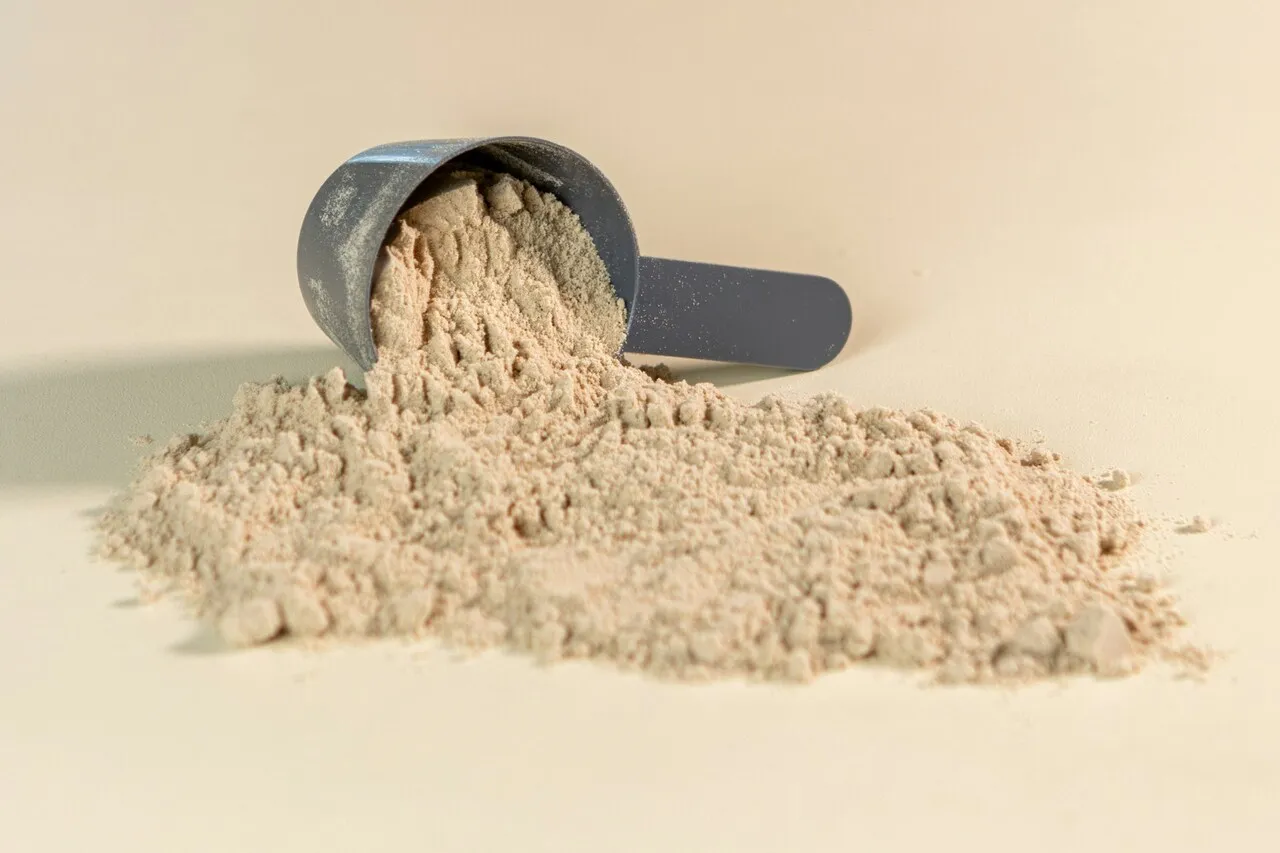
Whey protein is one of the most popular supplements in the fitness industry. There are distinctions:
- Whey Concentrate (WPC): Contains 70–80% protein but also residual lactose – can cause issues in severe intolerance.
- Whey Isolate (WPI): Contains 90–95% protein with very low lactose – generally well tolerated.
- Hydrolysates (WPH): Pre-digested proteins, almost no lactose – very easily tolerated, albeit more costly.
Tip: Those facing lactose issues should prefer whey isolate or hydrolysates. Lactose-free milk or water can be used for mixing.

Lactose-Free Dairy Products and Alternatives
- Lactose-free milk: 100% milk-like taste, no lactose
- Lactose-free curd cheese or yogurt: Ideal for protein shakes and snacks
- Plant-based alternatives: Soy, oat, pea, almond milk (pay attention to protein content)
- Casein isolate: Slowly digestible protein, low in lactose

Tolerability of Protein Shakes
Even lactose-free products can cause reactions in some athletes:
- Additives like sorbitol or maltodextrin can cause bloating
- Large amounts at once can lead to digestive issues
Solutions:
- Test smaller portions (e.g., 20–25 g of protein per shake)
- Drink shake slowly
- Choose powder with few additives

Scientific Notes
- Whey isolate is generally well tolerated in cases of severe lactose intolerance.
- Plant-based proteins like soy or pea protein are excellent alternatives.
- A lactose-free diet does not impair muscle protein synthesis as long as sufficient protein is consumed.

Table: Whey Products, Lactose Content, and Tolerability
| Whey Variant | Protein Content | Lactose Content | Tolerability for Lactose Intolerance |
|---|---|---|---|
| Whey Concentrate (WPC) | 70-80% | Moderate | May cause discomfort |
| Whey Isolate (WPI) | 90-95% | Very low | Generally well tolerated |
| Whey Hydrolysate (WPH) | 90-95% | Very low | Very well tolerated |
| Casein Isolate | 80-90% | Low | Well tolerated |
| Plant-based Proteins | 70-85% | None | Well tolerated |
Conclusion for Athletes
Lactose intolerance does not have to be an obstacle to achieving fitness goals. It's important to:
- Select low-lactose or lactose-free products
- Prefer whey isolate or hydrolysates
- Supplement with plant-based proteins
- Consider individual tolerability
With the right choices, you can optimally support muscle growth, recovery, and fitness goals without risking digestive issues.