
In today’s fast-paced and stressful world, mental health has become a central concern. More and more people are realizing the importance of taking care of not only their physical but also their mental well-being. Physical exercise, traditionally associated with fitness, is now recognized as a key factor in maintaining mental health.
The Connection Between Exercise and the Brain
Recent scientific studies show that regular physical activity has a positive impact on the brain in various ways. Exercise helps reduce stress hormones like cortisol and increases the production of endorphins and serotonin. These "happiness hormones" contribute to a better sense of well-being and can help alleviate symptoms of depression and anxiety. Moreover, regular exercise has been found to enhance cognitive function by promoting neuroplasticity—the brain’s ability to form new connections and adapt to changes.

New Approaches to Mental Training
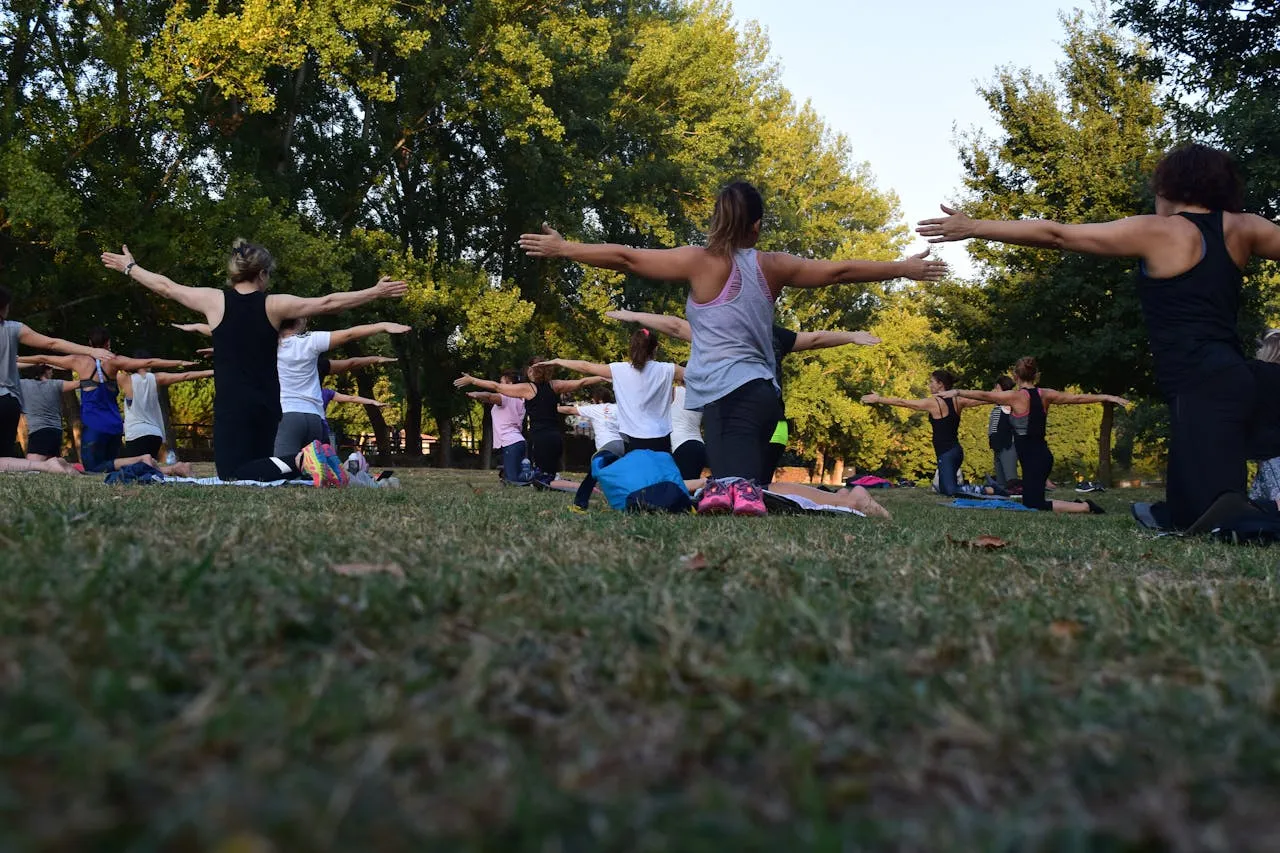
Beyond traditional endurance and strength training, a more holistic approach is now being encouraged, incorporating mindfulness, meditation, and yoga into one’s exercise routine. Mindfulness-based practices, such as deep breathing or meditation, have proven effective in managing stress and calming the mind. Studies show that these practices can help reshape the brain over time by strengthening areas responsible for attention, concentration, and emotional regulation.
The Impact of Exercise on Sleep and Emotional Stability
Another important aspect is the influence of exercise on sleep. Poor sleep is often associated with psychological problems such as anxiety and depression. Regular exercise, especially outdoors, not only improves sleep quality but also helps regulate the circadian rhythm, leading to deeper relaxation and better recovery.

Practical Tips for Implementation
For those looking to improve their mental health through exercise, it’s important to find an activity that is enjoyable and sustainable in the long term. Whether it’s daily walks, running, swimming, or yoga, consistency and enjoyment are key. Celebrating small progress can also help maintain motivation.