Daily Protein Requirement: How Much Is Enough for Your Health?
Protein is vital for athletes not only for muscle development but also for maintaining performance and aiding recovery.
Read articleHealth
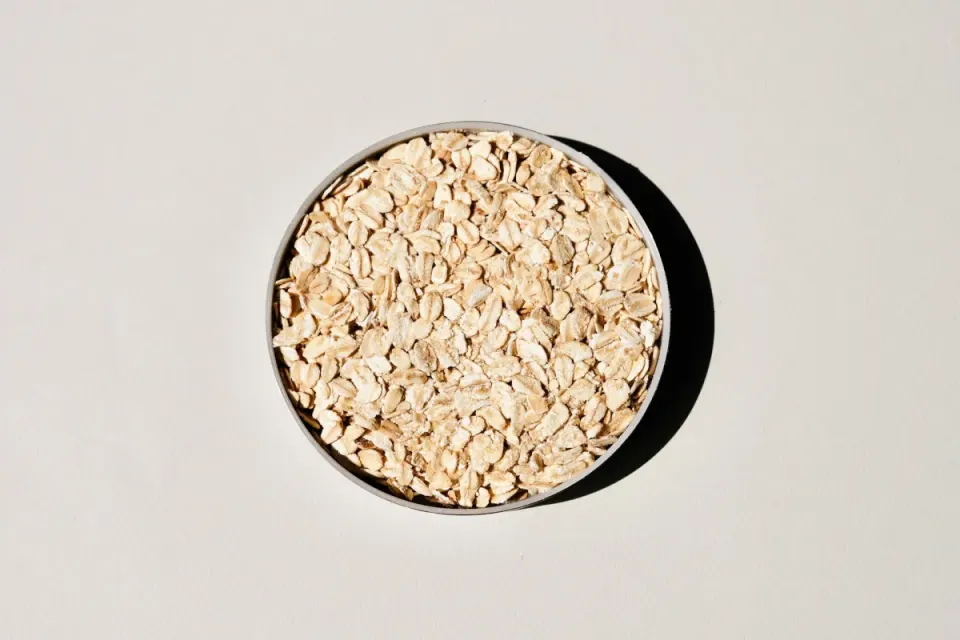
If you exercise regularly, you know: Testosterone is your invisible workout partner. It determines how much muscle mass you build, how quickly you recover, and how intense you feel at the gym. At the same time, many athletes reach for the classic option every morning – oatmeal.
Yet at some point, every fitness enthusiast encounters the same question:
“Do oats lower my testosterone levels?”
Wild myths circulate online. Some claim that phytic acid blocks minerals and reduces your testosterone levels. Others say this is complete nonsense.
So: What is the truth?
Let's take a scientific look at the myth.
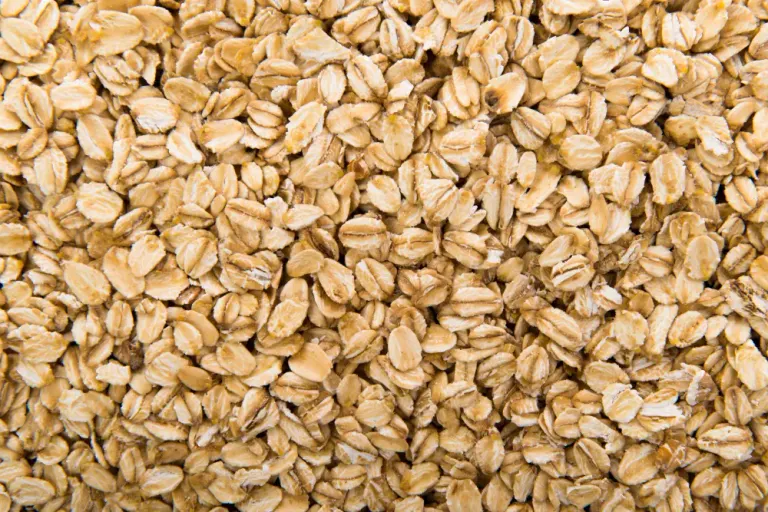
Oatmeal contains:
You get a mix of energy, satiety, and micronutrients. That's exactly why oats are a staple fitness food worldwide.
The accusation is mostly:
Oats contain phytic acid → binds minerals like zinc → less zinc → less testosterone.
Yes, oats contain some phytic acid.
But: The amounts are absolutely not dangerous for a healthy person who eats a normal diet.
👉 The studies that judge phytic acid as a “testosterone killer” often examine extreme diets with very high phytic acid amounts, such as purely plant-based diets lacking mineral diversity.
That's not your everyday scenario.

A meta-analysis by Harland & Oberleas (2020) shows:
A study in the British Journal of Nutrition found:
👉 Athletes who regularly consume oats have no lower testosterone levels.
On the contrary: Thanks to the many complex carbohydrates that can reduce cortisol, your hormonal profile benefits.

Beta-glucan (a fiber in oats) has two positive effects on your hormonal system:
Several studies (e.g., Nutrients 2021) show: Beta-glucan supports a long-term anti-inflammatory environment, which in turn correlates with better testosterone values.
Important:
Testosterone is synthesized from cholesterol.
If your cholesterol profile is poor, testosterone production often suffers.
Oatmeal lowers bad LDL, but not the cholesterol essential for hormones.
→ This is even positive for testosterone, because a healthier lipid profile supports hormone production in the long term.
The clear answer:
No.
There is no scientific study proving that oats lower testosterone levels in healthy men.
On the contrary – they actually support a hormone-friendly environment indirectly:
✔ stable blood sugar
✔ less cortisol
✔ good energy supply for training
✔ fiber that strengthens gut health → less inflammation
✔ magnesium, iron, zinc present
Phytic acid is NOT a testosterone killer, as long as you don’t eat a one-sided diet.

Scroll sideways if needed to see all columns.
| Factor | Effect of Oats | Influence on Testosterone |
|---|---|---|
| Phytic Acid | mild mineral binding | neutral, as long as diet is diverse |
| Beta-Glucan | reduces inflammation & stabilizes blood sugar | positive |
| Magnesium | supports hormone synthesis | positive |
| Complex Carbohydrates | improves training performance & reduces cortisol | positive |
| Zinc | present, but not extremely high | neutral to slightly positive |
| Protein | 12–15% protein content | supportive |
Since you often eat chicken, fish, eggs, etc., your zinc and mineral intake is already high.
For you, the “phytic acid myth” is completely irrelevant.
For vegans, it might be a concern – but even they can reduce phytic acid content by soaking or fermenting.

✔ soak oats before eating → reduces phytic acid by ~40%
✔ Combine with milk, yogurt, whey → more proteins & zinc
✔ Add fruits → vitamins + antioxidants
✔ Nuts → healthy fats for hormone synthesis

Oatmeal does not lower your testosterone – the myth arises from misinterpreted data about phytic acid.
The reality:
Oatmeal is one of the best fitness foods out there.
It supports energy, digestion, blood sugar, inflammation indicators – and thereby indirectly your hormonal system.
If you want to build muscle, oats are your friend, not your enemy.
Protein is vital for athletes not only for muscle development but also for maintaining performance and aiding recovery.
Read article
This blog provides a detailed analysis of how smoking restricts athletic performance – based on current scientific studies.
Read article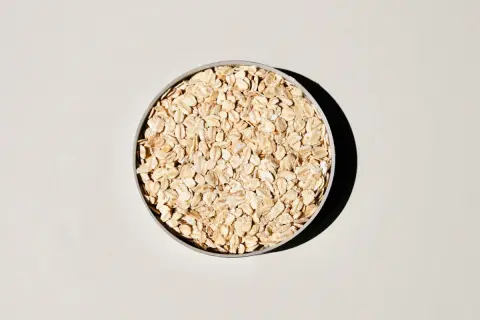
This blog contains scientific facts about oats and testosterone, a detailed analysis of phytic acid, a clear table, hormone-friendly nutrition tips, background knowledge on…
Read article