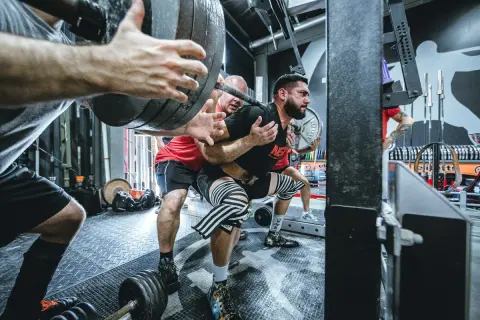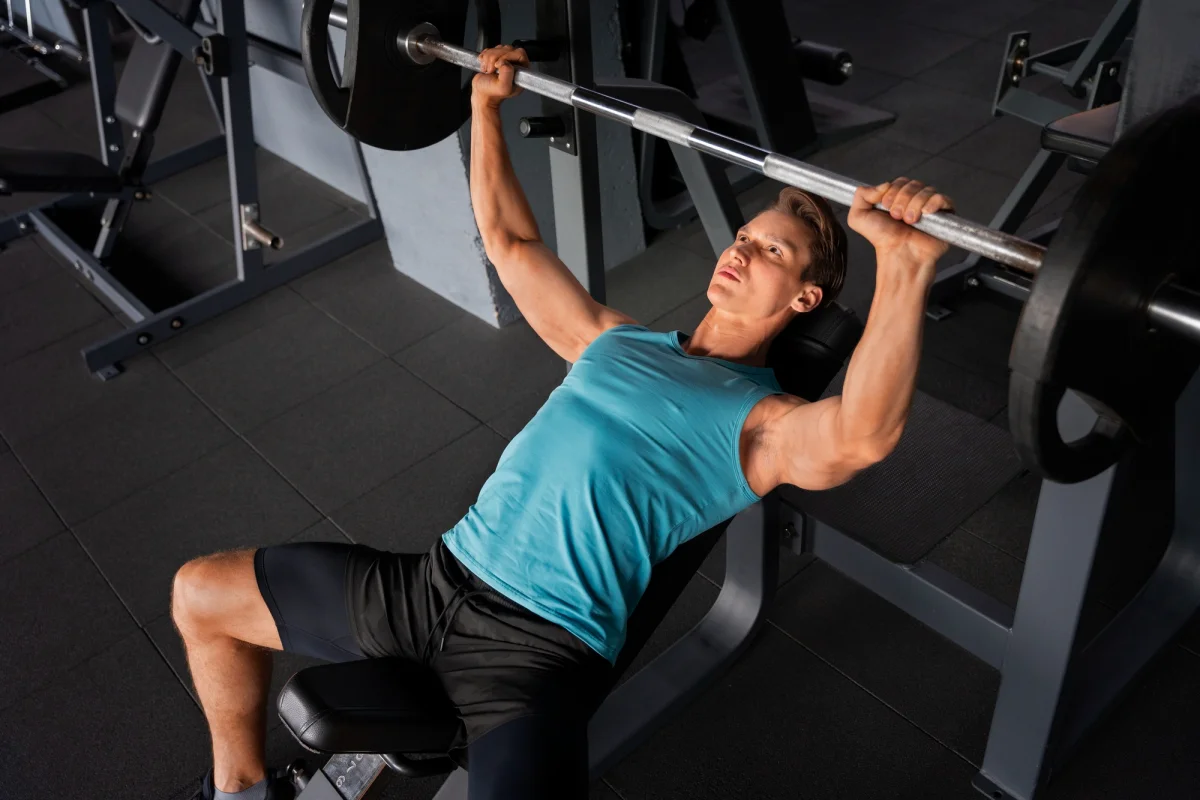
When it comes to chest training, many speak of three areas: upper chest, middle chest, and lower chest. This often raises the question: Is the upper chest really more important than the other parts? Or is it sufficient to do just bench presses?
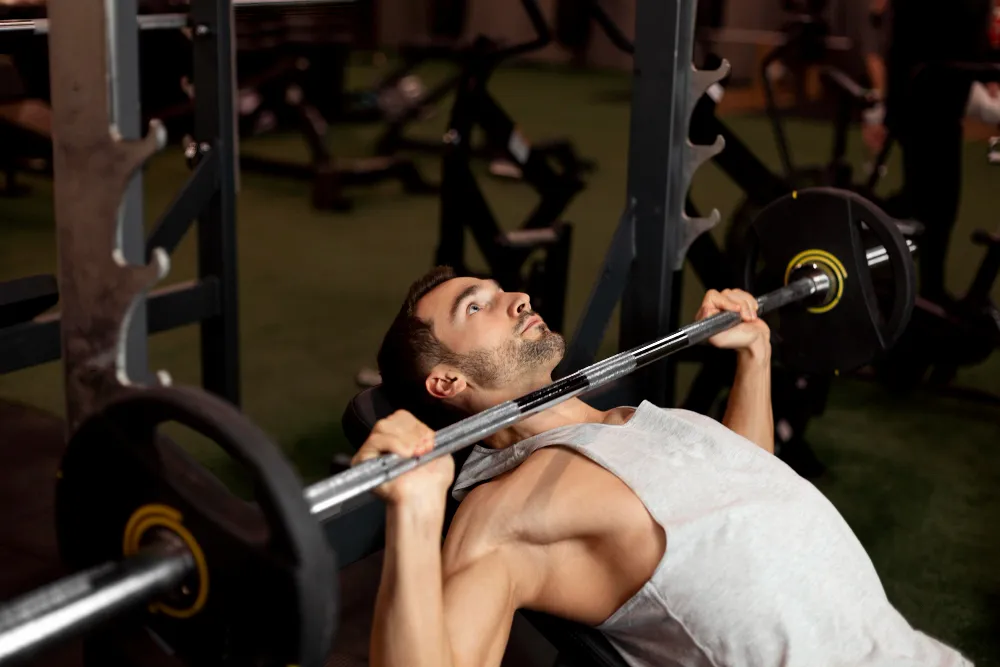
Anatomy: One Muscle, Many Fiber Directions
The chest muscle, the Pectoralis Major, anatomically consists of two main parts:
- Clavicular Part (upper section) – originates from the clavicle.
- Sternocostal Part (middle and lower sections) – originates from the sternum and the ribs.
Even though it is a single muscle, the fibers run at different angles. Therefore, the load can be shifted to different areas with training variations.
Why the Upper Chest Often Seems Crucial
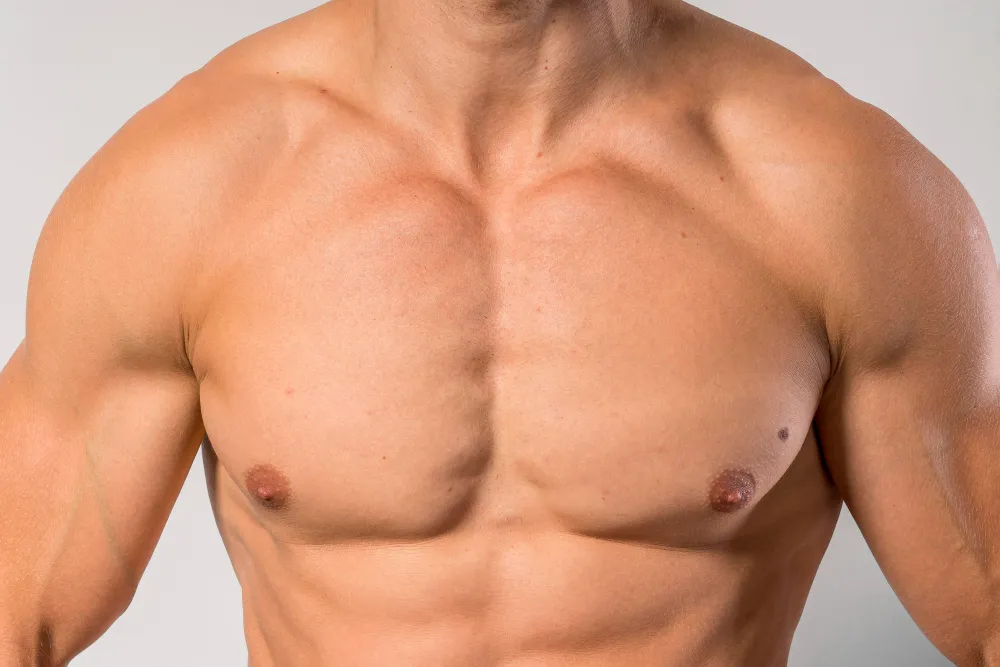
Many athletes face the problem of their chest appearing "heavy at the bottom" but flat at the top. This results in a rather saggy look, especially in men with lower body fat percentage.
A well-developed upper chest, on the other hand, ensures:
- a fuller, more aesthetic shape
- a visual transition to the shoulders
- a stronger V-shape of the upper body
Especially on stage in bodybuilding or when looking in the mirror, the upper chest often makes the biggest difference.
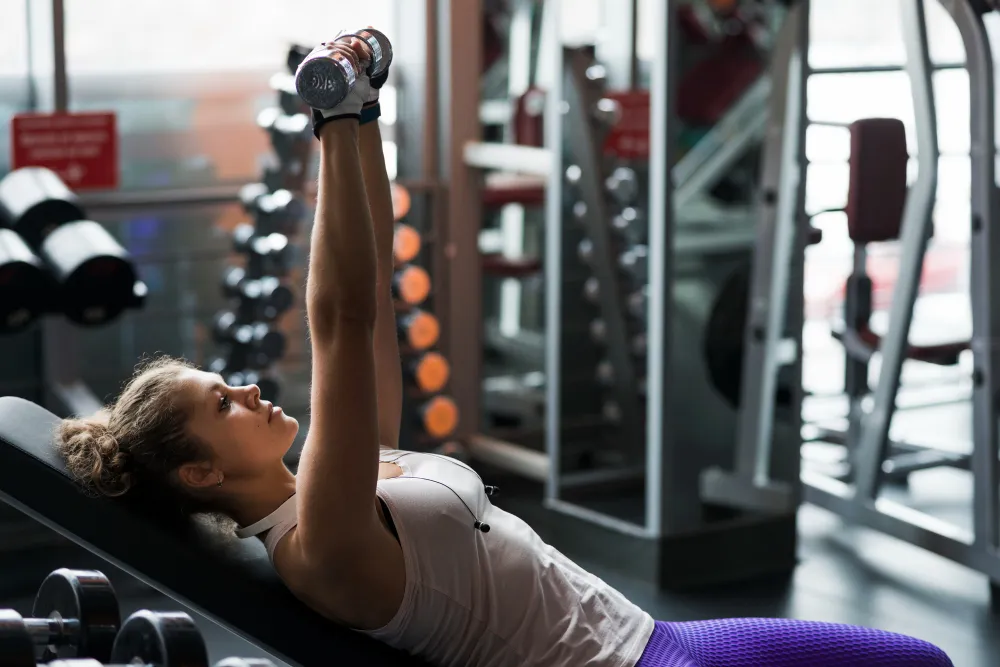
Comparison: Upper Chest vs. Middle/Lower Chest
- Middle Chest: Heavily engaged in classic bench presses, hence naturally dominant in most athletes.
- Lower Chest: Can be emphasized with dips or decline bench presses, but is less of a visual concern if weaker.
- Upper Chest: Often underdeveloped with mere flat bench presses but crucial for a harmonious overall appearance.
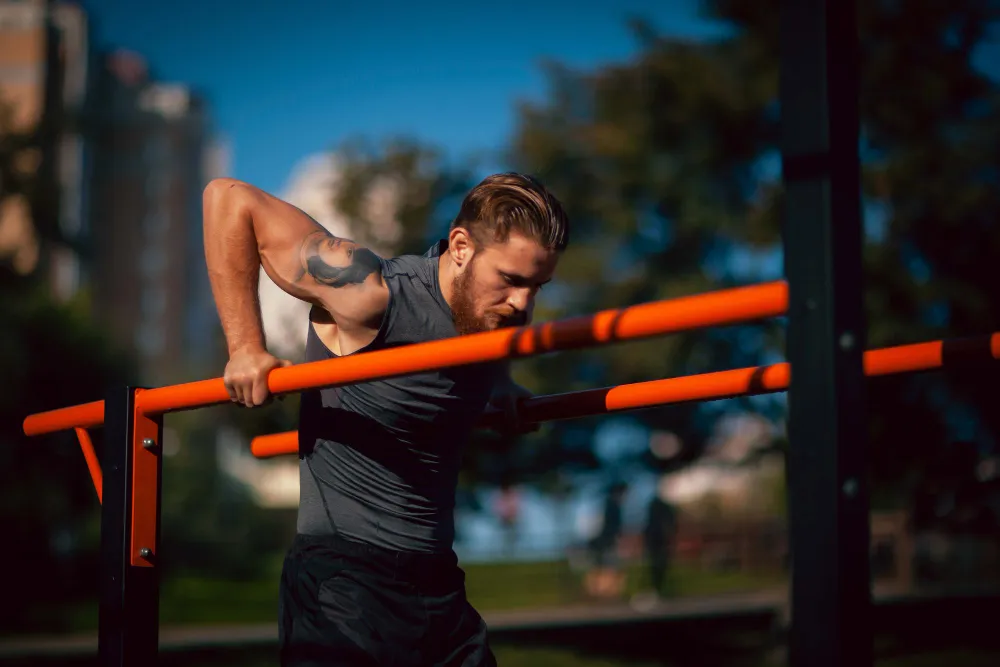
Best Exercises for the Upper Chest
| Exercise | Execution | Special Feature | Equipment |
|---|---|---|---|
| Incline Bench Press (Barbell) | Set bench at 30–45°, press with control | Classic for the upper chest area | Barbell, Incline Bench |
| Incline Bench Press (Dumbbell) | Same angle, free movement | More stretch and balance | Dumbbells, Incline Bench |
| Incline Flyes | Arms slightly bent, lead dumbbells outwards/downwards | Isolated stretch in the upper chest area | Dumbbells |
| Low to High Cable Fly | Lead handles from hip height over the chest | Constant tension on upper chest | Cable Machine |
| Feet Elevated Push-Ups | Feet on bench, hands on the floor | Bodyweight focus on upper chest | Bench or Box |
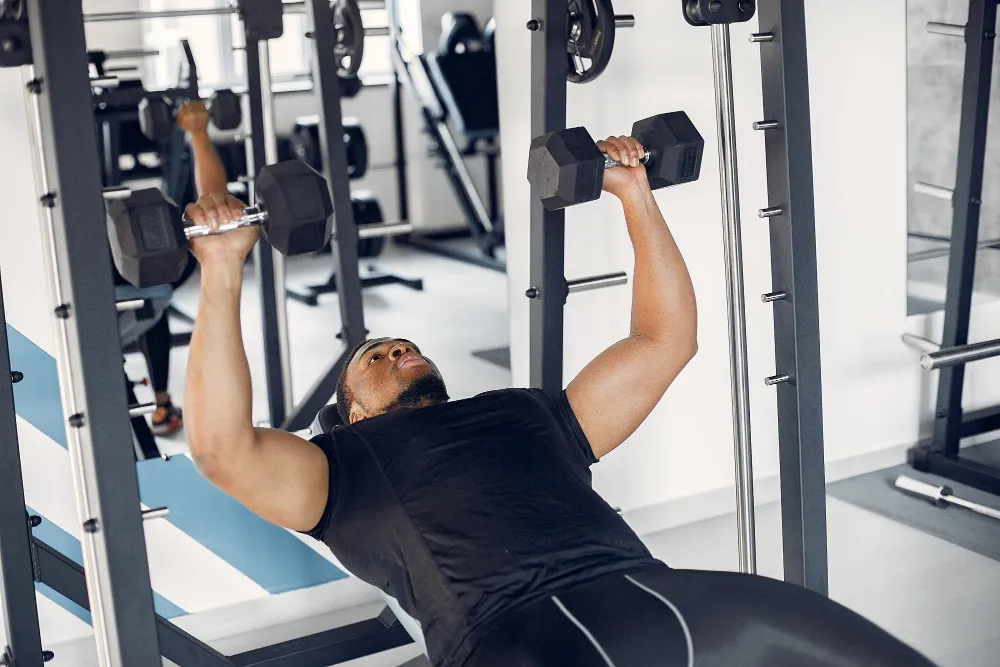
Conclusion
Is the upper chest more important than the other parts?
Anatomically: No, it is part of the same muscle and should be trained in conjunction with the middle and lower parts.
Visually and practically: Yes, a strong upper chest contributes to a harmonious, athletic overall appearance – and is often the key to impressive chest development.