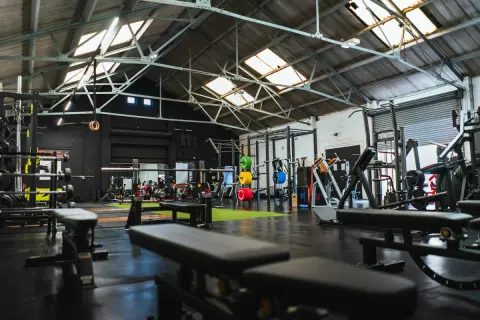
The fitness realm is rife with myths and outdated 'wisdom' that often does more harm than good. This misinformation can lead to unmet training goals, stagnation in progress, or even injuries. In this blog, I shed light on the most common fitness myths and reveal what truly holds merit.
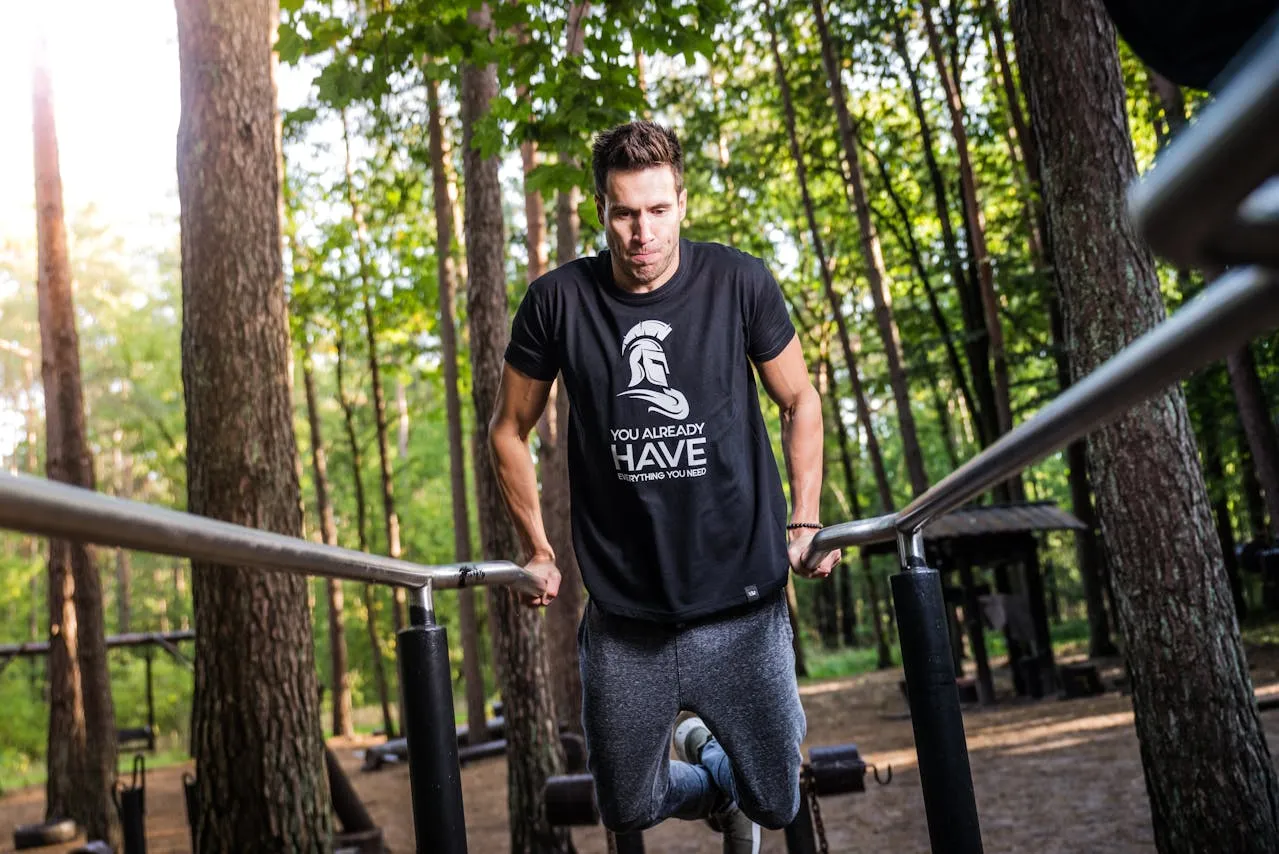
If you’re not sweating, your workout wasn’t intense enough.
Many associate sweating directly with workout intensity. However, sweating is merely the body’s response to cool itself and regulate temperature. Factors such as humidity, ambient temperature, and personal metabolism play significant roles. Some individuals sweat more, while others sweat less—regardless of workout intensity. What matters is not the quantity of sweat, but how effectively the muscle groups and the cardiovascular system are engaged. A carefully executed strength training session can be as effective as a sweat-inducing cardio workout.

Cardio is the best way to lose fat.
While cardio is renowned for its fat-burning abilities, relying solely on endurance training is often ineffective. Strength training plays a crucial role in fat loss, as it increases the basal metabolic rate. By building muscle mass, the number of calories the body burns at rest increases, resulting in an “afterburn effect.” Even post-workout, the body consumes energy to recover the muscles. A combination of strength and endurance training yields the best long-term results, as it synergizes fat loss with muscle gain.

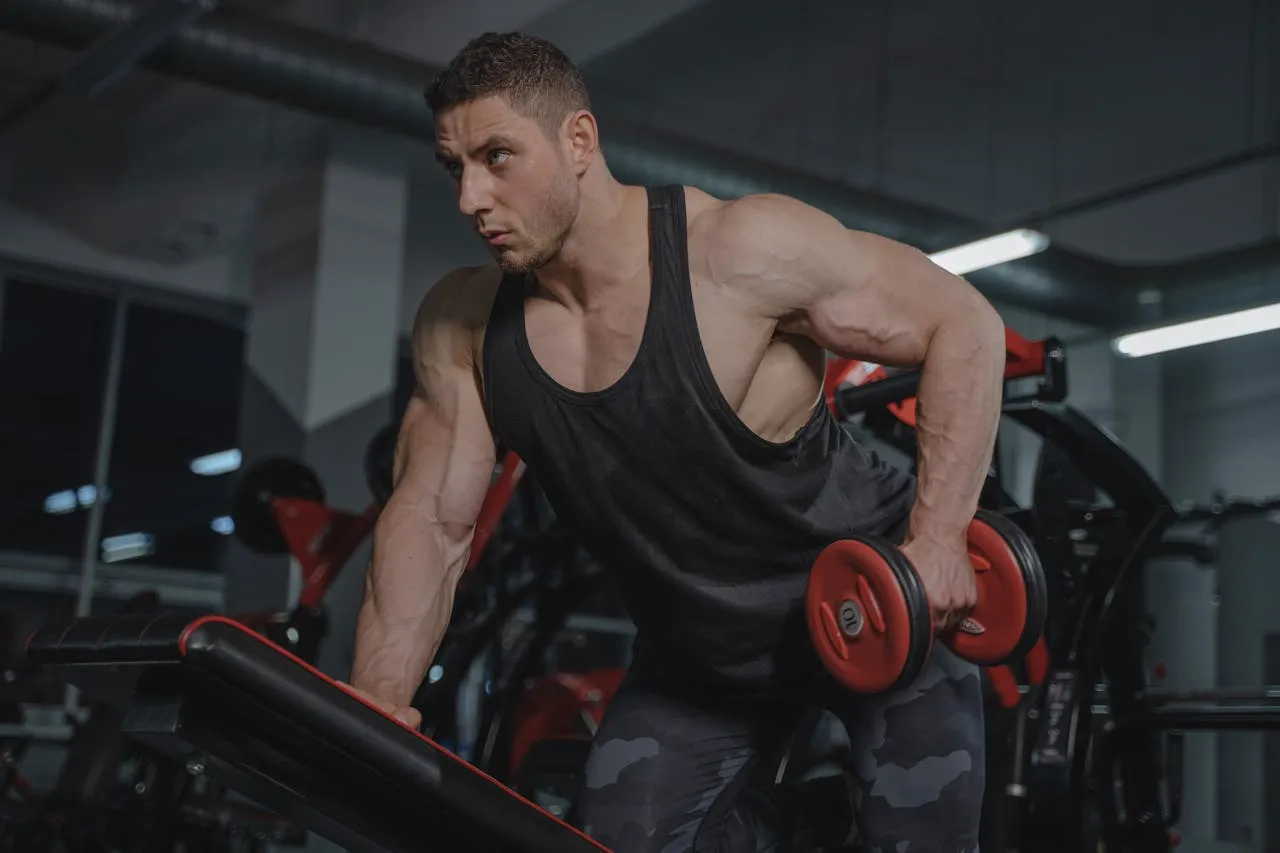
Only heavy weights lead to muscle gain.
It is a misconception that only lifting heavy weights leads to effective muscle growth. The principle of progressive overload—continuously increasing the training load—can be applied in various ways: through heavier weights, more repetitions, or more intense training methods such as supersets or isometric exercises. Muscle can even be developed using one’s own body weight, such as with push-ups or pull-ups. The key is that the muscles are challenged and receive new stimuli.
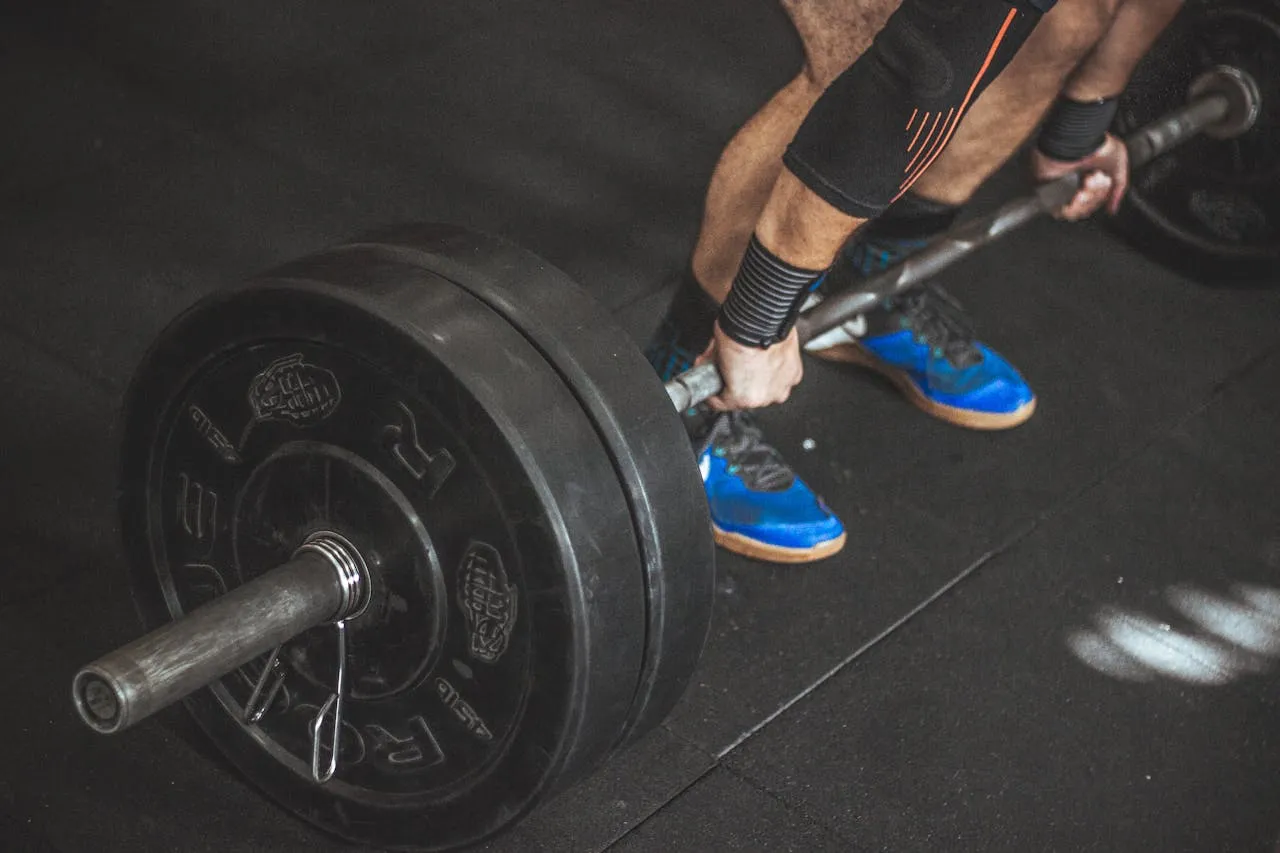
Women should only train with light weights to avoid becoming ‘muscular.’
The belief that women will quickly appear “masculine” through strength training persists. In fact, women have different muscle-building mechanisms compared to men due to lower testosterone levels and build muscle mass more slowly. Training with heavy weights strengthens the muscles, improves bone density, and contributes to a toned and defined physique without causing women to appear excessively muscular. The advantages of a strong body, such as increased strength and improved posture, positively impact overall health.
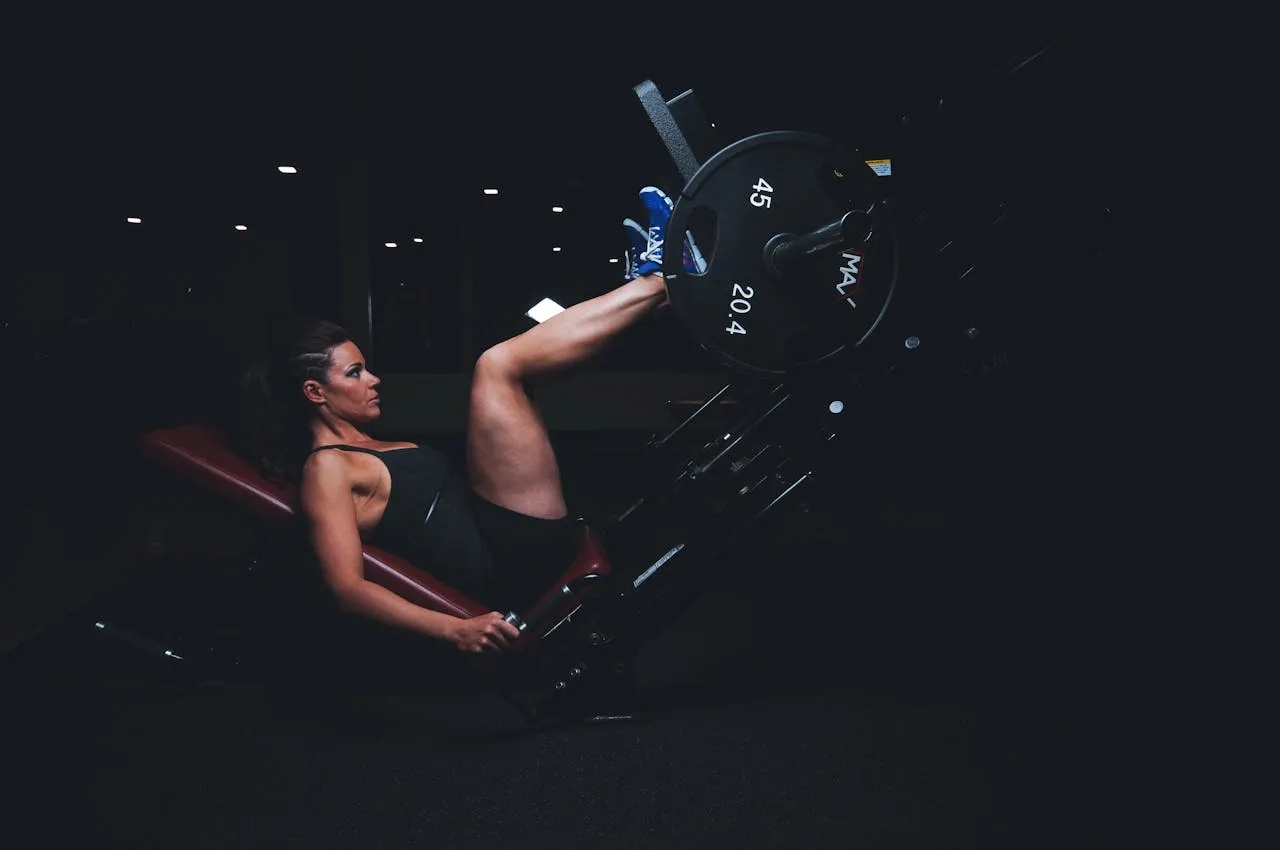
The longer the workout, the better.
Many believe that a lengthy workout is automatically more effective. In truth, excessive workout duration can overload muscles and joints and diminish focus on exercise execution. Quality takes precedence over quantity: A short, intense session, such as HIIT (High-Intensity Interval Training), can be more effective than a long, low-intensity workout. The body also requires sufficient recovery time to adapt and make progress. Extended sessions can additionally increase the release of stress hormones, which may even reduce the workout's effectiveness.
Eating in the evening makes you gain weight.
The myth that eating in the evening leads to weight gain is based on the assumption that metabolism slows down at night. In reality, the calorie balance is what matters, meaning how much is consumed throughout the day. The timing of calorie intake has little influence on weight. For some, eating late may impair sleep, so it is advisable to avoid large meals 1-2 hours before sleeping. However, those who train in the evening should not skip a nutrient-rich meal to support recovery and muscle growth.

Abdominal training leads to a six-pack.
A classical misconception is that abdominal training alone leads to a defined six-pack. Visible abdominal muscles are primarily the result of a low body fat percentage. Without an appropriate diet that promotes fat loss, abdominal muscles often remain hidden beneath a layer of fat. Moreover, it is advisable to train the core and lower back muscles to stabilize the body center and prevent injuries.

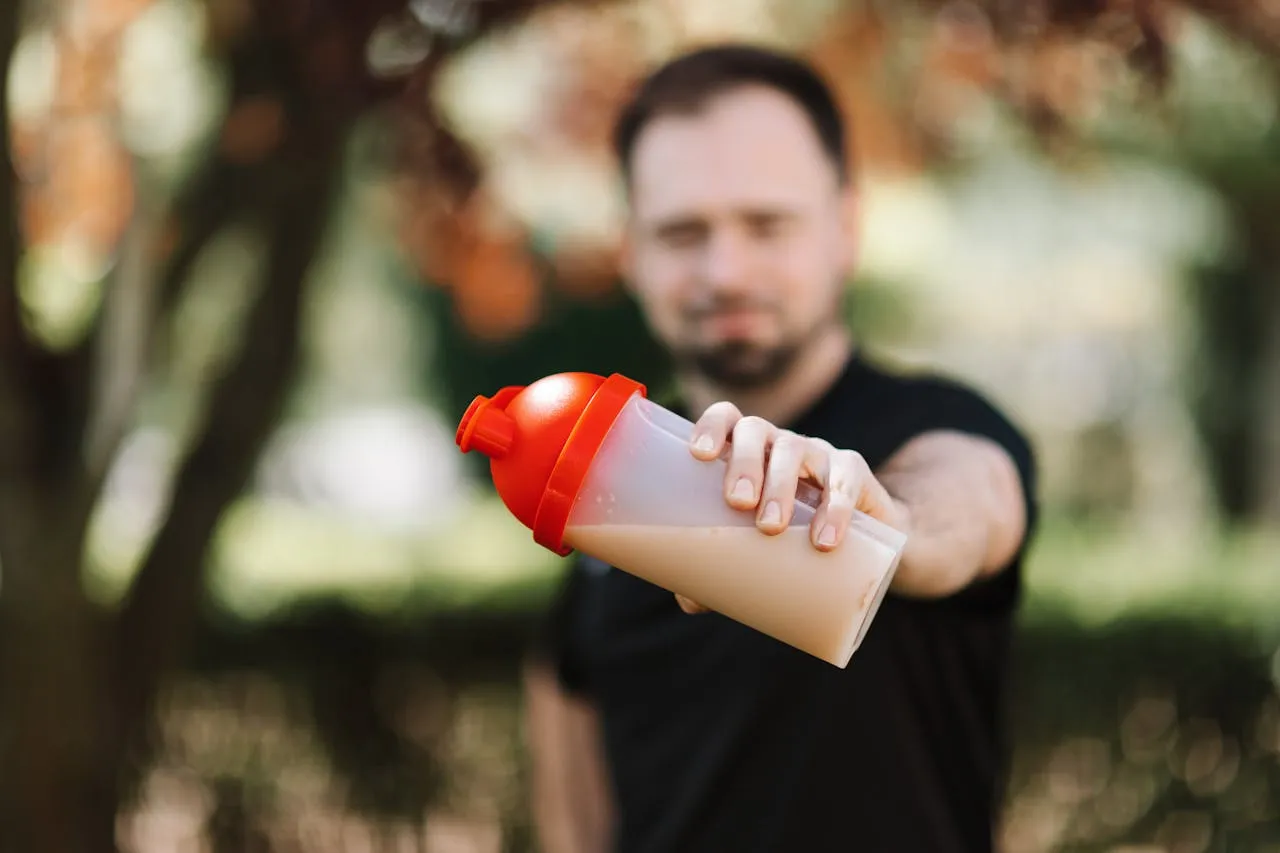
Protein shakes are necessary for muscle growth.
Protein shakes are a popular supplement; however, muscle growth can also be supported without them. Protein-rich foods such as eggs, fish, legumes, and cottage cheese provide valuable protein for muscle recovery. Shakes offer a quick and convenient solution for those with increased protein needs or in hectic daily situations. The key is the total protein intake throughout the day, not just a solitary protein source.
Stretching before a workout prevents injuries.
Many believe that static stretching before a workout prevents injuries. In reality, static stretching before intense sessions can actually “relax” the muscles and thereby reduce maximum strength. A better method is dynamic warm-up, which activates the muscles and joints through targeted movements. Static stretching should be deferred to the end of the workout to promote mobility and flexibility.

Spot reduction: You can lose fat in specific areas with targeted training.
The desire to lose fat in specific areas of the body is widespread. However, the body does not lose fat in trained areas but rather distributes it evenly across the entire body. It is impossible to lose fat solely in problem areas, as this is genetically and hormonally regulated. Reducing body fat can only be achieved through a combination of caloric deficit and a comprehensive training program.

Muscle soreness is a sign of a good workout.
Muscle soreness results from micro-tears in muscle fibers and indicates that the muscle has experienced unfamiliar stress. However, muscle soreness is not an essential indicator of a good workout. Over time, the body adapts to the stress, and muscle soreness occurs less frequently, even though the training remains effective. Therefore, the aim should not be muscle soreness, but a consistent, progressive load that fosters long-term muscle growth.

You can only eat within a specific window after training to build muscle.
The “anabolic window” myth suggests that the body can only build muscle within an hour after training. In fact, the total protein intake throughout the day is more critical than timing directly post-workout. Studies indicate that muscle growth is primarily promoted by consistent protein intake. Nevertheless, a protein-rich meal post-training can be beneficial to support the recovery process.

Older adults should not engage in strength training.
There is no reason why older adults should avoid strength training. On the contrary, as people age, muscle mass naturally declines, leading to weaker bones and joints. Strength training can counteract this, strengthening muscle mass, stabilizing joints, and improving mobility. Gentle training with moderate weights, tailored to individual fitness levels, is ideal for remaining fit and mobile in old age.
Long, slow cardio is better for fat burning than interval training.
Many presume that slow, continuous cardio is ideal for fat burning. In reality, high-intensity interval training (HIIT) has been shown to boost the metabolism more efficiently and burn more calories even post-exercise. HIIT intensely engages the body, prompting it to consume energy for hours after training. A blend of endurance and HIIT often leads to the best results in fat loss.

Conclusion: Knowledge is the key to successful training.
In the fitness world, it’s easy to be swayed by myths and false promises. A well-thought-out training plan, however, is based on sound knowledge and realistic expectations. Only through a mindful approach to one’s body and a clear understanding of nutrition and training can sustainable success be achieved. Those who take the time to inform themselves and tailor their goals individually will benefit in the long run from a healthy, strong, and balanced body.