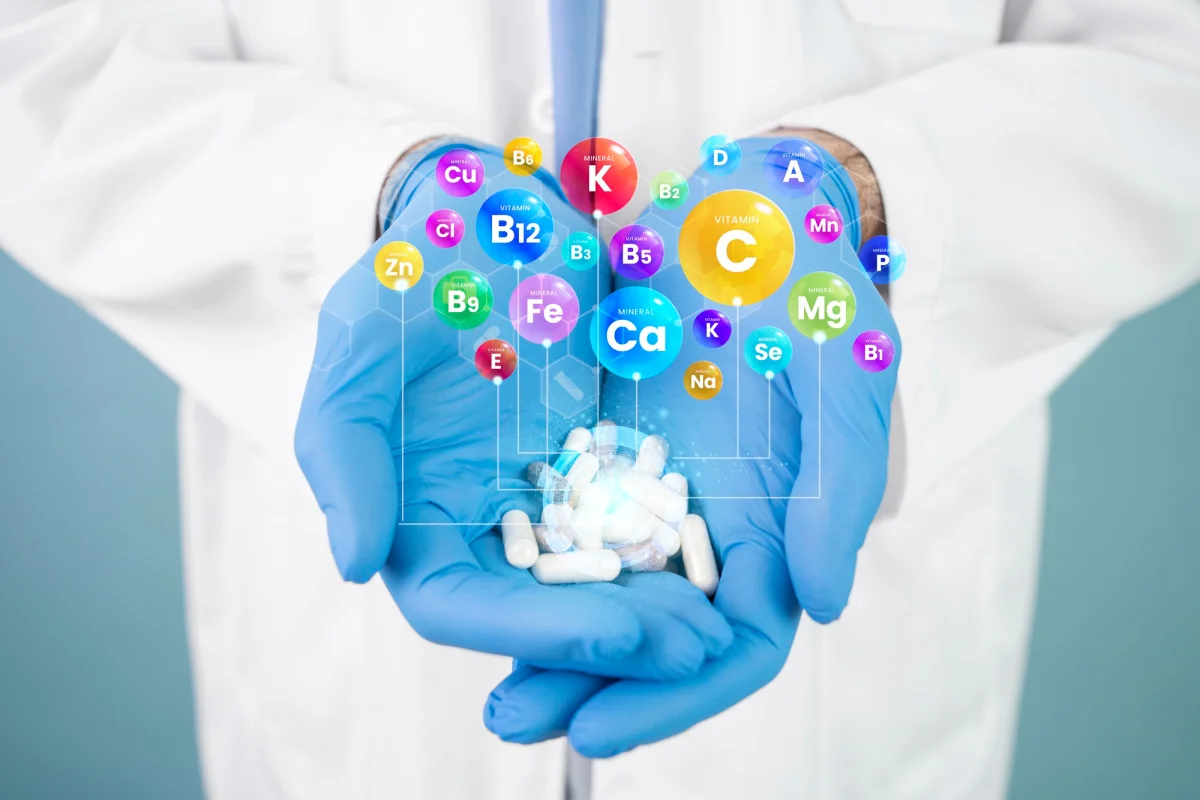
Our supermarkets are full, the shelves are colorful and diverse. We live in abundance—yet still in deficiency. Sounds paradoxical, doesn't it? But this is precisely what numerous studies show: Never before has the number of people with vitamin deficiencies been as high as it is today. Stress, fast food, environmental pollutants, and nutrient-poor foods have led to many people in industrialized countries not being optimally nourished.
In this blog, you will learn which five vitamin deficiencies are most common in the 21st century, why they occur, what symptoms they cause, and how you can effectively remedy them.

Vitamin D – The Sunshine Vitamin in the Shadow of Modern Lifestyles
Why Deficiency Occurs
Vitamin D is primarily formed by sunlight on the skin. But who spends 30 minutes in the sun every day—without sunscreen, without clothing, in the middle of the day? Due to office work, shift work, and urban living, vitamin D deficiency has become a global epidemic.
According to the Harvard School of Public Health, more than 1 billion people worldwide are affected by a vitamin D deficiency.
Symptoms
- Fatigue, depressive mood
- Muscle weakness and joint pain
- Weak immune system
- Increased risk of osteoporosis
Solution
- Sun exposure for 15-30 minutes daily (with arms and face uncovered)
- Supplementation with Vitamin D3 (recommended in combination with Vitamin K2)
- Foods: Fatty fish (salmon, mackerel), eggs, fortified dairy products

Vitamin B12 – The Silent Powerhouse for Brain and Nerves
Why Deficiency Occurs
Vitamin B12 is essential for the formation of red blood cells and the function of the nervous system. It is found almost exclusively in animal products—making it particularly critical for vegetarians, vegans, and older individuals.
Additionally, stomach problems, medications like proton pump inhibitors, or absorption disorders can hinder uptake.
Symptoms
- Extreme fatigue, concentration problems
- Tingling in hands and feet
- Pale skin, memory problems
- Mood swings or depressive moods
Solution
- Regular blood monitoring (Holo-TC value!)
- In case of deficiency: B12 supplements in the form of methylcobalamin or cyanocobalamin
- Good sources: Meat, fish, eggs, dairy products (or supplements for vegan diet)

Vitamin C – The Underestimated Shield
Why Deficiency Occurs
Vitamin C is considered the "classic" vitamin—yet many people do not reach the recommended daily intake.
Reasons include:
- High stress (depletes Vitamin C faster)
- Processed foods with low content
- Smoking, alcohol, and environmental toxins
Symptoms
- Frequent colds, weak immune system
- Bleeding gums, poor wound healing
- Fatigue, irritability
Solution
- Daily fresh fruits and vegetables: Oranges, kiwi, bell peppers, broccoli
- Especially effective: Rosehip powder or acerola cherry
- Avoid overheating when cooking—Vitamin C is heat-sensitive

Vitamin B9 (Folate) – The Underrated Cell Vitamin
Why Deficiency Occurs
Folate (the natural form of folic acid) is indispensable for cell division and blood formation. The need is particularly high among women of childbearing age.
A deficiency often results from processed foods, alcohol, stress, or certain medications.
Symptoms
- Anemia, paleness
- Fatigue, irritability
- Increased risk of neural tube defects during pregnancy
Solution
- Daily green leafy vegetables (spinach, arugula, broccoli)
- Legumes, avocado, whole grains
- If planning a pregnancy: Folic acid supplements (400 µg daily)

Vitamin A – The Invisible Factor for Skin, Eyes, and Immunity
Why Deficiency Occurs
In developing countries, vitamin A deficiency is one of the main causes of blindness. But even in industrialized countries, many people consume too little of it—mainly due to low-fat diets or impaired fat absorption.
Vitamin A comes in two forms:
- Retinol (animal-based, directly active)
- Beta-carotene (plant-based, requires conversion)
Symptoms
- Dry skin, brittle nails
- Vision problems, especially at dusk
- Frequent infections
Solution
- Foods: Liver, egg yolk, carrots, sweet potatoes, spinach
- Don't forget fat—Vitamin A is fat-soluble!
- Pay attention to dosage in supplements (overdose possible)

Conclusion – The Price of Modern Convenience
Our diet today is often high in energy but low in nutrients. Stress, environmental factors, and a hectic lifestyle exacerbate the issue. Vitamin deficiencies do not occur overnight—they creep in slowly and are often detected late.
A mindful approach to nutrition, regular blood tests, and, if necessary, targeted supplementation are key to providing the body with what it truly needs.