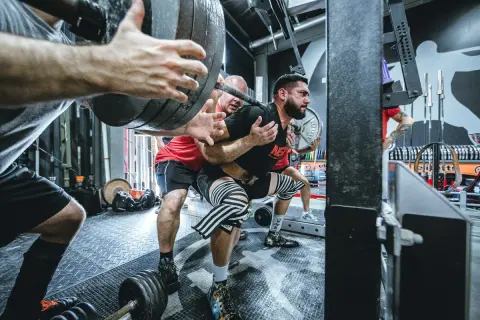
When it comes to abdominal muscles, the same saying often resurfaces:
"Abs are made in the kitchen."
But is this really true, or is there more to this myth than just diet? In this blog, we dissect the truth as clearly as your crunches when you're setting your abs on fire in the calisthenics park.

Why many people believe that abs remain "invisible" in everyday life
You can crank out 300 crunches a day – and still see nothing. Why?
Because abs are like diamonds: They are there, but they only sparkle when you remove the dirt (body fat) around them. Visible abs are created through a combination of:
- Reducing body fat percentage
- Targeted abdominal and core training
- Hormonal balance, sleep, and stress management
- General strength training that burns calories
In short: No kitchen, no six-pack. But also no six-pack without training.
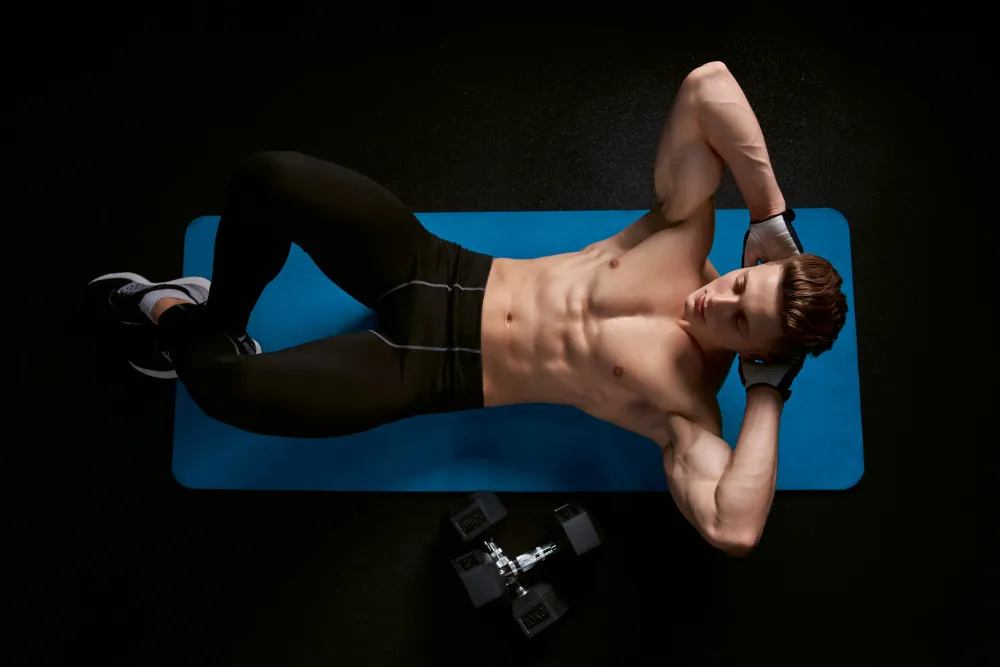
Nutrition: The 60–70% foundation of your six-pack
Many studies show: Body fat percentage determines whether you can see a six-pack – not whether you do abdominal exercises.
Why nutrition is so crucial
- Too many calories = the fat over the abs remains.
- Too little protein = muscle builds less effectively.
- Too many processed carbohydrates = blood sugar fluctuations → more hunger.
- Too few micronutrients = hormones and metabolism operate inefficiently.
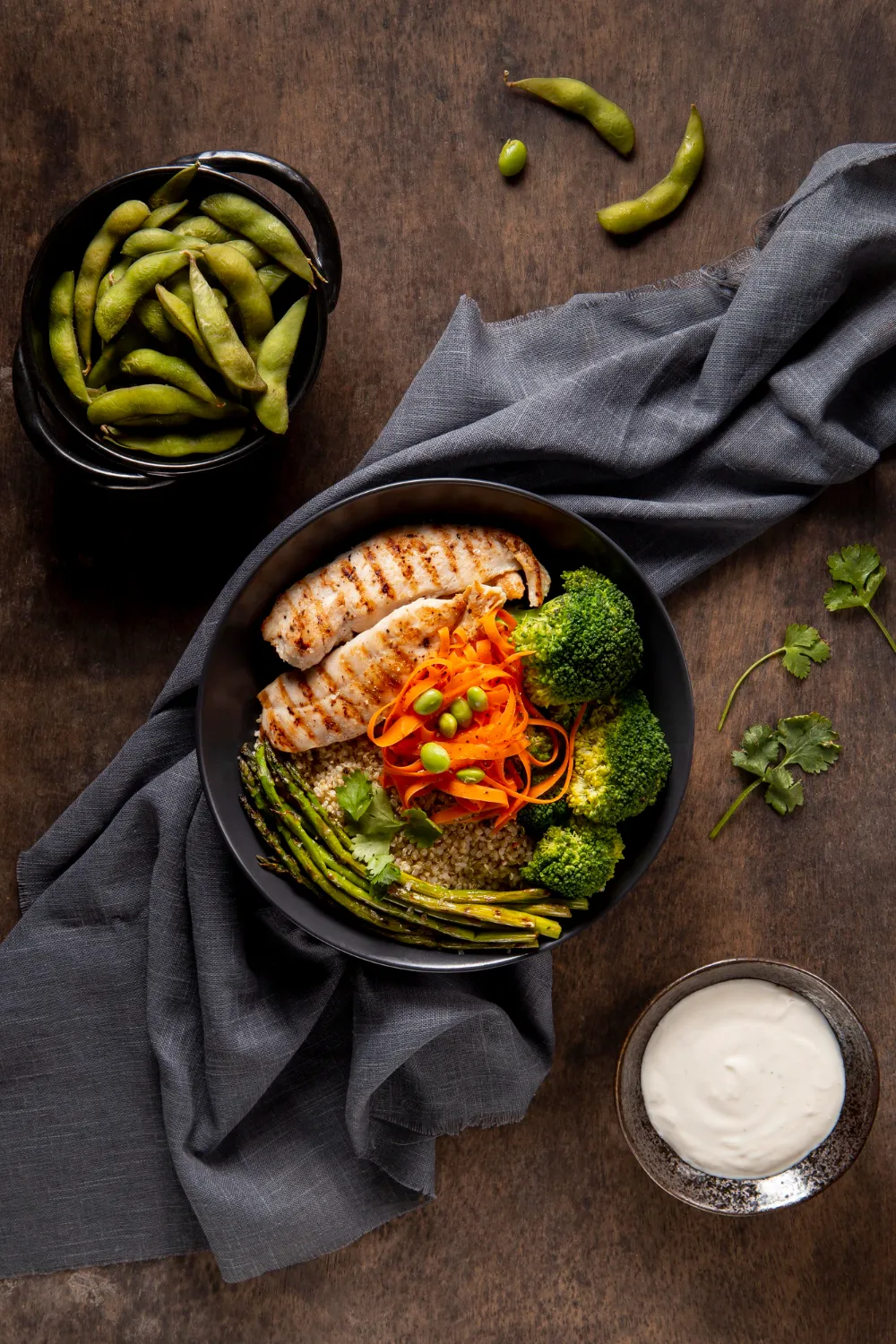
What makes your diet six-pack-friendly
- High protein content: 1.6–2.2 g/kg body weight
- High fiber content: vegetables, oats, berries
- Clean carbohydrates: rice, potatoes, whole grains
- Healthy fats: Omega-3, nuts, avocado
- Low-calorie drinks: water, tea, zero-calorie beverages
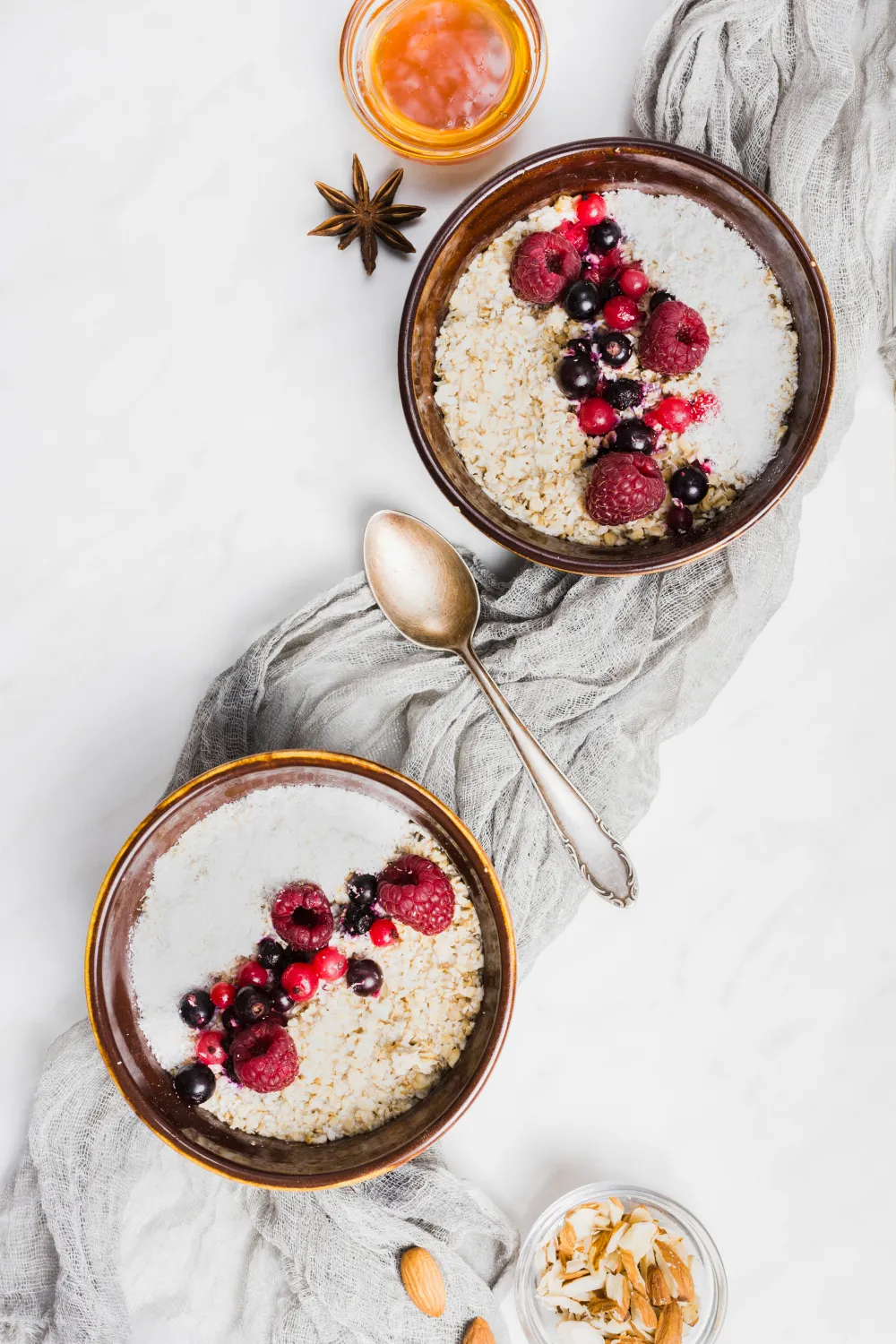
Training: The 30–40% that shapes and stabilizes your abs
Nutrition reveals what lies beneath – training builds it up.
Without training, you might have a flat belly, but not an aesthetic look.
Why ab training is so important
- It shapes the individual muscle strands (rectus abdominis, obliques, transversus).
- It improves posture, stability, and performance in strength training.
- It protects the spine and reduces injury risks.
- It defines the waist – keyword "V-shape."
Best exercises for visible abs
- Hanging Leg Raises – The king of abdominal exercises
- Cable Crunches – Maximum hypertrophy
- Planks & Side Planks – Deep musculature
- Russian Twists – Oblique muscles
- Mountain Climbers – Core + fat burning
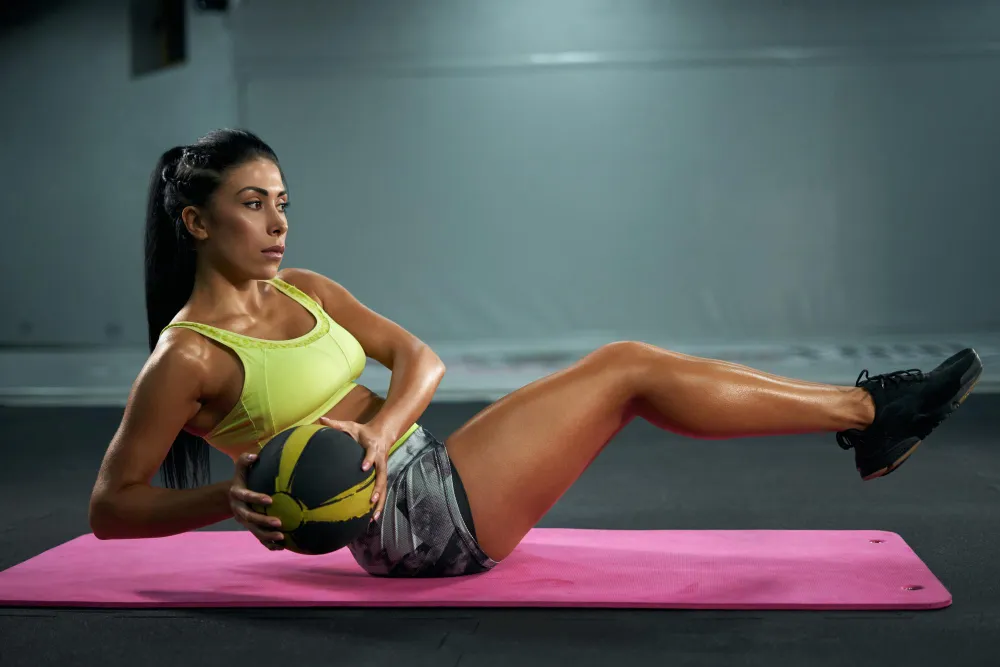
The perfect mix: Nutrition + Training + Lifestyle
A six-pack is not a 2-week project – it's a lifestyle.
To make it clear how these factors work together, here is an overview:
Table: What really contributes to visible abs
| Factor | Significance | Description |
|---|---|---|
| Nutrition (60–70%) | Very high | Body fat reduction, blood sugar control, protein intake |
| Strength training (20%) | Medium–high | Increases basal metabolism, builds mass → more calorie consumption |
| Targeted ab training (10–20%) | Medium | Shapes the visible segments of the six-pack |
| Sleep (7–9 h) | High | Hormonal balance (testosterone, cortisol), recovery |
| Stress management | Medium | Less cortisol → less belly fat |
| NEAT (daily steps) | Medium | Greatly increases daily calorie expenditure |

Myth vs. Truth
- ❌ Myth: You get a six-pack only by doing crunches.
- ❌ Myth: You need special abdominal machines.
- ❌ Myth: Ab training burns belly fat.
- ✅ Truth: You achieve a six-pack through a caloric surplus or deficit + targeted training.
- ✅ Truth: Fat burning cannot be localized.
- ✅ Truth: Your six-pack is created at home in the kitchen – but shaped in the gym.

Conclusion: A six-pack is achieved everywhere – but only if you combine everything
Visible abdominal muscles are not a coincidence, not an excuse of genetics, and not just a kitchen myth.
They are created through a combination of nutrition, training, and lifestyle.
- The kitchen sets the foundation by reducing body fat percentage.
- Training builds the muscles that will later become visible.
- The lifestyle (sleep, stress, steps) determines how efficiently you make progress.
If you take all three areas seriously, the six-pack doesn't come "maybe" –
it comes automatically.