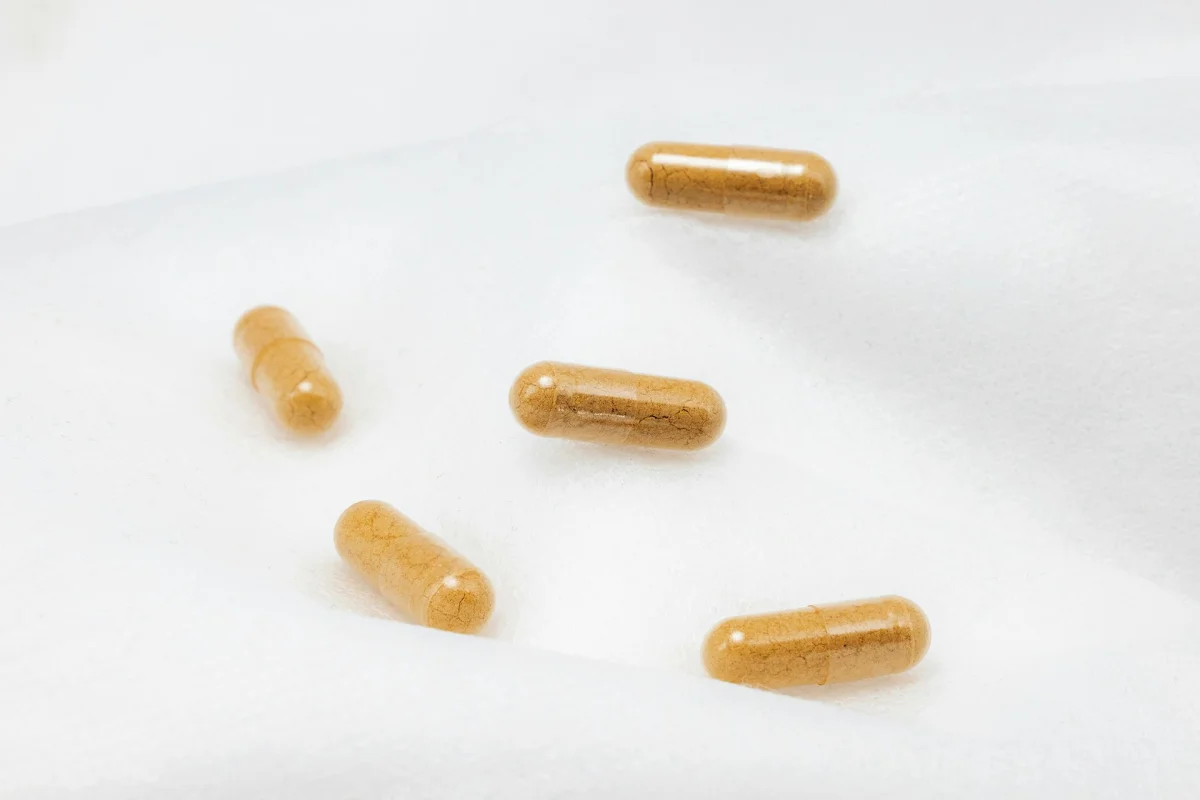
Probiotics are live microorganisms that offer health benefits when consumed in adequate amounts. They are found in fermented foods and dietary supplements and play a crucial role in gut health, the immune system, and even mental well-being. In recent years, research has increasingly investigated the multitude of positive effects of probiotics, demonstrating that they not only promote digestion but also exert anti-inflammatory effects and enhance overall well-being.
What are Probiotics?
Probiotics are beneficial bacteria and yeasts that naturally occur in the human gut. They help maintain the balance of gut flora and keep harmful microorganisms in check. A healthy gut flora contributes to optimal nutrient absorption and supports many physiological processes in the body. Common probiotic strains include:
- Lactobacillus: Promotes the digestion of lactose and helps with diarrhea. This strain is often found in fermented dairy products such as yogurt and kefir.
- Bifidobacterium: Supports the immune system and reduces intestinal inflammation. It also plays a role in the production of short-chain fatty acids, which are essential for gut health.
- Saccharomyces boulardii: A probiotic yeast that can combat diarrheal diseases and is especially used in the treatment of antibiotic-associated diarrhea.
Scientific Benefits of Probiotics
1. Gut Health
Studies indicate that probiotics can improve the balance of gut flora and strengthen the gut barrier. A meta-analysis (2016) found that probiotic bacteria can inhibit the growth of pathogenic microbes and regulate gut motility. A healthy gut contributes not only to digestion but also to the production of important vitamins such as vitamin B12 and vitamin K.
2. Immune System
Probiotics interact with the immune system by stimulating the production of antibodies. A 2020 study showed that regular probiotic intake can reduce the incidence of colds and infections. Additionally, they enhance gut barrier function, preventing the infiltration of harmful bacteria.
3. Mental Health
The gut-brain axis connects the gut with the central nervous system. Studies suggest that certain probiotics can alleviate anxiety and depression. A systematic review (2019) found that probiotic supplementation reduces cortisol levels and stress. By producing neurotransmitters like serotonin, which is largely generated in the gut, probiotics can play a significant role in mental health.
4. Weight Management
Probiotics can influence digestion and stimulate metabolism. A 2018 study indicated that individuals with a healthy gut flora store less fat and experience improved satiety. Certain probiotic strains like Lactobacillus gasseri have been associated with a reduction in body fat percentage.
5. Skin Health
There is evidence suggesting that probiotics may improve skin conditions such as acne and eczema. A study (2021) found that Lactobacillus species can reduce inflammatory responses in the skin. The positive effects on the skin might be related to the overall anti-inflammatory properties of probiotics.
6. Cardiovascular Health
Probiotics may also play a role in heart health. Some studies show that they can help lower cholesterol levels by reducing cholesterol absorption in the gut. Additionally, they may lead to a slight decrease in blood pressure, which reduces the risk of cardiovascular diseases.

Food Sources of Probiotics
| Food | Contained Probiotics | Health Benefits |
|---|---|---|
| Yogurt | Lactobacillus, Bifidobacterium | Promotes digestion |
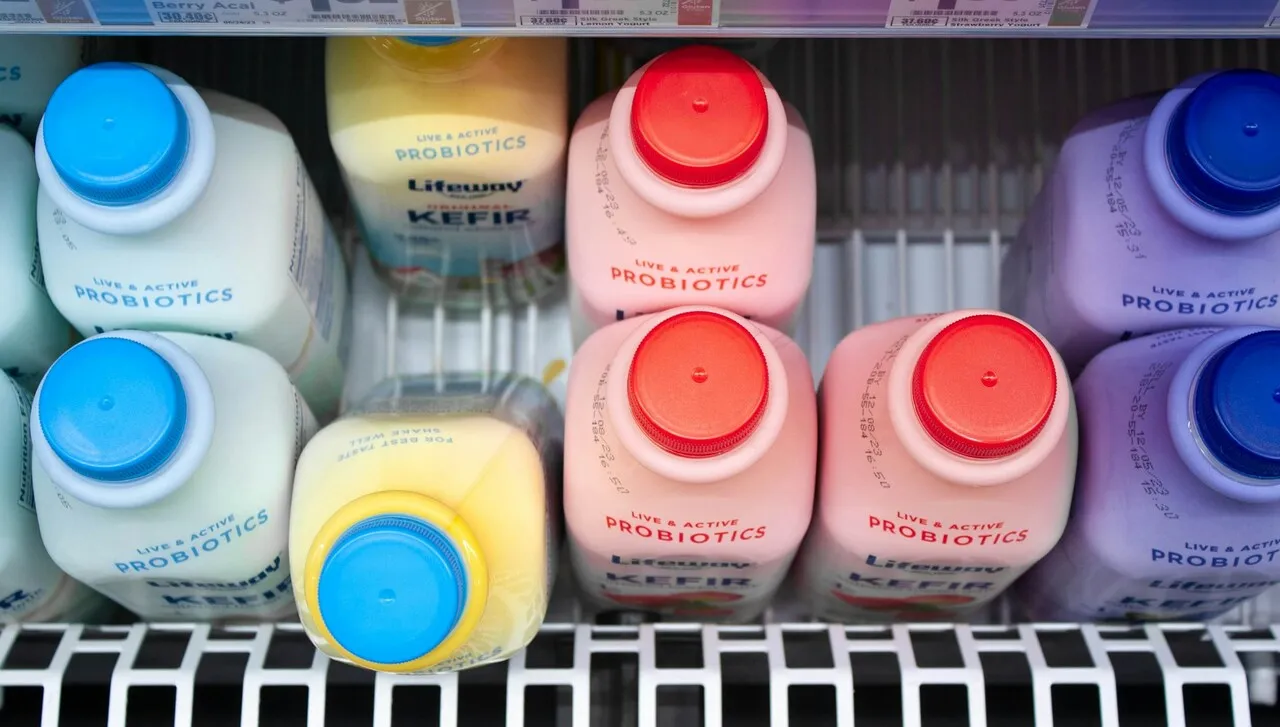
| Kefir | Various lactic acid bacteria | Supports the immune system |
| Sauerkraut | Lactic acid bacteria | Reduces inflammation |
| Kimchi | Lactobacilli | Supports gut flora |
| Miso | Bacillus subtilis | Promotes gut health |
| Kombucha | Yeasts and bacteria | Improves digestion |
| Tempeh | Probiotic cultures | Good plant-based protein source |

How to Utilize Probiotics Effectively
To reap the full benefits of probiotics, it is essential to regularly consume probiotic-rich foods or strategically use supplements. Several factors influence their effectiveness:
- Dosage: A daily intake of at least one billion colony-forming units (CFU) is recommended.
- Variety: Different strains offer varying benefits. A diverse diet including various probiotic foods is ideal.
- Prebiotics: These are indigestible fibers that serve as food for probiotics and can be found in foods like onions, garlic, and bananas.

Conclusion
Probiotics are a valuable addition to health, particularly for the gut, the immune system, and mental state. Scientific studies substantiate their positive effects, especially regarding digestive issues and mental health. By consuming fermented foods or probiotic supplements, one can benefit from these microorganisms. Moreover, there is an increasing body of evidence indicating that probiotics may also play an essential role in other areas of health, such as cardiovascular health and skin health.