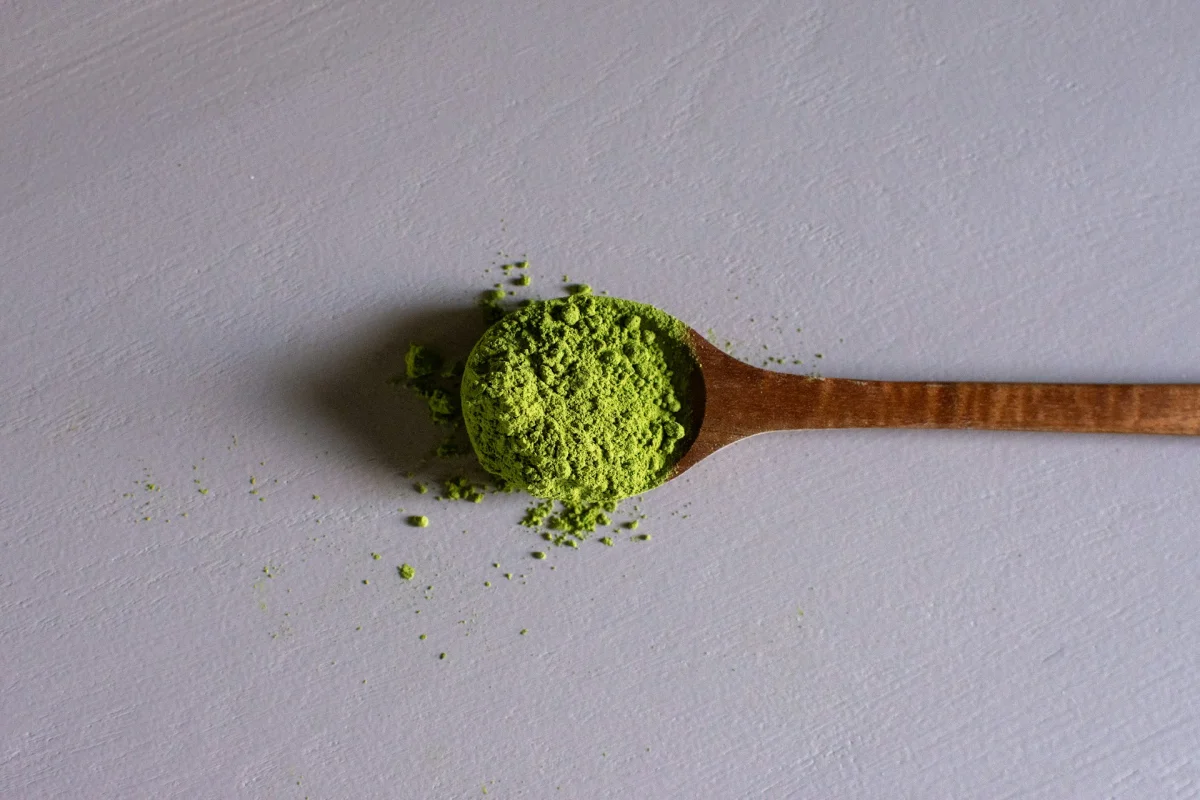
Matcha is far more than just a trendy drink from social media or hip cafés. The vibrant green powder has a centuries-old tradition and is today considered a genuine superfood. But what really lies behind it? Is Matcha merely a superior green tea – or is it truly a health booster for body and mind?
What is Matcha actually?
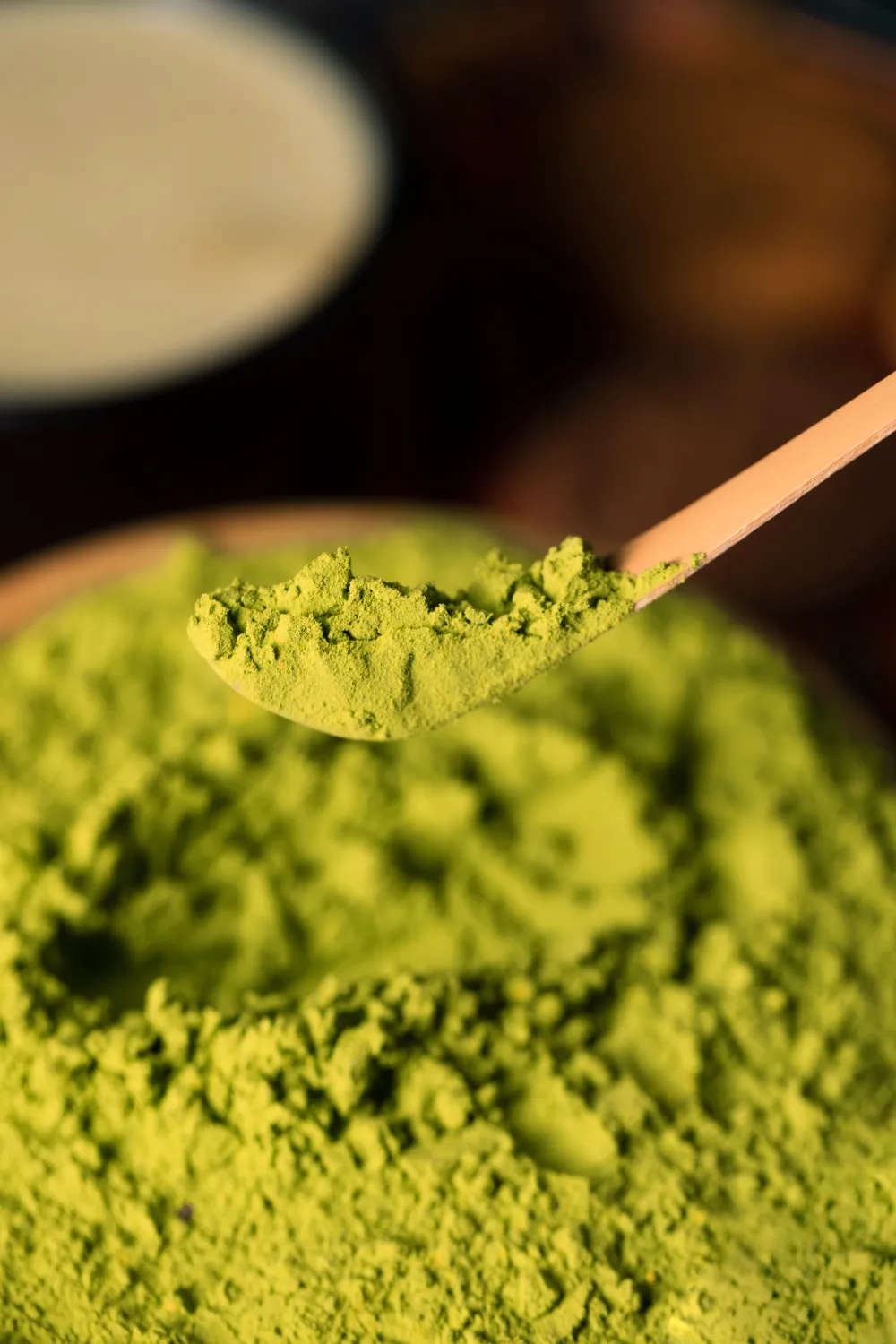
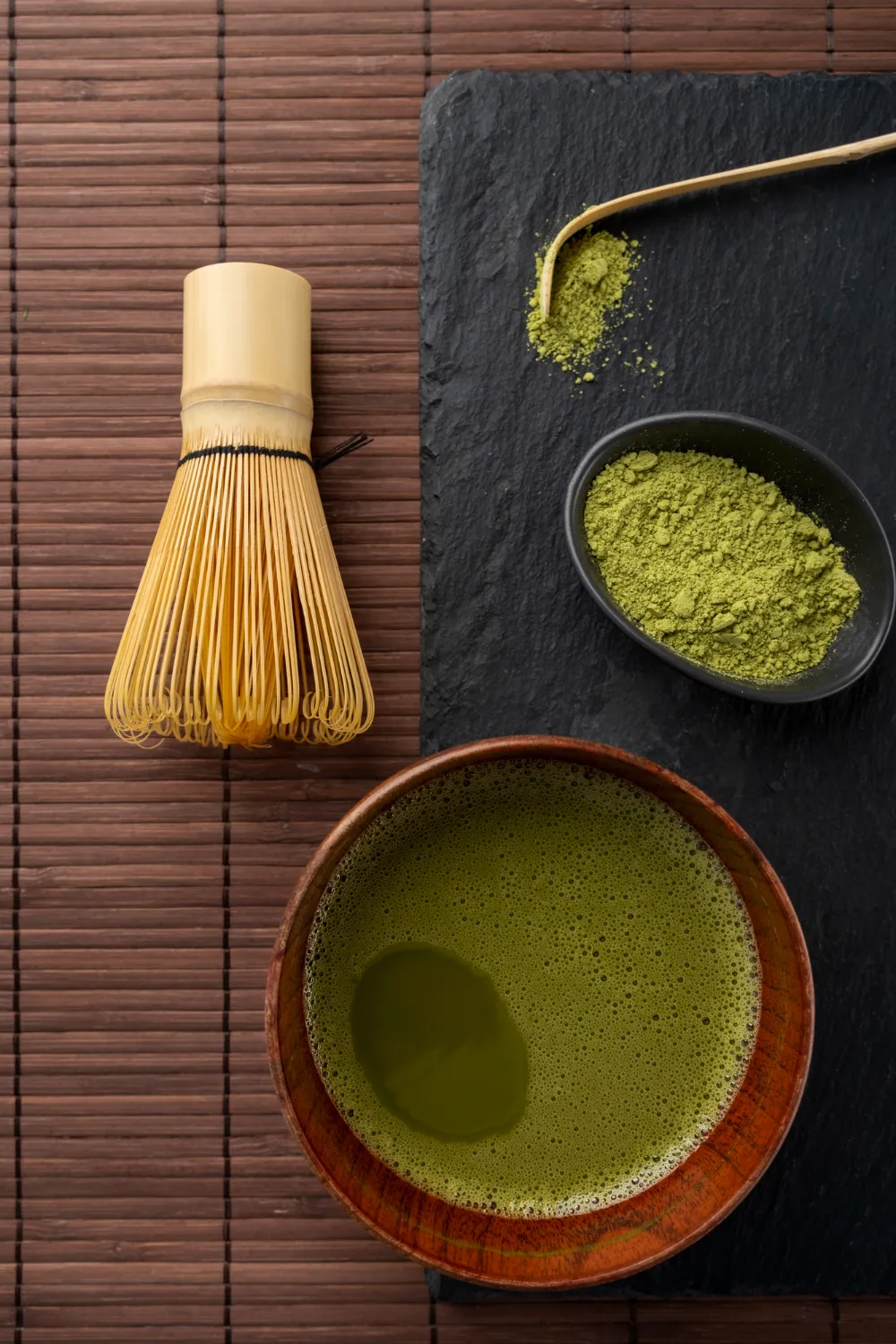
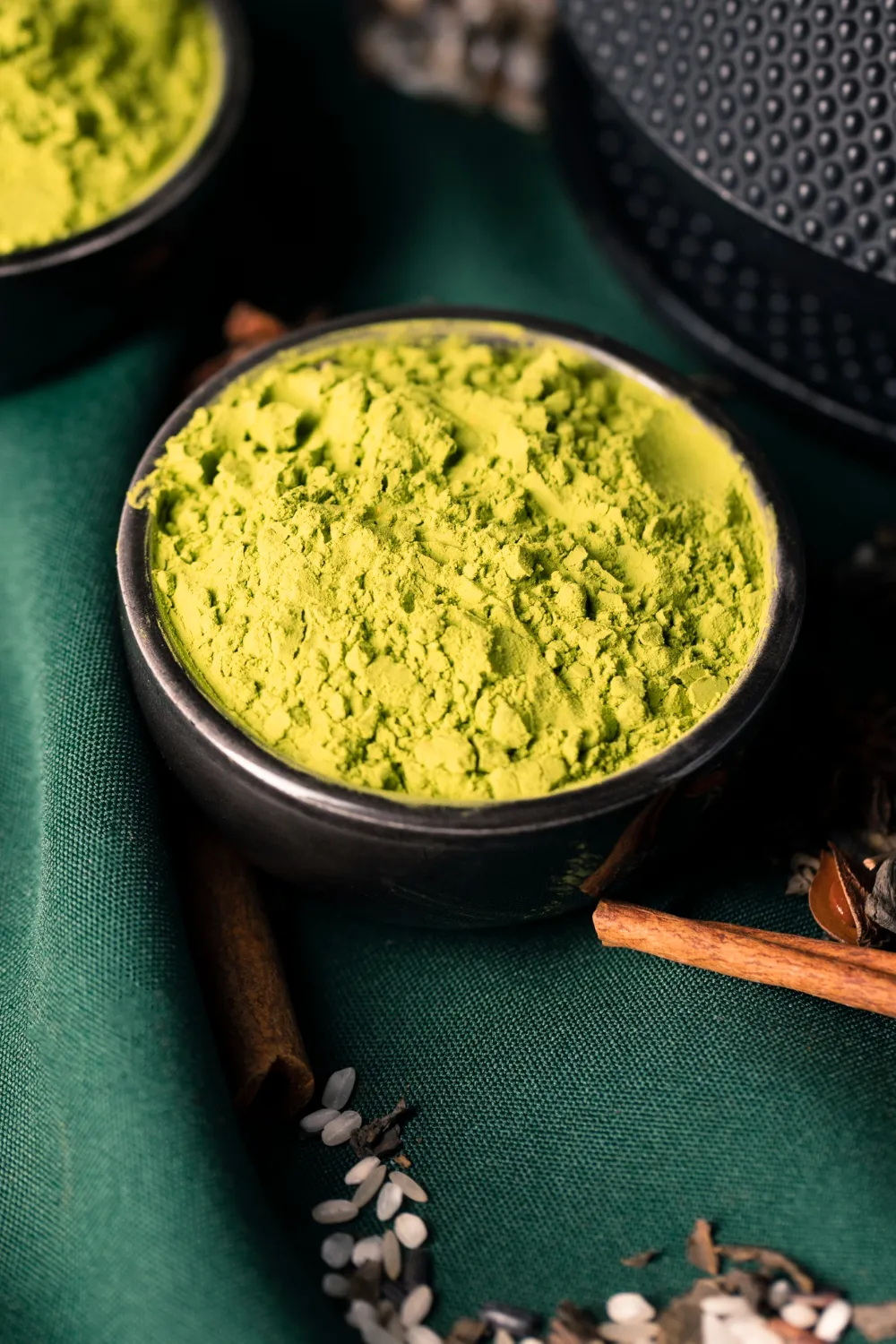
Matcha is a finely ground green tea that originally hails from Japan. Unlike regular green tea, with Matcha, the whole tea leaf is consumed – not just the infusion. This is precisely what accounts for its unique nutrient content.
The tea plants are shaded about 3-4 weeks prior to harvest. This encourages higher production of chlorophyll and amino acids, particularly L-theanine. After harvesting, the leaves are dried, stripped of stems and veins, and then milled into a fine powder.
Why is Matcha so valuable for health?
Rich in Antioxidants
Matcha contains an exceptionally high level of catechins, especially EGCG (epigallocatechin gallate). These antioxidants help to:
- neutralize free radicals
- reduce cellular damage
- slow down aging processes
Compared to standard green tea, Matcha can provide up to 10 times more antioxidants.
Matcha and Energy – Alert but Relaxed
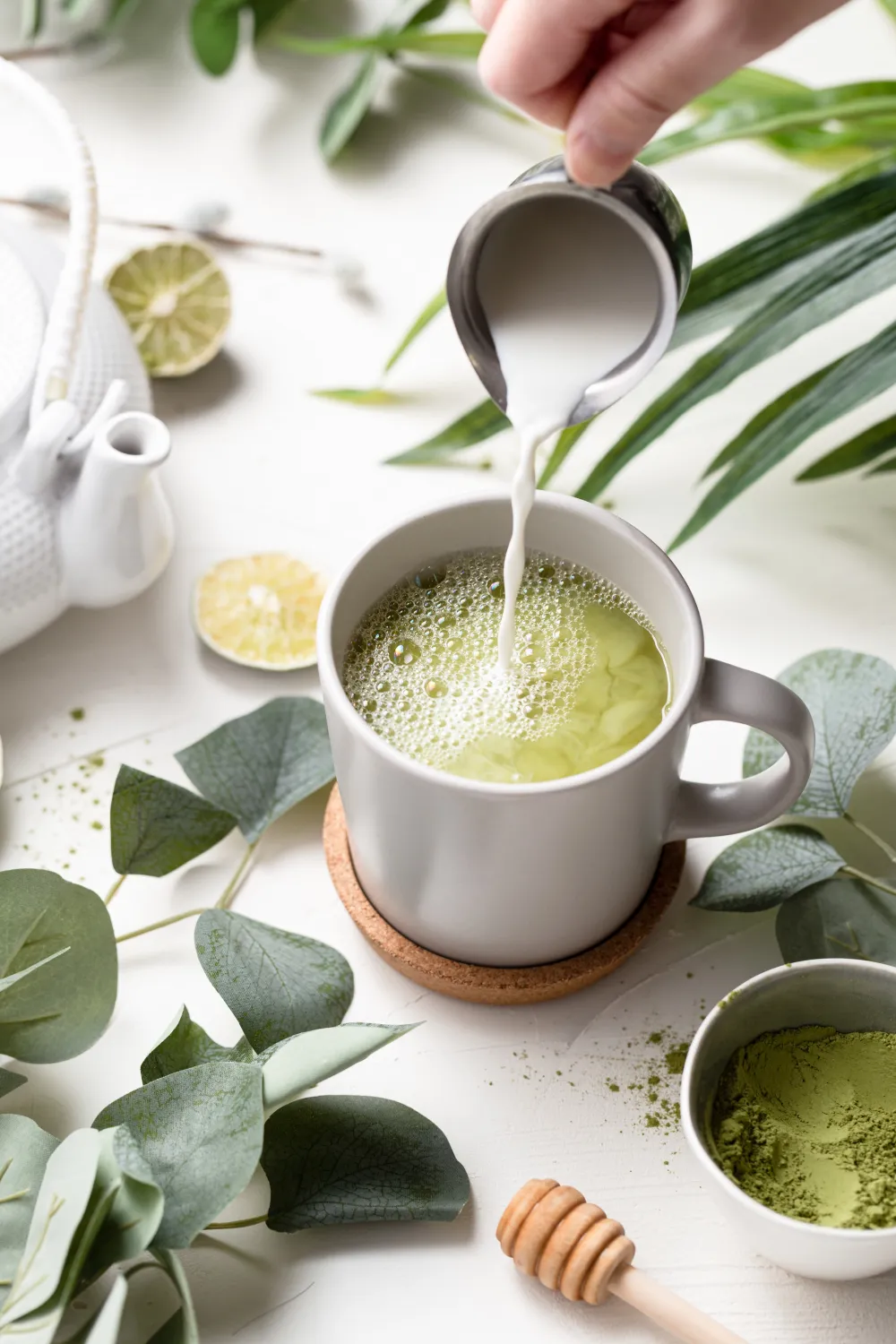
Matcha contains caffeine, but it works differently than that in coffee:
- slower onset of action
- no sudden "crash"
- steady energy for several hours
The reason for this is the combination of caffeine and L-theanine. L-theanine enhances concentration, has a calming effect on the nervous system, and can reduce stress – without causing drowsiness.
➡️ Result: focused alertness instead of nervousness
Impact on Metabolism and Fat Burning
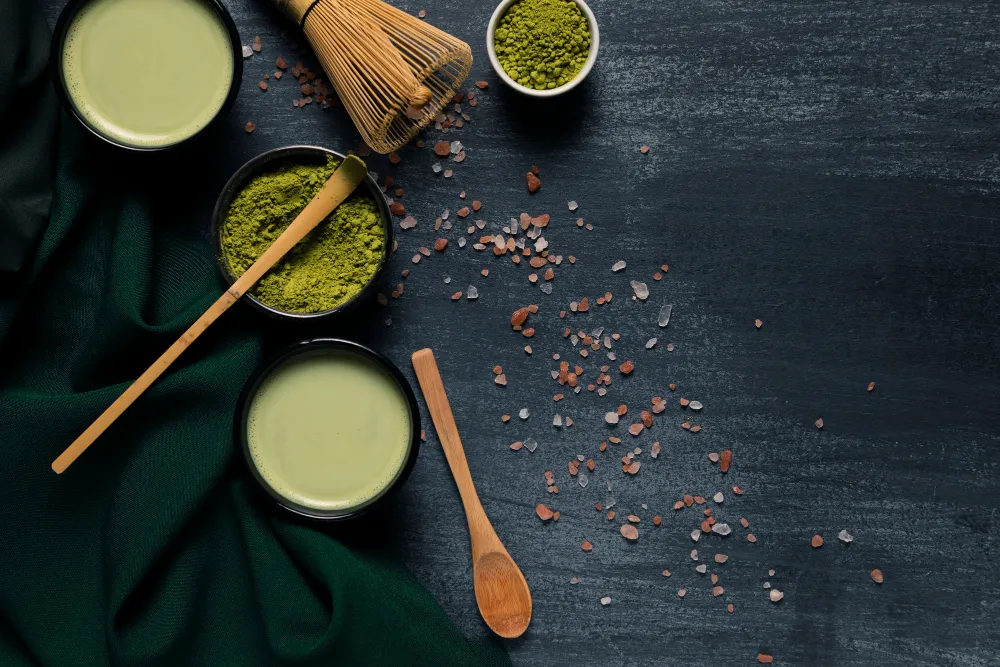
Matcha is often associated with weight loss and fat burning – and not without reason:
- can slightly increase basal metabolic rate
- supports fat burning during exercise
- can reduce cravings
Especially in combination with exercise or intermittent fasting, Matcha can be a beneficial companion.

Matcha and Cardiovascular Health
Regular consumption of green tea or Matcha is associated with the following effects:
- reduction of LDL cholesterol
- support of healthy blood pressure
- protection of blood vessels through antioxidants
This makes Matcha interesting for anyone wishing to focus on their heart health in the long term.

Matcha for Brain and Mental Performance
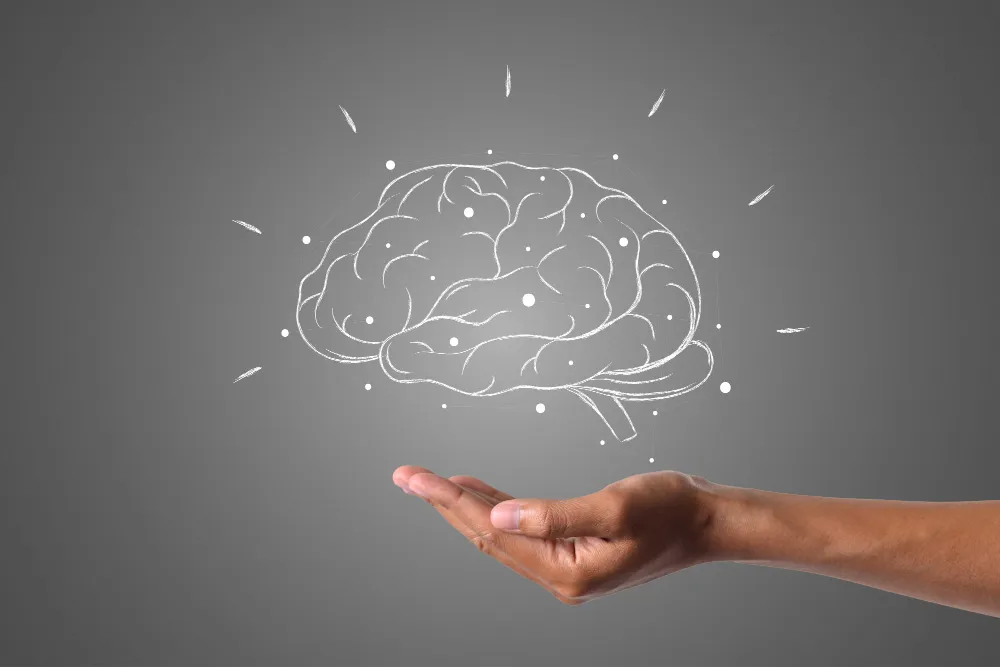
Thanks to L-theanine and antioxidants, Matcha can:
- improve concentration ability
- support memory
- promote mental clarity
Not for nothing was Matcha once used by Zen monks to stay awake and focused during long meditations.
Is Matcha Suitable for Everyone?
Fundamentally yes – but in moderation:
- Individuals sensitive to caffeine should start slowly
- 1-2 portions per day are entirely sufficient
- Quality is crucial (organic, from Japan, vibrant green)
Cheaper Matcha can taste bitter and contain significantly less active substances.
Conclusion: Is Matcha Really Worth It?
Matcha is not a miracle cure – but a premium natural product with impressive health benefits. It combines energy, focus, and antioxidant protection in a unique form.
Those who don't react well to coffee, wish to support their metabolism, or simply want to enjoy more mindfully will find Matcha to be an excellent alternative.