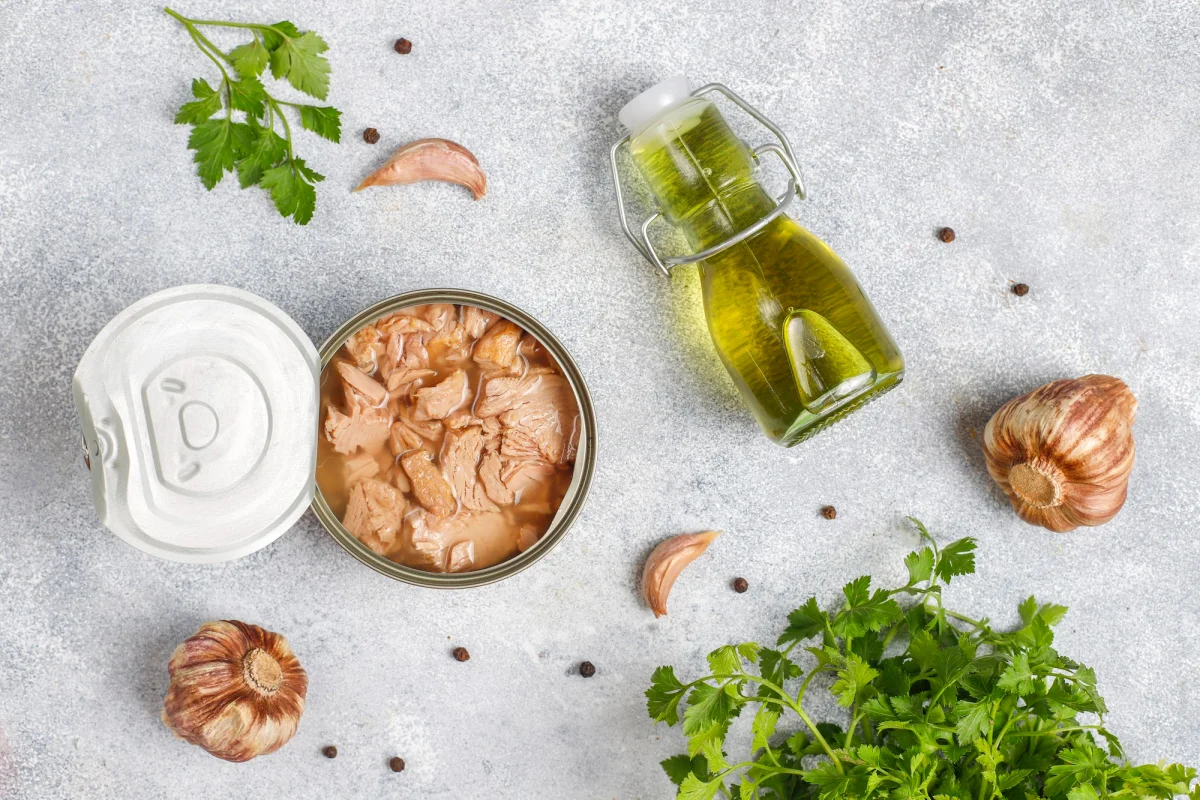
Canned fish suffers from an image problem: for some, it’s an affordable source of protein in a hectic lifestyle; for others, it’s a heavily processed emergency product. But what is the truth? Is tuna, sardine, or mackerel from a can a health booster – or just a compromise? This blog takes a closer look at nutritional values, omega-3 fatty acids, contaminants, salt content, and comparisons to fresh fish.

Why Fish is Generally Considered Healthy
Fish is among the few foods that bring together multiple nutritional advantages. It provides high-quality protein, essential fatty acids, and a range of important micronutrients.
Particularly relevant are:
- Omega-3 fatty acids (EPA & DHA) supporting the heart, brain, and inflammation regulation
- High-quality protein with good bioavailability
- Vitamin D (especially in fatty fish types)
- Iodine, selenium, and vitamin B12
The big question is: Do these benefits remain intact in the can?

What Happens During the Fish Preservation Process?
Canned fish is typically preserved through heating (sterilization). It is hermetically sealed and can be stored for several years.
The good news: Protein remains almost completely intact. Omega-3 fatty acids are relatively heat-stable as well. Some vitamins, notably vitamin D and certain B vitamins, are more sensitive and may experience moderate losses.
Compared to fresh fish, the nutritional value is slightly reduced, but by no means “worthless.”
Omega-3 in a Can – Myth or Reality?
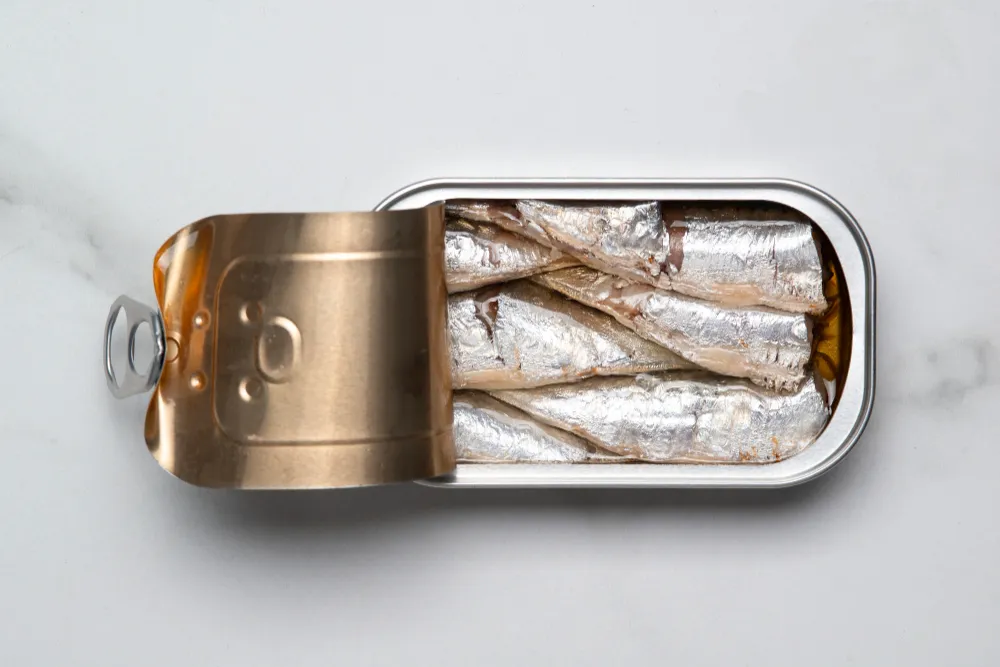
Canned sardines, herrings, and mackerels offer surprisingly high amounts of EPA and DHA. Tuna contains slightly less in comparison but scores with a high protein content.
The liquid in which they are packed is also crucial:
- In oil: Higher calories, but better absorption of fat-soluble vitamins
- In water or own juice: Lower in calories, ideal for diets
Table: Nutritional Comparison (per 100 g, Average Values)
| Type of Fish (Can) | Calories | Protein | Fat | Omega-3 | Salt |
|---|---|---|---|---|---|
| Tuna (Water) | approx. 120 kcal | 26 g | 1 g | low–medium | medium |
| Sardines (Oil) | approx. 200 kcal | 24 g | 11 g | high | medium–high |
| Mackerel | approx. 230 kcal | 22 g | 15 g | very high | medium |
| Salmon | approx. 180 kcal | 20 g | 12 g | high | medium |
Values vary depending on manufacturer and preparation.

Heavy Metals and Contaminants – A Legitimate Concern?
A frequent criticism of canned tuna is its mercury content. Large predatory fish accumulate more heavy metals through the food chain.
Rules of thumb:
- Tuna: Consume in moderation (1–2 servings per week)
- Sardines, herring, mackerel: Smaller fish, significantly less contamination
For healthy adults, moderate consumption is generally unproblematic.
Salt Content – The Major Drawback
Many canned fish products contain relatively high salt levels, which can be relevant for those with high blood pressure or a diet rich in salt.
Tips:
- Look for “reduced sodium” labels
- Rinse fish before consumption
- Do not rely on canned fish as your sole protein source

Canned Fish vs. Fresh Fish
Fresh fish boasts a higher vitamin content and better taste. In contrast, canned fish offers:
- long shelf life
- easy storage
- consistent nutritional values
- affordable price
In everyday life, canned fish is not a substitute, but a very sensible addition.
Conclusion
Canned fish is far better than its reputation suggests. It provides high-quality protein and – depending on the type – relevant amounts of omega-3 fatty acids. Although it often contains more salt and somewhat fewer vitamins than fresh fish, as a pragmatic solution for daily use, fitness cooking, or diets, it is entirely acceptable. Variety, quality, and the right choice of fish types are key.