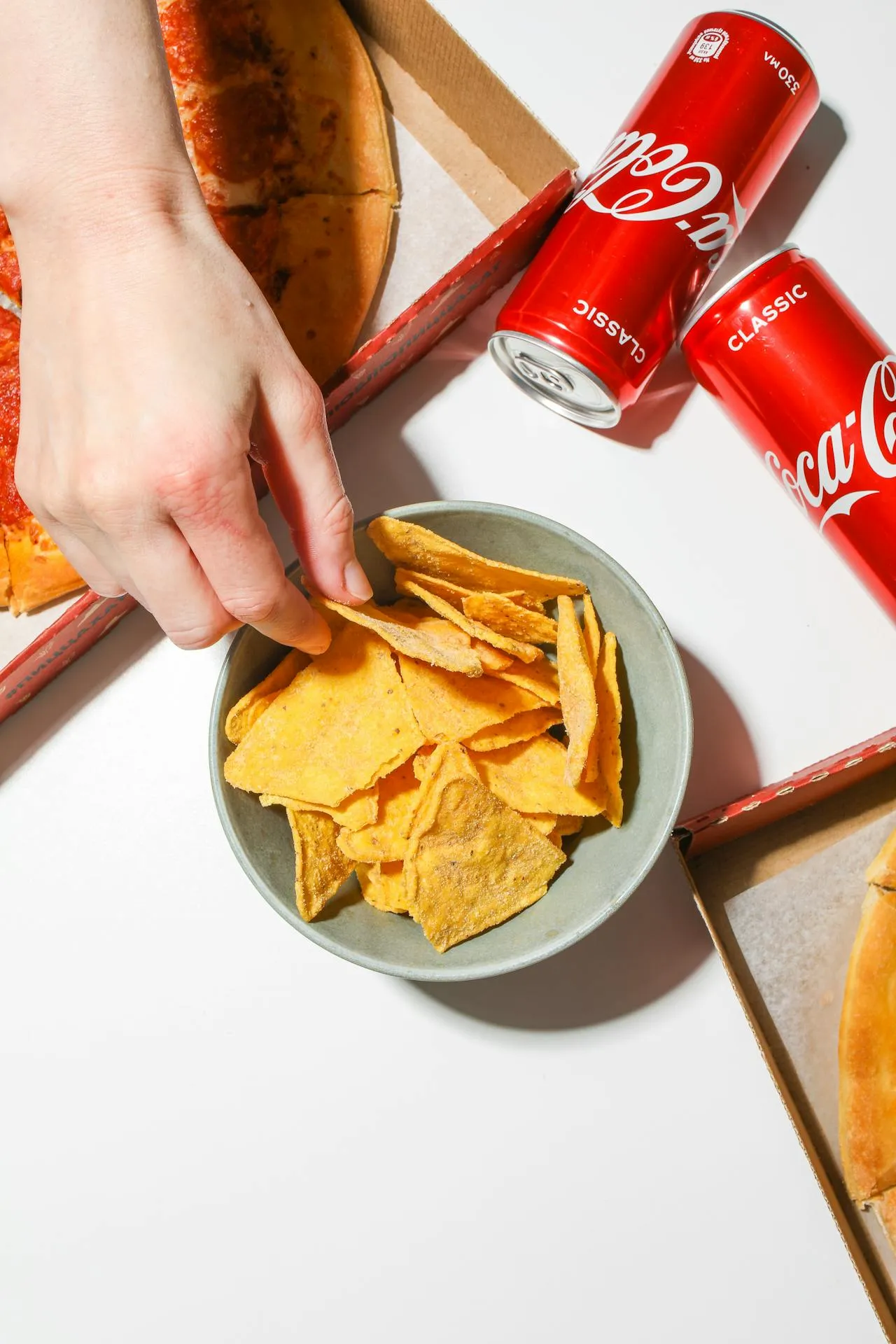
Frozen pizza, breakfast cereals, chips, or cola – they are convenient, tasty, and widely available. But what really lies within highly processed foods, and why are an increasing number of health experts warning against their excessive consumption? This blog provides you with well-founded answers.

What does "highly processed" actually mean?
The modern food industry has made it its mission to make food last as long as possible, ready to eat instantly, and pleasant to taste. The result: highly processed products that often bear little resemblance to their original ingredients.
According to the internationally recognized NOVA classification, which categorizes foods based on their degree of processing, highly processed foods belong to Group 4. They consist of many ingredients, including additives, industrially derived substances, and technically processed ingredients like flavorings, emulsifiers, colorants, or flavor enhancers.
Typical characteristics of highly processed products
To identify highly processed foods, a glance at the packaging is helpful. Look for these characteristics:
- 5 or more ingredients – often difficult to understand
- Additives such as sweeteners, stabilizers, emulsifiers
- Industrially made components: corn syrup, hydrogenated fats, modified starch
- Ready-to-eat or instantly consumable
- Intense flavor that encourages "more eating"
- Advertising with health-related claims, even though the ingredients suggest otherwise

Examples of highly processed foods
| Category | Examples |
|---|---|
| Snacks | Chips, crackers, chocolate bars, granola bars |
| Beverages | Soft drinks, energy drinks, flavored milk drinks |
| Ready meals | Frozen pizza, microwave meals, instant noodles |
| Breakfast products | Sweetened cornflakes, ready-made mueslis, flavored yogurt products |
| Meat products | Chicken nuggets, sausages, formed meat products |
| Spreads & baked goods | Margarine, packaged cakes, croissants, packaged white bread |

Why they are so popular
- Time-saving: No cooking required
- Consistent in taste: Always ``good``
- Aggressive marketing: Targeted specifically at children and adolescents
- Addictive eating behavior: Resulting from a combination of fat, sugar, salt, and flavors
Yet these advantages disguise the health risks involved.
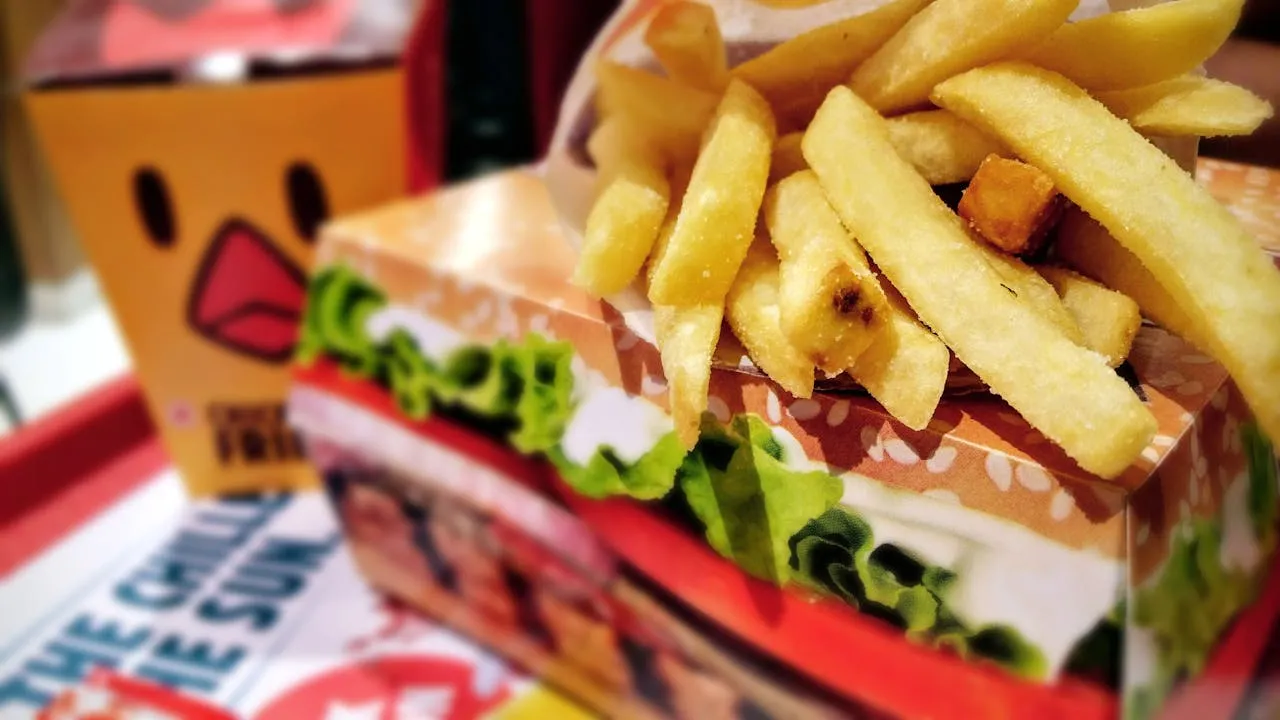
Scientific warning signs: What highly processed food does to your body
Damage to gut flora
Studies show that emulsifiers and artificial sweeteners can alter the composition of the microbiome. A modified gut flora is associated with:
- Inflammatory bowel diseases
- Weakened immune system
- Psychological issues (e.g., depression)
Increased risk of obesity and type 2 diabetes
A meta-analysis from 2022 shows that individuals who regularly consume highly processed products have a significantly higher risk of:
- Obesity
- Insulin resistance
- Type 2 diabetes
Reasons: High energy density, low satiety, blood sugar spikes from fast carbohydrates.

Cardiovascular diseases
According to a study in The BMJ from France (2019), the risk of cardiovascular diseases increases with every additional percentage of highly processed foods in the diet. Responsible are:
- Trans fats
- Salt overdose
- Hidden sugars
These substances promote high blood pressure, poor lipid values, and arterial calcification.

Cancer risk
The International Agency for Research on Cancer (IARC) classifies processed meat like sausages or ham as carcinogenic (Group 1). The connection to colon cancer is particularly well documented.
Additionally, it is known that high-temperature cooking generates acrylamide, a potentially carcinogenic substance found in chips, fries, and cookies.
And what about cheese, bread, & co.?
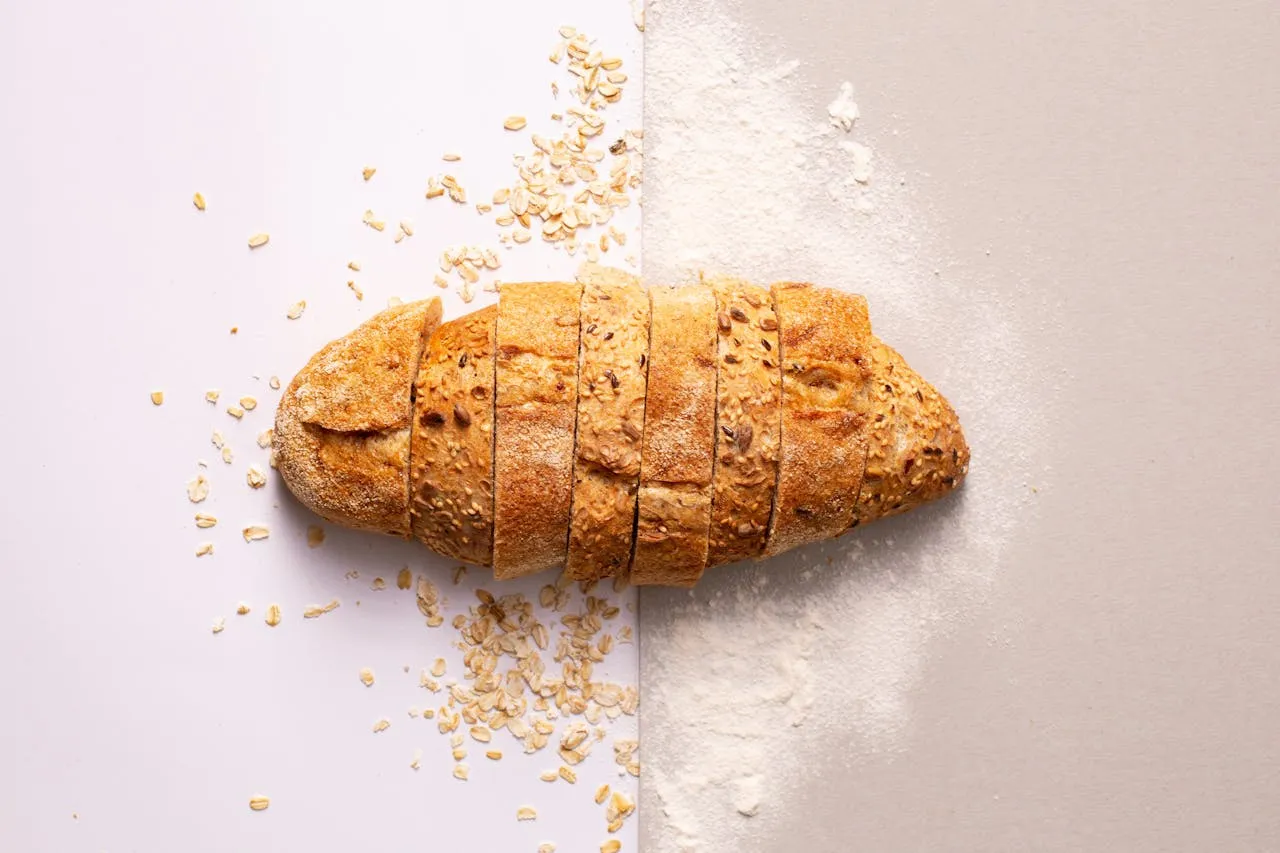
Not every processed food is automatically bad. There are significant differences between minimal and high processing. Bread with few ingredients, cheese made from milk, salt, and rennet, or simple canned goods are categorized as moderately processed foods (Group 3) according to NOVA. They can certainly be part of a healthy diet – especially if you prioritize quality.
Recommendations for your daily life
Here are practical tips on how to avoid highly processed foods:
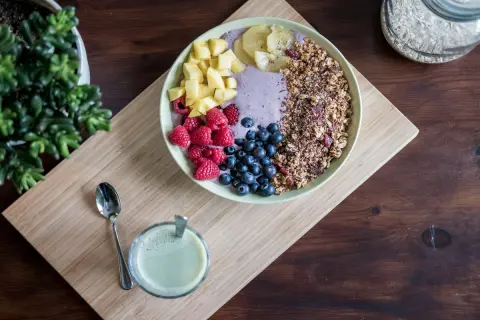
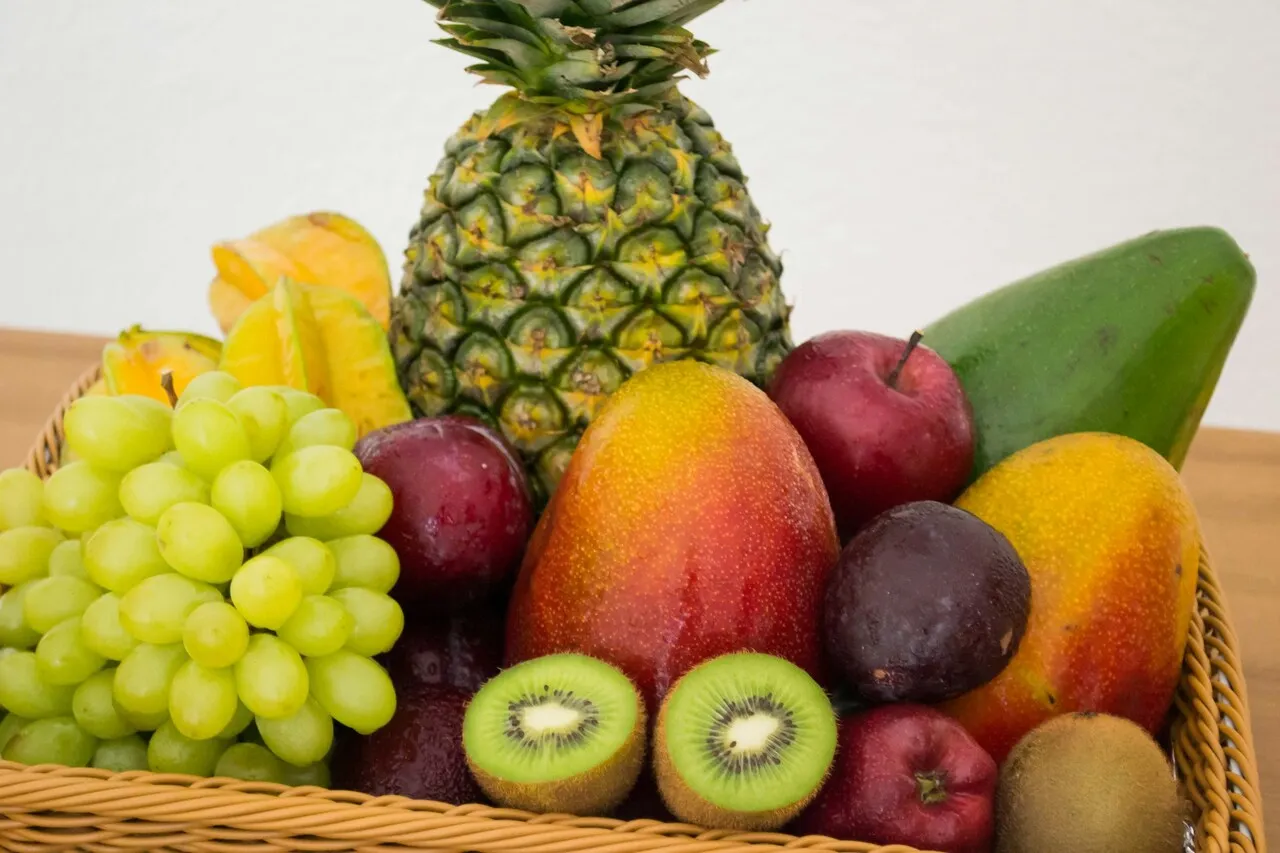
- Less packaging = better: Fresh fruit, vegetables, legumes, fish, and eggs do not require colorful labels.
- Check the ingredient list: The longer and less comprehensible, the worse.
Cook for yourself: You have control over all the ingredients.
Drink water instead of soft drinks – your body will thank you.
- Rethink snacks: Nuts, fruit, or plain yogurt are better alternatives.
Conclusion
Highly processed foods are convenient – but risky. They contain numerous artificial additives, deliver high energy with little nutritional value, and contribute to serious health problems: from disrupted gut flora to obesity, cardiovascular diseases, and cancer.
You do not have to completely ban them from your life – but mindful consumption is key. Those who focus on natural foods, unprocessed ingredients, and home-cooked meals will live healthier in the long run.