Dietary fibers are among the underestimated nutrients in sports nutrition. While proteins, carbohydrates, and fats are in the spotlight, it is often forgotten that fibers play a crucial role in digestion, satiety, energy management, and even recovery.
What Are Dietary Fibers?
Dietary fibers are predominantly indigestible components of plant foods. They pass through the small intestine almost undigested and reach the large intestine where they exert various positive effects. Two main types are distinguished:
- Soluble Fibers: They absorb water, swell, and slow down digestion. This stabilizes blood sugar levels and supports satiety.
- Insoluble Fibers: They increase stool volume, accelerate gastrointestinal transit time, and promote healthy digestion.
Importance for Athletes
Athletes in particular benefit from a diet rich in fibers:
- Optimized Digestion: A healthy gut signifies better nutrient absorption – crucial for muscle growth and performance.
- Stable Energy Supply: Fibers prevent large fluctuations in blood sugar and ensure steady energy levels.
- Satiety and Weight Management: Ideal for dieting phases as they keep you fuller for longer and curb cravings.
- Recovery and Anti-inflammatory Properties: Scientific studies demonstrate that fibers have anti-inflammatory effects and can accelerate post-exercise recovery.

Overview of Fiber-rich Foods
| Food | Fiber Content per 100 g | Particular Benefit for Athletes |
|---|---|---|
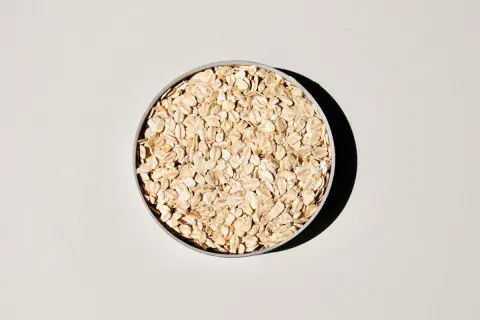
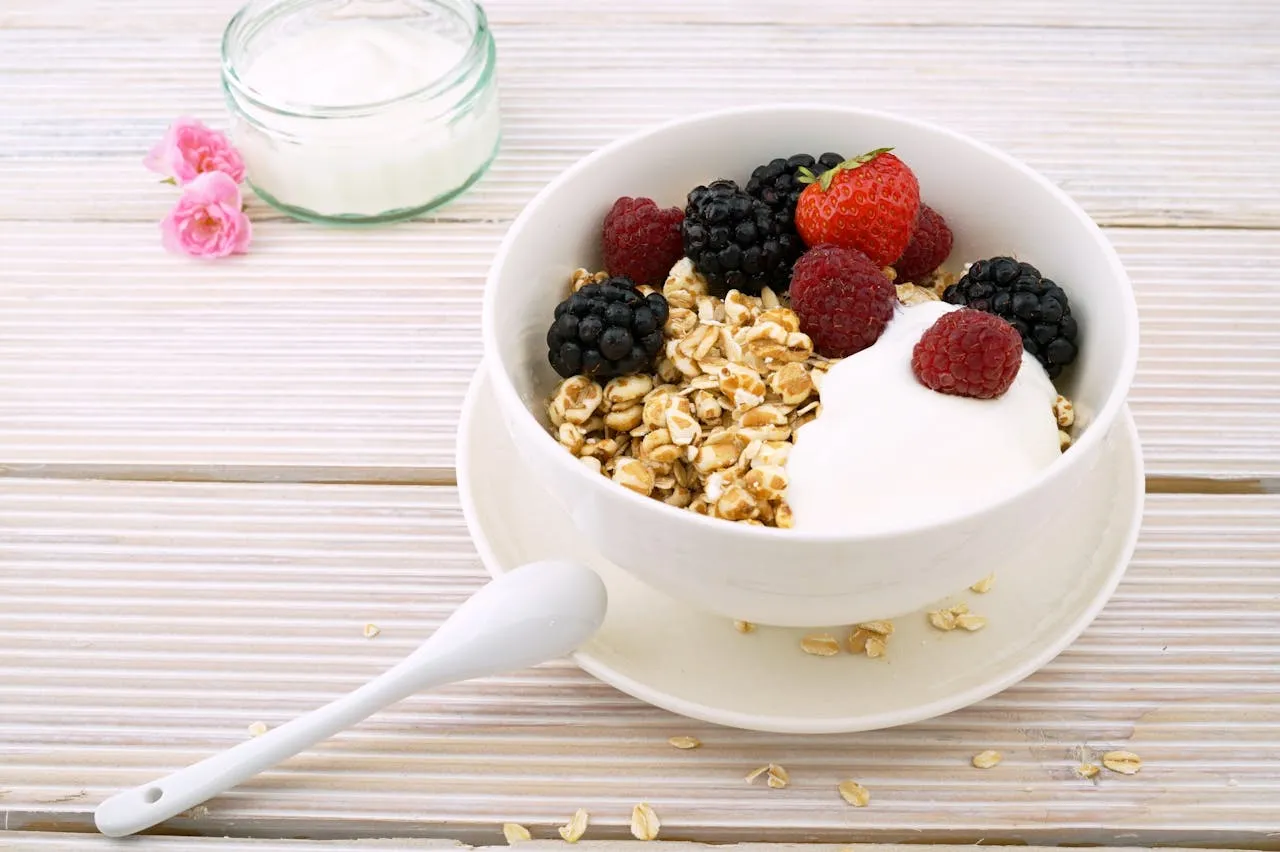
| Oatmeal | about 10 g | Provides beta-glucan, stabilizes blood sugar levels |
| Whole Grain Bread | about 7 g | Good source of energy, keeps you full longer |
| Lentils | about 11 g | Combination of fibers and protein |
| Chia Seeds | about 34 g | Extremely high in fiber, ideal for breakfast |
| Apples | about 2 g | Easily available, contains pectin for gut health |
| Broccoli | about 3 g | Rich in nutrients, supports gut health |
| Chickpeas | about 7 g | Perfect for bowls, rich in protein and fiber |

How Much Fiber Do You Need?
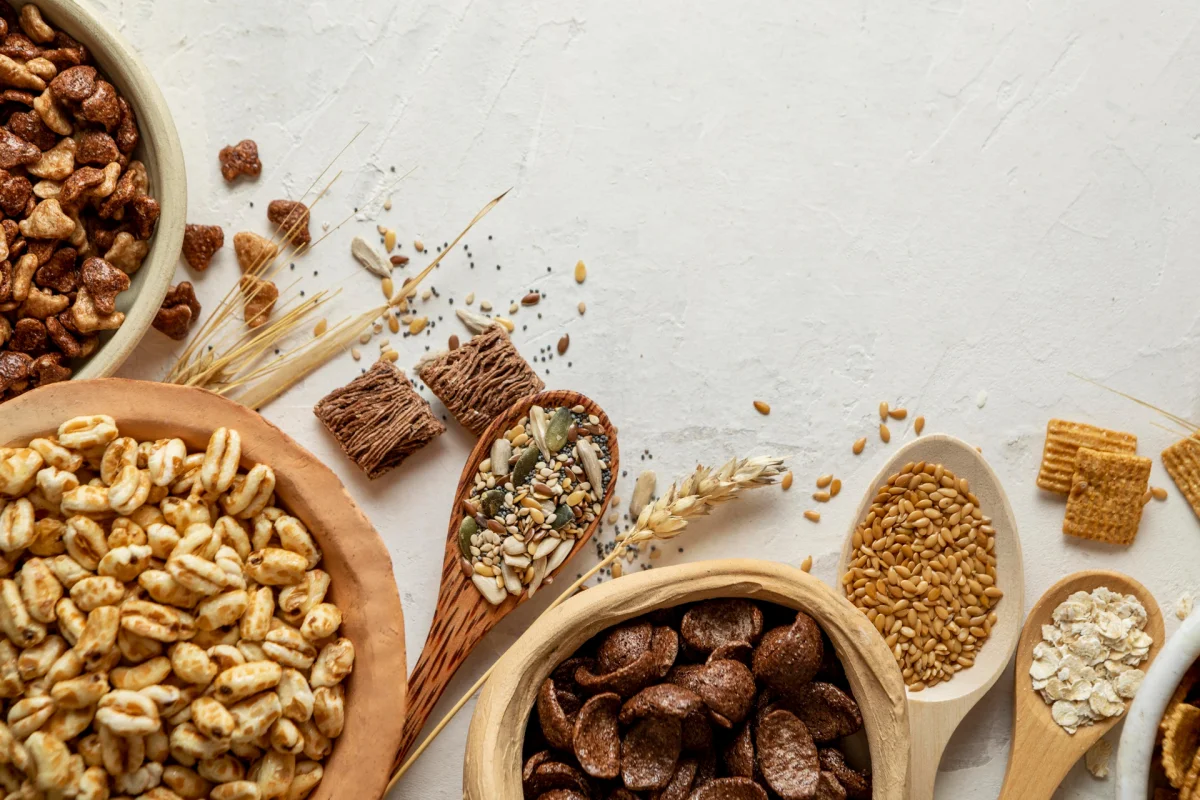
The German Nutrition Society (DGE) recommends adults consume at least 30 g of fiber per day. Many athletes do not reach this amount because protein shakes, white bread, or quick snacks are often low in fiber. Thus, a conscious selection of whole grain products, legumes, fruits, and vegetables is essential.
Practical Tips for Increasing Fiber Intake
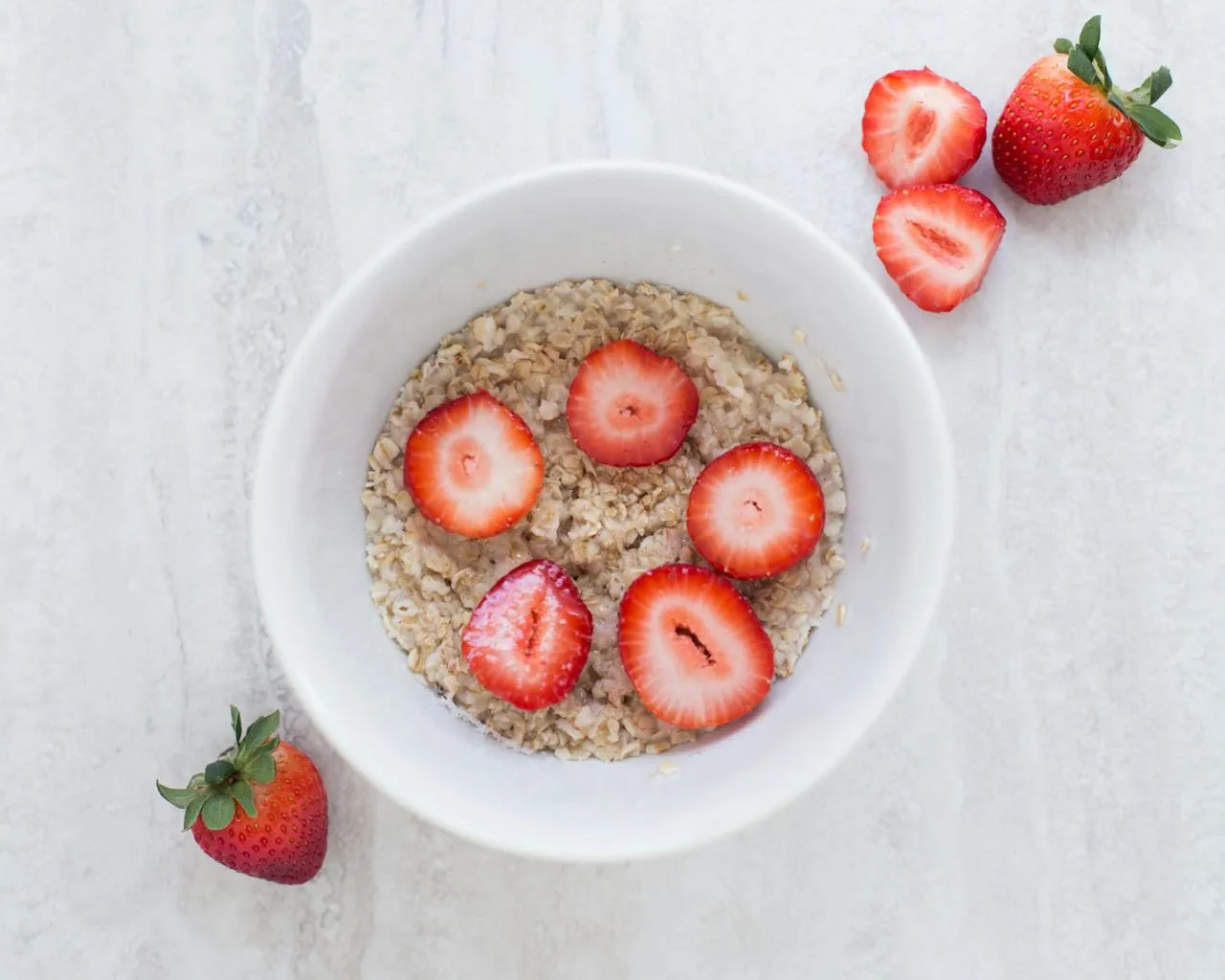
- Start the day with a fiber-rich oatmeal breakfast.
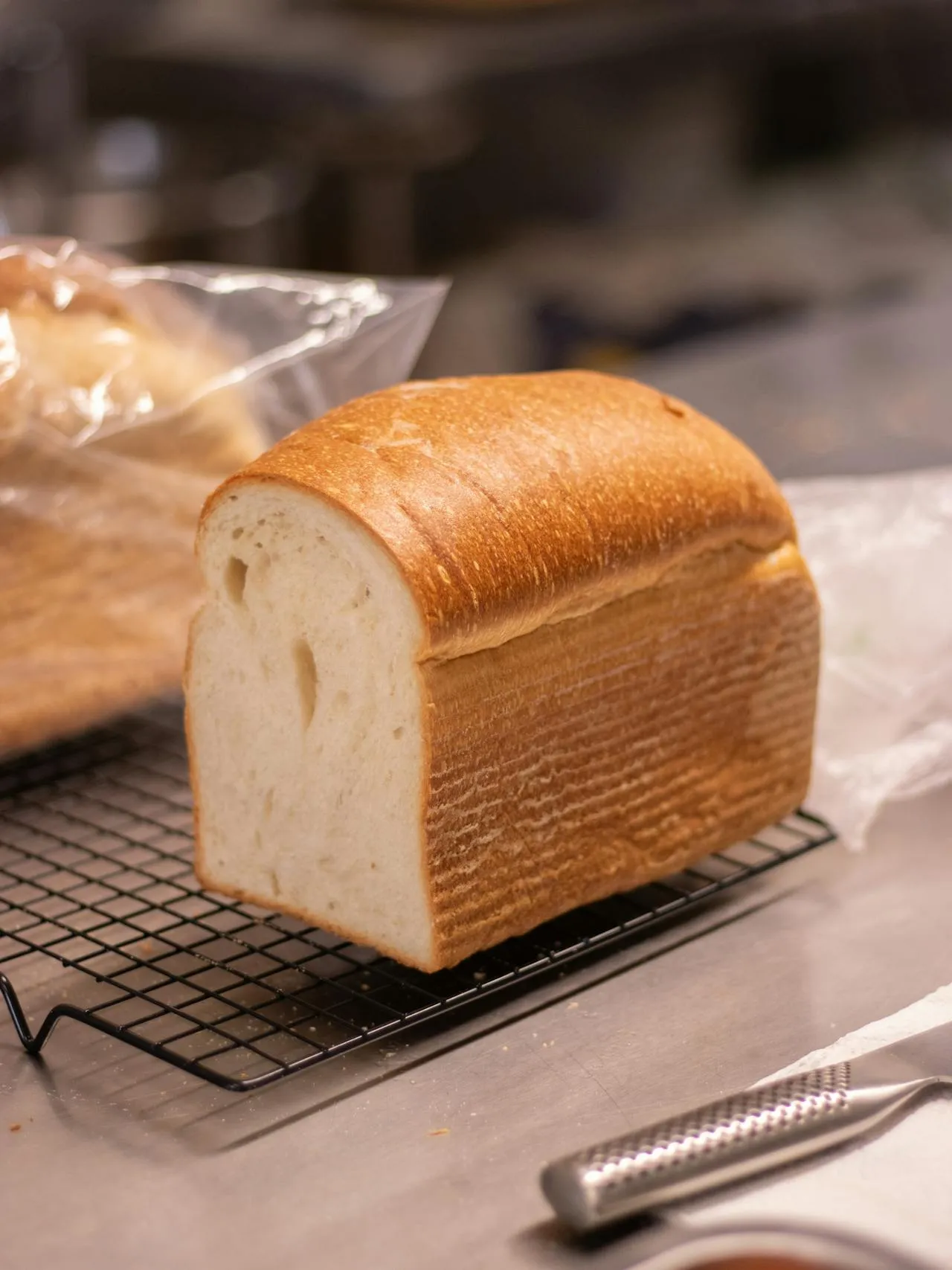
- Choose whole grain options over white bread.
- Include vegetables with every meal.
- Regularly incorporate legumes (lentils, chickpeas, beans).
- Use nuts and seeds as snacks.
Conclusion
Dietary fibers are far more than just "satiety aids." They support athletes in digestion, ensure stable energy supply, aid in recovery, and assist in weight management. Those who want to stay fit and perform well in the long term should daily ensure an adequate intake of dietary fibers.