What is 1RM (One-Rep Max) and How to Calculate It?
Are you looking to make your workout program more effective and maximize your performance? Then you should get familiar with the concept of 1RM, or One-Rep Max. 1RM represents the…
Read articleTraining
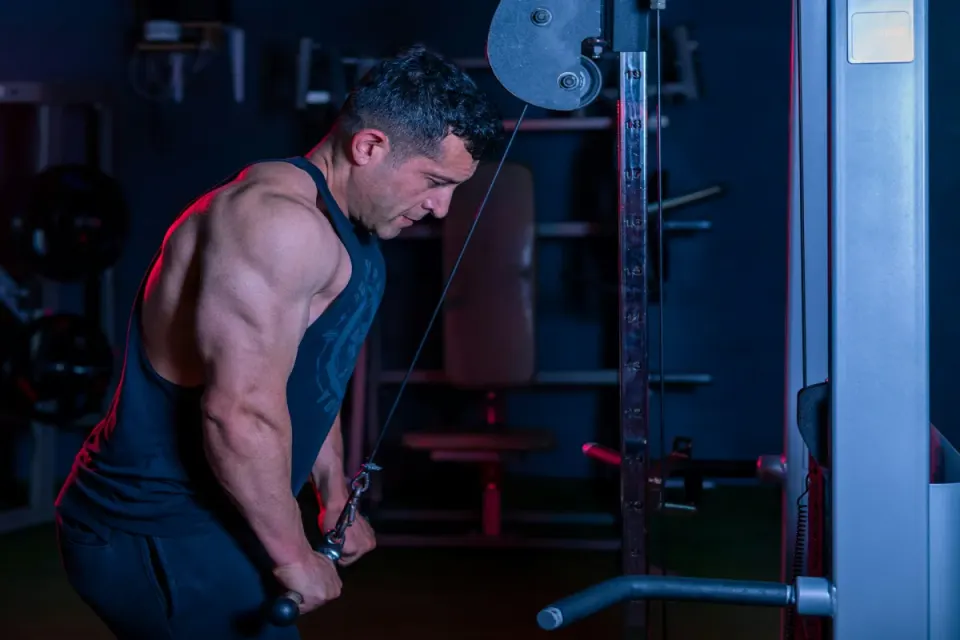
Dumbbells are among the classics in strength training. They enable a wide range of free movements, making them suitable for numerous exercises.
However, the cable machine also offers a vast variety of exercises: rowing, tricep presses, bicep curls, lateral raises, chest exercises, face pulls, or different exercises for legs and core.
The question arises: Is the cable machine better than the dumbbell?
There is no blanket answer. Research shows that machines and free weights can both be effectively used for muscle building. Factors like training volume, intensity, exercise execution, and a well-designed training plan are crucial.
Therefore, the particular strength of the cable machine lies less in being "better" and more in its flexibility.
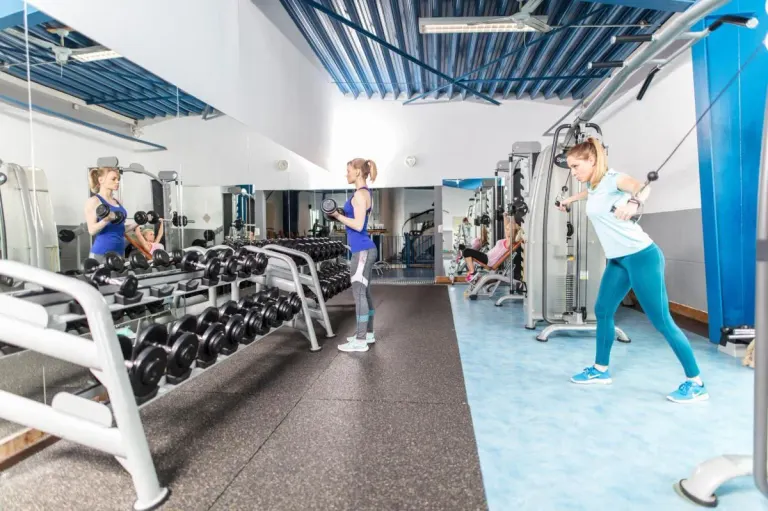
The most important difference lies in the direction of resistance.
With a dumbbell, the resistance due to gravity always acts downward. In the cable machine, the load comes through the cable and the pulley, allowing the direction of pull to be changed.
The height of the cable, the grip, and body position can be adjusted. This allows the same station to be used for many different movements.
This makes the cable machine especially interesting for exercises where a specific direction of pull is desired.
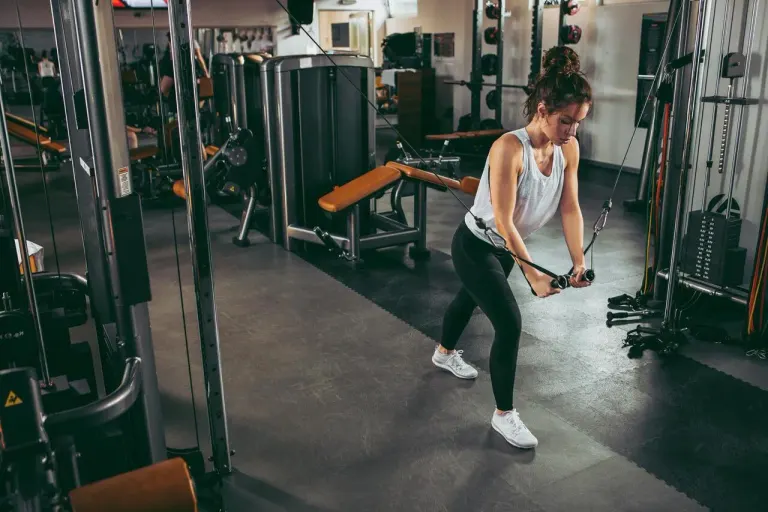
Numerous muscle groups can be trained with a cable machine:
Scroll sideways if needed to see all columns.
| Muscle Group | Examples |
|---|---|
| Chest | Cable Flys, Cable Presses |
| Back | Rowing, Lat Pulldowns |
| Shoulders | Lateral Raises, Face Pulls |
| Biceps | Cable Curls |
| Triceps | Pushdowns, Overhead Extensions |
| Legs & Glutes | Pull-Throughs, Kickbacks |
| Core | Pallof Presses, Cable Crunches |
Another advantage is the ability to perform many exercises unilaterally. This allows each side of the body to be trained separately.
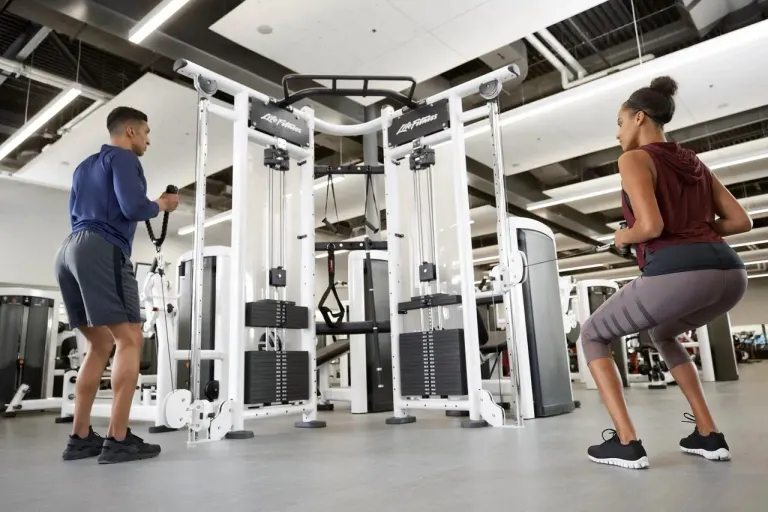
For muscle building, it is not crucial whether the resistance comes from a dumbbell, a machine, or a cable.
A systematic review and meta-analysis found no relevant differences in muscle building between free weights and machines.
A study from 2025 also compared cable lateral raises with dumbbell lateral raises. After eight weeks, both variations showed comparable increases in lateral shoulder muscle hypertrophy.
This means: The cable machine does not need to be better to be an excellent training option.
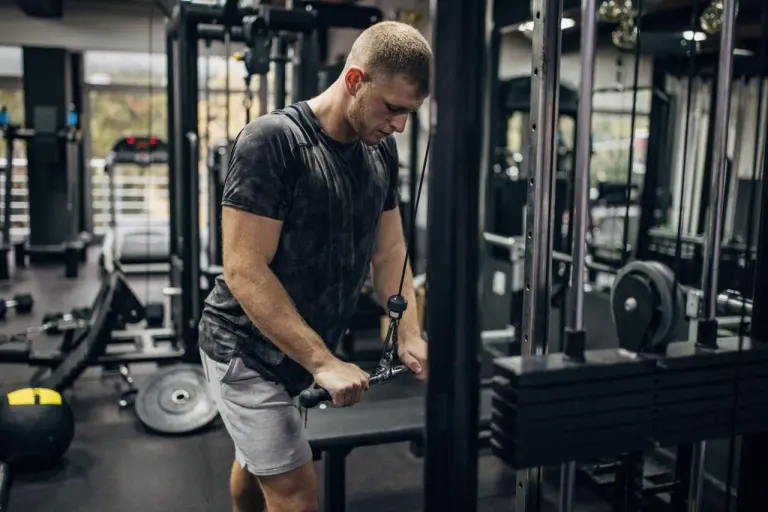
It is often claimed that a cable machine keeps the muscle under constant tension throughout the entire movement.
It is not quite that simple.
Even with a cable machine, the load changes based on joint angles, leverage, and direction of pull. The decisive advantage is rather that the direction of resistance can be specifically altered.
This allows movements to be individually adjusted.
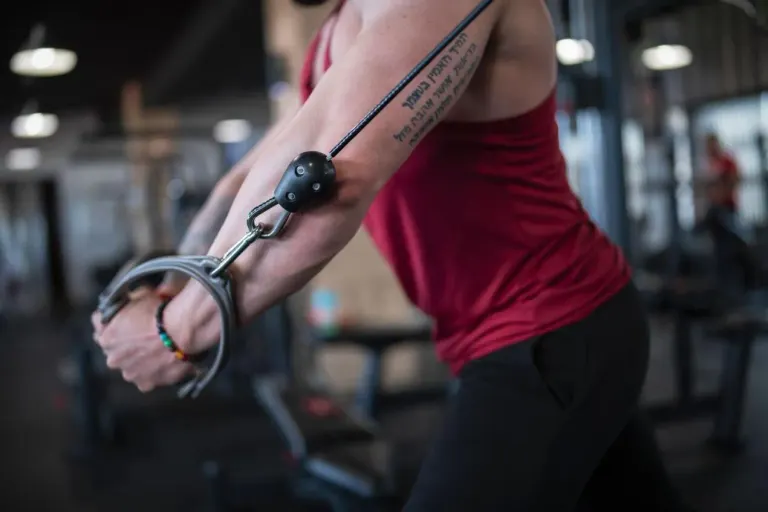
Beginners can also benefit from the cable machine. The weight can often be adjusted in small increments, allowing for a relatively accurate adaptation to one's performance level.
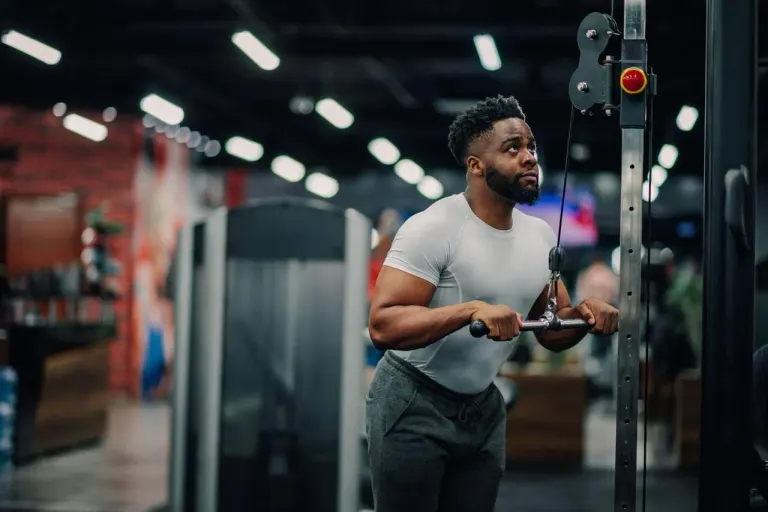
Advanced users benefit primarily from the numerous variations available. An exercise can be modified with a different grip, a different cable height, or by performing it unilaterally.
However, one should not constantly switch exercises. A systematic review on exercise variation shows that planned variation can be beneficial, while too frequent and random switching can hinder training progress.
Scroll sideways if needed to see all columns.
| Feature | Cable Machine | Dumbbell |
|---|---|---|
| Exercise Variety | Very high | Very high |
| Adjustable Pull Direction | Yes | No |
| Unilateral Training | Very effective | Very effective |
| Fine Weight Gradation | Often very good | Depends on dumbbell selection |
| Muscle Building | Very effective | Very effective |
| Space Requirement | Cable station needed | Less |
Both variants have their strengths. Which is more suitable depends on the exercise, personal preferences, and training goals.
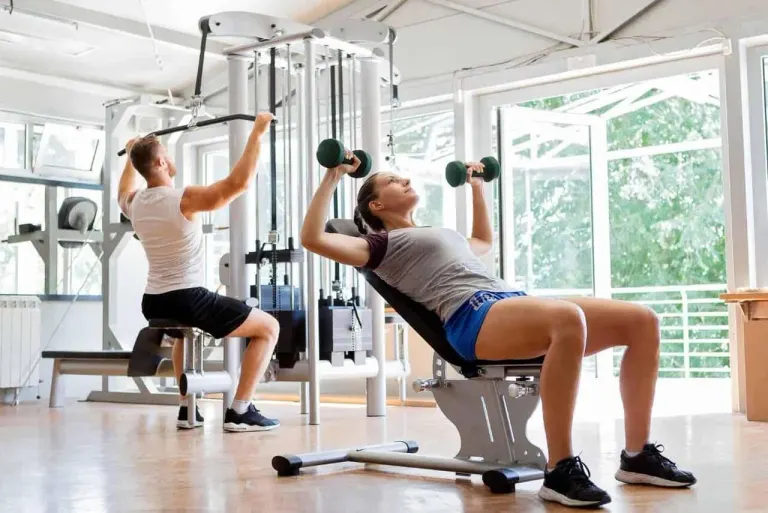
The cable machine is particularly interesting when you want to use different pull directions, train unilaterally, or adapt exercises very flexibly.
It is also excellent as a supplement to free weights. For example, you can do heavy dumbbell bench presses and then use cable flys to additionally target the chest.
So, you don't have to choose between cable machine or dumbbell.
Both systems can be sensibly used side by side in many training plans.
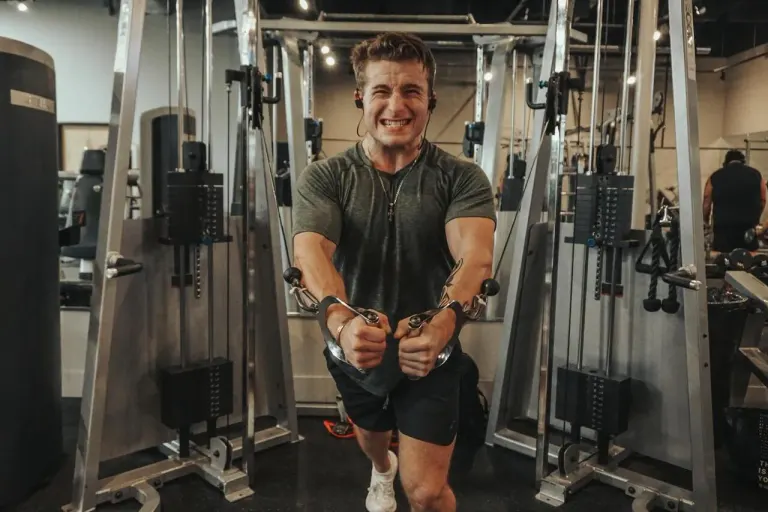
The cable machine is one of the most versatile devices in the gym. With adjustable pull directions, different grips, and numerous settings, a single station can be used for a vast number of exercises.
Scientifically, there is no compelling reason to generally favor the cable machine over dumbbells. Both training forms can be effectively used for muscle building and strength development.
The great advantage of the cable machine lies primarily in its flexibility.
Success is not determined by the training equipment, but by how thoughtfully and consistently you use it.
Are you looking to make your workout program more effective and maximize your performance? Then you should get familiar with the concept of 1RM, or One-Rep Max. 1RM represents the…
Read article
This blog provides a detailed analysis of the Heavy Duty training approach, including training plans, scientific studies, advantages and disadvantages, as well as concrete…
Read article
Sport is the cornerstone of a healthy lifestyle, signaling a fresh start for many. This blog post offers beginners step-by-step guidance, motivation sources, and success tips for…
Read article