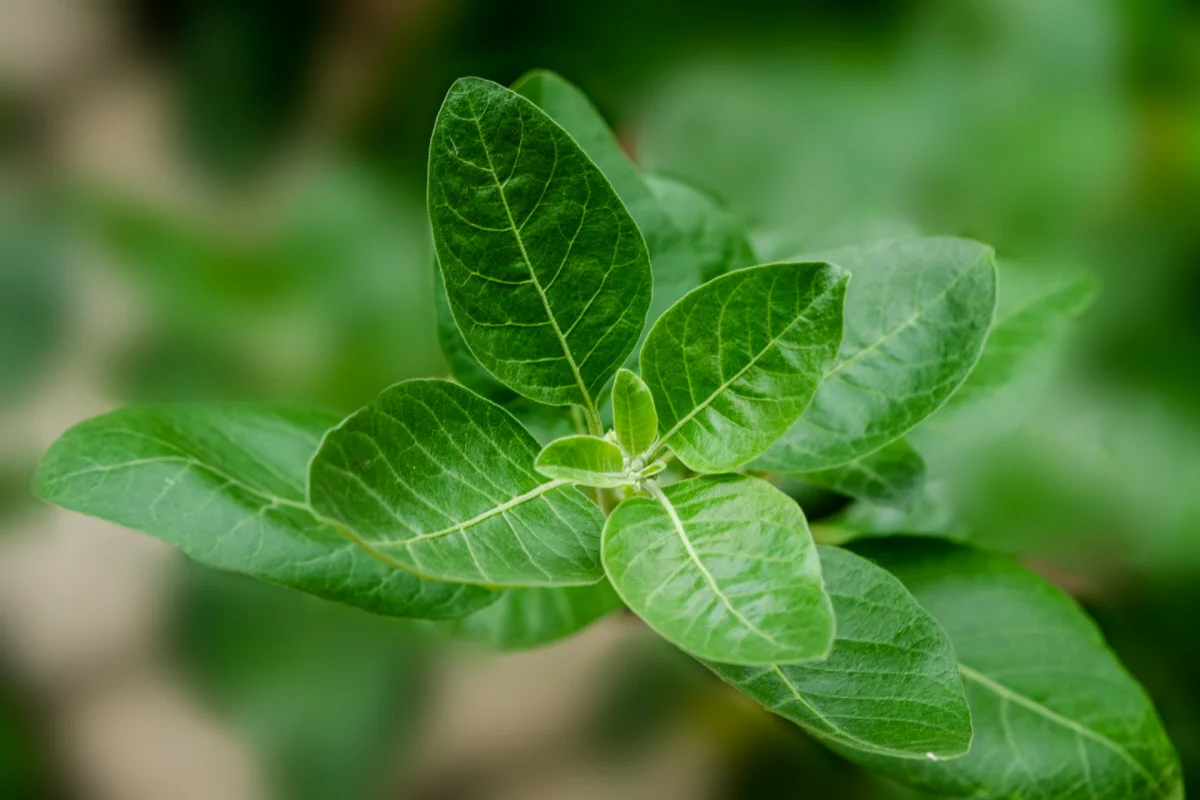
Ashwagandha (Withania somnifera), also known as Indian Ginseng or Winter Cherry, ranks among the most significant medicinal plants in Ayurvedic medicine. This plant belongs to the nightshade family (Solanaceae) and predominantly thrives in arid regions of India, Africa, and the Middle East. For millennia, Ashwagandha has been utilized in traditional healing practices, and modern science has begun systematically exploring its effects. This blog offers a comprehensive analysis of the plant, covering its origin, chemical composition, diverse applications, and the latest scientific findings.
Origin and Botanical Characteristics
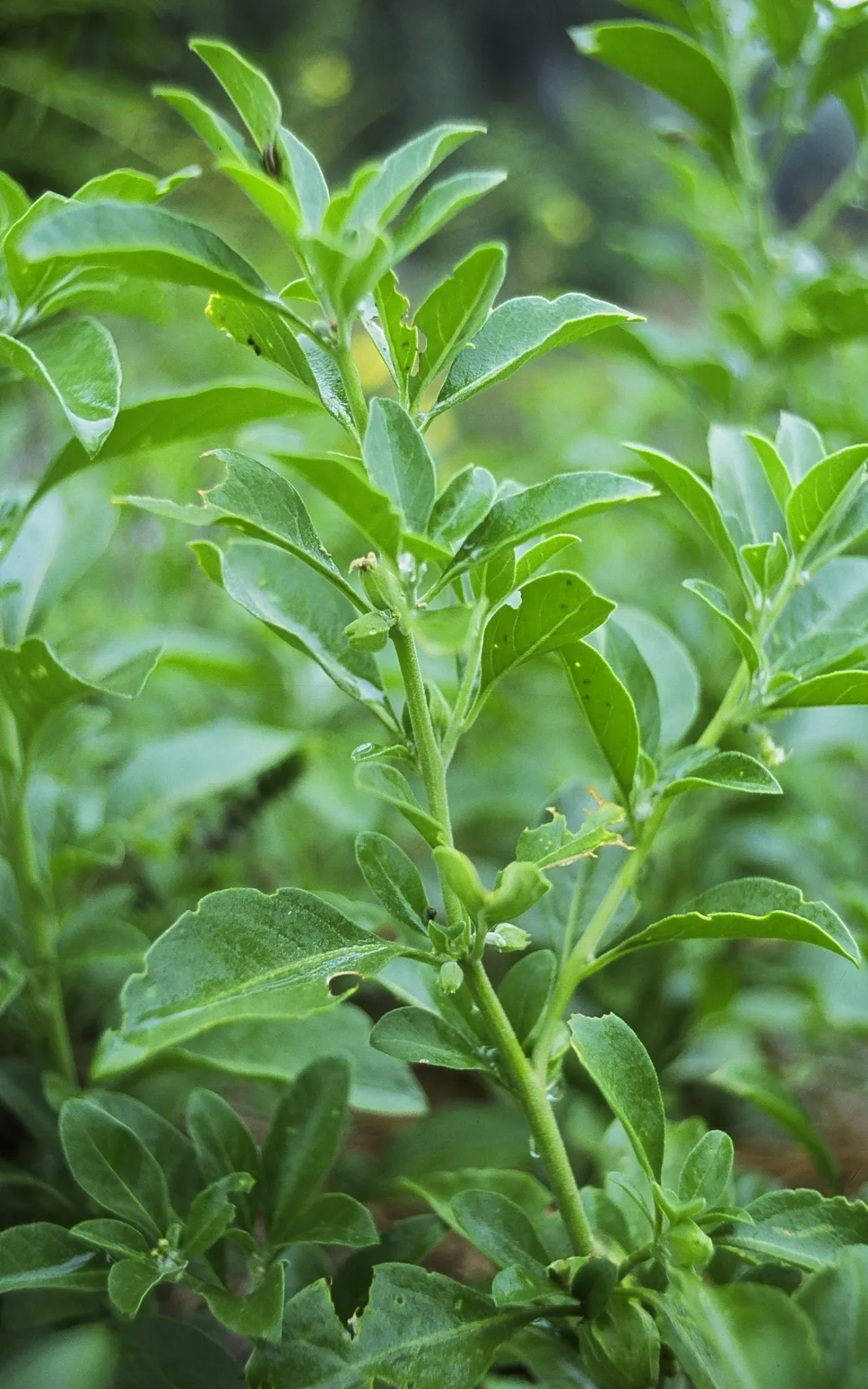
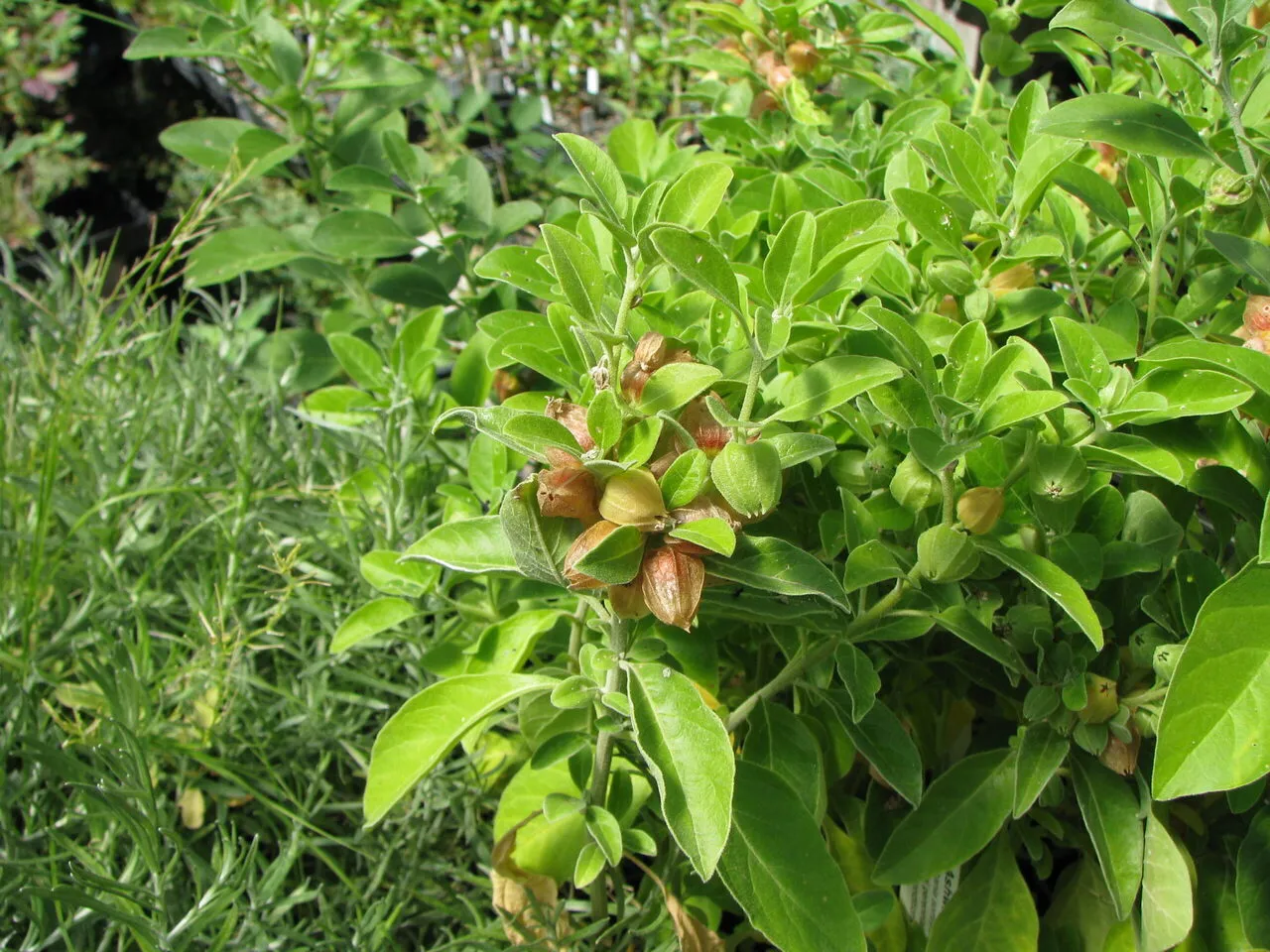
Ashwagandha is a small shrub that reaches heights of approximately 30 to 150 centimeters. The plant is distinguished by its yellow flowers and bright red berries, which, however, are rarely used in Ayurvedic medicine. Primarily, the root of the plant is utilized for medicinal purposes. The name "Ashwagandha" originates from Sanskrit and literally means "smell of the horse," referring to the earthy, intense aroma of the roots and their reputed strengthening properties.
Traditional Significance in Ayurveda
In Ayurveda, Ashwagandha is classified as a "Rasayana"—a term denoting rejuvenation and longevity. This category of remedies aims to fortify both body and mind, reduce stress, and enhance immune defense. Ashwagandha is mentioned in classical texts such as the Charaka Samhita and the Sushruta Samhita, which describe its application in treating ailments like arthritis, sleep disorders, and nervous weakness. It is considered a universal remedy, particularly suitable for individuals experiencing high levels of stress.

Chemical Composition
The healing properties of Ashwagandha can be attributed to its chemical components. The most significant of these are:
Withanolides: These steroid lactone compounds are primarily responsible for the plant's adaptogenic and anti-inflammatory properties.
Alkaloids: This includes somniferin, which can exert a calming and sleep-promoting effect.
Saponins: They support antioxidant activity.
- Iron: Ashwagandha naturally contains iron, which is essential for blood formation and energy production.
The concentration of these active substances can vary depending on the cultivation region and processing method, influencing the quality of Ashwagandha products.
Effects and Areas of Application
1. Stress Management and Adaptogenic Effect
Ashwagandha is renowned for its adaptogenic properties. Adaptogens are substances that help the body cope better with stress. Studies have shown that Ashwagandha can lower cortisol levels— a hormone elevated in stressful situations. Reduced cortisol levels contribute to alleviating stress symptoms such as exhaustion, anxiety, and sleep issues.
2. Improvement of Sleep Quality
The calming properties of the plant make it a natural remedy for insomnia. In a 2020 study published in the Journal of Ethnopharmacology, participants taking Ashwagandha reported a significant improvement in sleep quality.
3. Immune System Support
Ashwagandha may enhance the activity of immune cells, such as natural killer (NK) cells, responsible for combating infections and cancer cells. This makes the plant especially valuable during periods of increased infection risk.
4. Enhancement of Cognitive Functions
Some studies suggest that Ashwagandha may possess neuroprotective properties that enhance memory and concentration. This effect is particularly attributed to elderly individuals or those with neurodegenerative diseases such as Alzheimer's.
5. Increase of Energy and Muscle Strength
Ashwagandha is also of interest to athletes and physically active individuals. Studies have shown that the plant can increase muscle strength and endurance. This effect is attributed to its anabolic properties and its ability to lower cortisol levels.
6. Hormonal Balance
Ashwagandha is traditionally used to promote fertility in men. Scientific studies confirm that the plant can improve sperm quality and testosterone levels. At the same time, it may assist women in balancing hormonal imbalances caused by stress or menopause.

Scientific Studies
Modern research has conducted a myriad of studies to validate the traditional applications of Ashwagandha. Some noteworthy findings include:
Cortisol Reduction: A 2012 study showed that Ashwagandha can reduce cortisol levels in chronically stressed individuals by up to 30%.
Reduction of Anxiety: In a randomized, double-blind study conducted in 2019, participants taking Ashwagandha reported a significant reduction in their anxiety levels compared to the placebo group.
- Muscle Development: A study from the Journal of the International Society of Sports Nutrition indicated that participants taking Ashwagandha experienced a greater increase in muscle mass and strength than those receiving a placebo.

Side Effects and Contraindications
Although Ashwagandha is generally considered safe, certain groups of people should exercise caution:
Pregnant and breastfeeding women: Insufficient studies have been conducted concerning safety during pregnancy and lactation.
Individuals with autoimmune diseases: Since Ashwagandha can stimulate the immune system, this may pose issues in autoimmune conditions.
Interactions: Ashwagandha may interact with medications such as sedatives, thyroid medications, and immunosuppressants.

Application and Dosage
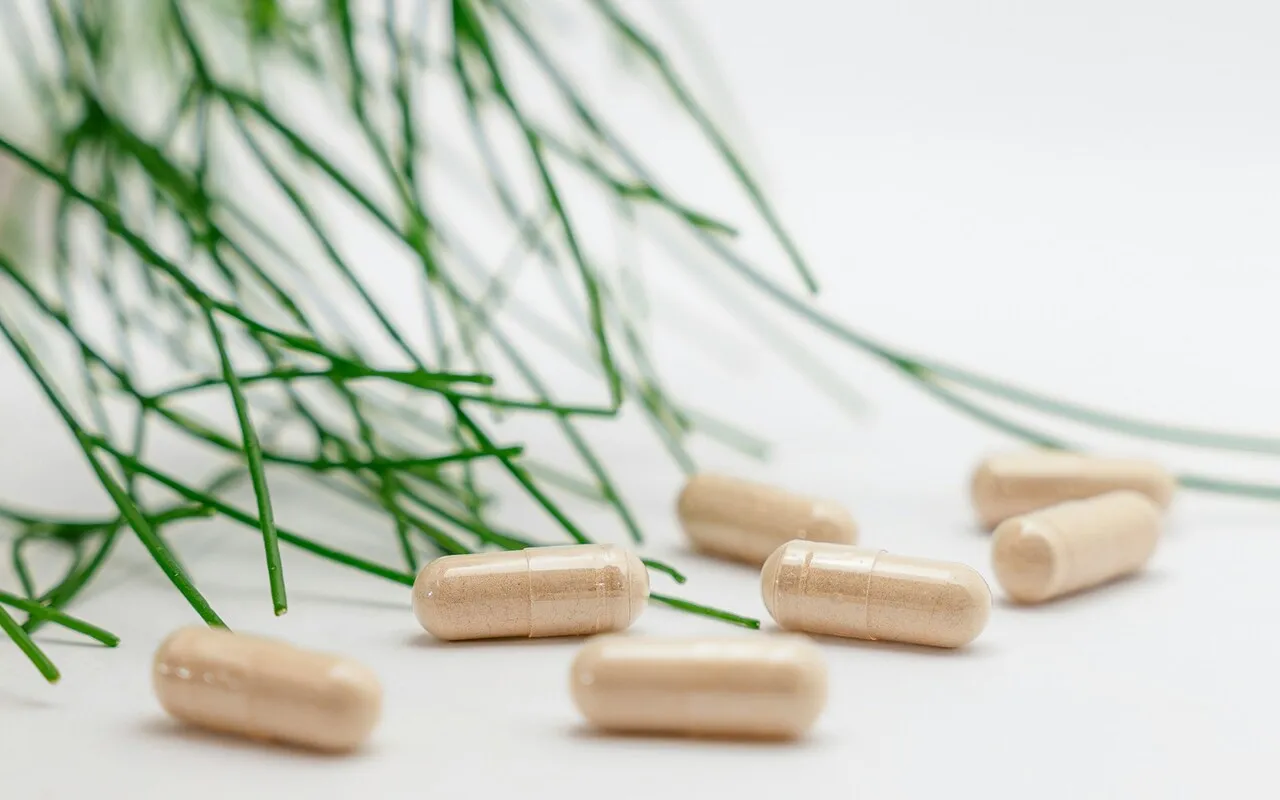
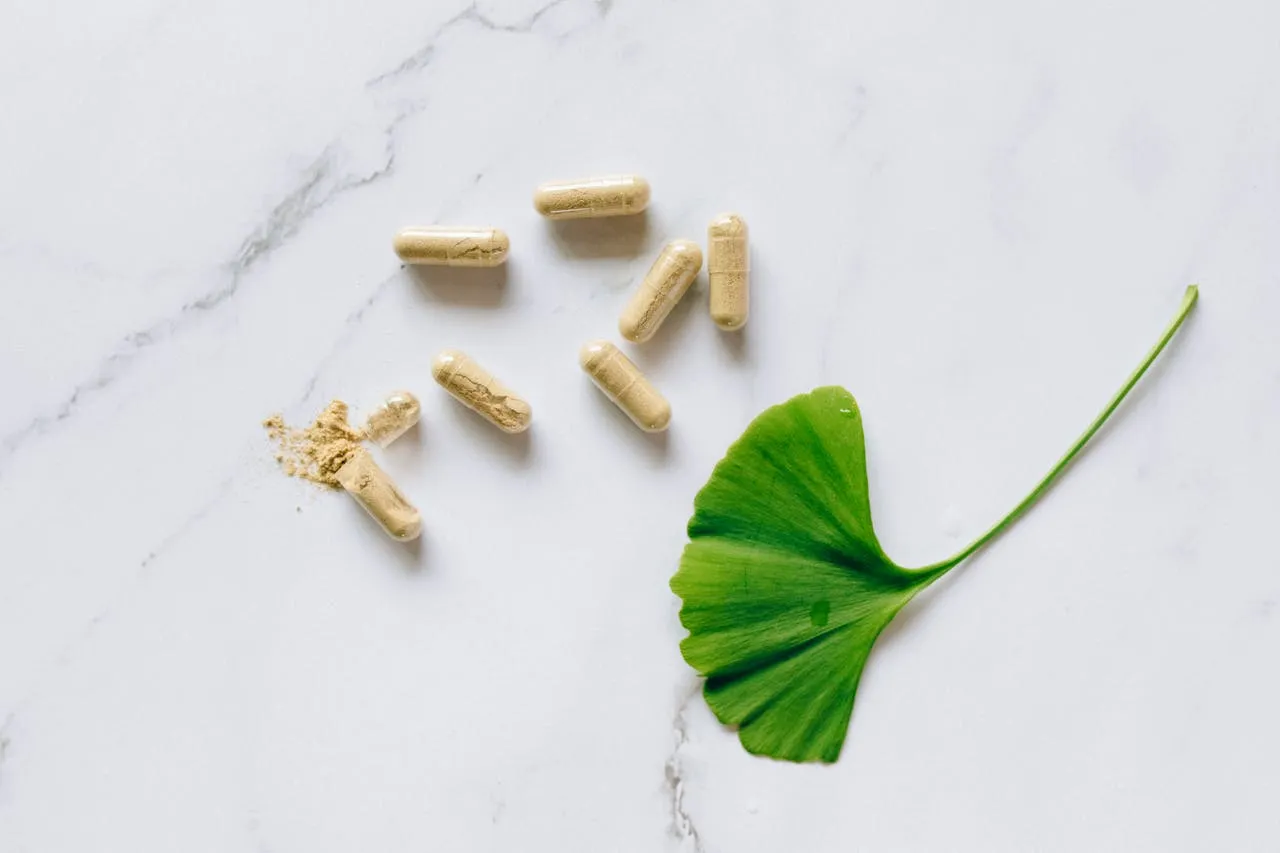
Ashwagandha is available in various forms, including powders, capsules, teas, and extracts. The dosage varies depending on the desired effect. A common dosage ranges from 300 to 600 mg of standardized extract per day. It is recommended to take it with a meal to enhance tolerance.
Conclusion
Ashwagandha is a remarkable medicinal plant with a wide range of applications, ranging from stress management to enhancing physical performance. Its traditional use in Ayurveda is increasingly supported by scientific studies, making it a valuable instrument for modern healthcare. However, as with any herbal therapy, caution is advised, especially for individuals with chronic conditions or those taking medication. A knowledgeable doctor or practitioner can provide guidance on optimal usage.