What is 1RM (One-Rep Max) and How to Calculate It?
Are you looking to make your workout program more effective and maximize your performance? Then you should get familiar with the concept of 1RM, or One-Rep Max. 1RM represents the…
Read articleTraining
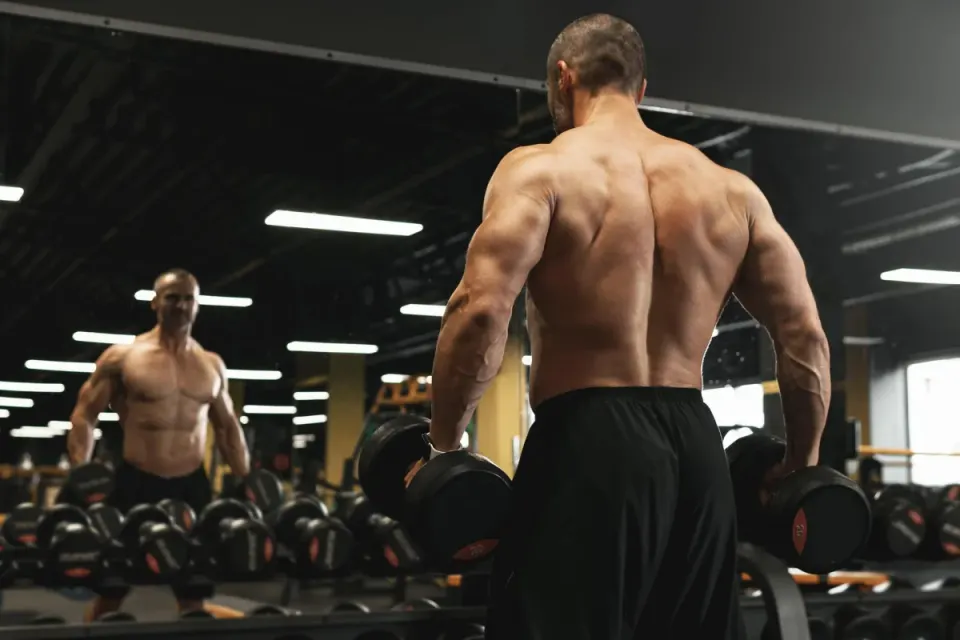
When it comes to building muscle in the gym, the focus is usually on the chest, biceps, triceps, shoulders, and back. However, one muscle is often underestimated: the trapezius muscle, also known as the trapezius.
Particularly among advanced strength athletes, it is noticeable that a well-developed trapezius muscle can make the entire upper body appear stronger and more massive. Nevertheless, a legitimate question arises: Is it even necessary to specifically train the trapezius muscle?
After all, it is already engaged in numerous classical strength exercises. It is significantly involved in exercises such as deadlifts, rowing, and various shoulder exercises.
Does this mean that additional trapezius exercises are unnecessary? Not necessarily. The answer depends on what training goals one is pursuing, which exercises one is already performing, and how well the individual areas of the trapezius muscle are being trained.
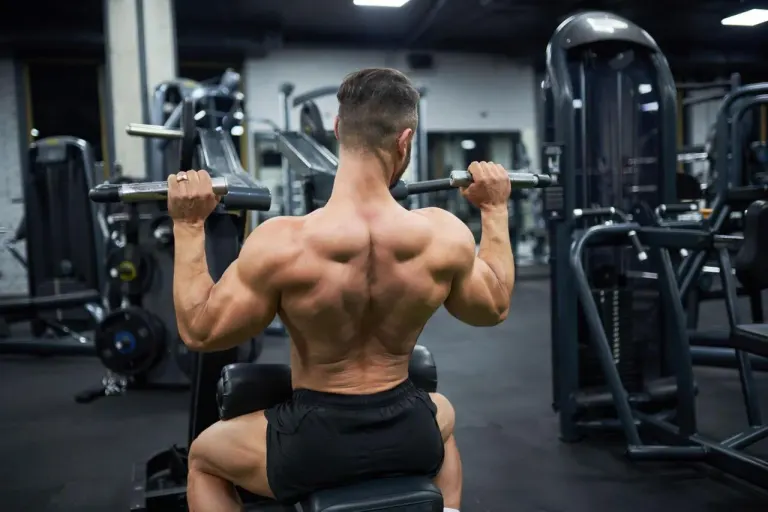
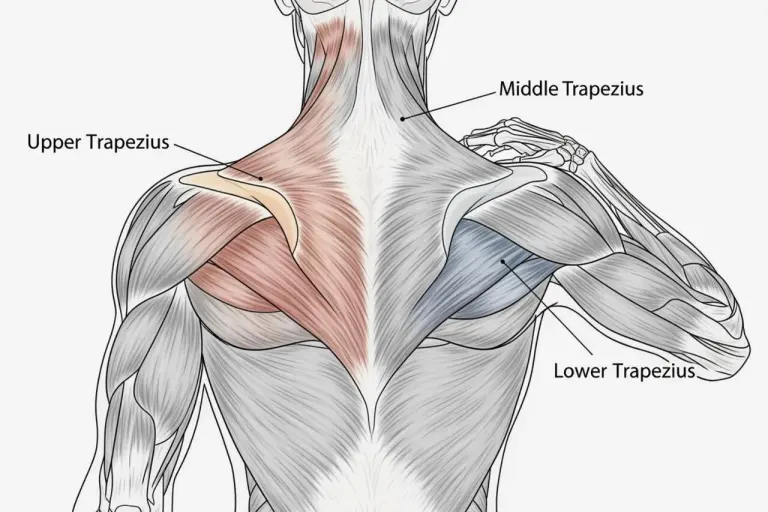
The trapezius muscle (Musculus trapezius) is a large, superficial muscle of the upper back. It extends from the base of the skull and neck area across the upper back to the shoulder blades.
Anatomically, it is divided into three sections:
These three sections work together, but they perform different tasks. Therefore, it is important not to equate the trapezius muscle solely with the classical shrug movement.
Its function extends far beyond the visible muscle mass in the neck area. It plays a crucial role in scapular control, the stability of the shoulder girdle, and various upper body movements.
Yes, and that's one of the key points in this discussion.
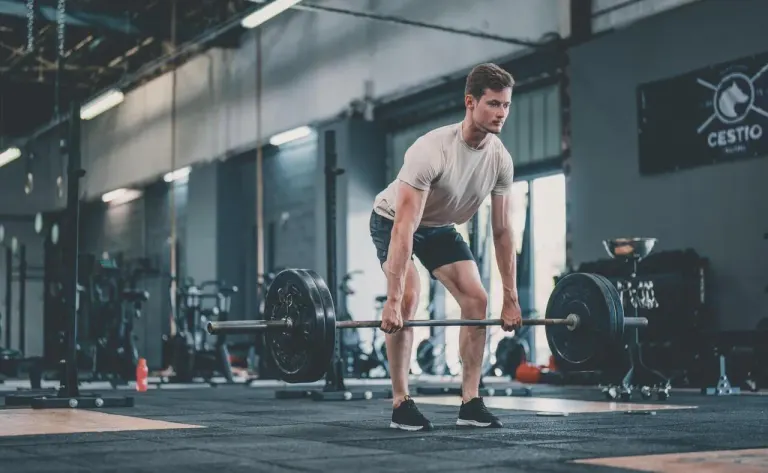
Many exercises that we regularly incorporate into our training plans involve the trapezius muscle. These include, for example:
However, just because a muscle is involved in an exercise does not automatically mean that every section of the trapezius muscle is optimally trained.
During rowing, for instance, the middle trapezius muscle plays a vital role in the movement of the shoulder blades. In deadlifts, the upper trapezius primarily works as a stabilizer. Face Pulls involve the middle trapezius muscle and the rear shoulder musculature.
For those who already regularly perform back and shoulder training, the trapezius muscle is often indirectly trained. Whether this training stimulus is sufficient for individual goals must be determined individually.
The short answer is: No, not for everyone.
Those primarily looking to build muscle mass and develop a balanced physique do not necessarily need to allocate a separate training day for the trapezius muscle.
If the training plan already includes sufficient pulling exercises, rowing variations, and shoulder training, the trapezius muscle often receives a significant training stimulus.
The situation is different if the goal is a particularly massive upper back and a pronounced neck area. In this case, targeted exercises such as shrugs can be a sensible addition.
It is important to understand a crucial difference: A muscle can assist in an exercise without automatically receiving the maximum possible growth stimulus.
This is why the question is not whether the trapezius muscle is involved, but whether it is adequately and purposefully engaged.
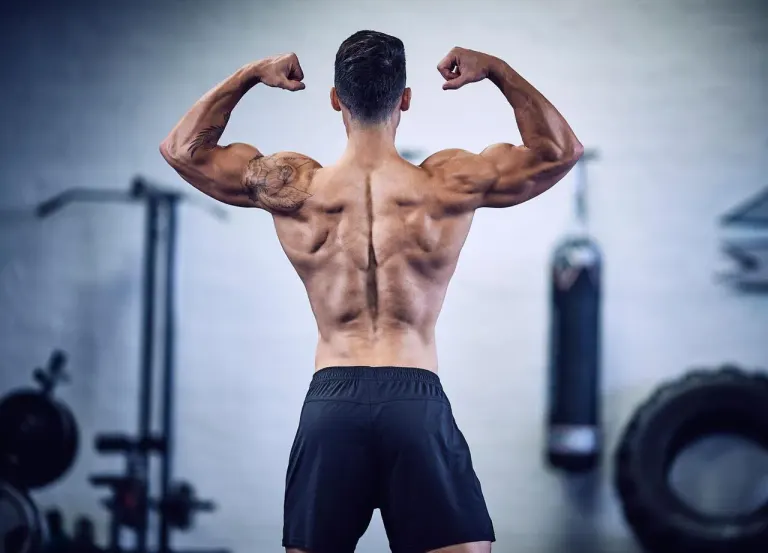
There are various ways to train the trapezius muscle. One should distinguish between exercises that primarily target the upper section and those that focus more on the middle and lower fibers.
Scroll sideways if needed to see all columns.
| Exercise | Main Targeted Area | Training Goal |
|---|---|---|
| Dumbbell Shrugs | Upper Trapezius | Muscle Growth in the Neck Area |
| Barbell Shrugs | Upper Trapezius | Strength and Muscle Mass |
| Barbell Rows | Middle Trapezius, Other Back Muscles | Back Thickness |
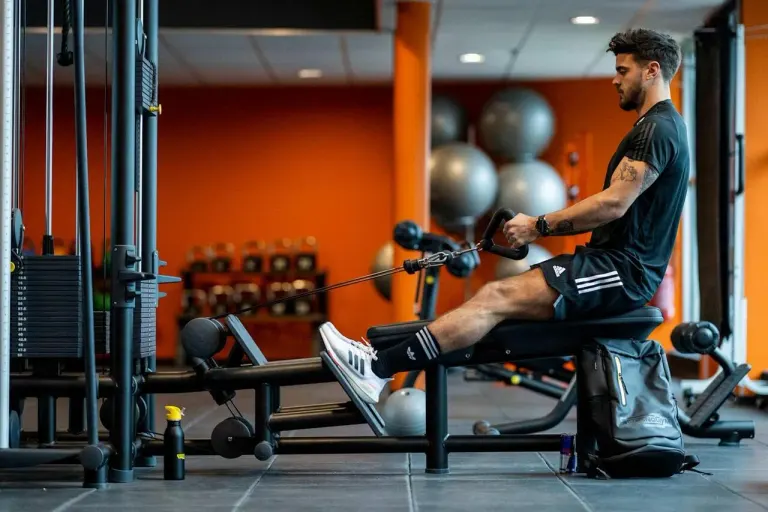
| Cable Rows | Middle Trapezius | Scapular Control and Back Training |
| Face Pulls | Middle Trapezius, Rear Shoulders | Scapular Control |
| Y-Raises | Primarily Lower Trapezius | Function and Stability |
Importantly, none of these exercises target just a single muscle. Actual muscle activity depends on factors such as movement execution, body position, and individual anatomy.
Shrugs with Dumbbells or Barbell
Shrugs are among the most well-known exercises for the upper trapezius muscle. The shoulders are drawn upward in a controlled manner and then slowly lowered again.
It is important not to combine the movement with circular shoulder motions. Controlled execution and appropriate loading are more effective than using the heaviest weights with a reduced range of motion.
Face Pulls
Face pulls are an excellent addition for training the upper back and the muscles around the shoulder blades. Besides the rear shoulders, parts of the middle trapezius are also engaged.
Row Variations
Barbell rows, dumbbell rows, and cable rows are crucial exercises for the back. The controlled retraction of the shoulder blades particularly involves the middle trapezius muscle.
Y-Raises
Y-Raises are often underestimated. They are particularly suited to specifically addressing the function of the lower trapezius muscle. Here, controlled motion is more important than maximum weight.
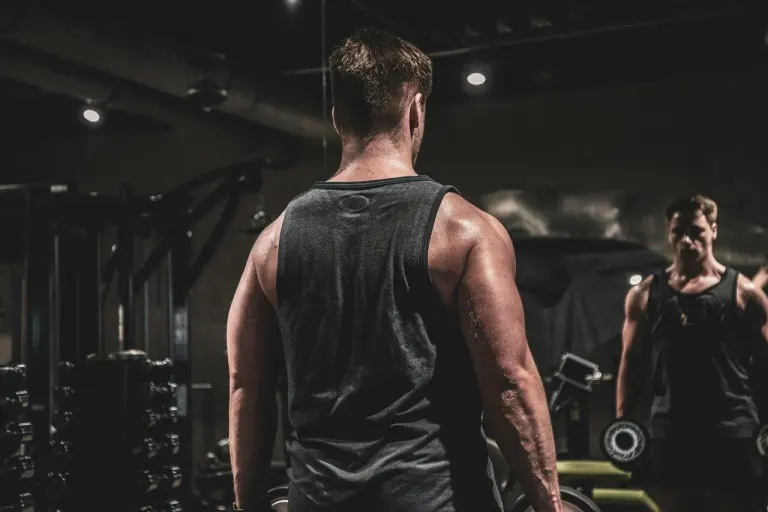
There is no universally applicable training frequency. The key is how much work the trapezius muscle is already doing through other exercises.
For those who train their back intensively twice a week and additionally perform shoulder exercises, further isolated trapezius exercises may not be necessary.
However, if the goal is to develop a particularly pronounced upper trapezius, one to two targeted sessions per week can be added.
One should start with a manageable training volume and gradually increase the load. The total load from rowing, deadlifting, and other pulling exercises should also be considered.
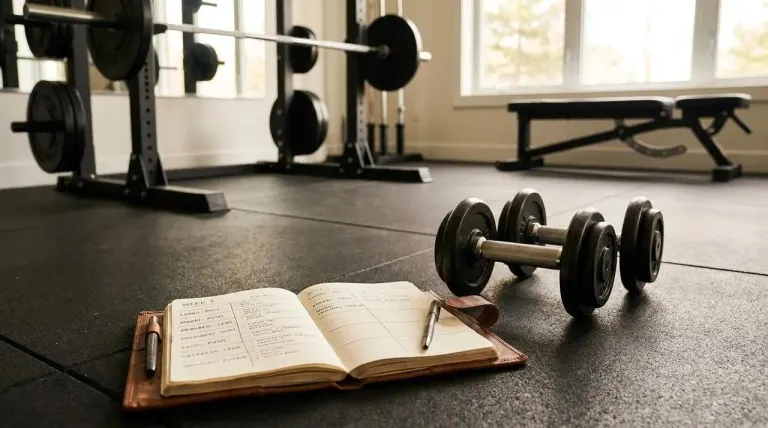
Errors can occur in trapezius training that impair training success.
Too Heavy Weights: When too much weight is used in shrugs, the movement is often executed with momentum, leading to poor control over the motion.
Shoulder Rotation in Shrugs: The shoulders do not need to move in a circular motion. A controlled up-and-down motion is sufficient.
Only Training the Upper Trapezius: The trapezius muscle consists of different fiber areas. Exclusively performing shrugs mainly targets the upper section and may neglect other functions.
Too Much Additional Volume: The trapezius muscle is already engaged in numerous back exercises. Additional sets should therefore be sensibly integrated into the overall training program.
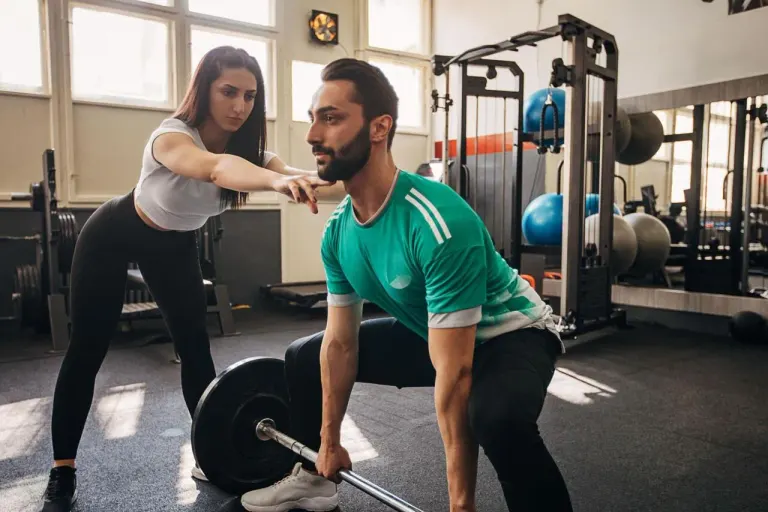
Targeted trapezius training can be particularly interesting for individuals pursuing certain physical or athletic goals.
Scroll sideways if needed to see all columns.
| Training Goal | Is Isolated Trapezius Training Sensible? |
|---|---|
| General Fitness | Not Necessarily Needed |
| Balanced Muscle Development | Depends on the Existing Training Plan |
| Massive Neck Area | Yes, Can Be Beneficial |
| Bodybuilding and Aesthetics | Often a Good Addition |
| Scapular Control | Targeted Exercises Can Help |
| Strength Training with Basic Exercises | Not Automatically Required |
Especially bodybuilders and advanced strength athletes might benefit from additional trapezius exercises if they notice that the upper back lags behind other muscle groups.
For beginners, it is usually more sensible to first learn the basic movement patterns and build a balanced training plan.

Anyone wishing to specifically develop their trapezius muscle can incorporate the following exercises into an existing back day:
Scroll sideways if needed to see all columns.
| Exercise | Sets | Repetitions |
|---|---|---|
| Barbell Rows | 3 | 8–12 |
| Cable Rows | 3 | 10–12 |
| Face Pulls | 2–3 | 12–15 |
| Dumbbell Shrugs | 2–3 | 10–15 |
This example is a possible addition, not a mandatory routine. The sets must be adjusted to the already existing training volume. For example, those who already row a lot and lift heavy should not automatically take on all additional exercises.
The key elements are proper technique, adequate loading, and long-term progression in training performance.
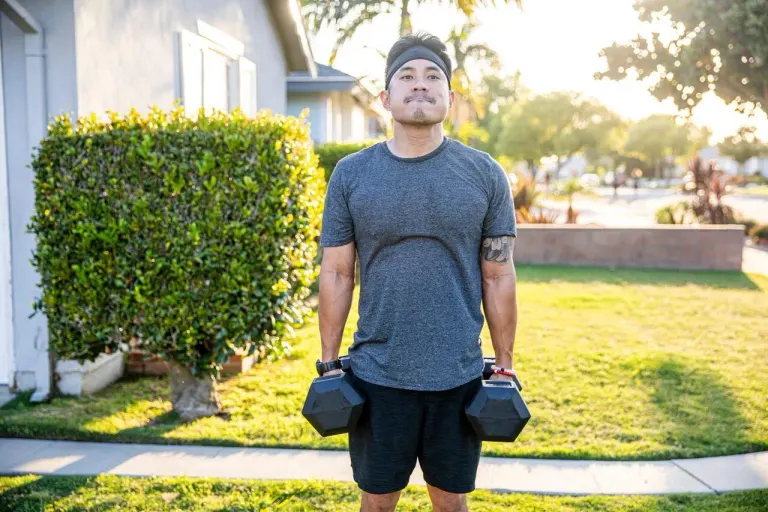
Scientific examination reveals that the trapezius muscle plays an important role in the movement and stabilization of the shoulder blades. Its different fiber regions assume various roles, so it is beneficial to consider more than just the upper section.
An important current overview from the American College of Sports Medicine (ACSM) in 2026 summarizes 137 systematic reviews with over 30,000 participants. It confirms the significance of progressive resistance training for muscle strength and muscle growth.
The findings also indicate that a higher training volume can promote muscle growth. However, it does not mandate isolating the trapezius muscle in every training plan.
Furthermore, the general research on muscle building does not automatically answer which individual trapezius exercise is best for every athlete. The choice should be based on the training goals and the existing training plan.
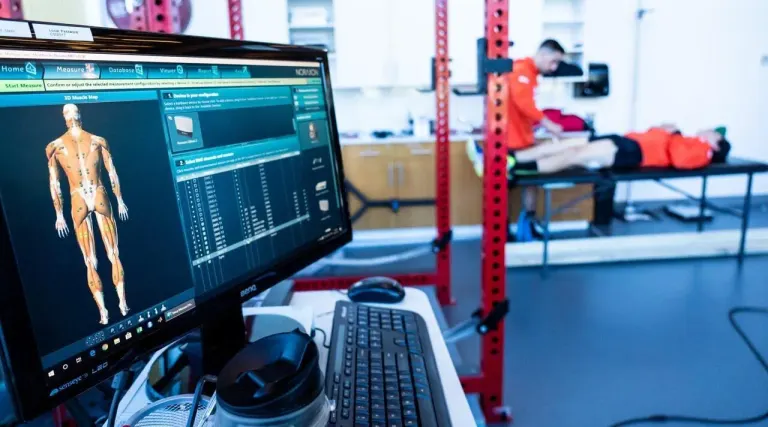
No, isolated trapezius training is not necessary for everyone.
The trapezius muscle is already involved in many classical back and shoulder exercises. Individuals who regularly perform rowing, deadlifts, and train their shoulder muscles engage various sections of the trapezius.
However, those who desire a particularly massive neck, a prominent upper back, or a targeted development of specific trapezius areas may benefit from additional exercises.
Our recommendation is therefore: Do not just add more exercises to your training plan, but first assess which muscle areas are already being sufficiently trained.
Not every muscle requires its own training day. What matters is that the entire body is trained in a balanced, sensible, and progressive manner.
Scientific Original Work
Currier, B. S. et al. (2026): American College of Sports Medicine Position Stand. Resistance Training Prescription for Muscle Function, Hypertrophy, and Physical Performance in Healthy Adults: An Overview of Reviews.
Medicine & Science in Sports & Exercise, 58(4), 851–872.
DOI: 10.1249/MSS.0000000000003897
Scientific Original Work – PubMed
Scientific Overview and Specialized Literature
Additional anatomical and biomechanical specialized literature on the Musculus trapezius can be used to explain its three muscle areas, its roles in scapular functions, and its involvement in pulling movements.
Professional Institutions
American College of Sports Medicine (ACSM): Current recommendations on progressive resistance training and muscle building.
Are you looking to make your workout program more effective and maximize your performance? Then you should get familiar with the concept of 1RM, or One-Rep Max. 1RM represents the…
Read article
This blog provides a detailed analysis of the Heavy Duty training approach, including training plans, scientific studies, advantages and disadvantages, as well as concrete…
Read article
Sport is the cornerstone of a healthy lifestyle, signaling a fresh start for many. This blog post offers beginners step-by-step guidance, motivation sources, and success tips for…
Read article