Daily Protein Requirement: How Much Is Enough for Your Health?
Protein is vital for athletes not only for muscle development but also for maintaining performance and aiding recovery.
Read articleHealth
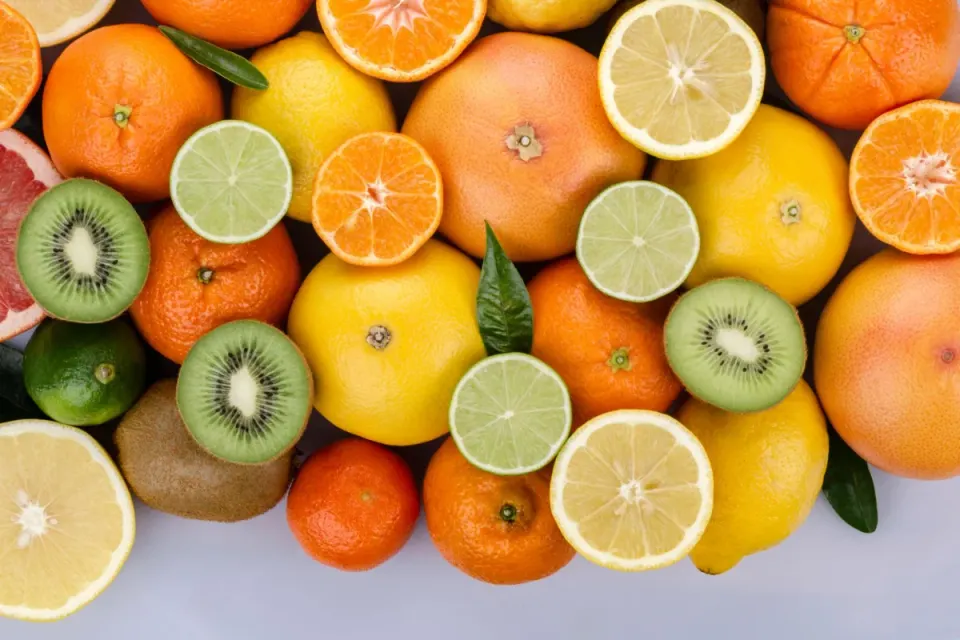
As temperatures drop and days become shorter, maintaining a balanced diet becomes particularly important. Especially in winter, many people tend to opt for warm meals more frequently and neglect the regular consumption of fresh fruit. However, there are numerous fruits that can serve as a valuable addition to our diet during the colder months.
Oranges, mandarins, kiwis, apples, and pomegranates provide essential vitamins, minerals, fiber, and phytochemicals. Some contain a significant amount of vitamin C, which supports the normal function of the immune system. Others supply us with fiber, crucial for healthy digestion.
But which winter fruits are particularly recommended? And can they truly help us stay healthy through the cold season?
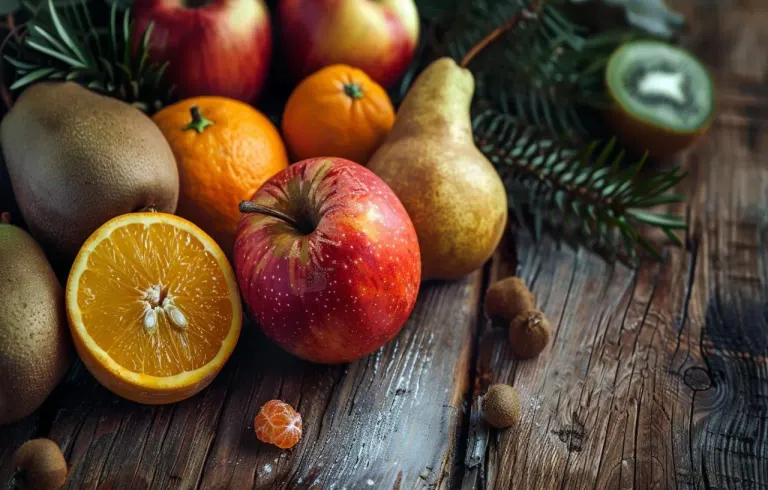
Our immune system is active daily and requires an adequate supply of various nutrients. These include vitamins such as C, A, B6, B12, D, and E, as well as folate, iron, and zinc. A varied diet helps provide the body with many of these essential nutrients.
Fruit can make a crucial contribution. For instance, Vitamin C supports the normal functioning of the immune system, protects cells from oxidative stress, and enhances the absorption of iron from plant-based foods. Fiber, on the other hand, promotes digestion and can support a diverse gut microbiota.
However, it is essential to have realistic expectations: No single fruit can reliably prevent a cold. Instead, it is crucial that we maintain a balanced diet over the long term and ensure an adequate intake of vital nutrients.

Scroll sideways if needed to see all columns.
| Winter Fruit | Key Nutrients | Why It's Recommended |
|---|---|---|
| Orange | Vitamin C, Folate | Supports normal immune function |
| Mandarin | Vitamin C, Carotenoids | A convenient, fruity snack on the go |
| Kiwi | Vitamin C, Vitamin K, Fiber | Especially good source of Vitamin C |
| Pomegranate | Polyphenols, Fiber | Supplies phytochemicals |
| Apple | Fiber, Polyphenols | Supports a high-fiber diet |
| Pear | Fiber, Polyphenols | A good addition to a varied diet |
| Grapefruit | Vitamin C, Other Phytochemicals | Provides Vitamin C and serves as a refreshing snack |
| Persimmon | Carotenoids, Fiber | Adds variety and natural sweetness to the diet |
The exact nutrient amounts vary depending on the variety, ripeness, storage, and portion size. Even though some fruits contain particularly high levels of Vitamin C, a combination of different fruit varieties is more beneficial than focusing on just one fruit.
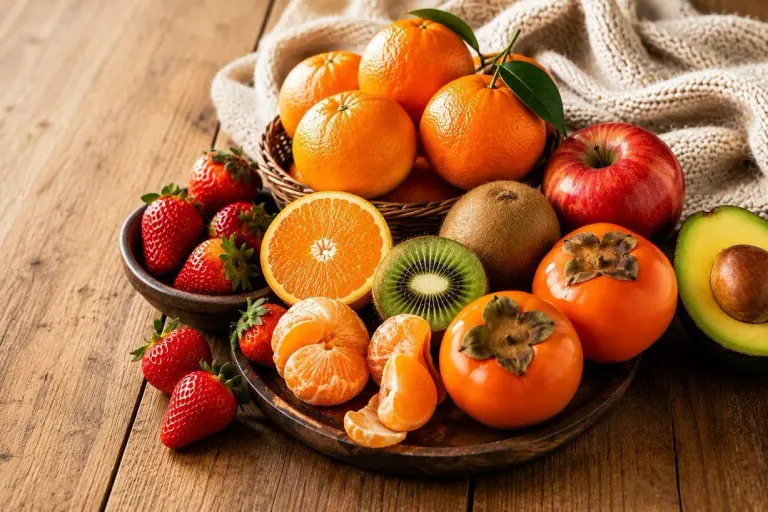
Oranges are one of the most well-known winter fruits. Juicy and aromatic, they offer a substantial amount of Vitamin C. A medium-sized orange contains approximately 70 milligrams of Vitamin C, although actual amounts may vary.
Vitamin C performs several essential functions in the body. It contributes to the normal functioning of the immune system, supports collagen formation, and enhances iron absorption from plant-based foods. Moreover, it acts as an antioxidant, helping to protect cells from oxidative stress.
It is best to consume oranges as whole fruits. This way, you also ingest the fiber they contain and do not need to consume large quantities at once, as with juice. Orange juice can also be part of a balanced diet but should not entirely replace the whole fruit.
Tip: Oranges go well with breakfast, in a fruit salad, or as a fresh afternoon snack.
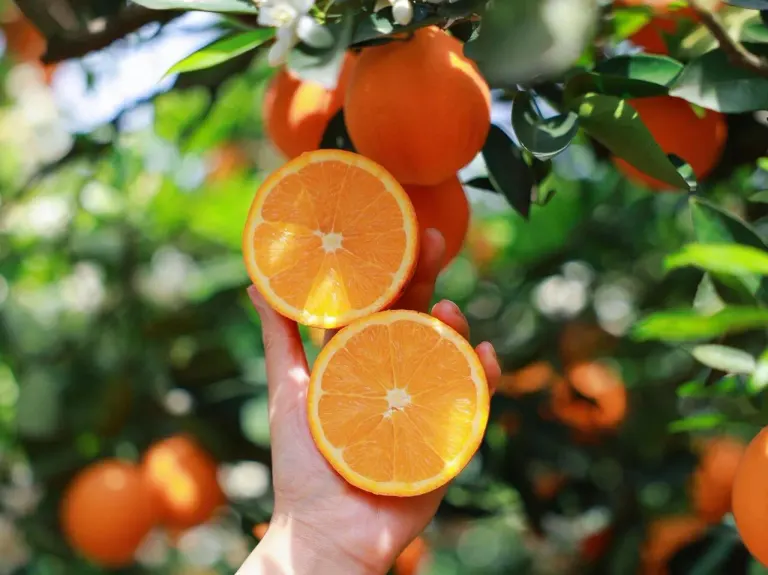
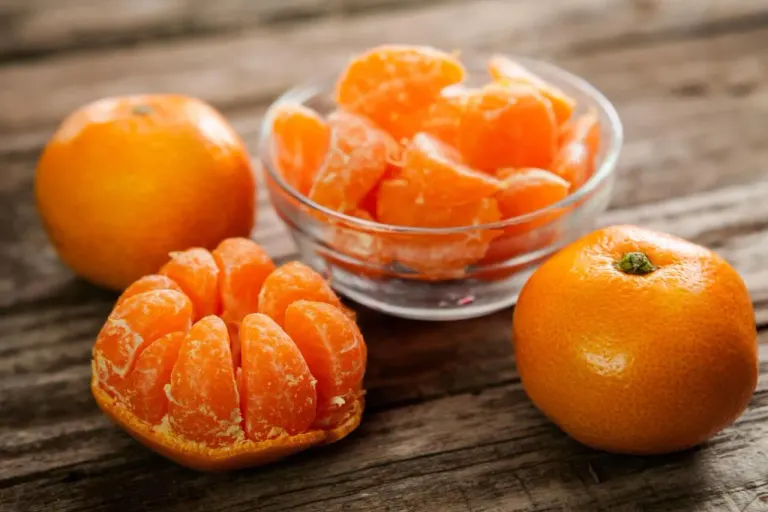
Mandarins are particularly popular in winter. They are easy to peel, taste sweet, and are ideal for on-the-go consumption. Like other citrus fruits, they contain Vitamin C and various phytochemicals.
Their convenient size makes it easy to incorporate them regularly into daily life. Instead of reaching for sweets, a mandarin can be a simple alternative. They provide water, natural carbohydrates, and some essential micronutrients.
However, mandarins are not a substitute for an overall balanced diet. Their strength lies in their simplicity and ability to help make daily fruit consumption more varied.
Tip: Two mandarins make a perfect snack or a complement to yogurt and oats.
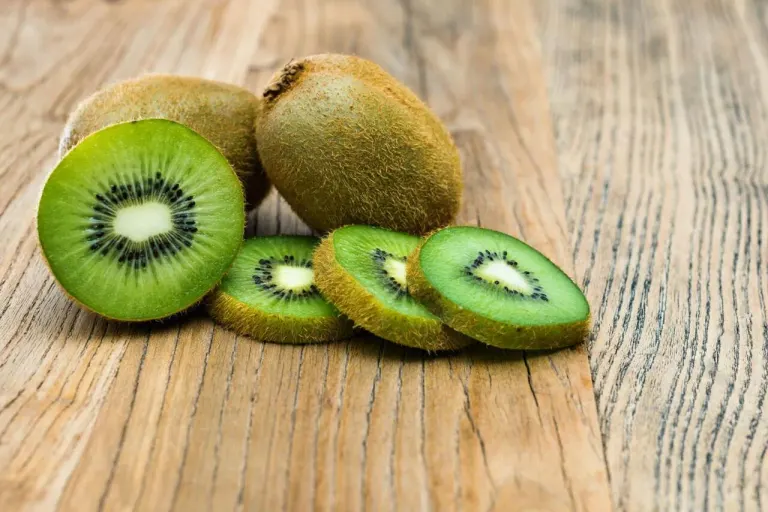
The kiwi is one of the most interesting fruits for winter when it comes to Vitamin C. A medium-sized green kiwi usually contains around 60 to 70 milligrams of Vitamin C. Values can vary significantly depending on the variety and size.
In addition to Vitamin C, the kiwi provides fiber and other micronutrients. Vitamin C supports the normal immune function, while fiber contributes to normal digestion. Its fresh, slightly tart flavor makes it easy to pair with other fruits.
To diversify your diet, you can combine kiwi with oranges, apples, or natural yogurt. It also tastes great in oatmeal or homemade fruit bowls.
Tip: Slice fresh kiwi and combine it with oats, nuts, and natural yogurt for a balanced meal rich in fiber, protein, and various micronutrients.
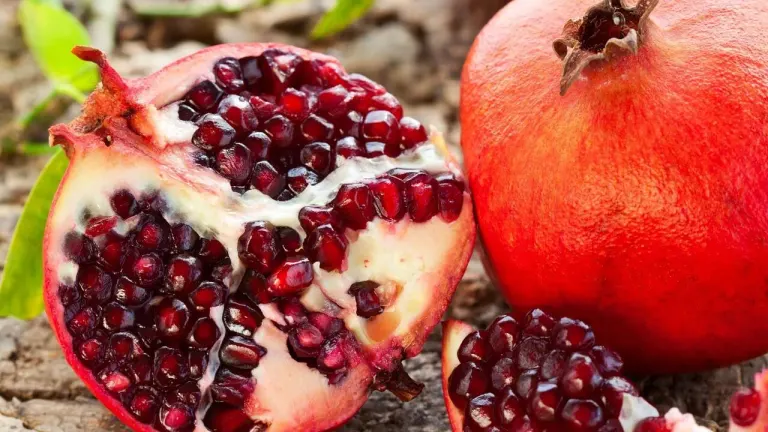
The pomegranate stands out mainly because of its bright red seeds. It contains various polyphenols, a type of phytochemical, which are being researched for their antioxidant properties.
These components make pomegranates an interesting addition to a varied diet. However, a high content of polyphenols does not automatically mean that consuming them offers immediate protection against infections or strengthens the immune system. Many studies on individual phytochemicals come from laboratory or small clinical trials and cannot be directly applied to disease prevention.
The seeds also provide fiber, adding a fruity, slightly tart note to dishes. They are perfect with natural yogurt, oats, salads, or as a topping on warm meals.
Tip: Use the whole pomegranate seeds rather than relying solely on pomegranate juice.
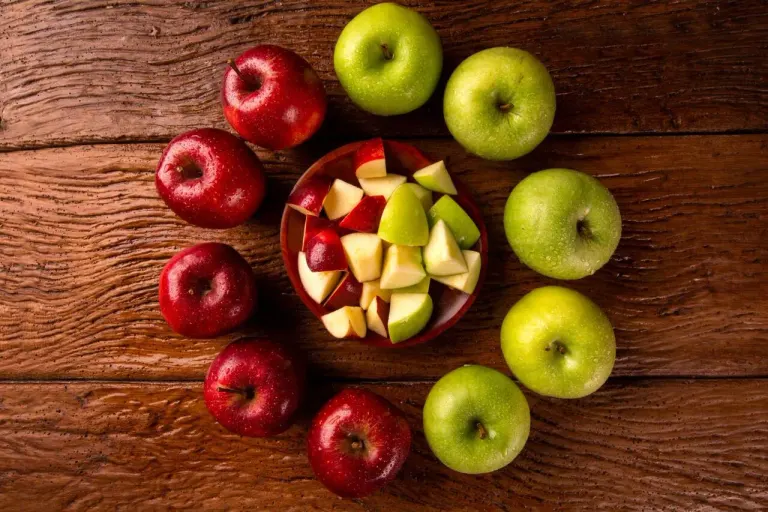
Apples are readily available in Central Europe even during winter and can be easily stored. They contain fiber, including pectin, and various polyphenols. Some phytochemicals are located in or just beneath the skin.
Fiber contributes to normal digestion and can support gut health as part of a varied diet. Therefore, apples are a good choice even if they contain less Vitamin C compared to kiwis or oranges.
An additional advantage: Apples are easy to transport, require no elaborate preparation, and complement both sweet and savory dishes.
Tip: Whenever possible, eat apples with the skin on, after thoroughly washing them, as long as you can tolerate it. Combined with a handful of nuts, they make a satisfying snack.
Pears offer another way to diversify fruit consumption in winter. They contain water, fiber, and various phytochemicals. Notably, their fiber content can contribute to normal digestion.
Pears taste great on their own but also complement oats, natural yogurt, or a winter fruit salad. However, those sensitive to certain fermentable carbohydrates should note that pears may cause bloating or other digestive discomfort in some individuals.
As with pears, they need not be considered an exceptional superfood. Their value lies predominantly in supporting a varied and fiber-rich diet.
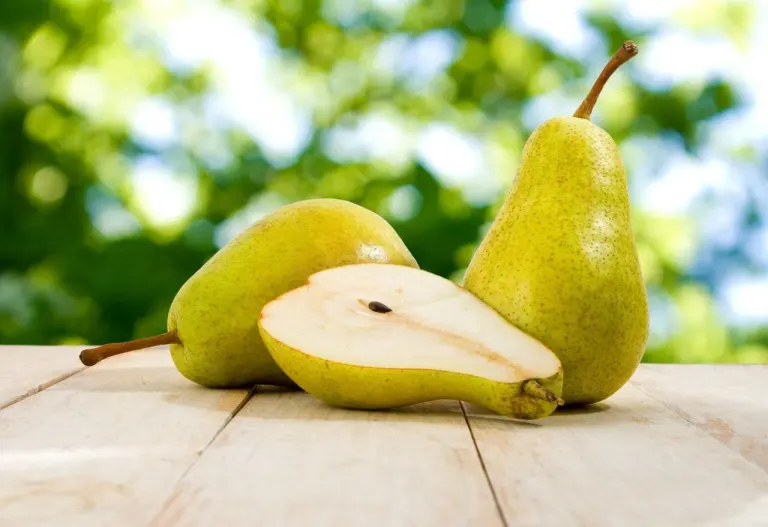
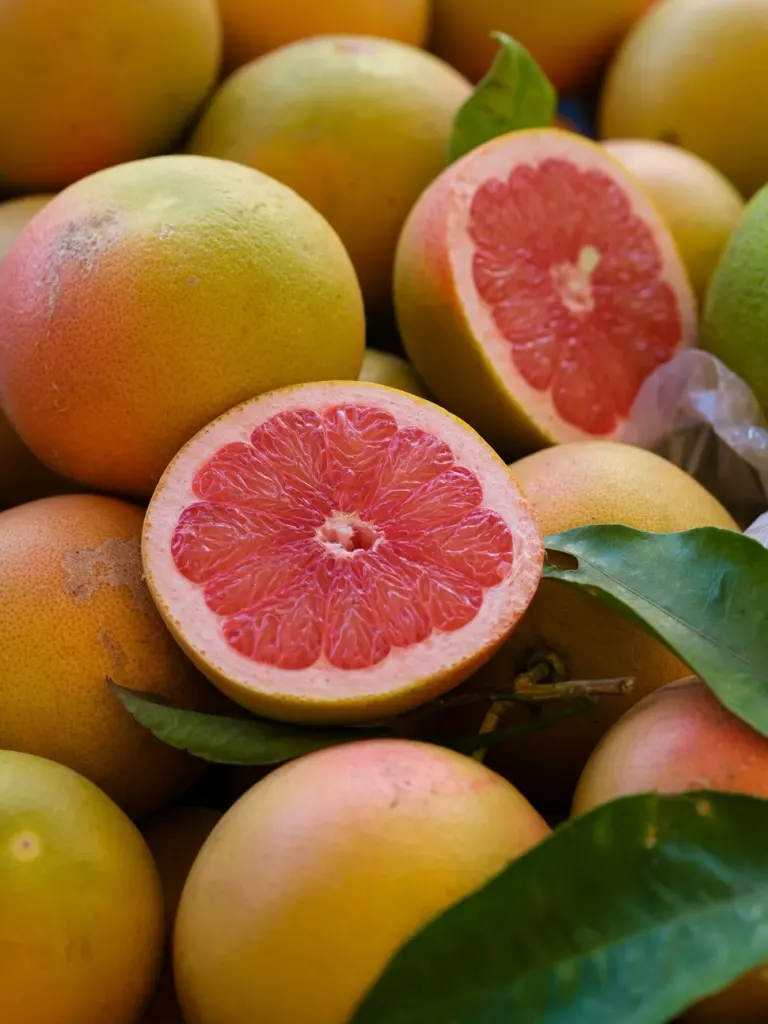
Grapefruits contain Vitamin C and other phytochemicals. Their slightly bitter taste adds variety to the diet, making them a potential addition to a winter breakfast.
However, one important point must be considered: Grapefruit and grapefruit juice can interact with certain medications. This interaction can either enhance or diminish the effect of some drugs, such as certain cholesterol-lowering agents, among other prescription medications.
If you take medications regularly, check for possible interactions before consuming grapefruit. In case of doubt, consult a pharmacy or healthcare provider.
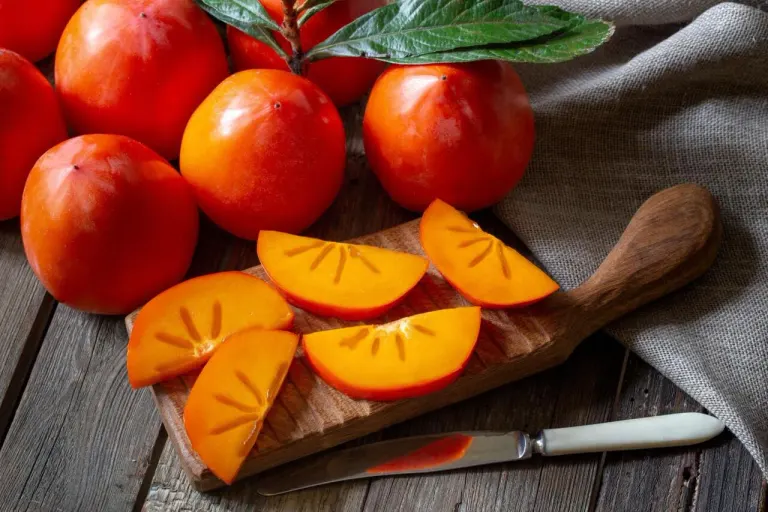
The persimmon is available mainly in autumn and winter. Its sweet flesh contains carotenoids, which the body can partially convert into Vitamin A, as well as fiber.
Vitamin A supports the normal function of the immune system and helps maintain normal mucous membranes. How much the body can derive from a persimmon depends, among other factors, on the contained carotenoids and their absorption.
Because of its natural sweetness, the persimmon serves well as a dessert or a breakfast supplement. If you’re mindful of your caloric intake, there's no need to avoid it: The key is the overall diet, not one single fruit.
Tip: Ripe persimmons taste particularly delightful with natural yogurt and a dash of cinnamon.
If you specifically aim to increase your Vitamin C intake, kiwis and citrus fruits are excellent options. The following values serve as a guide and may vary depending on variety, size, and storage.
Scroll sideways if needed to see all columns.
| Food | Approximate Vitamin C Amount |
|---|---|
| 1 Medium Orange | 70 mg |
| 1 Medium Kiwi | 64 mg |
| ½ Grapefruit | 39 mg |
The above values are based on nutritional information from the U.S. National Institutes of Health. They serve as guidelines and not exact values for each individual fruit.
For adults, the recommended Vitamin C intake is 75 mg per day for women and 90 mg per day for men, who do not smoke. Other national recommendations may vary slightly. Smokers have an increased requirement.
Also important: More Vitamin C does not automatically equate to greater protection against colds. Adequate intake is necessary for normal immune function, while very high amounts do not necessarily offer additional benefits.
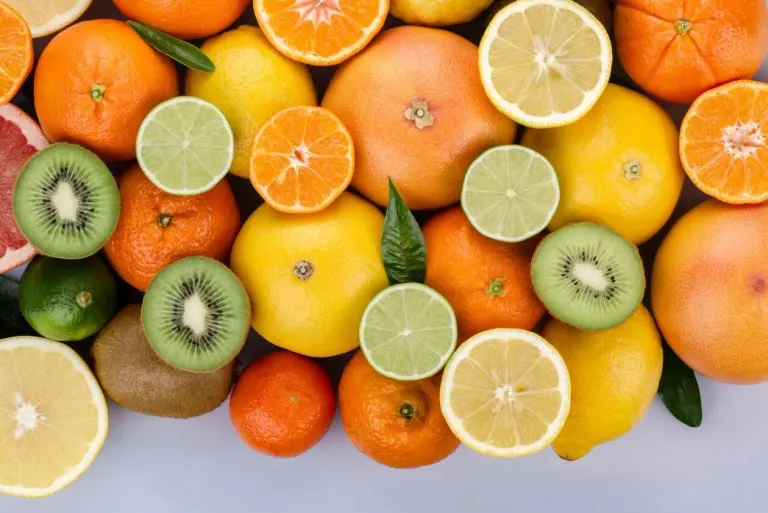
Incorporating fruit into your winter routine doesn’t have to be complicated. Often, small habits can be easily integrated into your daily schedule.
At breakfast, combine oats with kiwi, apple, or mandarin. As a snack, an orange or pear works well. Pomegranate seeds add color to a salad, while a ripe persimmon pairs nicely with natural yogurt.
It is particularly beneficial to switch between different fruits. This way, you access not just various vitamins and minerals, but also different fibers and phytochemicals.
Furthermore, pay attention to seasonal and regional offerings. Apples and pears store well in Central Europe, while citrus and kiwis are often imported from warmer regions. Frozen fruits can also be a practical option, especially when fresh berries are unavailable or expensive.

Winter fruits provide a simple and delicious way to diversify your diet during the colder season. Oranges, mandarins, and kiwis are especially rich in Vitamin C, important for the immune system's normal function. Apples and pears are rich in fiber, while pomegranates and persimmons introduce other interesting phytochemicals.
The goal isn’t to eat a specific “superfruit” every day. What is more important is a varied diet with different fruits and vegetables, adequate protein, healthy fats, and other essential nutrients.
Plenty of sleep, regular exercise, and good hygiene also contribute to health in winter. No single fruit can reliably prevent a cold. Nonetheless, sufficient nutrient intake provides essential conditions for the normal functioning of our immune system.
The best strategy: Regularly consume fruit, rotate between varieties, and choose fruits that taste good and seamlessly fit into your lifestyle.
Scientific context is crucial: The sources support the importance of adequate nutrient intake and describe the components of various foods. They do not attest that any particular winter fruit alone can prevent colds or other infections.

Protein is vital for athletes not only for muscle development but also for maintaining performance and aiding recovery.
Read article
This blog provides a detailed analysis of how smoking restricts athletic performance – based on current scientific studies.
Read article
This blog contains scientific facts about oats and testosterone, a detailed analysis of phytic acid, a clear table, hormone-friendly nutrition tips, background knowledge on…
Read article