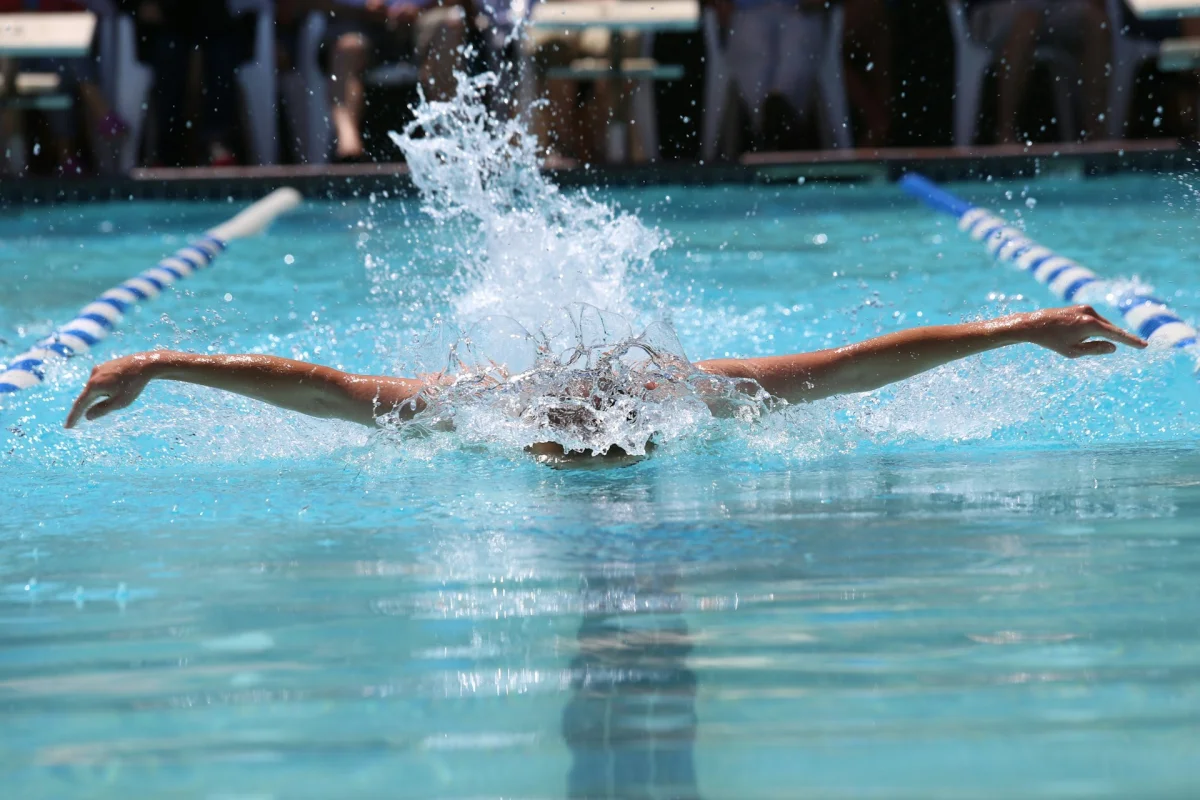
Swimming is far more than just a summer pastime. It stands as one of the most effective, joint-friendly, and versatile sports available. Whether you are a beginner, a recreational athlete, or an ambitious competitor, training in the water provides immense benefits for the cardiovascular system, musculature, posture, and mental health.
In this comprehensive blog, you will learn why swimming is considered a genuine full-body workout, how it supports fat burning and muscle building, which swimming styles engage specific muscle groups, and how to strategically integrate swimming into your training plan.
Why swimming is the perfect full-body workout
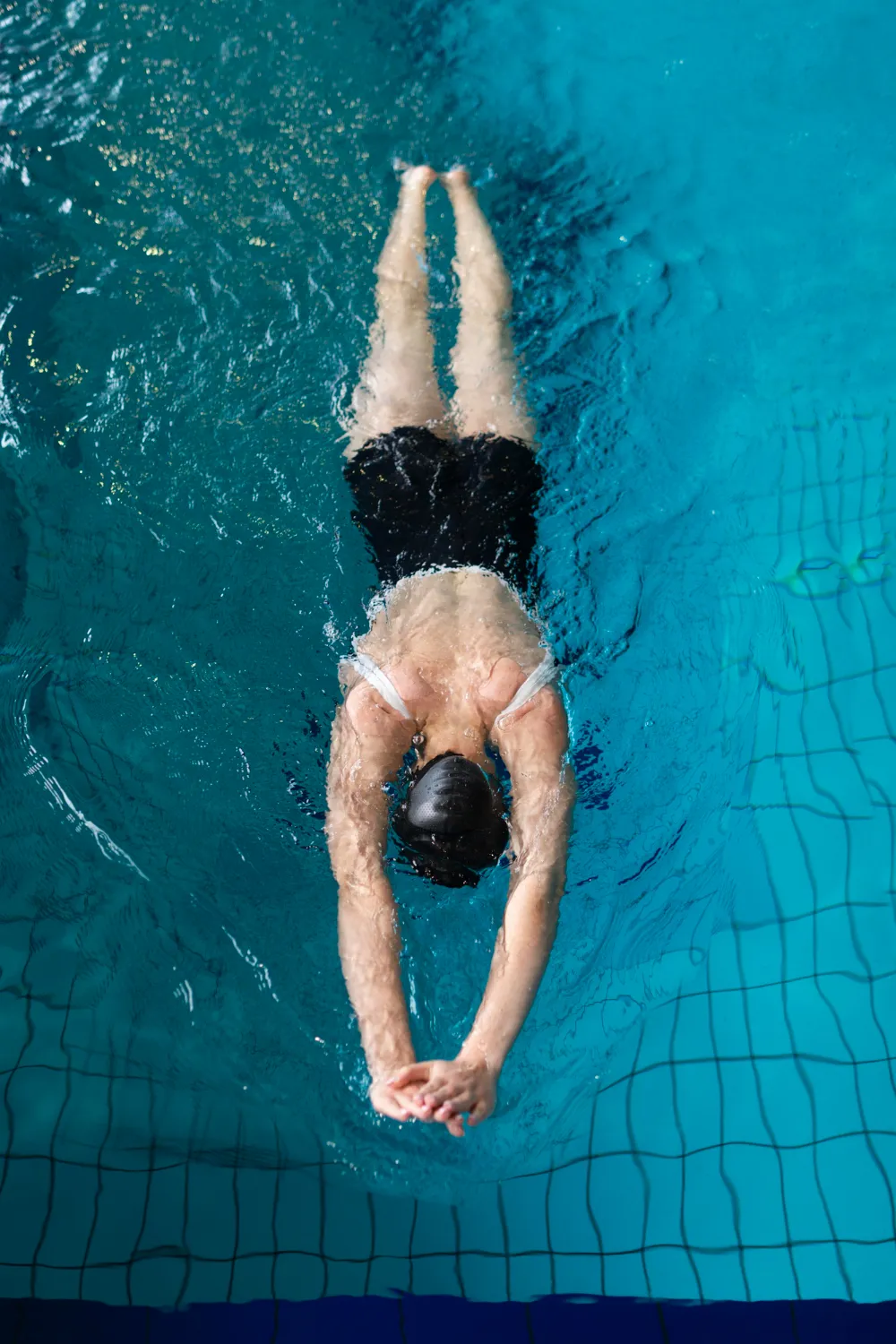
Swimming engages almost the entire musculature simultaneously. Unlike traditional strength training, where individual muscle groups are isolated, swimming involves a coordinated total body workout.
The water provides a natural resistance, affecting all directions of movement. As a result, muscles must constantly stabilize and work, even during slow movements. At the same time, buoyancy reduces the strain on joints, spine, and intervertebral discs.
Especially for people with knee issues, back problems, or higher body weight, swimming is an ideal form of exercise. The risk of injury is comparatively low, while the calorie consumption remains high.
Which muscles are trained by swimming?
Upper body
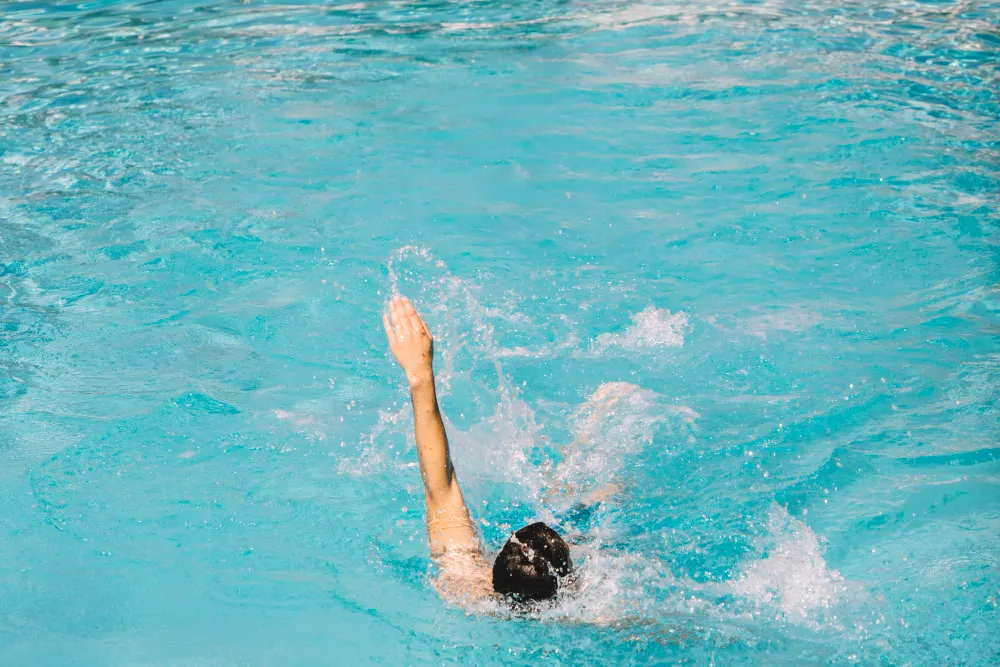
In freestyle and backstroke, the latissimus, shoulders, and triceps are particularly engaged. The pull movement underwater somewhat resembles a lat pull or rowing exercise in the gym – but with constant resistance.
The chest muscles are also activated, especially in breaststroke through the outward arm movement.
Core and torso
The core works continuously to maintain a stable position in the water. Abdominal and lower back muscles remain constantly active to keep the body straight and extended.
Regular swimming not only improves muscle tone but also enhances posture in everyday life.
Legs
In breaststroke, the focus is strongly on the adductors and thighs. In freestyle and backstroke, the hip flexors, gluteal muscles, and calves are mainly trained.
Calorie consumption and fat burning
Swimming ranks among the most effective endurance sports. Calories burned depend greatly on intensity, swimming style, and body weight.
Average values per hour:
- Leisurely breaststroke: approximately 400–500 kcal
- Moderate freestyle: approximately 500–700 kcal
- Intense interval training in water: up to 800 kcal
The major advantage lies in the even engagement of large muscle groups. Thus, oxygen consumption significantly increases, and fat burning is effectively stimulated.
Another point: water continually cools the body. To maintain body temperature, the organism consumes additional energy. This effect can positively influence the total calorie balance.
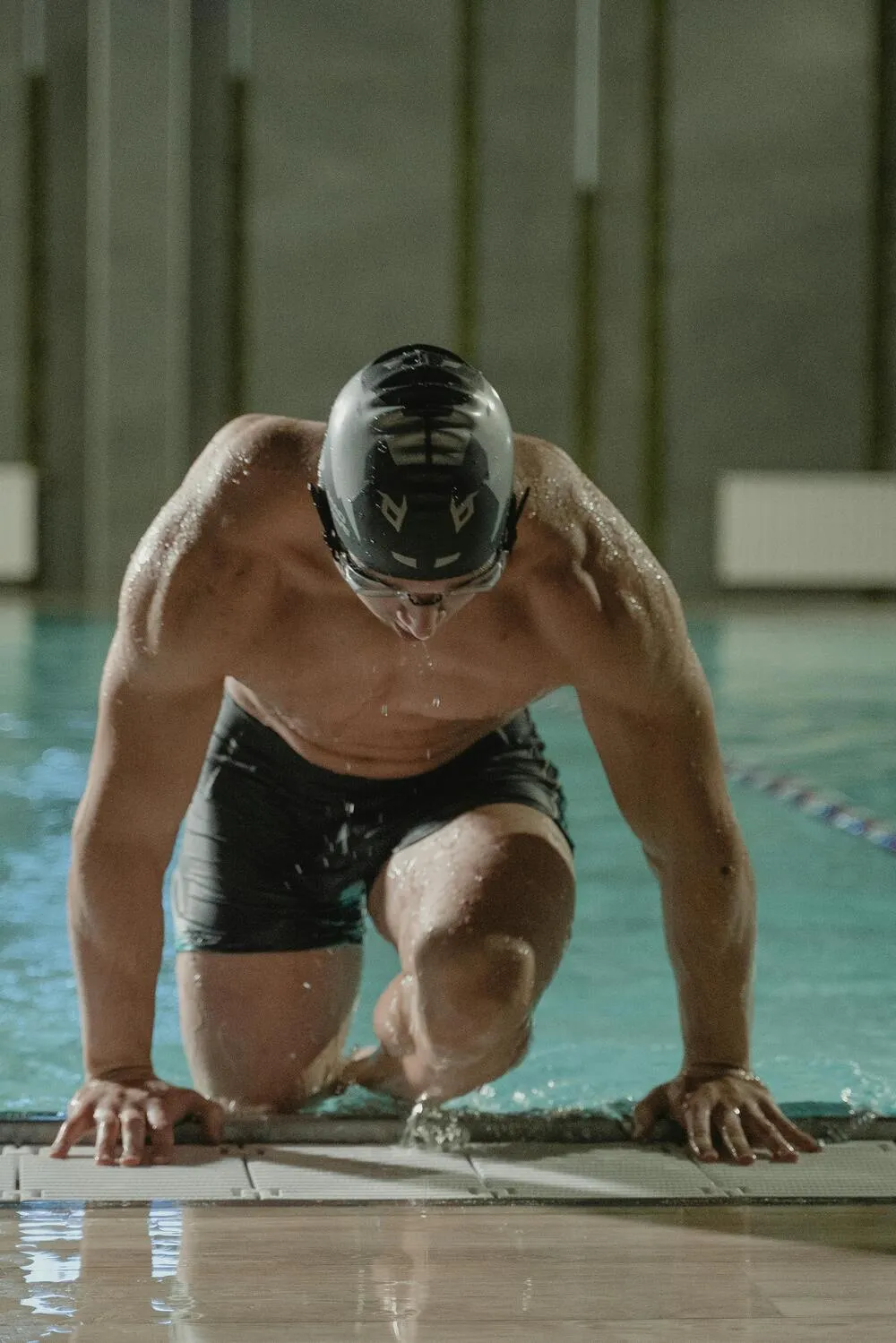
An overview of swimming styles
Breaststroke
The most popular style in leisure swimming. Well-suited for beginners. Technically less complex, but incorrect execution can strain the cervical spine.
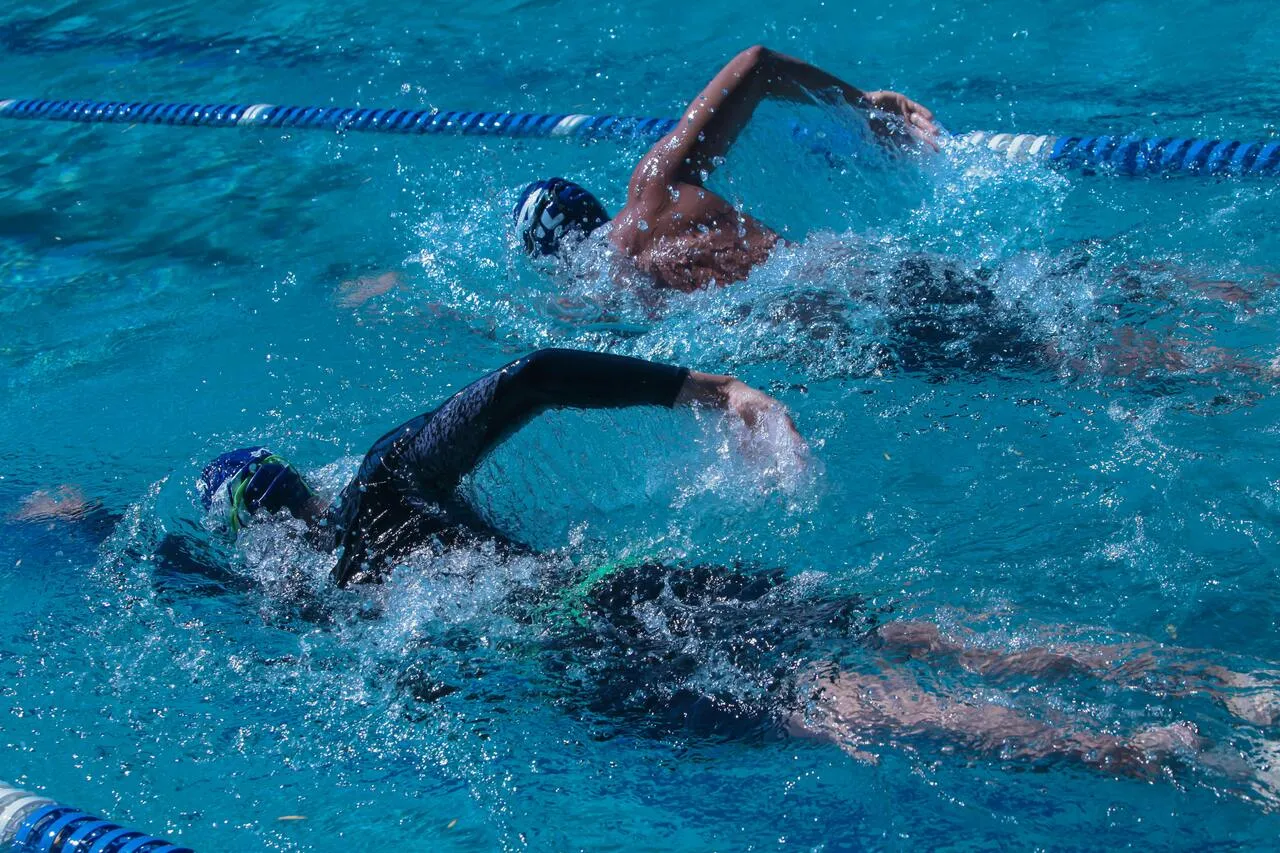
Freestyle
Very efficient and fast. High calorie consumption. Particularly engages shoulders, back, and core. Ideal for ambitious athletes.
Backstroke
Gentle on the back and beneficial for posture. Intensively activates the back and shoulder muscles.
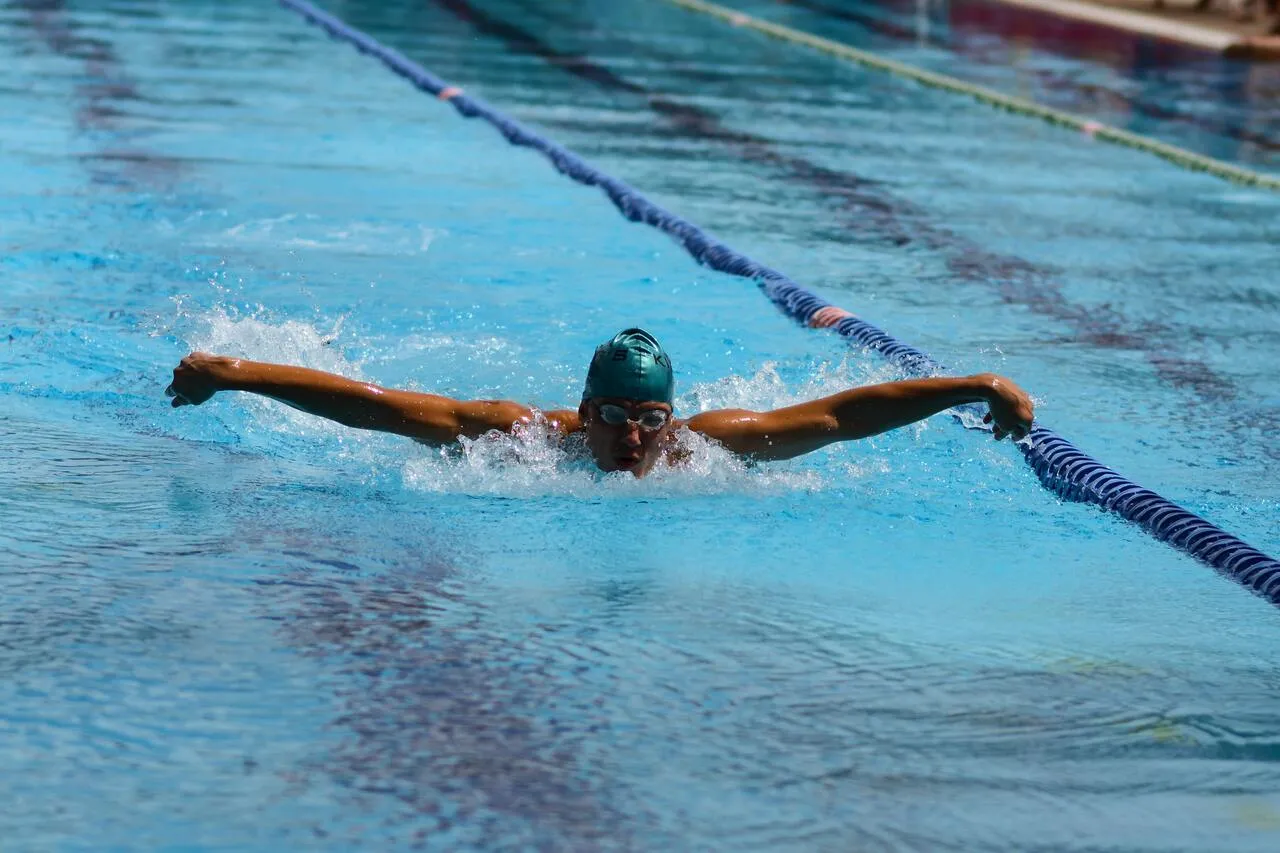
Butterfly
Extremely demanding. High full-body engagement and very high energy consumption. Suited for advanced individuals.
Can swimming build muscle?
Swimming does not replace classic strength training with progressive overload but can still lead to muscular adaptations. Especially beginners experience a noticeable increase in muscle tension due to water resistance.
Those aiming to develop musculature specifically can increase resistance using aids like pull buoys or paddles. Interval training further increases intensity and stimulates fast-twitch muscle fibers.
For maximum results, a combination of strength training on land and swimming workouts in water is recommended.
Mental benefits of swimming
The steady gliding through water has a calming effect on the nervous system. Many people report experiencing a meditative state during longer swimming sessions.
The rhythmic breathing, steady movements, and reduced noise level underwater have stress-reducing effects. Studies show that regular endurance exercises such as swimming can alleviate symptoms of stress and mild depressive moods.

Incorporating swimming into your training plan
For general fitness, two to three sessions per week of 30 to 45 minutes are sufficient.
For fat reduction, a combination of moderate continuous swimming and short intervals is recommended.
For performance enhancement, one can combine technique training, sprints, and longer endurance sessions.
Proper technique is crucial. Incorrect movement patterns can cause shoulder issues. A technique coaching session or at least a video analysis can be very helpful.
Nutrition around swimming training
Before training, a light, easily digestible meal with carbohydrates and moderate protein is recommended.
After training, a combination of protein and carbohydrates supports recovery. Especially during intense sessions, ensuring adequate fluid intake is important, even though sweating in water is less noticeable.

Conclusion
Swimming is one of the most effective sports for comprehensive fitness. It combines endurance training, muscle activation, and mental relaxation in a single activity.
The combination of joint-friendliness, high calorie consumption, and full-body activation makes swimming extremely valuable for both beginners and ambitious athletes.
To remain healthy, capable, and fit in the long term, swimming offers a versatile and sustainable training concept.