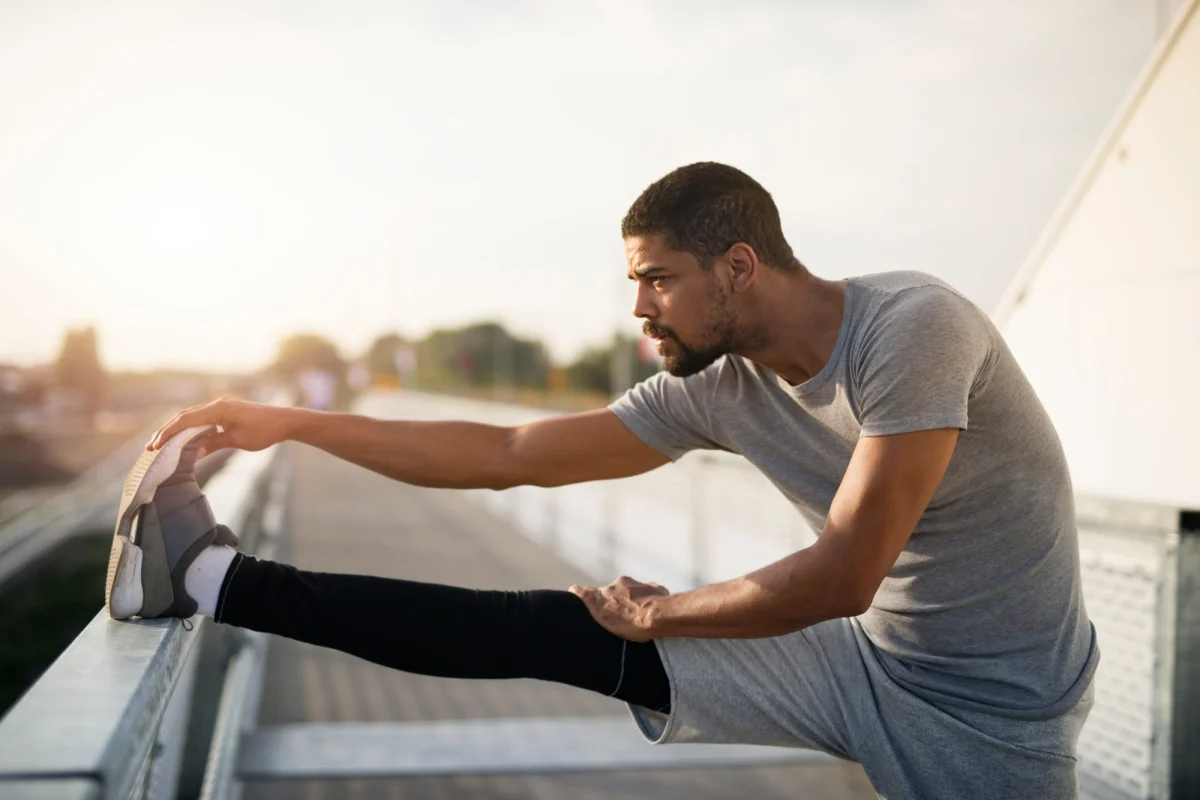
Stretching is an integral part of training for many people. However, few topics cause as much confusion as the question: dynamic or static stretching?
Both forms of stretching have their place – but not at the same time and not with the same goal. Incorrect stretching can lead to decreased performance or even increase the risk of injury.
This blog brings clarity.
What is Dynamic Stretching?
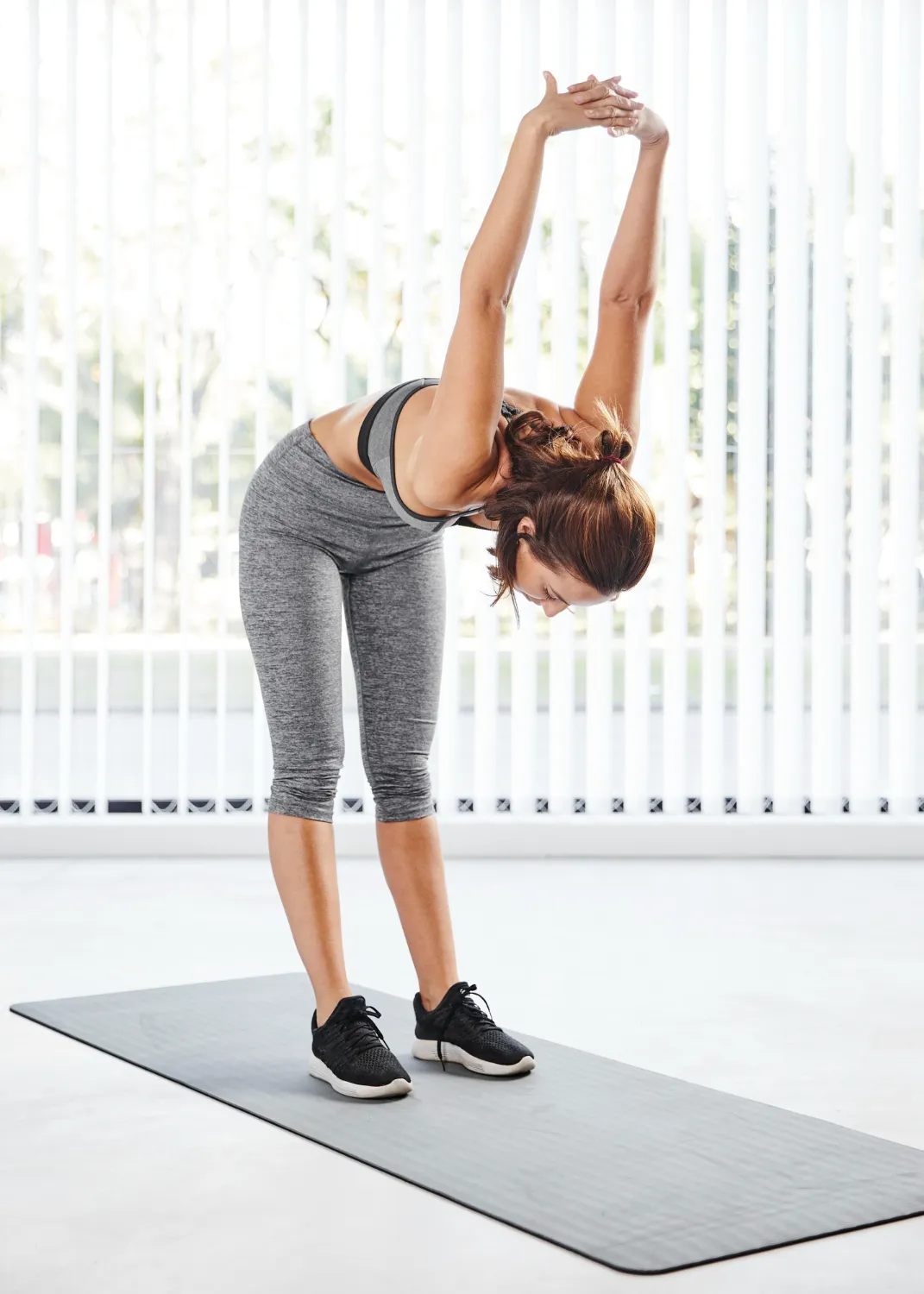
Dynamic stretching involves active, controlled movements where muscles and joints are taken through their full or nearly full range of motion. The stretching occurs not statically, but in the flow of movement.
Typically characterized by:
- no prolonged holding of a position
- increasing range of motion
- activation of the nervous system
Examples:
- Leg swings forward/sideways
- Arm circles
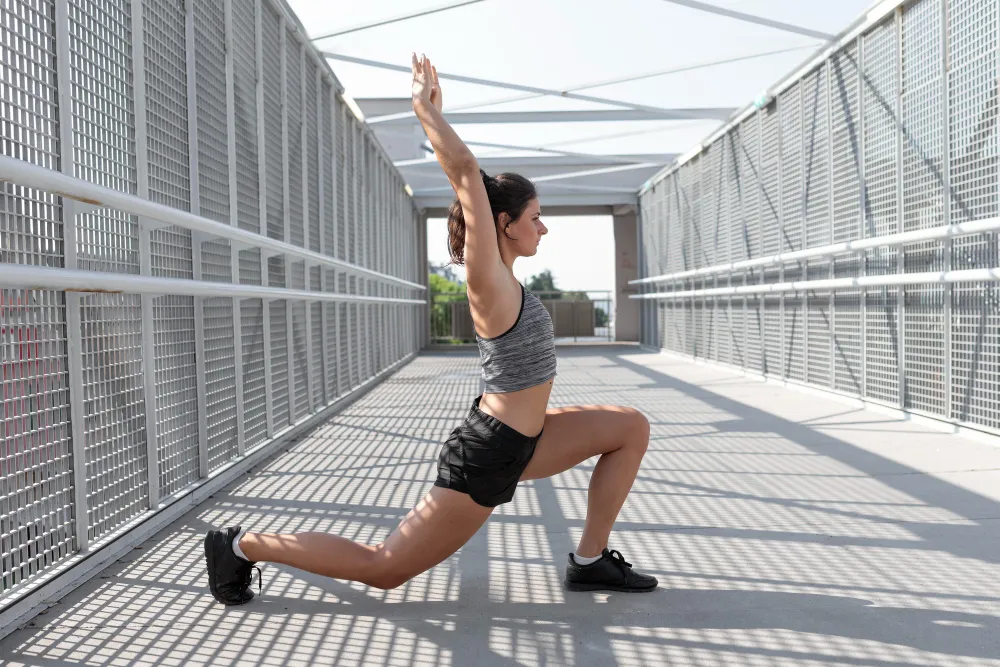
- Lunges with rotation
- Hip openers in motion
Dynamic stretching is movement-oriented, athletic, and functional.
Effects of Dynamic Stretching on the Body
Dynamic stretching acts like an active warm-up:
- Raises body and muscle temperature
- Improves circulation
- Activates the central nervous system
- Prepares joints for stress
- Can temporarily enhance strength and power performance
Especially before strength training, running, or team sports, dynamic stretching is significantly more beneficial than traditional "standing and pulling".

What is Static Stretching?
Static stretching means bringing a muscle into a stretched position and holding it for a certain period, typically between 20 and 60 seconds.
Characteristics:
- calm, controlled stretch
- no movement
- focus on relaxation
Typical examples:
- Standing forward bend
- Calf stretch against the wall
- Standing thigh stretch
- Shoulder and neck stretches
Static stretching primarily aims at flexibility and muscle relaxation.

Effects of Static Stretching
Static stretching offers different effects compared to dynamic stretching:
- Improves long-term flexibility
- Reduces muscle tension
- Promotes relaxation
- Supports recovery
- Fosters a positive body feeling post-training

Important to note: Immediately before intense strength or power training, static stretching can temporarily reduce performance capacity.
Dynamic vs. Static – A Direct Comparison
| Aspect | Dynamic Stretching | Static Stretching |
|---|---|---|
| Form of Movement | Active, flowing | Calm, holding |
| Muscle Activity | High | Low |
| Nervous System | Activating | Calming |
| Performance Effect | Performance-enhancing | Short-term performance inhibiting |
| Ideal Timing | Before training | After training |
| Goal | Preparation, activation | Flexibility, relaxation |
When Should You Opt for Dynamic Stretching?
Dynamic stretching is particularly suitable:
- before strength training
- before running workouts
- before team sports
- as part of a warm-up
It is ideal for getting the body awakened and prepared for upcoming exertions.

When is Static Stretching Useful?
Static stretching is optimal:
- after training
- on rest days
- before bedtime
- in cases of high muscle tension or stress
It helps the body to wind down and supports long-term flexibility.

Common Mistakes in Stretching
Many athletes miss potential opportunities through incorrect stretching:
- static stretching before heavy lifts
- jerky movements during dynamic stretching
- too short or irregular stretching sessions
- stretching despite acute injuries
Stretching should be targeted, deliberate, and aligned with the training goal.
Conclusion: Stretching is Not an Either-Or
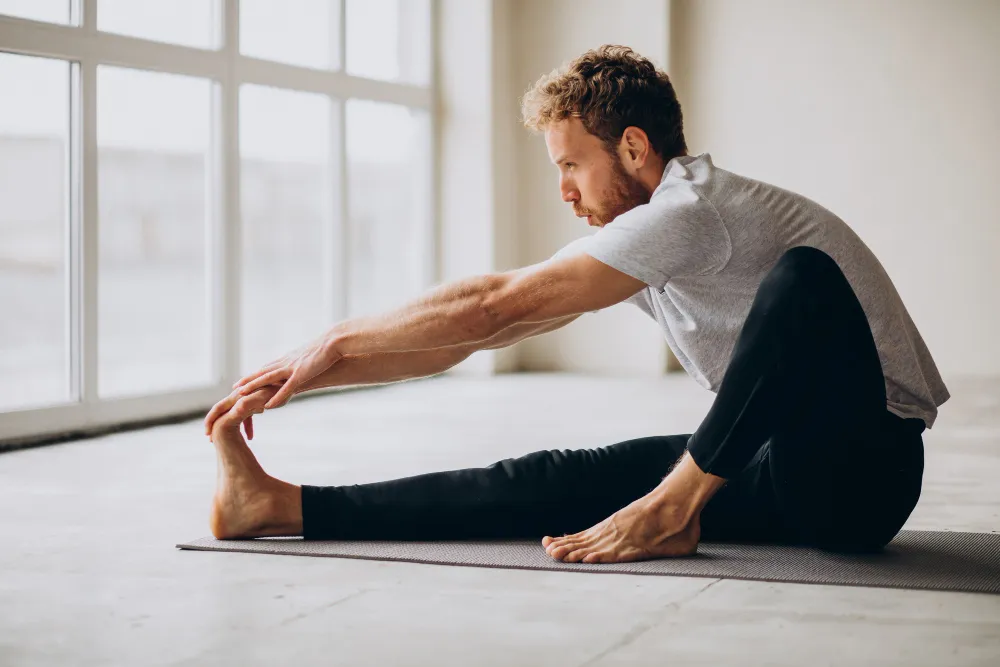
Dynamic and static stretching are not opposites, but complement each other perfectly when used correctly.
- Dynamic stretching prepares you for performance
- Static stretching supports recovery and flexibility
Those who combine both effectively train not only more efficiently but also more healthily.