Dark chocolate is among the few sweets that can simultaneously offer pleasure and health benefits. While regular milk chocolate often consists mainly of sugar, high-quality dark chocolate contains significantly more cocoa and therefore more valuable plant compounds. It is precisely these compounds that make it interesting for science, nutrition, and fitness.
The so-called flavanols are particularly intriguing. These secondary plant compounds are naturally present in cocoa and are associated with positive effects on the cardiovascular system, circulation, and antioxidant protection mechanisms. Several scientific studies indicate that dark chocolate can, in moderate amounts, indeed present health benefits.
However, this does not mean that every bar is automatically healthy. Quality, cocoa content, ingredients, and quantity are crucial.
Why Dark Chocolate is Different from Regular Chocolate
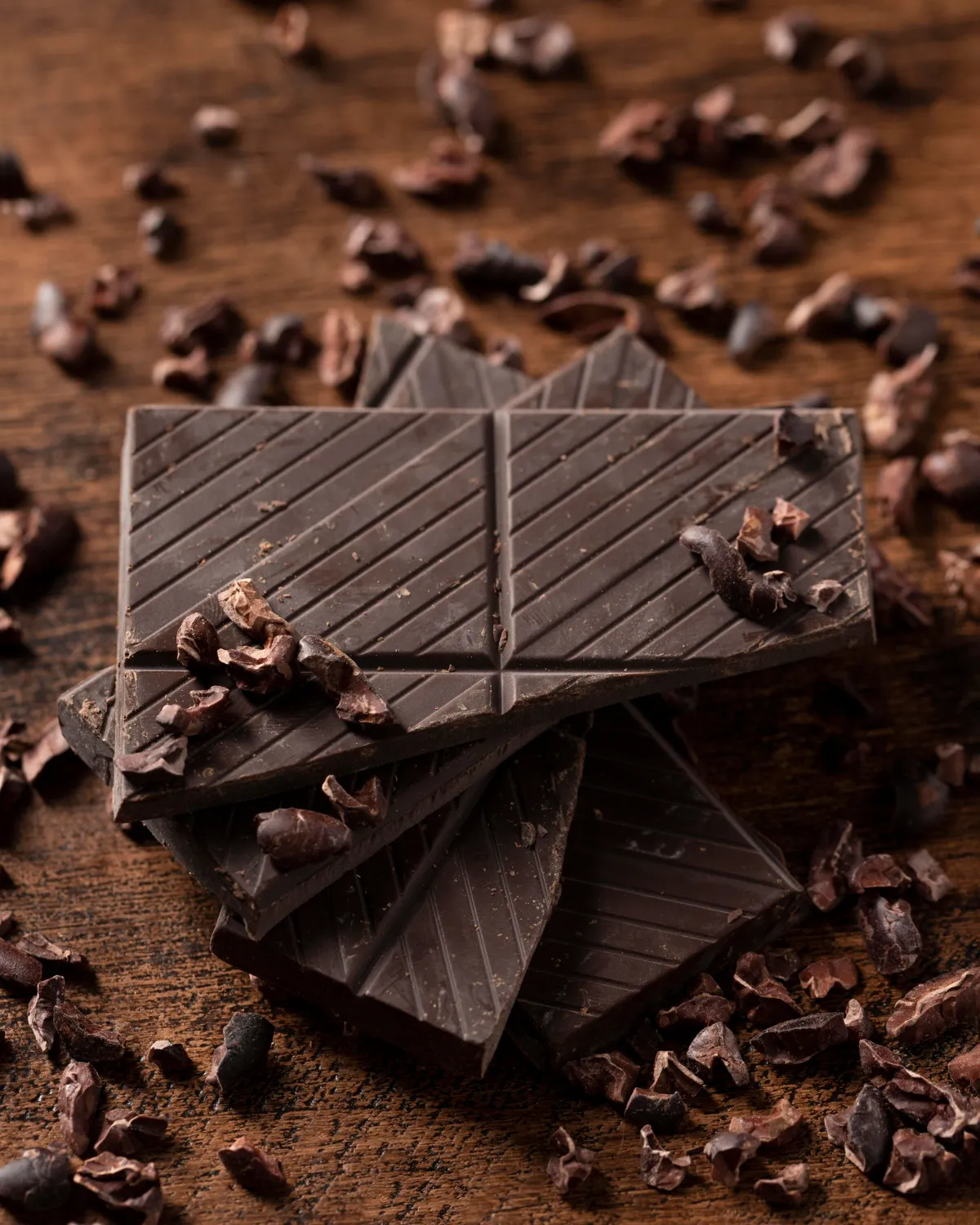
The greatest distinction lies in the cocoa content. Milk chocolate often contains a lot of sugar, milk powder, and comparatively little cocoa. Dark chocolate, on the other hand, consists of significantly more cocoa mass and cocoa butter.
The higher the cocoa content, the more intense the chocolate's flavor—and the more bioactive plant compounds are usually present.
Particularly popular are:
- 70% cocoa
- 80% cocoa
- 85% cocoa
- 90% cocoa
Many people need to get accustomed to the bitter taste. However, this intense flavor often indicates a higher cocoa content and less sugar.
The Most Important Ingredients of Dark Chocolate
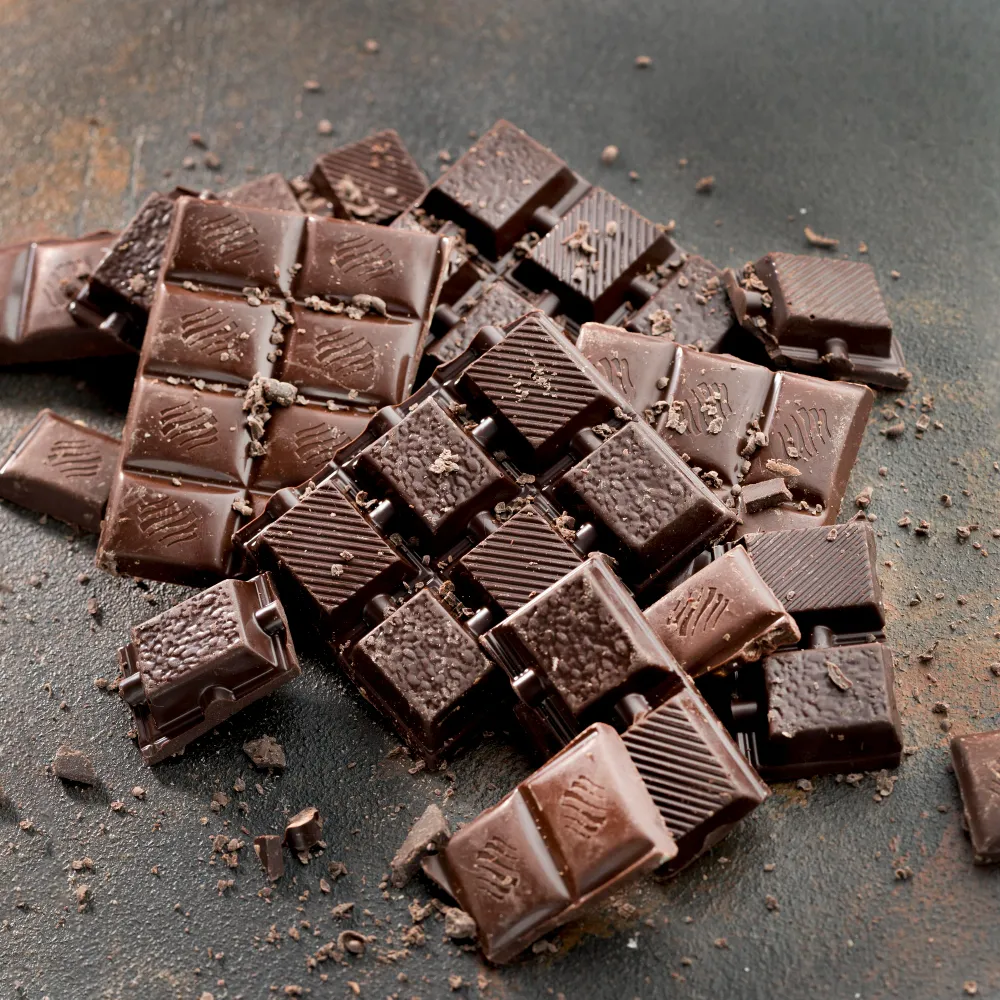
Dark chocolate contains much more than just fat and sugar. Cocoa is rich in various nutrients and plant compounds.
| Ingredient | Effect on the Body |
|---|---|
| Flavanols | antioxidant effects, support of vascular function |
| Magnesium | important for muscles and nervous system |
| Iron | involved in oxygen transport |
| Copper | important for metabolic processes |
| Potassium | supports blood pressure regulation |
| Theobromine | mildly stimulating effect |
| Fiber | can enhance satiety |
Magnesium, in particular, makes dark chocolate interesting for athletes. Active people often consume too little magnesium through their diet.
Dark Chocolate and Heart Health
The most well-known health benefit concerns the cardiovascular system.
Scientific meta-analyses show that cocoa flavanols can enhance vascular function. The focus is primarily on the production of nitric oxide, which dilates blood vessels and improves circulation.
Some studies observed:
- slight improvements in blood pressure
- better vascular elasticity
- positive effects on circulation
- potential support of heart health
A study in the European Heart Journal even showed positive effects of flavanol-rich chocolate on vascular and platelet function in heart patients.
It is important to note: The health effect does not arise from large quantities of chocolate, but rather from small portions of high-quality dark chocolate.

Antioxidants – Why Cocoa is So Interesting
Dark chocolate is rich in antioxidants. These substances help reduce oxidative stress in the body.
Oxidative stress is caused by, among other factors:
- intense physical activity
- lack of sleep
- environmental stressors
- smoking
- poor diet
Cocoa is actually among the most interesting foods in terms of antioxidant properties. Especially dark varieties contain high levels of polyphenols and flavanols.
This makes dark chocolate particularly appealing to health-conscious individuals and athletes.

Can Dark Chocolate Aid in Weight Loss?
Dark chocolate is not a fat burner. Nevertheless, it can indirectly assist with weight loss.
The reason is intriguing:
Dark chocolate often satisfies more quickly than very sweet milk chocolate. The intense flavor often leads people to consume smaller amounts.
Additionally, a small piece of quality dark chocolate can reduce cravings for sweets. Those who practice mindful consumption often end up eating fewer sweets overall.
However: It remains calorie-dense.
100 grams of dark chocolate often provide about 500 to 600 calories. Therefore, the quantity is decisive.

Dark Chocolate in the Fitness World
Many fitness enthusiasts consciously integrate small amounts of dark chocolate into their diet.
There are several reasons for this:
- enjoyable treat despite dieting
- magnesium content
- antioxidant plant compounds
- better hunger control
- high enjoyment factor
Combinations such as:
- dark chocolate + coffee
- dark chocolate + nuts
- dark chocolate + berries
- dark chocolate + oats
are particularly popular.
Especially 85% chocolate is often preferred because it contains relatively little sugar.
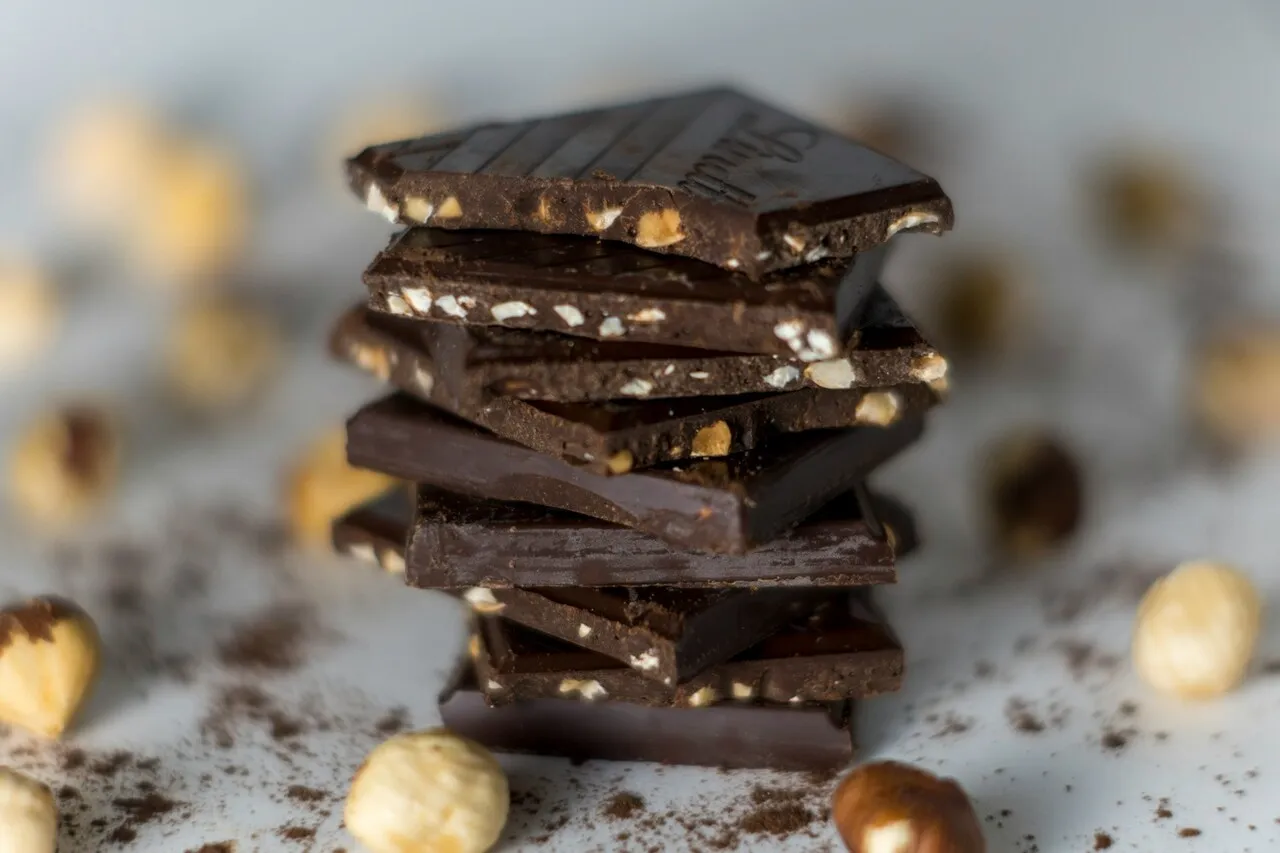
How Much Dark Chocolate is Sensible?
Clearly, more is not necessarily better.
Many experts recommend rather small amounts.
A reasonable portion is often:
- approximately 10 to 30 grams per day
This corresponds to about two to four small pieces.
Excessive amounts can quickly lead to a calorie surplus. Furthermore, cocoa also contains caffeine and theobromine, which sensitive individuals may notice—especially in the evening.
What to Look for When Buying
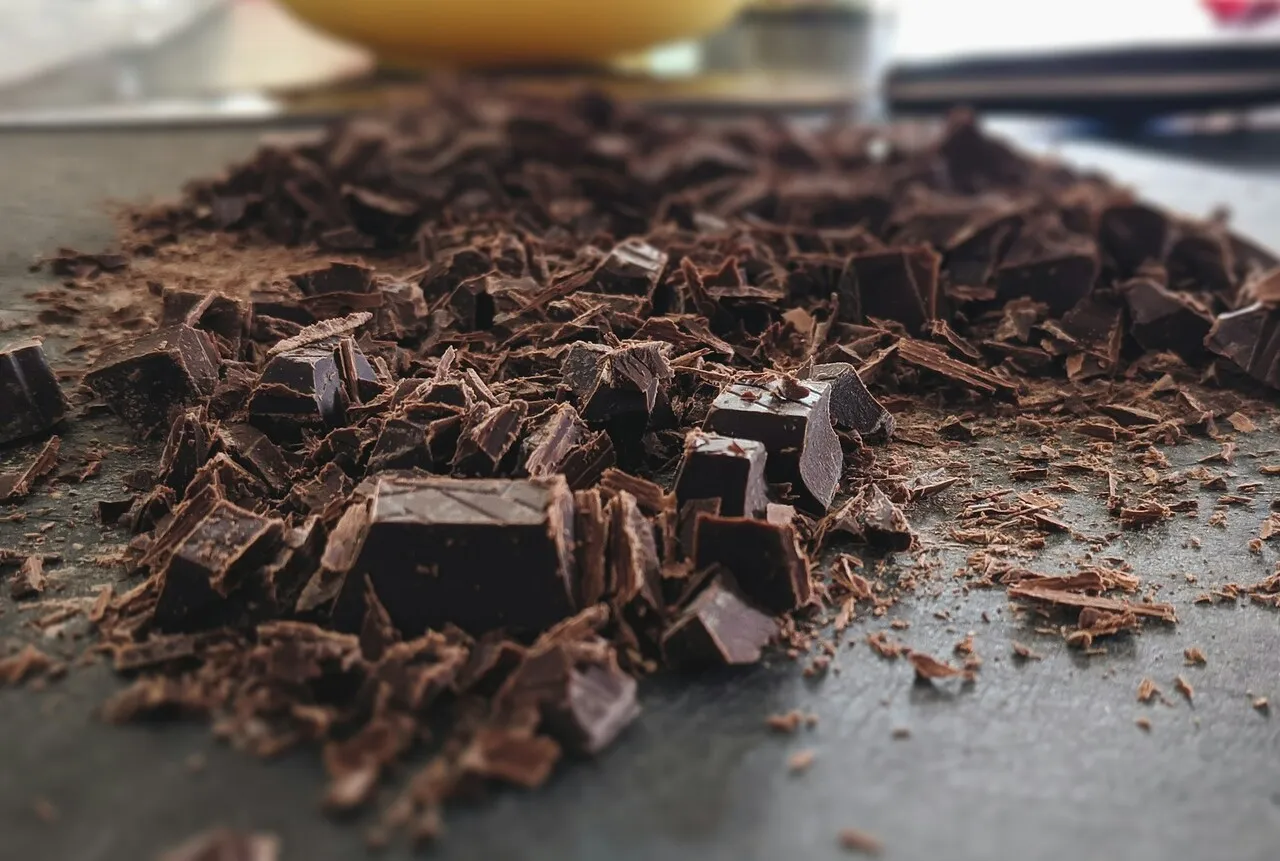
Not every dark chocolate is automatically of high quality.
Try to pay attention to:
| Characteristic | Recommendation |
|---|---|
| Cocoa content | at least 70% |
| Sugar | as little as possible |
| Ingredients list | short and simple |
| Cocoa butter | better than cheap vegetable fats |
| Processing | as unprocessed as possible |
| Additives | as few as possible |
The more cocoa is processed, the more valuable flavanols may be lost.

Are There Any Disadvantages?
Yes. Despite all the advantages, dark chocolate remains a calorie-dense food.
Possible disadvantages include:
- high calorie content
- sometimes high-fat content
- caffeine and theobromine
- potential migraine-trigger for sensitive individuals
- some products contain surprisingly high amounts of sugar
Dark chocolate becomes healthy only with the right amount and quality.

Conclusion
Dark chocolate is much more than just a sweet treat. High-quality cocoa provides intriguing plant compounds, minerals, and antioxidants that are being intensively studied scientifically. Especially the flavanols it contains are the focus of modern research regarding heart health and vascular function.
Nevertheless, the amount remains crucial. Small portions of high-quality dark chocolate can fit well into a healthy diet, while large quantities can quickly deliver too much sugar and calories.
Those who enjoy mindfully and pay attention to a high cocoa content can easily integrate dark chocolate into a balanced diet.