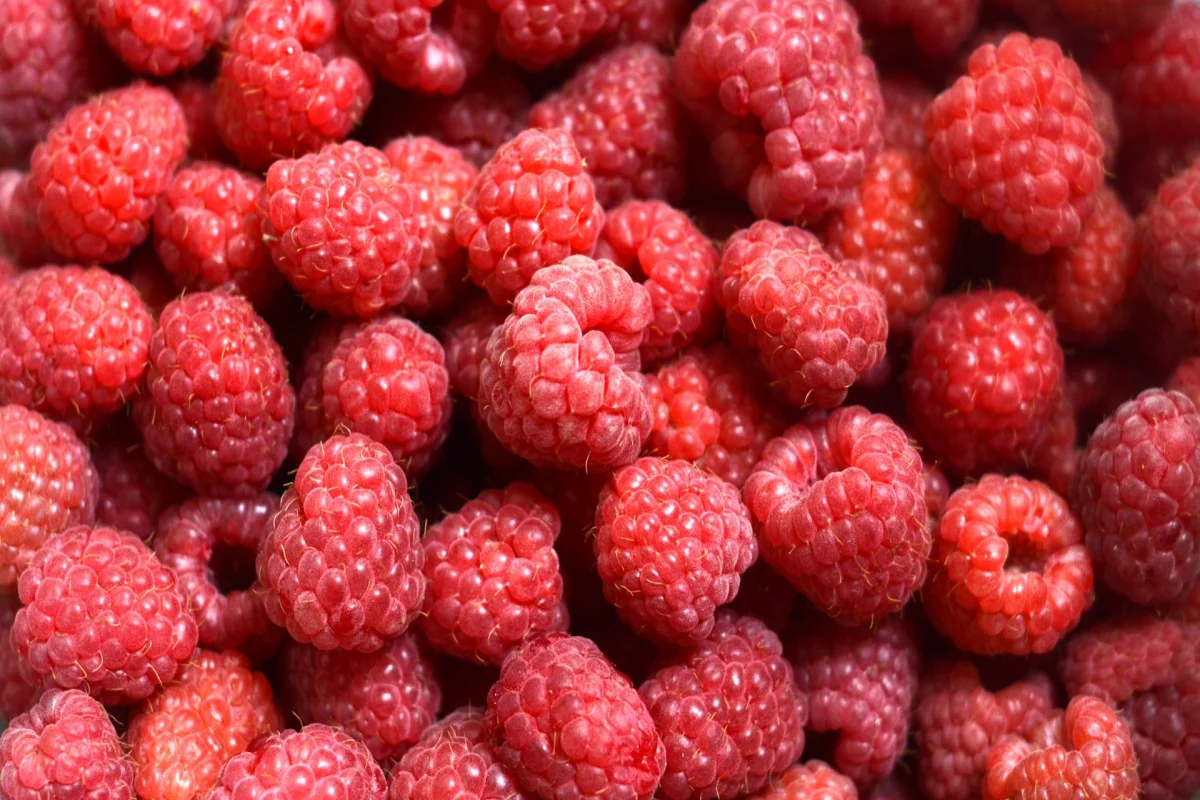
When you think of fitness superfoods, you probably think of oatmeal, eggs, or chicken breast—rarely the delicate, red raspberry. Yet, this small berry packs quite a punch: vitamins, antioxidants, and phytonutrients that can positively influence recovery, fat reduction, and even performance.
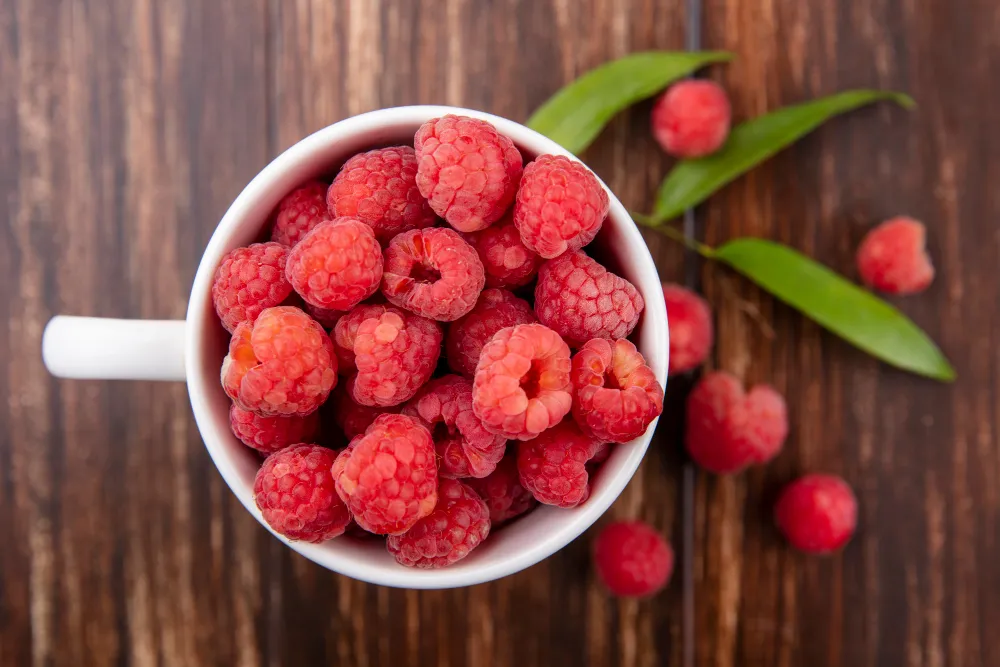
Micronutrient Bomb in Berry Form
Raspberries are low in calories, high in fiber, and packed with micronutrients essential for athletes. In 100 g of raspberries, you will find:
| Nutrient | Amount (per 100 g) | Impact for Athletes |
|---|---|---|
| Calories | approximately 34 kcal | Light and satisfying—ideal during dieting phases |
| Carbohydrates | 5 g | Slowly digested, stabilizes blood sugar |
| Fiber | 6.5 g | Promotes digestion and satiety |
| Vitamin C | 26 mg (32% of daily requirement) | Strengthens the immune system and collagen formation |
| Manganese | 0.7 mg | Supports energy production |
| Magnesium | 22 mg | Essential for muscle contraction |
| Antioxidants | High | Protects muscles from oxidative stress |
(Source: USDA National Nutrient Database, 2024)
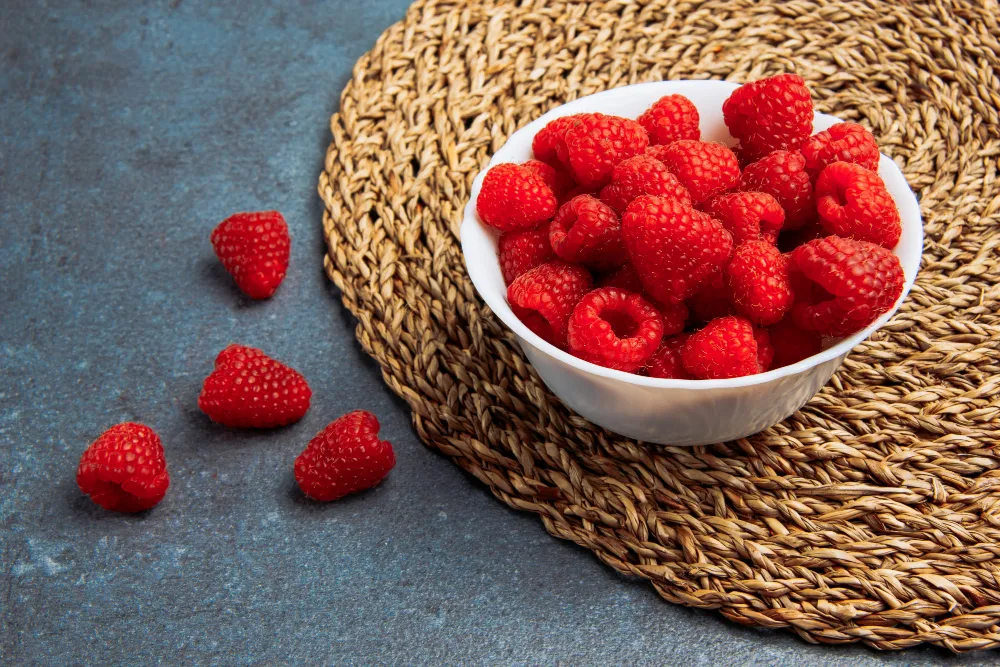
Recovery through Antioxidants
After an intense workout, so-called free radicals can form in your body, attacking cell structures. Raspberries contain anthocyanins, quercetin, and ellagic acid—powerful antioxidants that help neutralize these free radicals. A study by the University of Oslo (2019) demonstrated that berry polyphenols can reduce muscle soreness and accelerate recovery after intense training sessions.

Support in Fat Reduction
Raspberries contain a natural compound called Raspberry Ketone—a substance that can stimulate fat metabolism. Animal studies (e.g., Morimoto et al., Life Sciences, 2005) suggest that raspberry ketones can promote lipolysis, the breakdown of fat in fat cells. Although effects in humans are not yet definitively proven, the combination of low calories, high fiber content, and antioxidants makes raspberries ideal for any diet phase.
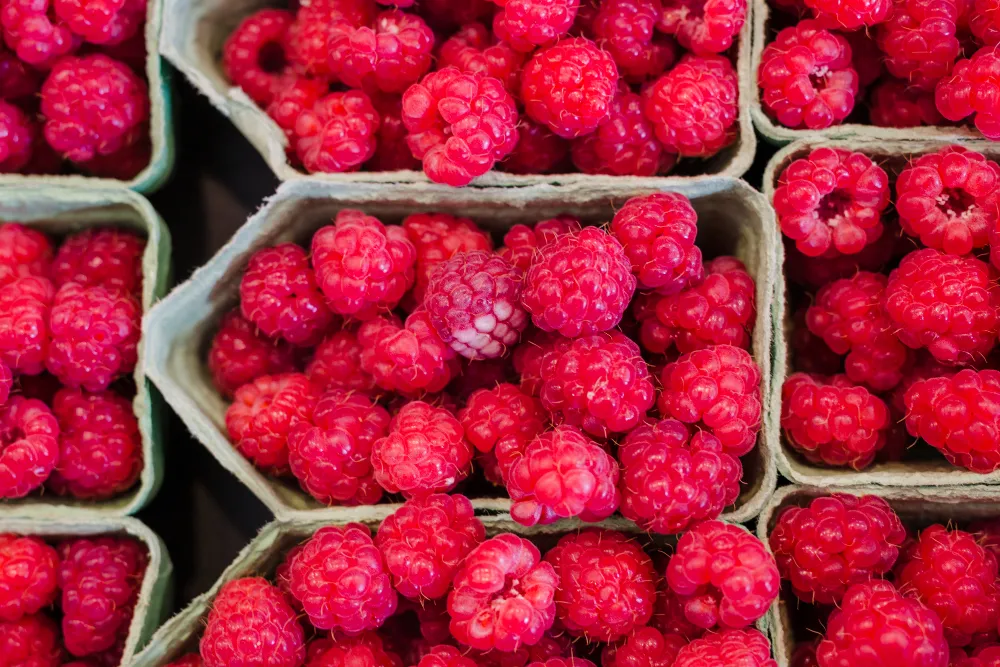
Stable Blood Sugar and Lasting Energy
The low glycemic index of raspberries ensures a slow release of sugar into the bloodstream. This prevents cravings—an important advantage for athletes in the definition phase. Additionally, fiber helps provide more consistent energy intake and regulate appetite.

Anti-Inflammatory Effects for Joints and Muscles
Regular training can cause micro-inflammations—an aspect of the muscle-building process. However, chronic inflammation is counterproductive. Studies (e.g., Nutrition Research, 2021) show that raspberry extracts can reduce inflammatory markers like CRP and TNF-α. This supports both joint health and recovery.

Practical Application in Everyday Fitness
Raspberries can be used in various ways:
- 🍓 Pre-Workout Snack: In a smoothie with oatmeal and protein powder.
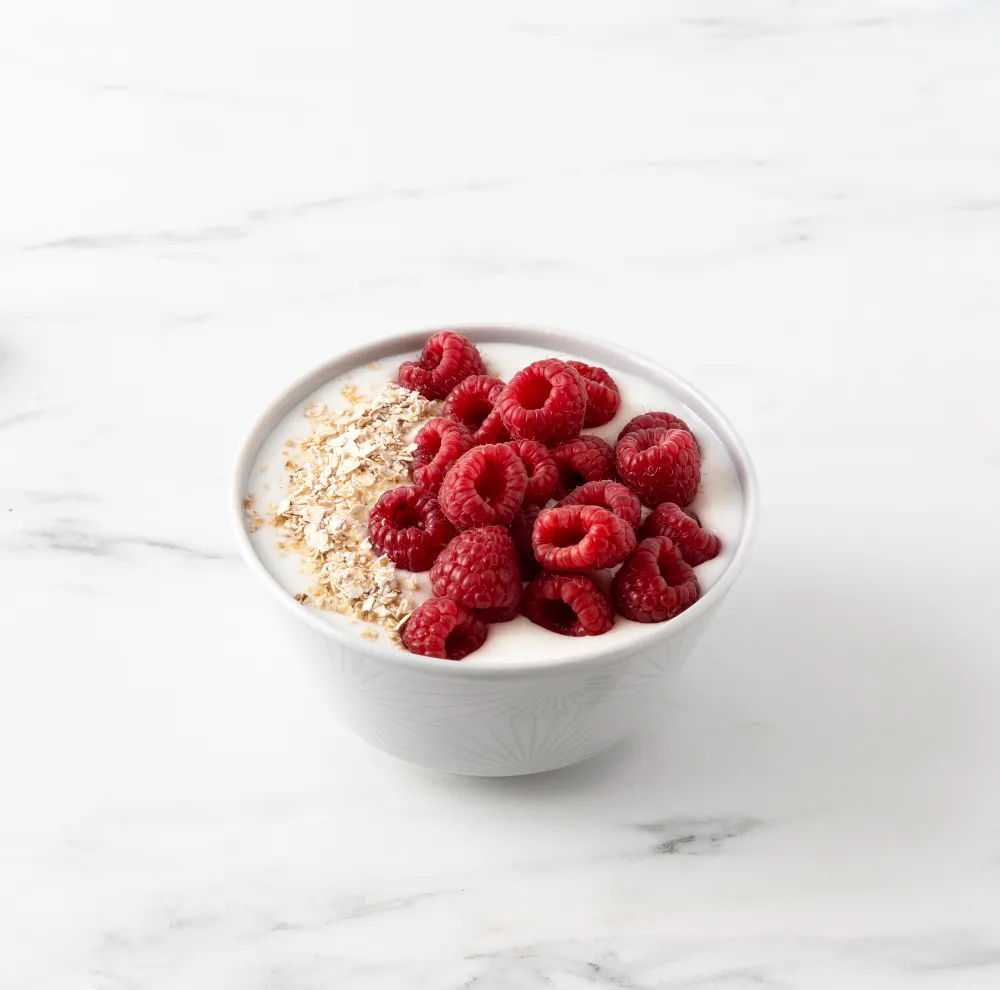
- 🥣 Post-Workout: In yogurt with a bit of honey for quick recovery.
- 🧊 Frozen: Ideal for chilling shakes or as a healthy ice substitute.
- 🍞 For Breakfast: On protein pancakes or low-fat quark for a sweet freshness.
Tip: Combine raspberries with other berries like blueberries or currants to benefit from an even broader spectrum of antioxidants.
Conclusion
Raspberries are a true secret tip for athletes: They deliver crucial vitamins, protect against oxidative stress, promote recovery, and can assist in fat reduction—all without supplements or calorie bombs. Whether in shakes, bowls, or on their own—the small red berry is a big step towards better fitness.