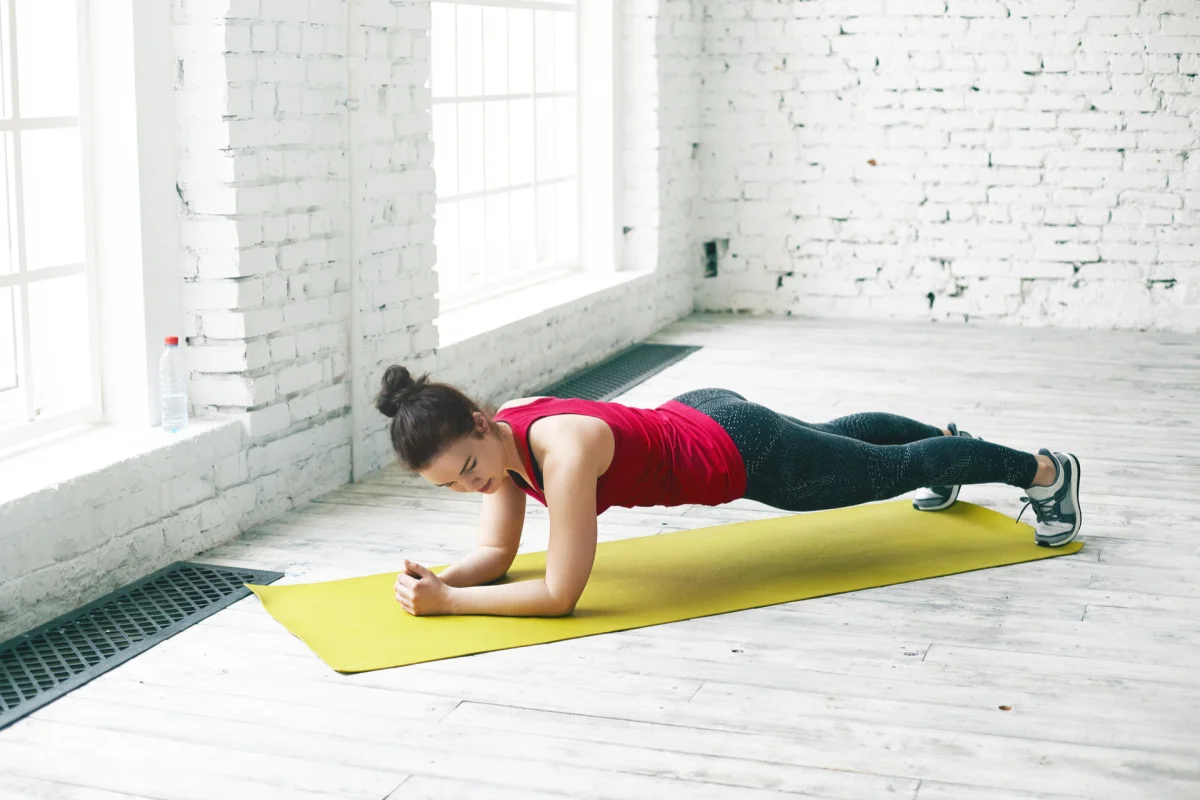
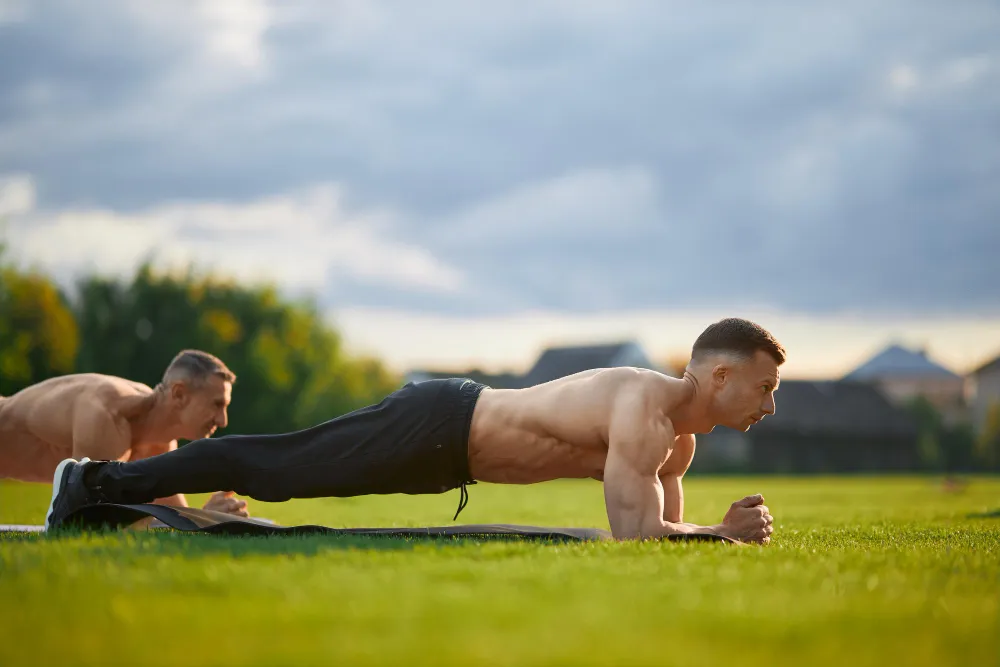
At first glance, planks seem simple. You support yourself on your forearms or hands, keep your body straight like a board, and remain in this position. However, anyone who has held this position for more than 30 seconds knows that planks are far more than a simple exercise. They are among the most effective core workouts as they engage multiple muscle groups simultaneously and require no equipment.
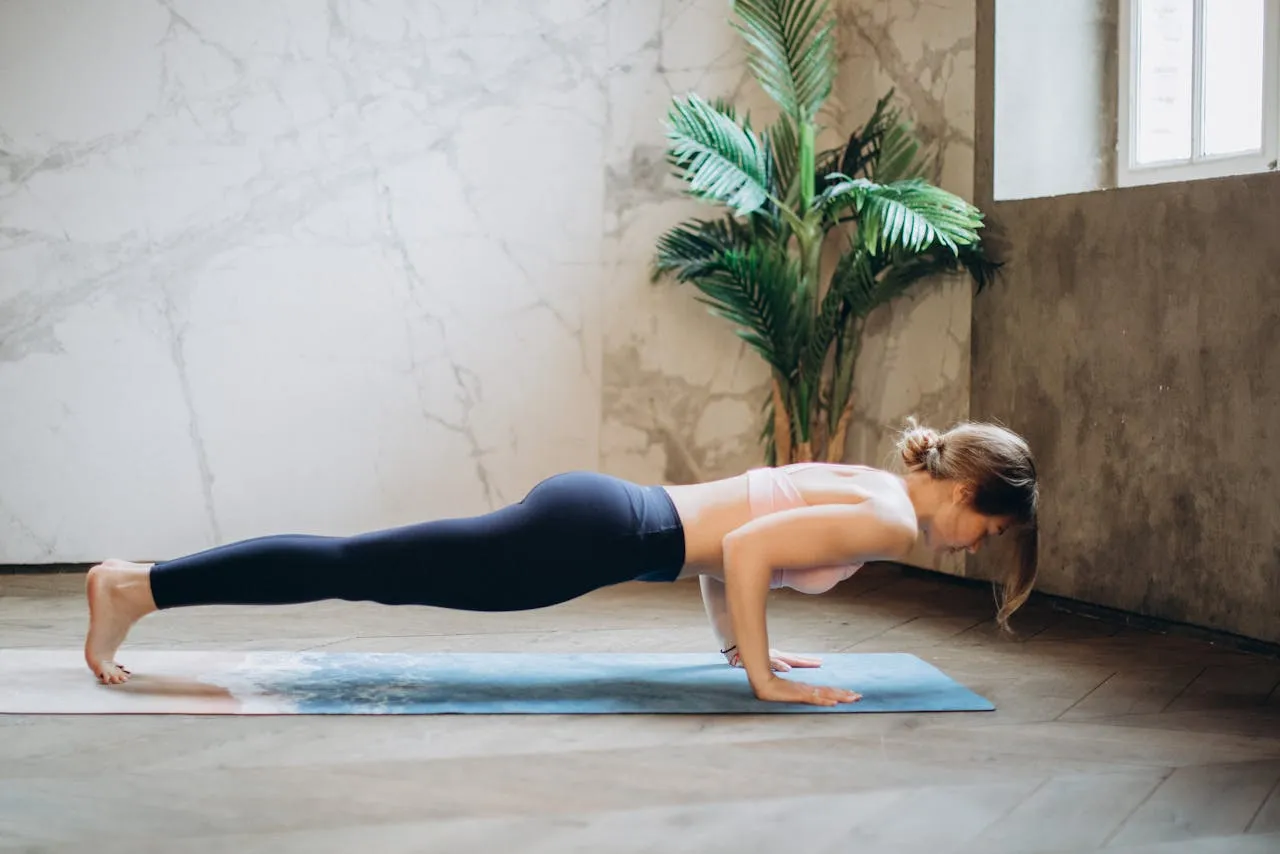
Why Planks Are So Effective
The great benefit of planks is that they don't just train the abdominal muscles. While you hold this position, the back, shoulders, chest, thighs, and even glutes work simultaneously. This stabilizes the entire core muscles, which improves your posture, prevents back pain, and gives you more strength in everyday life as well as during sports.
Sports science research shows that isometric exercises like planks are particularly suited for strengthening the deep muscles. These muscles are often hard to target but play a crucial role in stability and injury prevention.
The Right Technique
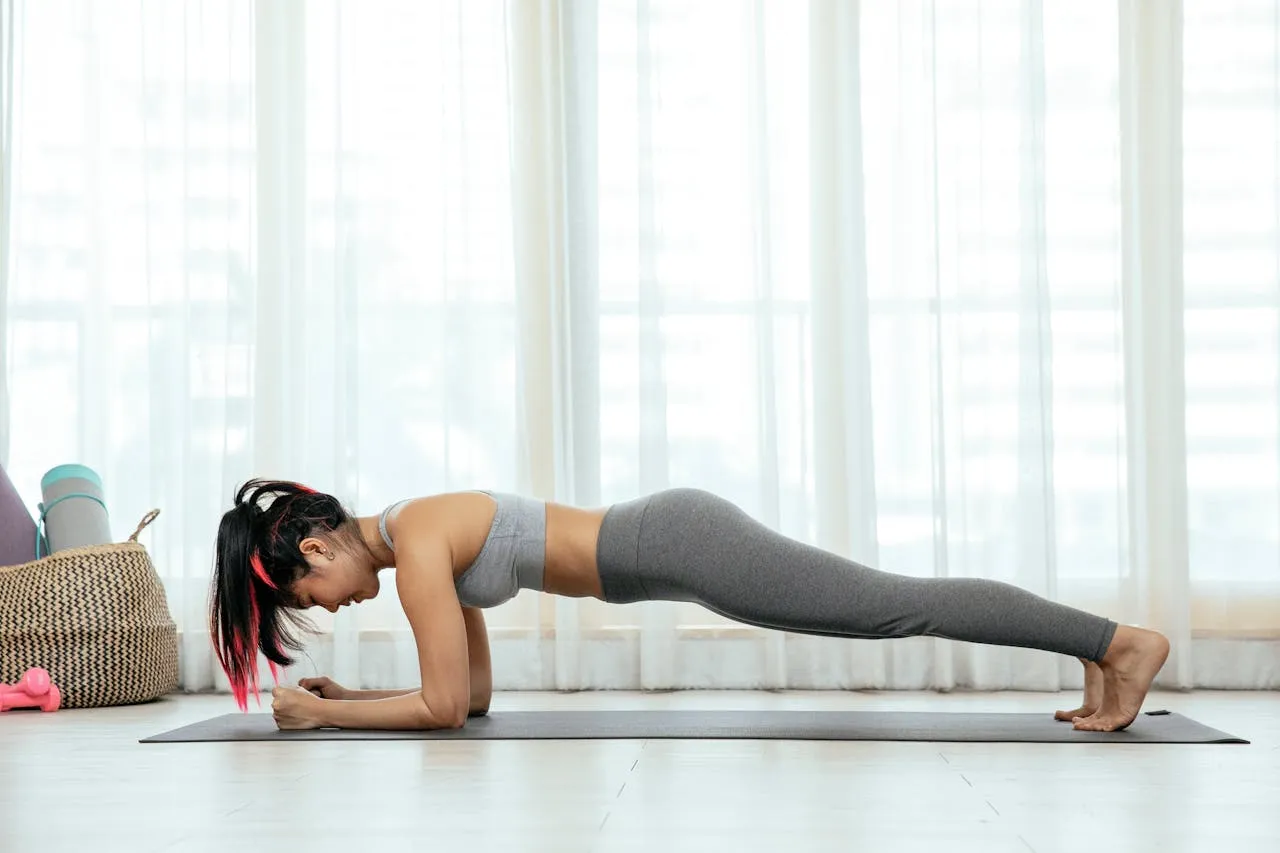
The basis of all variants is the classic forearm plank:
- Lie on your stomach and support yourself on your forearms.
- The elbows are directly under the shoulders.
- Tighten your abs, glutes, and thighs so that your body forms a straight line from head to toe.
- Look down, keeping your neck neutral.
- Hold this position without sagging into a hollow back or pushing your buttocks up.
Proper technique is crucial, as incorrect execution can increase stress on the lower back.

Overview of the Most Important Plank Variants
| Variant | Target Muscles | Difficulty Level | Characteristics |
|---|---|---|---|
| Classic Plank | Abdominals, Back, Shoulders, Glutes | Medium | Basic exercise for core stability |
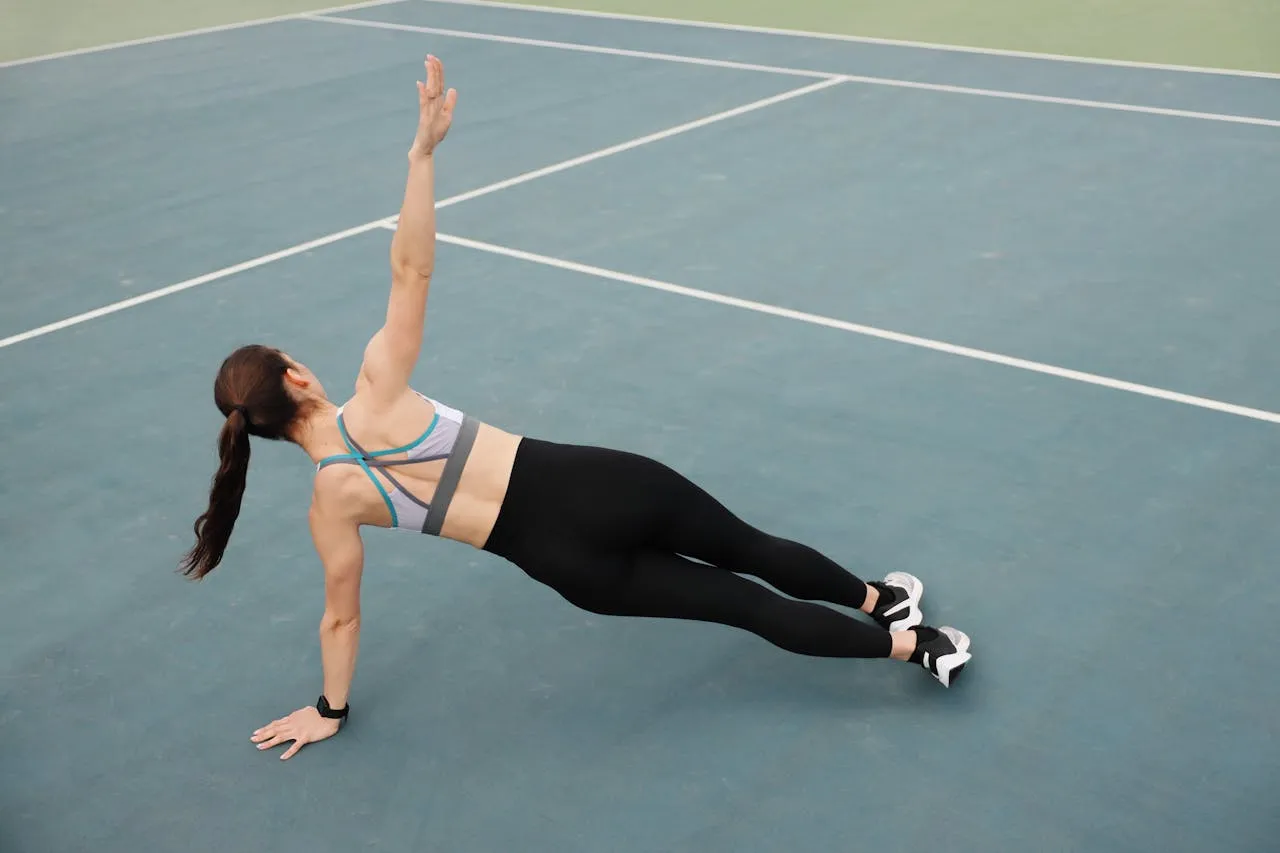
| Side Plank | Obliques, Hips | Medium | Perfect for oblique muscles and balance |
| Plank with Leg Lift | Abdominals, Glutes, Thighs | Medium–Hard | Additional activation of legs and hips |
| Plank to Push-up | Abdominals, Chest, Shoulders, Arms | Hard | Dynamic variant, combining core and upper body |
| Dynamic Plank | Abdominals, Back, Full body | Medium–Hard | Very challenging due to movement (e.g., knee tucks) |
| Plank with Weights | Abdominals, Back, Shoulders, Arms | Hard | Additional intensity through dumbbells or plates |
Planks in the Training Plan
Planks are suitable for both beginners and advanced athletes. Even holding the position for a few seconds daily can bring noticeable improvements. Beginners often start with 20–30 seconds, while advanced athletes can hold for several minutes or perform the exercise in sets with short breaks.
Planks are also frequently incorporated as a supplementary exercise in strength training or functional workouts. They are an ideal finisher at the end of training or an effective warm-up component to activate core muscles.
Scientific Perspective
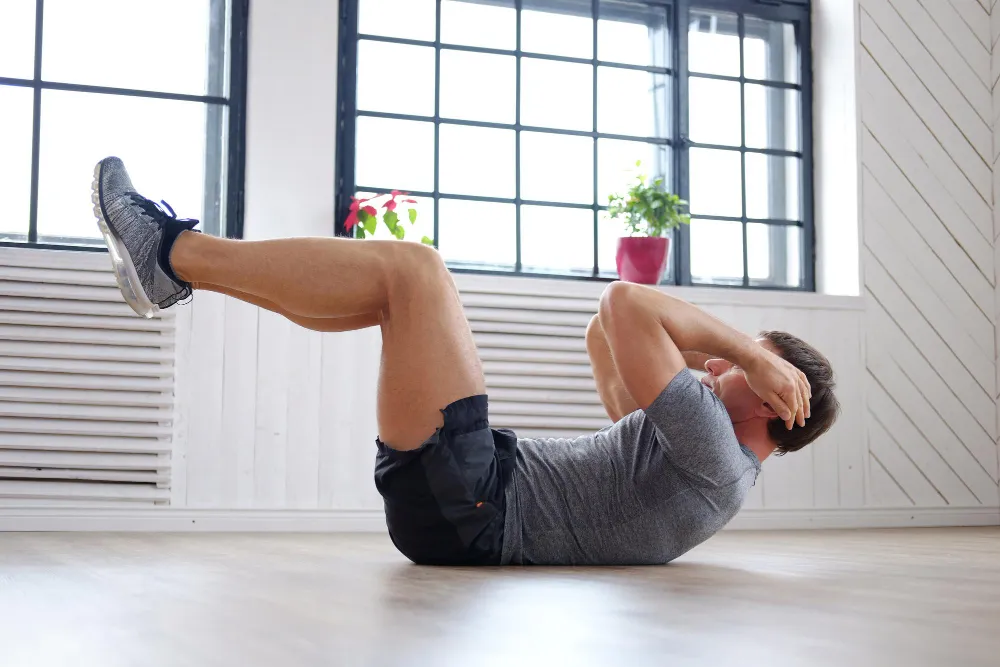
Studies confirm that planks are one of the best exercises for strengthening the core muscles because they stabilize the spine gently. Unlike traditional crunches or sit-ups, which may place more strain on the back, planks are back-friendly and help prevent back pain. Sports medicine experts especially recommend them for individuals who sit a lot, as the exercise corrects imbalances and improves posture.
Conclusion
Planks are minimalist yet maximally effective. They not only train the visible abdominal muscles but also the entire core, strengthening posture and increasing functional strength. Whether you are a beginner or advanced, regular plank training builds a solid foundation from which all other exercises benefit.