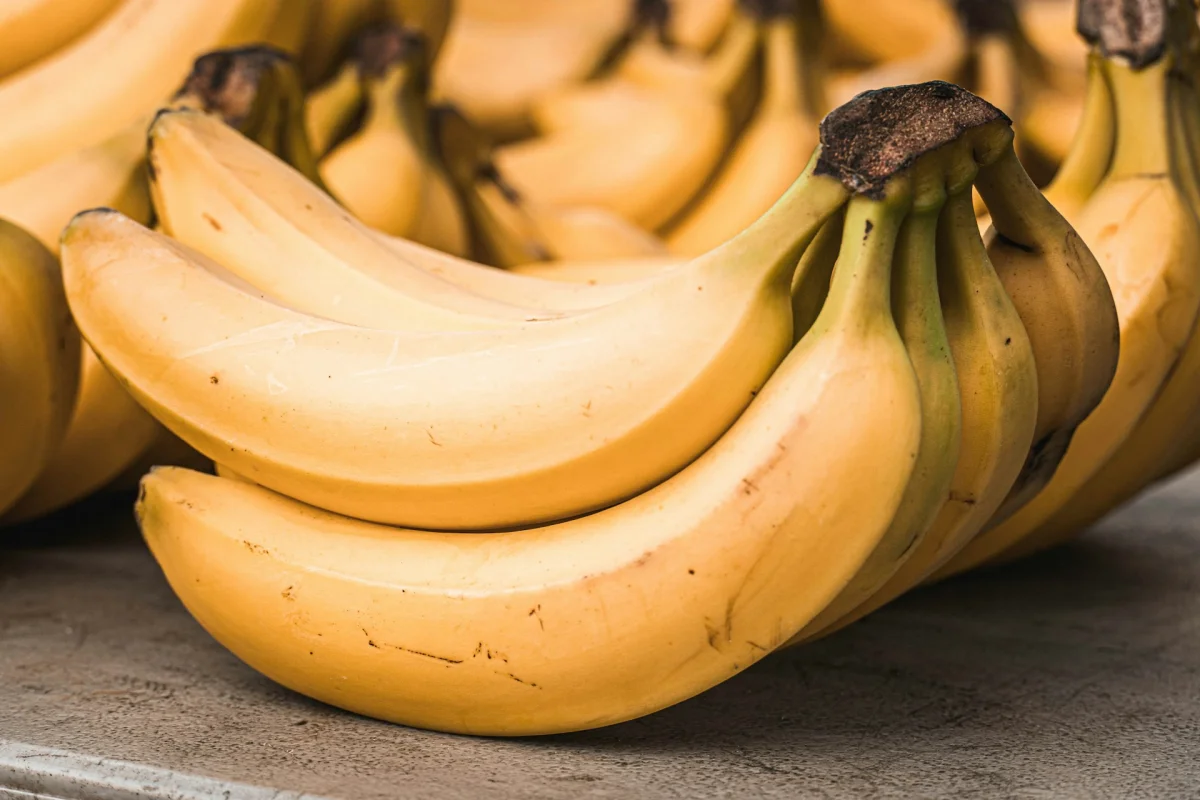
Few fruits are as frequently seen in the gym as the banana. Whether in a shaker, porridge, or directly after a workout from the sports bag, it has been considered a quick source of energy for athletes for decades. Nevertheless, it is often underestimated, as many people only associate bananas with sugar or a small snack in between meals.
However, this yellow fruit has a lot more to offer. Bananas provide fast-available carbohydrates, essential minerals for muscle function, and can even aid in recovery. That is precisely why many endurance and strength athletes regularly turn to them.
In this blog, we will take a closer look at why bananas are of interest to athletes, what nutrients they contain, when the best time to consume them is, and what scientific studies have to say about it.
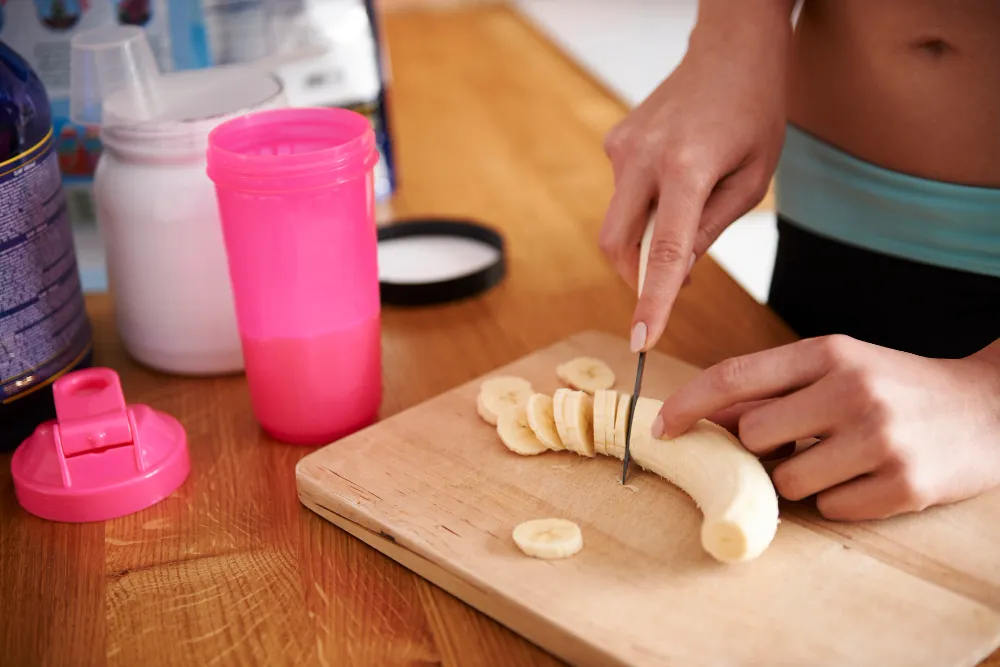
Why Bananas Are So Popular in Sports
The banana is among the most practical foods for athletes. It requires no preparation, fits into any bag, and provides instant energy. This makes it particularly interesting for training sessions or competitions.
The main reason is its high carbohydrate content. These are the primary fuel for muscles during intense physical exertion. During long or intense training sessions, the glycogen stores in the muscles deplete. Replenishing these stores enhances performance and recovery.
Bananas contain primarily fast-available carbohydrates like glucose, fructose, and sucrose. This causes blood sugar levels to rise relatively quickly, providing muscles with energy rapidly.
Another advantage is the high potassium content. Potassium is a crucial mineral for muscle contraction and the functioning of the nervous system. Especially when sweating, the body loses electrolytes, and a banana can help replenish them partially.
Nutritional Value of the Banana – What's Really Inside?
A medium-sized banana (approx. 120 g) provides an interesting mix of energy, minerals, and vitamins.
| Nutrient | Amount per Banana (approx.) | Importance for Athletes |
|---|---|---|
| Calories | approx. 105 kcal | Quick energy |
| Carbohydrates | approx. 27 g | Fuel for muscles |
| Fiber | approx. 3 g | Digestion and satiety |
| Potassium | approx. 400 mg | Muscle and nerve function |
| Vitamin B6 | approx. 0.4 mg | Energy and protein metabolism |
| Magnesium | approx. 30 mg | Muscle and nerve function |
Especially the combination of carbohydrates, potassium, and vitamin B6 makes bananas particularly interesting for people who train regularly.
Vitamin B6 plays an important role in amino acid metabolism, meaning it is indirectly involved in muscle tissue building and repair.
Bananas Before Training – Quick Energy for Your Workout
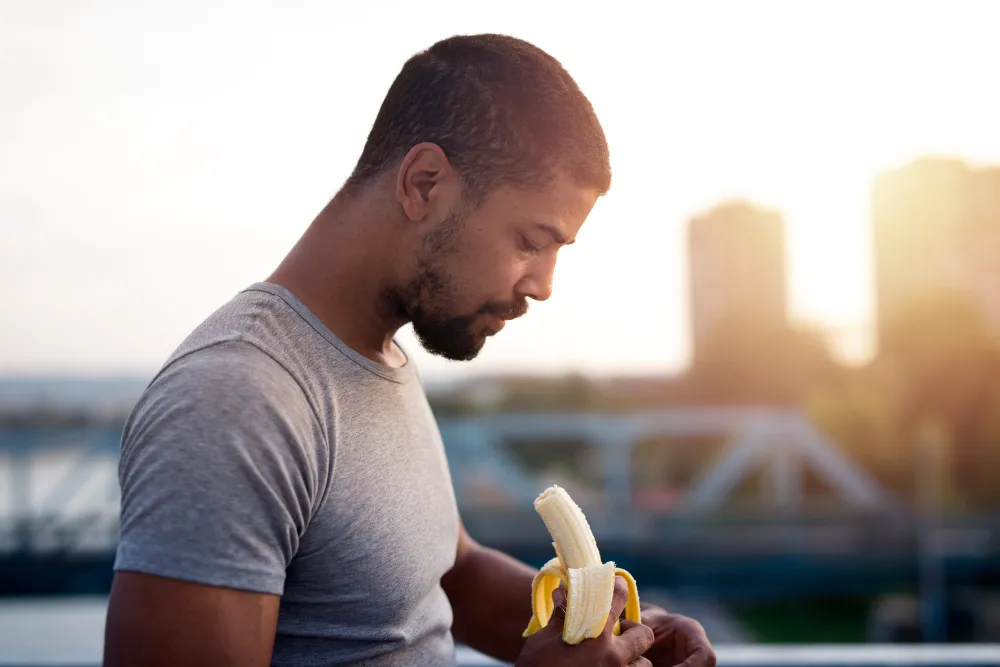
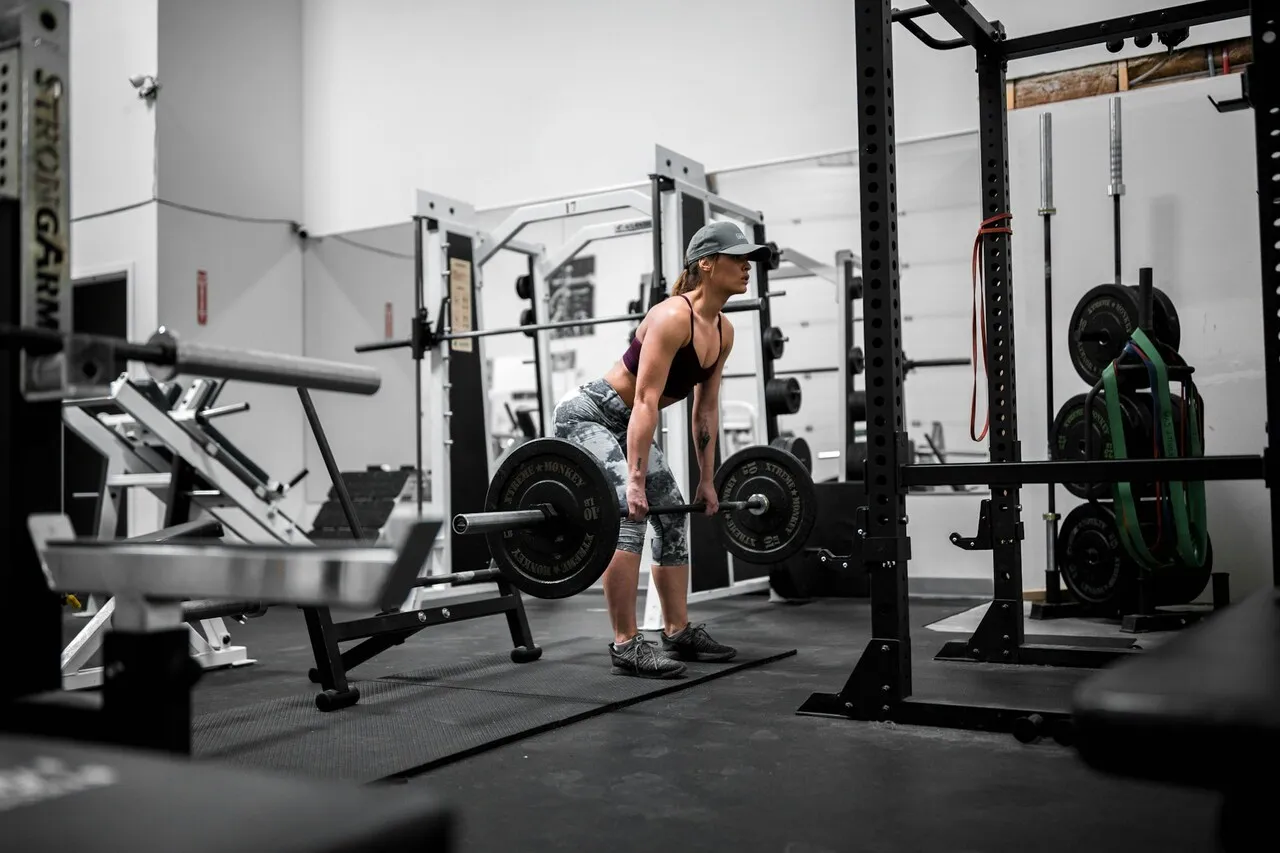
Many athletes eat a banana about 30 to 60 minutes before training. The reason is simple: it provides easily digestible energy.
Heavy meals shortly before training can lead to digestive problems. A banana, on the other hand, is relatively light and hardly burdens the stomach.
It is particularly useful before:
- Strength training
- Intense interval training
- Long endurance runs
- Football or team sports
Due to the carbohydrates it contains, blood sugar is stabilized, allowing for better performance during training.
Bananas Post-Training – Support for Recovery
After training, the body enters its most important phase: recovery. Muscles need repairing, glycogen stores are replenished, and the nervous system recovers.
Bananas can also be helpful here.
After intensive training sessions, muscles need carbohydrates to replenish glycogen stores. Bananas provide these carbohydrates quickly.
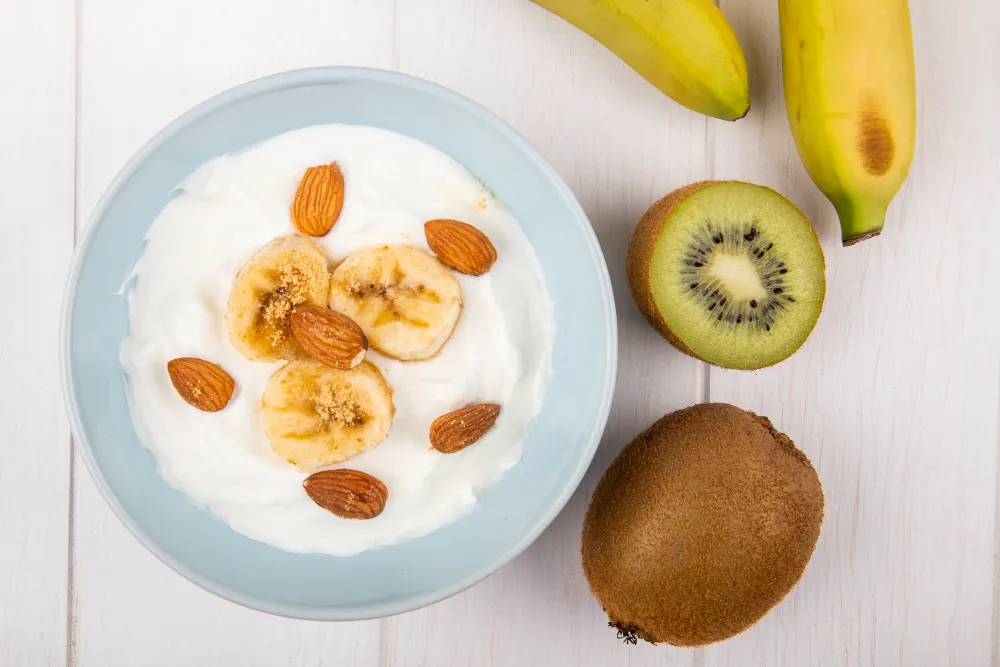
Many athletes, therefore, combine them with a protein source, for example:
- Banana + protein shake
- Banana + low-fat quark
- Banana in a smoothie with protein powder
This combination supplies carbohydrates for energy stores and proteins for muscle repair.
Can Bananas Prevent Muscle Cramps?
A common assumption in sports is that bananas can prevent muscle cramps. The reason for this is their potassium content.
Potassium is important for electrical signal transmission between nerves and muscles. A deficiency can lead to muscle problems.
However, science shows that muscle cramps usually have multiple causes. In addition to electrolyte loss, factors such as muscle fatigue or fluid deficiency play a role.
Nevertheless, due to their mineral content, bananas can help support the electrolyte balance.

Scientific Studies on Bananas in Sports
Several studies have examined how bananas affect athletic performance.
A study from the Journal of Proteome Research compared bananas with conventional sports drinks in endurance athletes. The results showed that bananas can be as effective a source of energy as commercial sports drinks.
Another study by Appalachian State University demonstrated that bananas, during prolonged exertion, stabilize blood sugar levels while providing additional antioxidants.
These antioxidants can help reduce oxidative stress that arises from intense physical exertion.

Are Bananas Bad for Dieting?
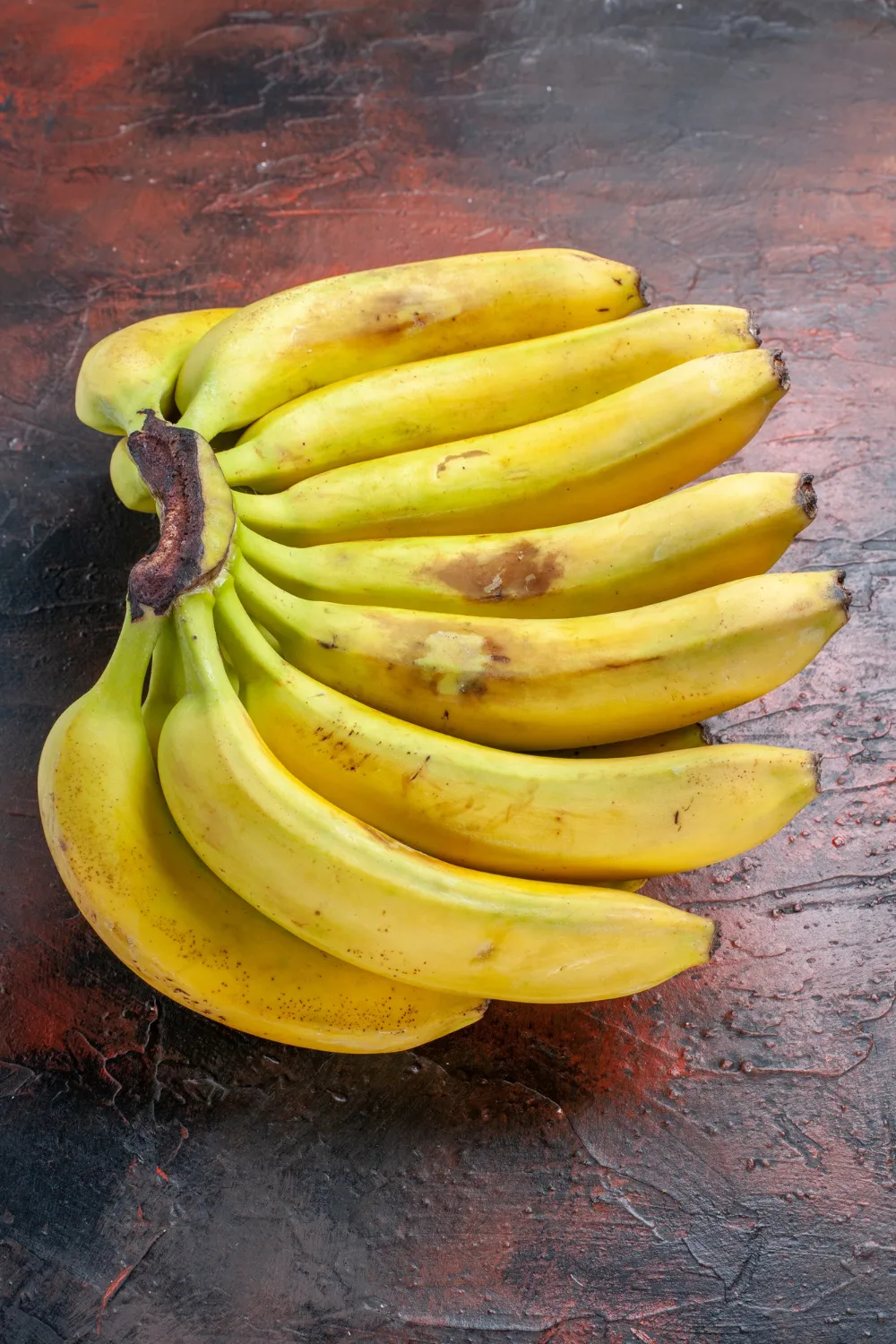
Many people believe that bananas contain too much sugar and are therefore bad for dieting. However, this fear is mostly unfounded.
While bananas do contain relatively high amounts of carbohydrates compared to other fruits, they also provide fiber and essential micronutrients.
The decisive factor is – as always – the total calorie intake.
For athletes, bananas can actually be very beneficial as they provide energy and can prevent cravings.
Ripeness of the Banana – A Small but Important Difference
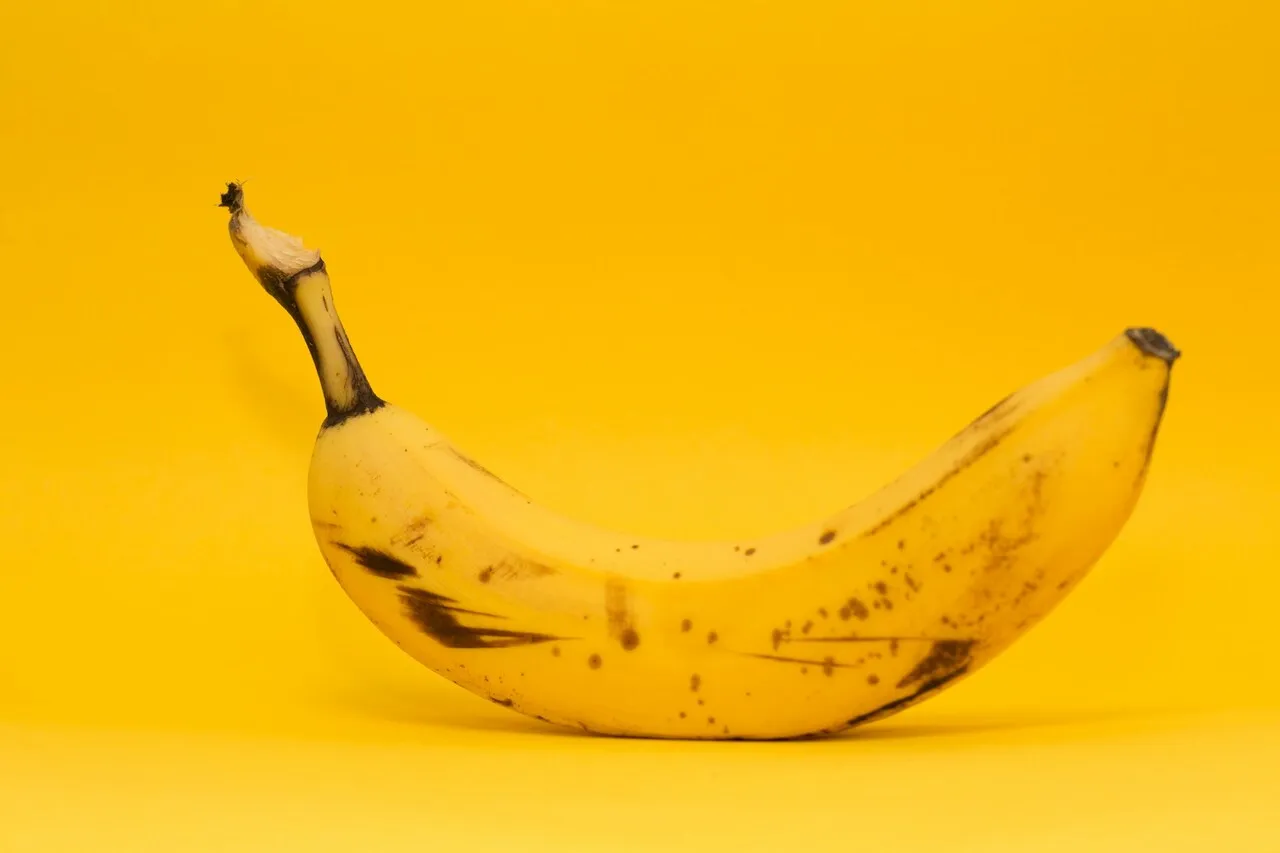
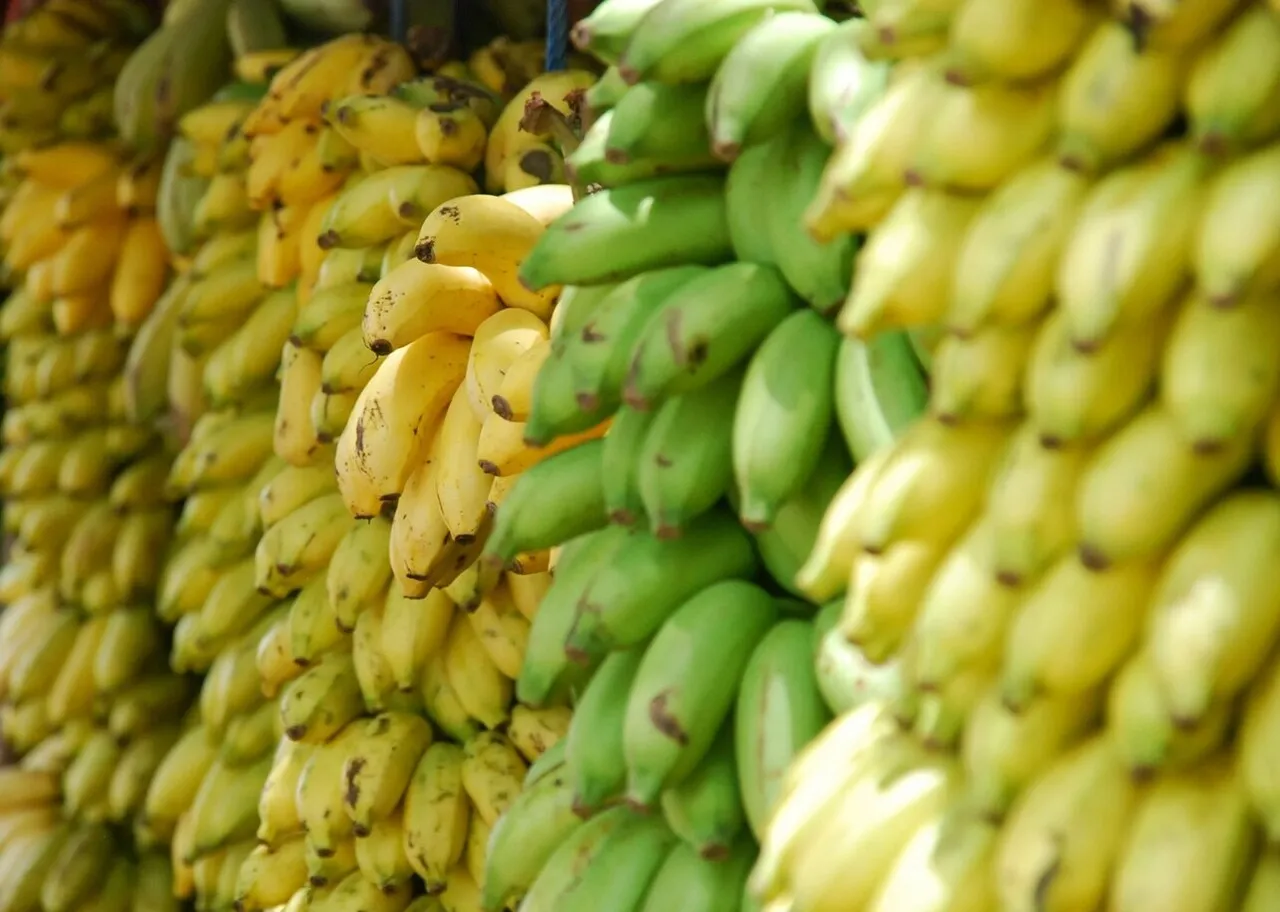
Interestingly, the nutritional value of a banana changes during ripening.
Unripe bananas contain more resistant starch, which is digested more slowly and acts similarly to fiber.
Very ripe bananas, on the other hand, contain more readily available sugars.
For athletes, this means:
- Lightly green bananas → slower energy release
- Yellow bananas → balanced energy
- Very ripe bananas → quick energy
Depending on the training situation, a different ripeness might be beneficial.
Creative Ways to Incorporate Bananas into Sports Nutrition
Bananas can be incorporated into the diet in many different ways.
They are especially popular in:
Protein smoothies
Banana, protein powder, milk or plant-based milk, and some oats.
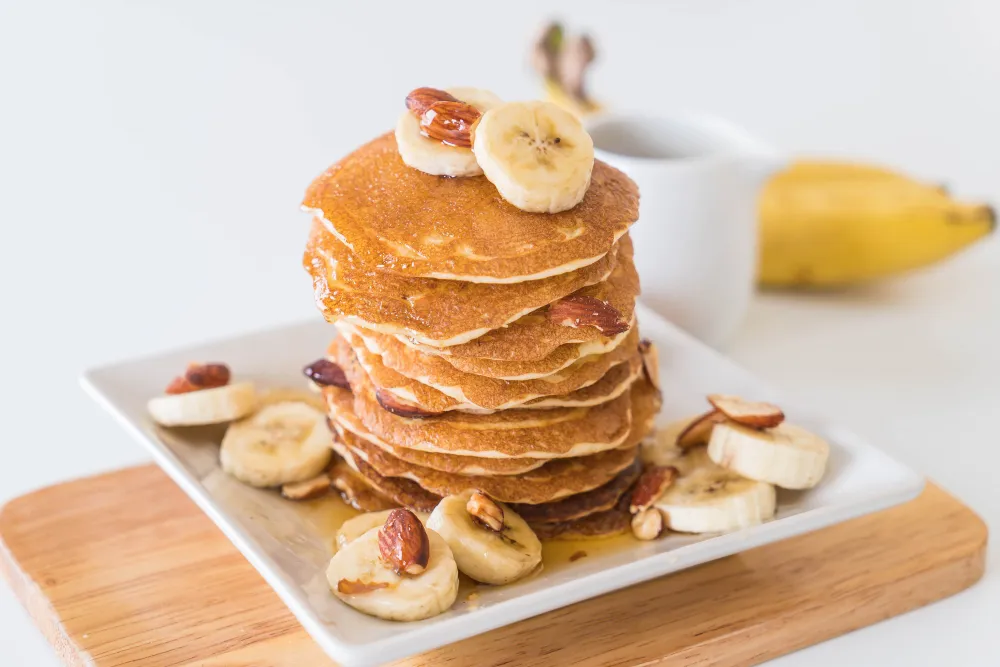
Fitness pancakes
Banana, egg, and oats – a classic fitness recipe.
Pre-workout snack
Banana with a bit of peanut butter.
Post-workout snack
Banana together with a protein shake.
These combinations further enhance nutritional value.
Conclusion
Bananas are among the simplest yet most effective foods for athletes. They provide quickly available carbohydrates, important minerals, and can easily be integrated into daily life.
Especially before or after training, they can be a useful addition to provide energy and support recovery. Studies even show that they can be as effective as traditional sports drinks in certain situations.
Of course, a banana does not replace a balanced diet. But as part of an athlete's diet, it can be a practical and natural energy source.