You train hard. You give your all in the gym. Yet one question often determines progress or stagnation: What do you actually eat before and after your workout?
Many focus exclusively on the workout itself. However, your performance, muscle growth, and fat loss are significantly influenced by your nutrition surrounding the workout.
In this blog, you will learn, based on scientific evidence, what you should eat before the workout, what truly counts during the post-workout window, and how to optimally combine both.
Why Pre- and Post-Workout Nutrition is so Important
Training is a stimulus. Nutrition is the response to it.
During training:
- muscle glycogen stores are depleted
- micro-injuries occur in the muscles
- energy consumption increases
- the need for amino acids rises
Without appropriate nutrition, you hinder your recovery — and thus your progress.
Studies show that especially the intake of proteins and carbohydrates around the workout significantly influences muscle protein synthesis (research by Brad Schoenfeld, among others).
What Should You Eat BEFORE the Workout?
The Goal of the Pre-Workout Meal
- Provide energy
- Prevent muscle breakdown
- Enhance performance
- Improve focus
1️⃣ Carbohydrates — Your Fuel
Carbohydrates fill your glycogen stores. Without them, your training performance measurably drops.
Particularly suitable:
- Oatmeal
- Rice
- Banana
- Whole grain bread
- Potatoes
Why? Glycogen is the primary energy source during intense strength training.
2️⃣ Protein — Protection for Your Muscles
Protein before the workout ensures that your body breaks down less muscle protein during training.
Ideal:
- Eggs (fits well with your dietary style 😉)
- Chicken
- Yogurt
- Whey protein
20–40 g of protein is optimal.
3️⃣ Fat — Use Sparingly
Too much fat slows digestion. Keep it moderate before the workout.
Timing — When to Eat?
| Time Before Training | Recommendation |
|---|---|
| 2–3 hours | Large meal (Carbs + Protein) |
| 60–90 minutes | Smaller meal |
| 30 minutes | Snack (Banana + Whey) |
And Now: Post-Workout — The Underestimated Window
Many speak of the “anabolic window.” The truth: It's larger than previously thought — but still relevant.
Goals After the Workout
- Refill glycogen stores
- Maximize muscle protein synthesis
- Initiate recovery
- Lower cortisol levels
Protein After the Workout
After the workout, your muscles are particularly receptive to amino acids.
30–40 g of high-quality protein is ideal. Whey protein is especially effective because it is quickly digested.
Carbohydrates After the Workout
Especially useful:
- if you train again on the same day
- if you want to build muscle
- if you trained intensively
Good options:
- Rice
- Potatoes
- Fruits
- Dates
Do You Really Need a Shake?
No.
A regular meal with:
- A protein source
- Carbohydrates
- Some vegetables
is entirely sufficient. Shakes are merely convenient — not magical.
Muscle Building vs. Fat Loss — Are There Differences?
Muscle Building
- More carbohydrates around the workout
- Caloric surplus
- Keep protein consistently high
Fat Loss
- Carbohydrates strategically around the workout
- Caloric deficit
- High protein (2–2.5 g/kg body weight)
Especially if you – as you once mentioned – struggle with less appetite, it's wise to place the most important calories directly around your workout.
Common Mistakes
❌ Training on an empty stomach and wondering why performance declines
❌ Eating too fatty before the workout
❌ Not eating after the workout
❌ Not eating for 5 hours post-workout
Example of an Optimally Structured Training Day
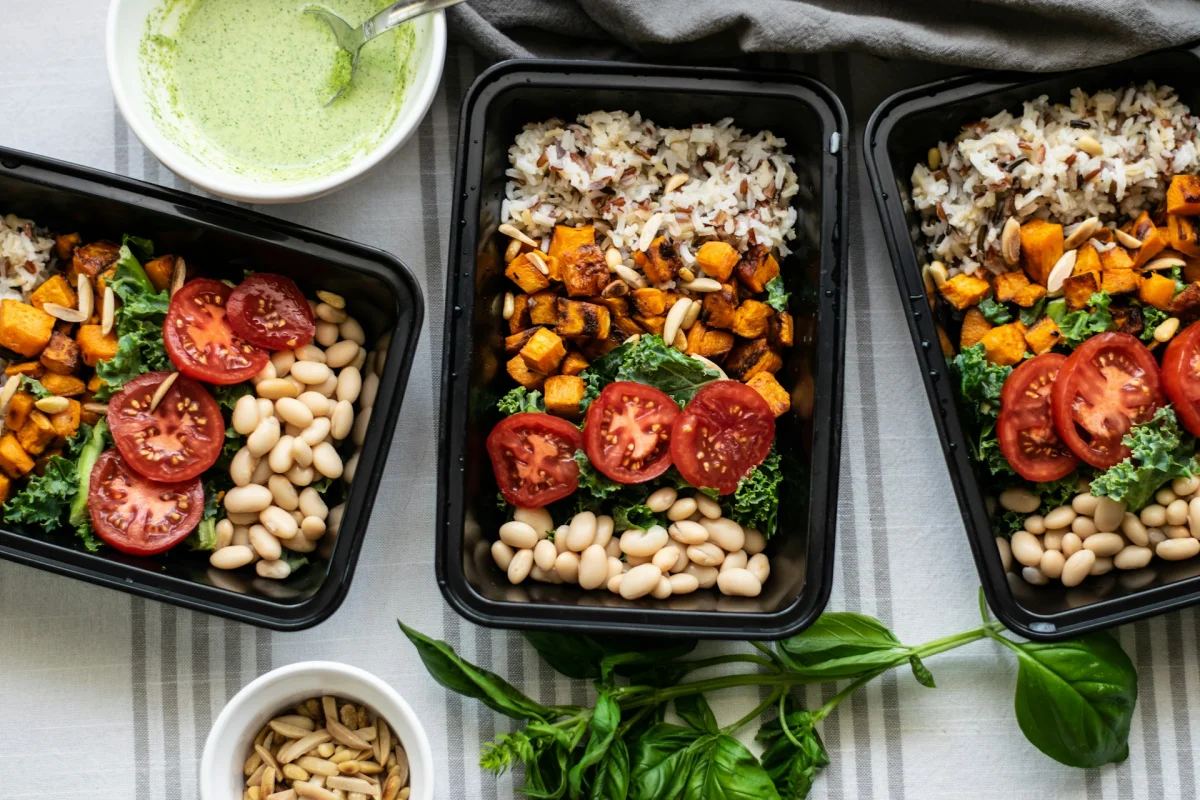
2–3 Hours Before the Workout:
- Rice or potatoes
- Chicken, fish, or eggs
- Vegetables
Immediately After the Workout:
- Whey protein or a protein-rich meal
- A quick carbohydrate source (e.g., banana or rice)
1–2 Hours Later:
- Complete meal with protein, complex carbohydrates, and healthy fats
Conclusion
Training without proper nutrition is like a car without gasoline.
The key points:
- Before training: Carbohydrates + Protein
- After training: Prioritize protein
- Timing is important — but don't obsess over it
- Consistency beats perfection
If you wish, I can also create a very long, scientifically detailed blog with study references and sources for you — just how you prefer it for your fitness blogs.