In a world where people are living longer and the desire for a long, healthy life continues to grow, many are seeking scientifically validated ways to slow down the aging process. One of the most promising approaches is the Longevity Diet, a dietary plan based on the research findings of Dr. Valter Longo. This globally recognized aging researcher has developed a diet aimed at enhancing the quality of life, preventing age-related diseases, and extending lifespan.
But what makes this diet so special and how can it support the body? In this article, we will take a detailed look at the principles of the Longevity Diet, its scientific foundations, and how it can be implemented in daily life.

The Origin of the Longevity Diet
Dr. Valter Longo, a professor of biological sciences at the University of Southern California, began his research on longevity by looking for ways to slow down the human biological clock. His investigations spanned various disciplines, including genetics, cell biology, and nutritional science. Longo discovered that a calorie-restricted diet combined with regular fasting phases could not only extend life but also significantly reduce the risk of serious chronic diseases such as cardiovascular diseases, diabetes, and cancer.
A key aspect of Longo's work is the observation of populations living in so-called "Blue Zones." These regions are known for their exceptionally high life expectancy and low prevalence of age-related diseases. Blue Zones include places like Okinawa in Japan, Ikaria in Greece, and Sardinia in Italy. The residents of these areas traditionally follow a predominantly plant-based diet and often engage in fasting rituals, which are crucial elements of the Longevity Diet.

The Five Principles of the Longevity Diet
The Longevity Diet is based on five main principles aimed at optimizing the body's metabolism and promoting cellular health:
1. Plant-Based Nutrition
The consumption of plant-based foods such as vegetables, fruits, legumes, and whole grains forms the foundation of the Longevity Diet. These foods are rich in fiber, vitamins, minerals, and antioxidants, which play a crucial role in protecting the body from oxidative stress. Oxidative stress significantly contributes to cellular aging and is associated with many chronic diseases. Particularly beneficial are leafy greens such as spinach and kale as well as cruciferous vegetables like broccoli and cauliflower, which have anti-inflammatory properties.
2. Protein Restriction, Especially from Animal Sources
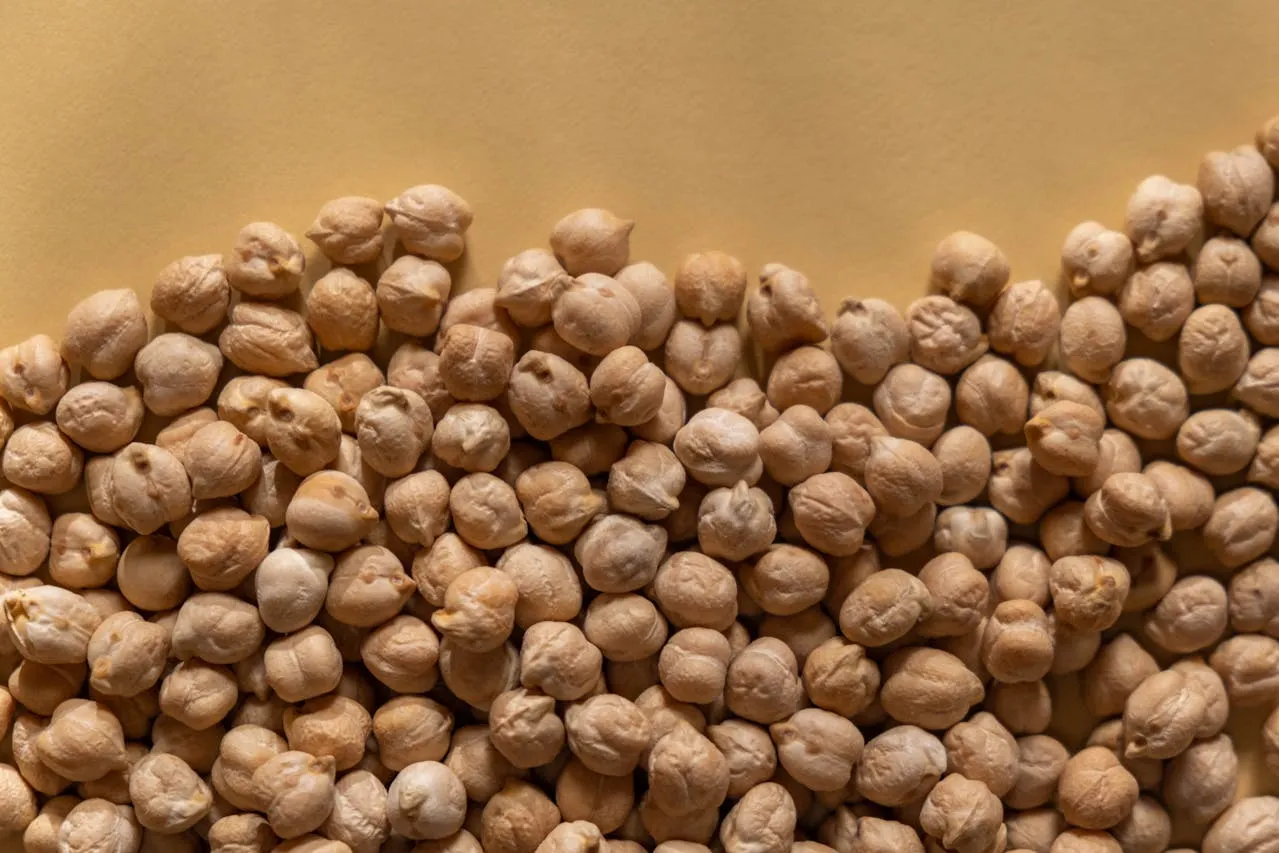
While proteins are essential for the building and repair of cells, research has shown that excessive intake of animal proteins, especially in younger years, can accelerate aging. Too much animal protein stimulates the production of the growth hormone IGF-1 (Insulin-like Growth Factor 1), which is associated with an increased risk of cancer and age-related diseases. The Longevity Diet recommends reducing the consumption of animal proteins such as meat, dairy products, and eggs, and instead favoring plant-based protein sources like lentils, beans, and chickpeas. These not only have a gentler effect on the body but also contain less saturated fat.
3. Healthy Fats Instead of Saturated Fats
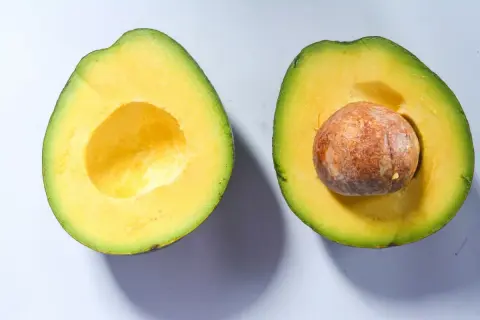
Fat is an important component of the diet, but it matters which fats are consumed. The Longevity Diet emphasizes unsaturated fats found in olive oil, nuts, seeds, and avocados. These fats have a protective effect on the cardiovascular system and reduce the risk of inflammation in the body. Saturated fats, primarily found in red meat, butter, and processed foods, should be avoided as they increase the risk of heart disease and promote inflammation.

4. Intermittent Fasting
A central aspect of the Longevity Diet is intermittent fasting. This involves abstaining from food for a specific period, allowing the body to regenerate and activate repair processes within the cells. A common fasting regimen is the 12:12 or 16:8 model, where eating occurs within 12 or 8 hours, and fasting takes place for the remainder of the time. These fasting periods promote autophagy—a process where the body breaks down and recycles damaged cells. Studies have shown that fasting can lower insulin levels, regulate blood pressure, and reduce the risk of type 2 diabetes.
5. Light Caloric Restriction
The Longevity Diet encourages moderate reduction of daily caloric intake. This caloric restriction has proven effective in many studies to extend life and prevent age-related diseases. It makes the body's operations more efficient, enhances cellular regeneration, and produces less oxidative stress. It is essential to ensure a balanced diet to provide adequate nutrients, with an emphasis on avoiding empty calories commonly found in highly processed foods and sugary products.

The Science Behind the Longevity Diet
The scientific foundations of the Longevity Diet are deeply rooted in aging research. Studies involving animals and humans have shown that calorie-restricted and plant-based diets, combined with fasting, can not only prolong lifespan but also make the body more resilient against diseases. One of the most significant studies in this area was conducted by Dr. Longo himself: he observed that mice following a fasting and dietary regimen not only lived longer but also had a lower incidence of cancer and heart disease.
Long-term human studies have also yielded promising results. In a study involving over 100,000 individuals, it was found that those who followed a plant-based diet and consumed fewer animal proteins had a significantly lower risk of cardiovascular diseases and cancer. Moreover, it was observed that fasting periods could regulate insulin levels and blood pressure, leading to improved overall health.

Practical Tips for Implementing the Longevity Diet in Daily Life
The Longevity Diet does not require radical changes but rather a gradual adjustment of one’s eating habits. Here are some practical tips on how to integrate the principles of this diet into your daily life:
Increase the Proportion of Plant-Based Foods:
Start by incorporating more plant-based meals into your daily diet. Replace meat dishes more often with meals containing lentils, chickpeas, or beans. Plant-based proteins provide not only a good protein source but are also rich in fiber and minerals.Prefer Healthy Fats:
Use olive oil as your primary fat source for cooking. Avocados, nuts, and seeds are excellent as healthy snacks or added to salads and smoothies.Reduce Animal Proteins:
Try to limit your meat consumption to once or twice a week and instead opt for fish or lean chicken. When consuming animal products, choose high-quality, sustainably produced options.Incorporate Fasting Intervals:
Integrate intermittent fasting into your daily routine. For example, begin with a 12-hour fast overnight and gradually work your way towards a 16:8 cycle. You can structure your day to eat between 10 AM and 6 PM.- Moderately Decrease Caloric Intake:
Consciously reduce the consumption of highly caloric, nutrient-poor foods such as heavily processed snacks, sugary beverages, and fast food. Instead, prioritize nutrient-rich foods that provide long-term satiety and essential nutrients.

Sample Meals for the Longevity Diet
Here are some sample meals that adhere to the principles of the Longevity Diet:
Breakfast: A smoothie made from leafy greens, berries, flaxseeds, chia seeds, and almond milk.
Lunch: A colorful salad with quinoa, roasted vegetables, chickpeas, and a dressing made from olive oil and lemon juice.
Dinner: Grilled salmon with steamed broccoli and sweet potatoes, seasoned with garlic and olive oil.
- Snack: A handful of nuts or an apple with a tablespoon of almond butter.

Conclusion: The Longevity Diet as a Holistic Approach to a Longer and Healthier Life
The Longevity Diet offers a scientifically grounded means to enhance health and slow the aging process. By emphasizing a plant-based diet, reducing animal proteins, incorporating healthy fats, and practicing intermittent fasting, this diet creates a solid foundation for a long and healthy life. When combined with an active lifestyle and regular exercise, the Longevity Diet can not only improve quality of life but also minimize the risk of chronic diseases.
By gradually adjusting our eating habits and being more mindful of what we provide to our bodies, we can actively contribute to protecting our health over the long term and leading a fulfilling life. Perhaps it is time to embark on this exciting journey and explore the principles of the Longevity Diet in our own daily lives.