What is 1RM (One-Rep Max) and How to Calculate It?
Are you looking to make your workout program more effective and maximize your performance? Then you should get familiar with the concept of 1RM, or One-Rep Max. 1RM represents the…
Read articleTraining
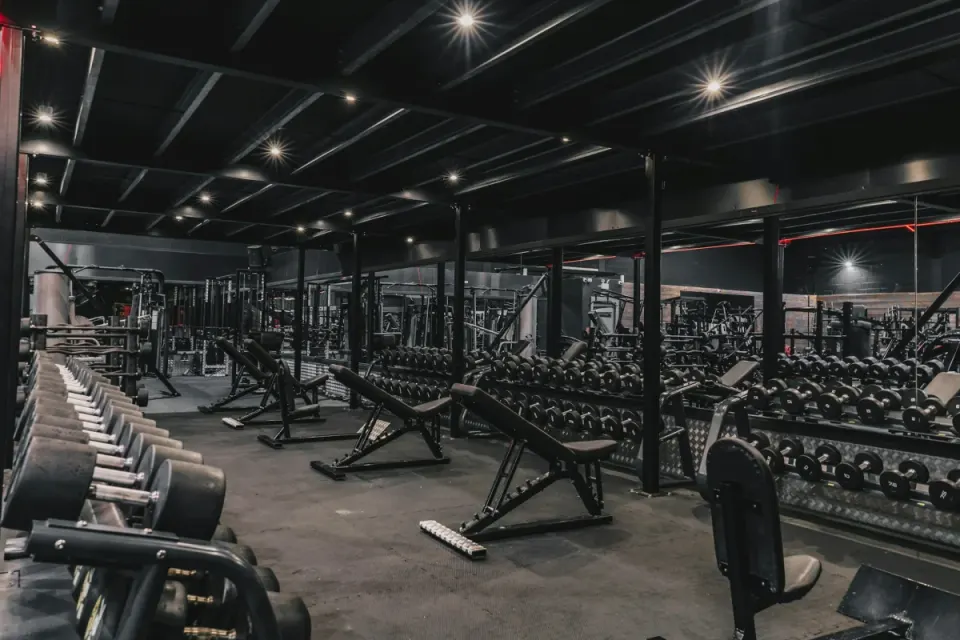
You regularly attend the gym.
You train hard.
You sweat, pump, give it your all – and yet, little happens.
Hardly any muscle growth.
Plateaus for months.
Joints start to act up.
Motivation dwindles.
And the craziest part:
👉 You are probably doing exactly what social media sells you as 'right'.
The biggest mistake in the gym is not lacking motivation.
Not the wrong supplements.
Not even a poor training plan.
The biggest mistake is more subtle – and almost everyone makes it.

Most train a lot, but not effectively.
More sets.
More exercises.
More days.
More intensity – at least it feels that way.
What’s missing is quality.
Many confuse:
The result is training that looks brutal, feels hard – but scarcely triggers biological growth.
One of the biggest subpoints of this mistake is so-called Junk Volume.
These are sets that:
These sets cost:
…without delivering noteworthy muscle growth.
Studies clearly show:
👉 Muscle growth results from effective repetitions close to failure with controlled technique, not from maximum set numbers.
More is not better here but often counterproductive.

Another classic in the gym.
The weight is moved – but the muscle hardly works anymore.
Typical signs:
In the short term, this feels strong.
In the long term, it brings:
Muscle growth needs mechanical tension in the target muscle, not in the ego.
Many train for years:
The body adapts.
Without a new stimulus, there is no reason to build new muscle mass.
Progression doesn’t just mean:
But also:
Without planned progression, training is just movement – no stimulus.

Instagram, TikTok & co. show:
What’s rarely shown:
Many compare themselves to bodies whose training volume is not transferable to natural athletes.
The result:
👉 You are copying a system that biologically does not work for you.

Effective training is often:
What’s crucial are:
Not the feeling of being 'destroyed' – but measurable progress.

The biggest mistake in the gym is blind, uncontrolled training without genuine growth stimulus.
More training does not replace better training.
More sets do not replace progression.
More weight does not replace muscle tension.
If you:
…you will build more muscles with less effort, become stronger, and stay healthy in the long run.

Are you looking to make your workout program more effective and maximize your performance? Then you should get familiar with the concept of 1RM, or One-Rep Max. 1RM represents the…
Read article
This blog provides a detailed analysis of the Heavy Duty training approach, including training plans, scientific studies, advantages and disadvantages, as well as concrete…
Read article
Sport is the cornerstone of a healthy lifestyle, signaling a fresh start for many. This blog post offers beginners step-by-step guidance, motivation sources, and success tips for…
Read article