Hot summer days pose particular challenges to the body. High temperatures increase fluid loss, place greater strain on the circulatory system, and can significantly diminish performance during training. Choosing the right foods plays a crucial role in these conditions. Certain foods help regulate body temperature, enhance hydration, and support recovery.
Why Nutrition is Important in the Heat
In hot weather, the body loses not only water through sweat but also electrolytes such as sodium, potassium, and magnesium. These minerals are essential for muscle function, nerve activity, and fluid balance.
Studies indicate that even a 2 percent loss of body weight in fluids can significantly reduce endurance performance. Therefore, it's particularly important not only to drink enough but also to incorporate hydrating and mineral-rich foods.

The Best Foods Against Heat
| Food | Effect | Why It Helps |
|---|---|---|
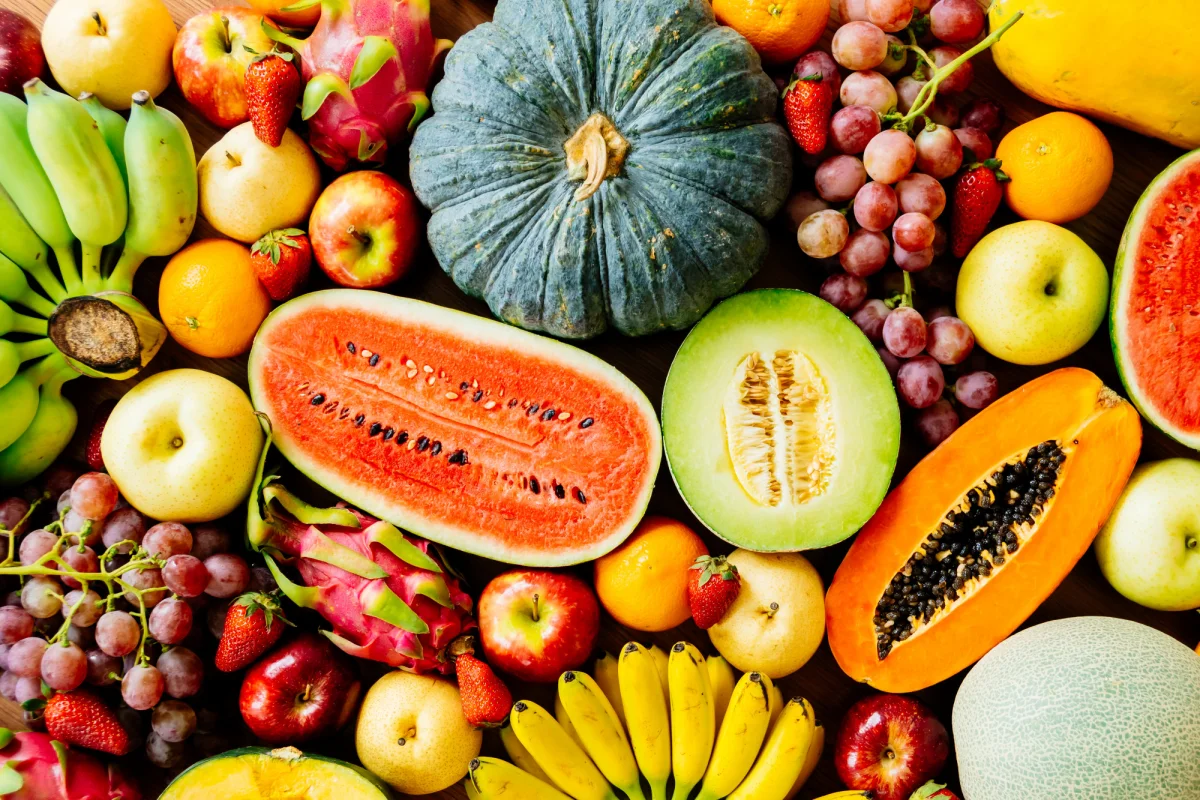
| Watermelon | Very high hydration | Consists of over 90 percent water and contains electrolytes |
| Cucumber | Cooling and light | Supports fluid intake and is gentle on digestion |
| Yogurt | Recovery | Contains proteins and probiotic cultures for the gut |
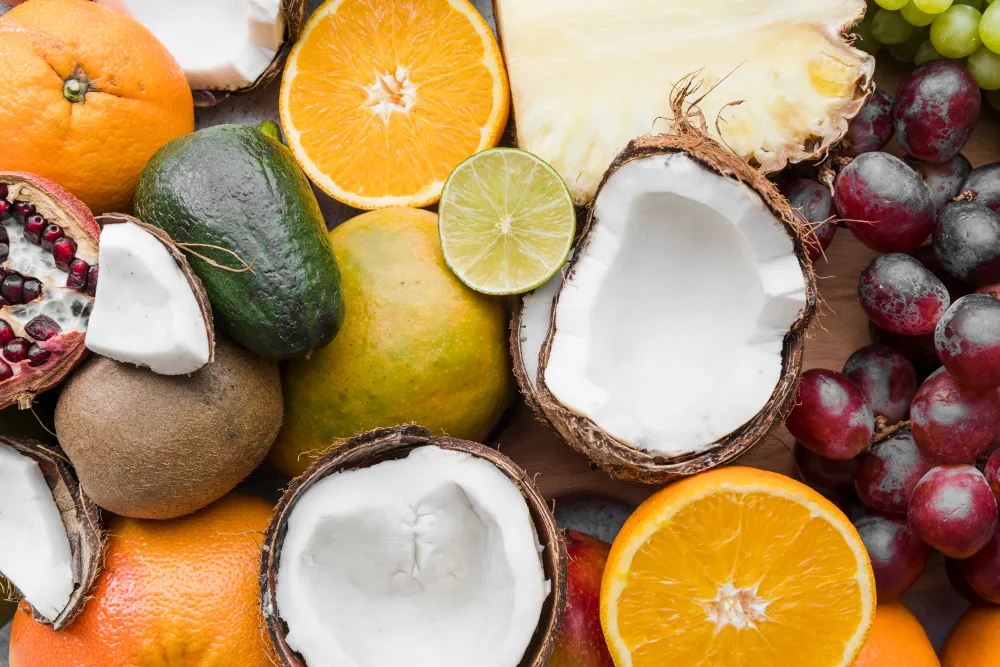
| Coconut water | Electrolytes | Provides potassium, sodium, and magnesium for quick balance |
| Berries | Antioxidants | Protect cells against oxidative stress caused by heat |
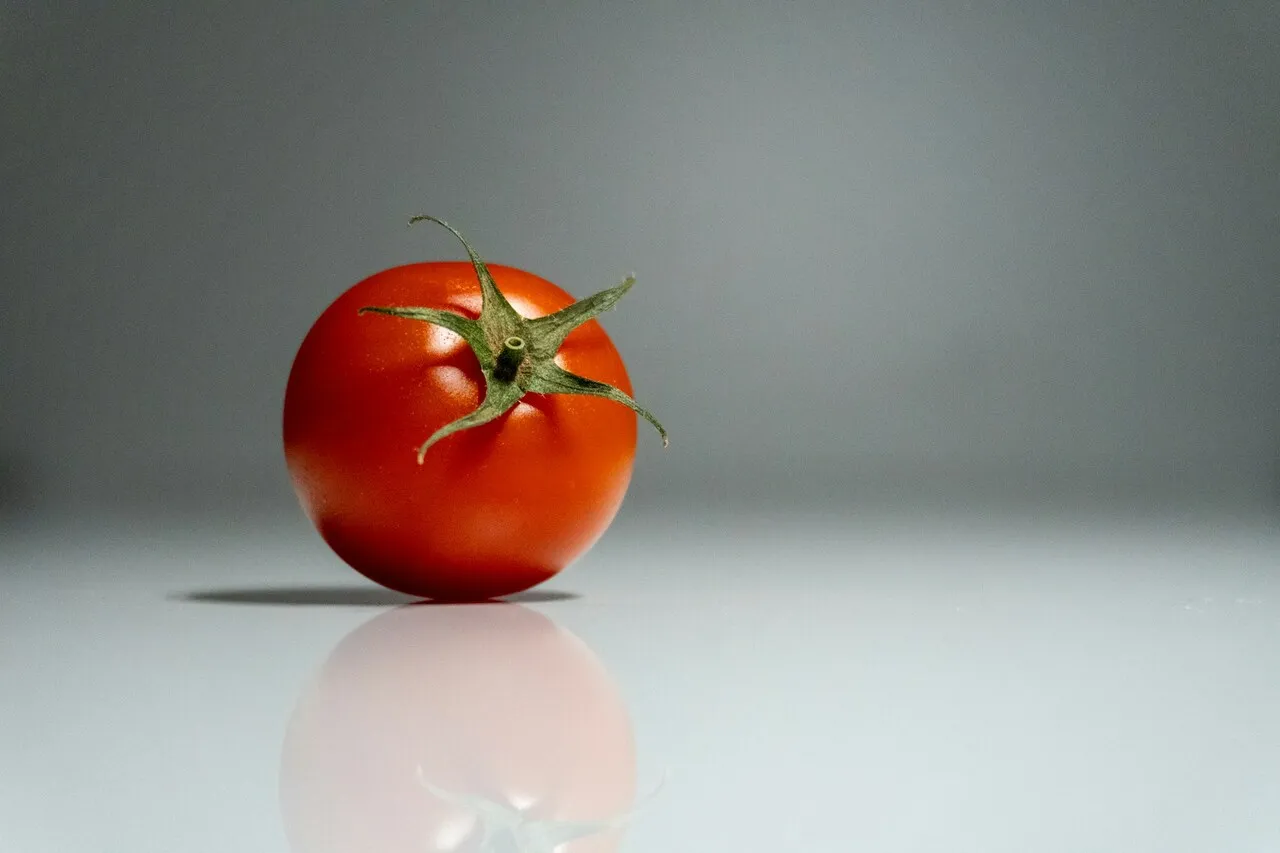
| Tomatoes | Fluid + Lycopene | Support cardiovascular system and hydration |
| Citrus fruits | Vitamin C | Support immune system and fluid balance |
| Salad (e.g., lettuce) | Easy to digest | Places little strain on the body and provides water |
| Bananas | Rich in potassium | Important for muscle and nerve function |
| Mint | Cooling effect | Can subjectively reduce the sensation of heat |
Hydration and Electrolytes in Summer
Pure water intake is often insufficient in extreme heat. Especially during physical activity, sodium is additionally lost through sweat. Therefore, the combination of water and mineral-rich foods is ideal.
Recommended strategies:
- Drink small amounts of water regularly instead of large quantities at once
- Incorporate foods rich in electrolytes like coconut water or bananas
- Distribute water-rich foods throughout the day
- Include yogurt or lightly salted snacks after exercise

Foods to Support Recovery
After physical activity in the heat, the body is particularly dependent on quick recovery. Proteins, antioxidants, and minerals play a central role here.
- Yogurt and skyr support muscle recovery through high-quality protein
- Berries reduce oxidative stress after intense sessions
- Bananas help replenish glycogen stores more quickly
- Tomatoes deliver anti-inflammatory phytochemicals
Foods to Reduce in the Heat
Not all foods are optimal in high temperatures. Some further strain the circulatory system or promote dehydration.
| Food | Issue |
|---|---|
| Very fatty foods | Slow digestion and strain the circulatory system |
| Highly salty processed foods | May negatively affect fluid balance |
| Alcohol | Leads to additional fluid loss |
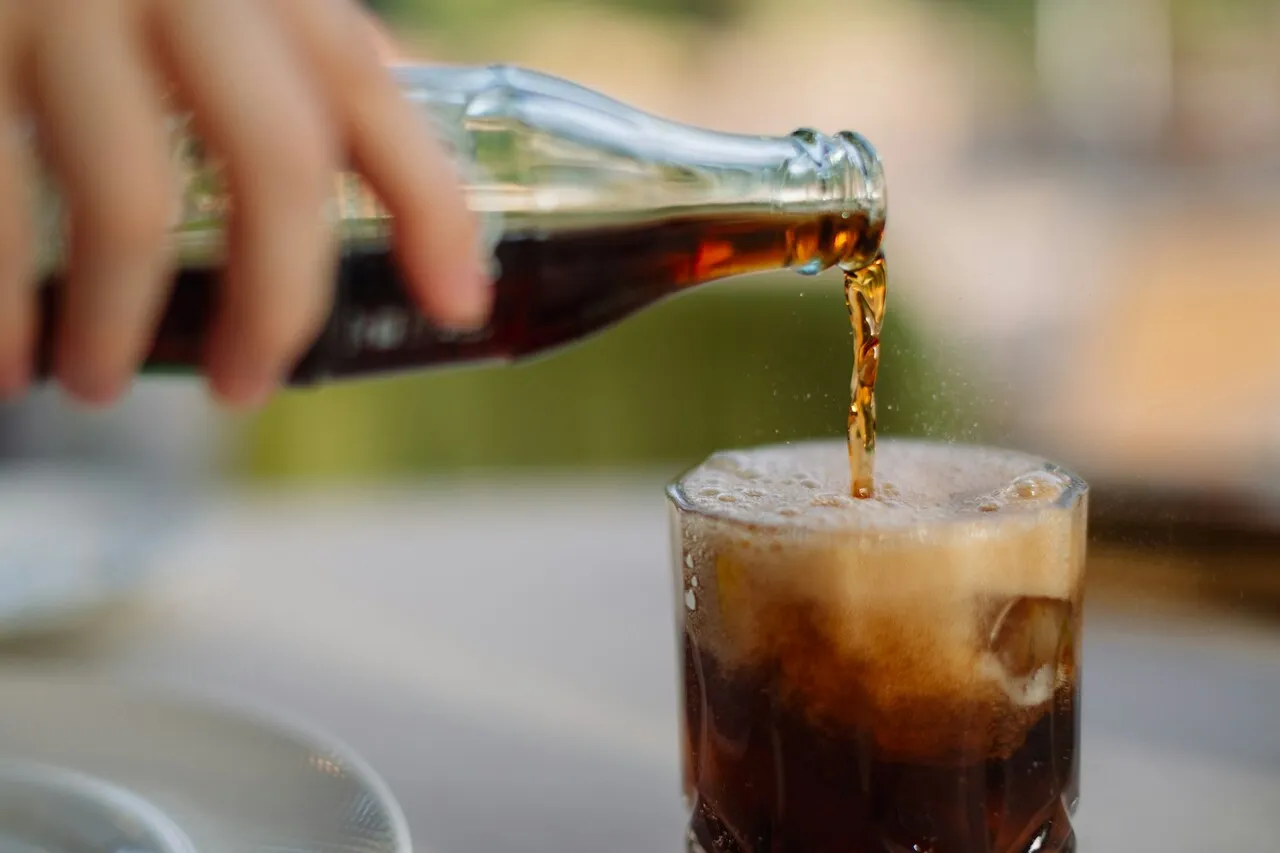
| Sugary drinks | No real hydration effect, unsteady blood sugar |
| Very spicy foods | Can intensify the sensation of heat |
Practical Example for a Hot Summer Day
Morning:
- Yogurt with berries and a bit of banana
- A glass of water or coconut water
Lunch:
- Light salad with cucumber, tomatoes, and chicken
- Citrus fruits as dessert
Afternoon:
- Watermelon or a fruit snack
- Regularly drink water
Evening:
- Light dish with vegetables and protein
- Herbs like mint for extra freshness

Conclusion
The right nutrition in the heat is a decisive factor for performance, well-being, and recovery. Water-rich foods, electrolyte-containing foods, and easily digestible meals help the body remain stable even on extremely hot days. Simultaneously, heavily taxing foods should be reduced to avoid additional stress on the circulatory system. In a sporting context, the right nutrition can make the difference between a decrease in performance and stable performance.
Sources
- Sawka et al., American College of Sports Medicine Position Stand: Exercise and Fluid Replacement
- Journal of the International Society of Sports Nutrition, Hydration and Performance
- Nutrients Journal, Water-Rich Foods and Hydration Status
- European Journal of Nutrition, Electrolyte Balance in Athletes
- Harvard T.H. Chan School of Public Health, Hydration and Health