Abdominal muscles are considered symbols of fitness, discipline, and strength—yet those who aim to train them specifically often face the question: How do I differentiate between the upper and lower abdominal muscles? In fact, the rectus abdominis is a continuous muscle sheet, segmented visually by tendinous intersections that allow us to distinguish between 'upper' and 'lower' regions. Different movement patterns can emphasize activity in specific areas.

Upper Abdominals: Crunches and More
The upper abdominal muscles are primarily engaged when the torso is moved toward the pelvis. Common exercises include:
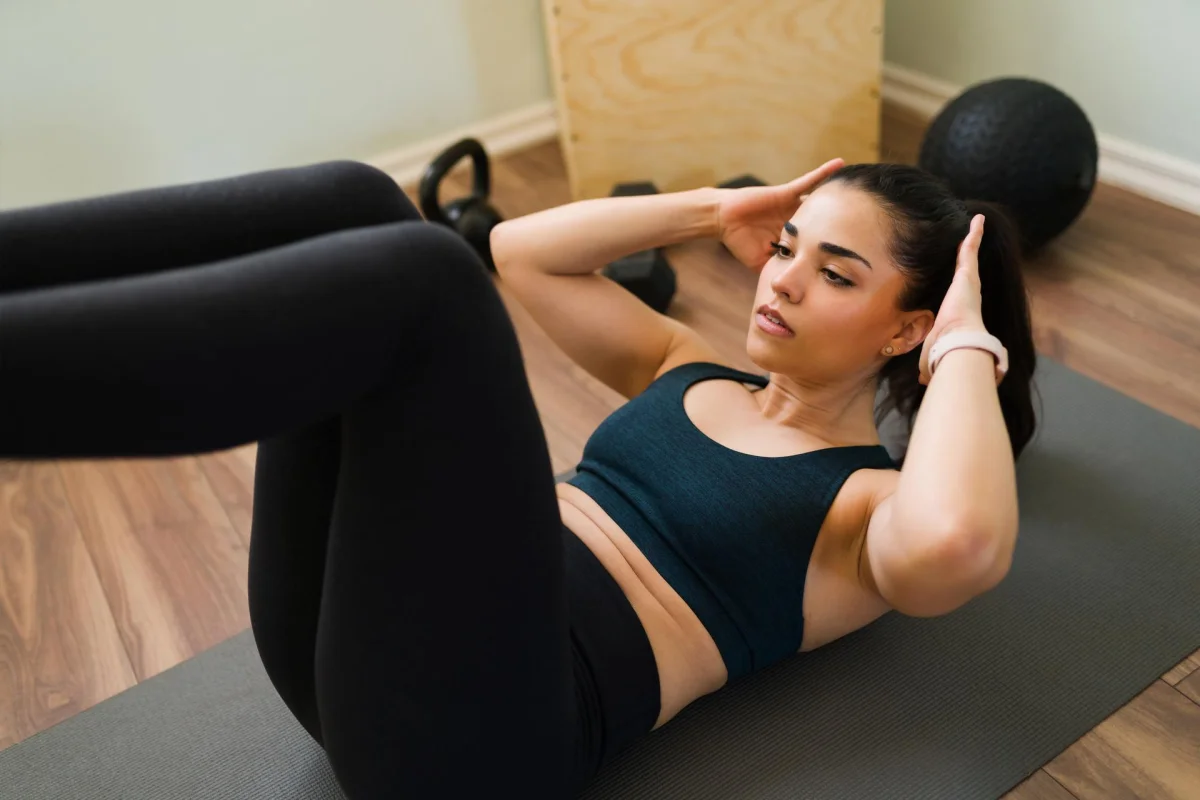
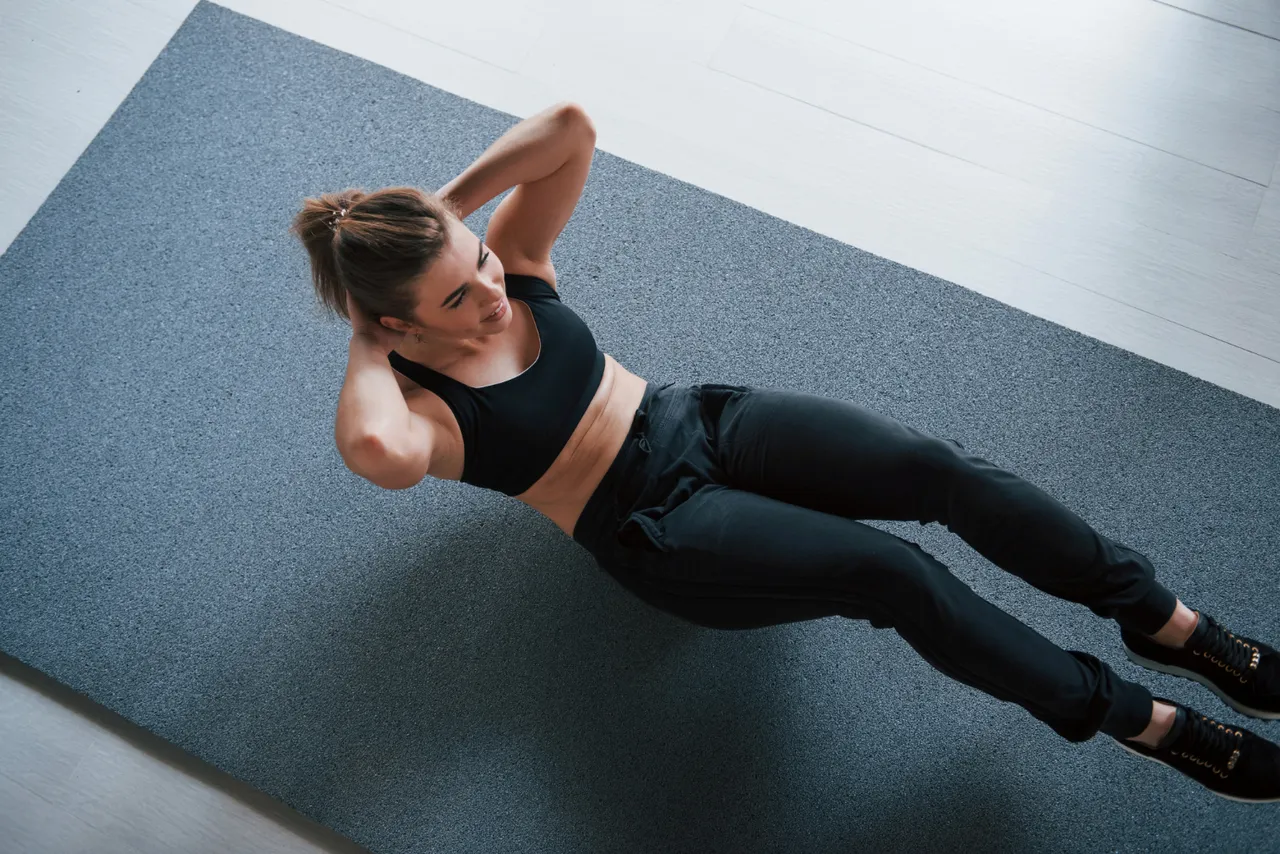
- Crunches: A classic for the upper sections. The shoulder blades lift from the floor while the lower back remains fixed.
- Modified Sit-ups: Lift only until about 45 degrees rather than fully upright—this increases tension in the upper abdominals.
- Cable Crunches: Kneeling with a cable rope system, bend the torso downward. Ideal for isolating the upper zone under strain.
Lower Abdominals: Lifts
The lower abdominal muscles are more activated when the pelvis is lifted or the legs are moved forward. Effective exercises include:
- Hanging Leg Raises: Best performed on a pull-up bar, with the knees or straight legs lifted. Especially effective when the pelvis is actively tilted upward.
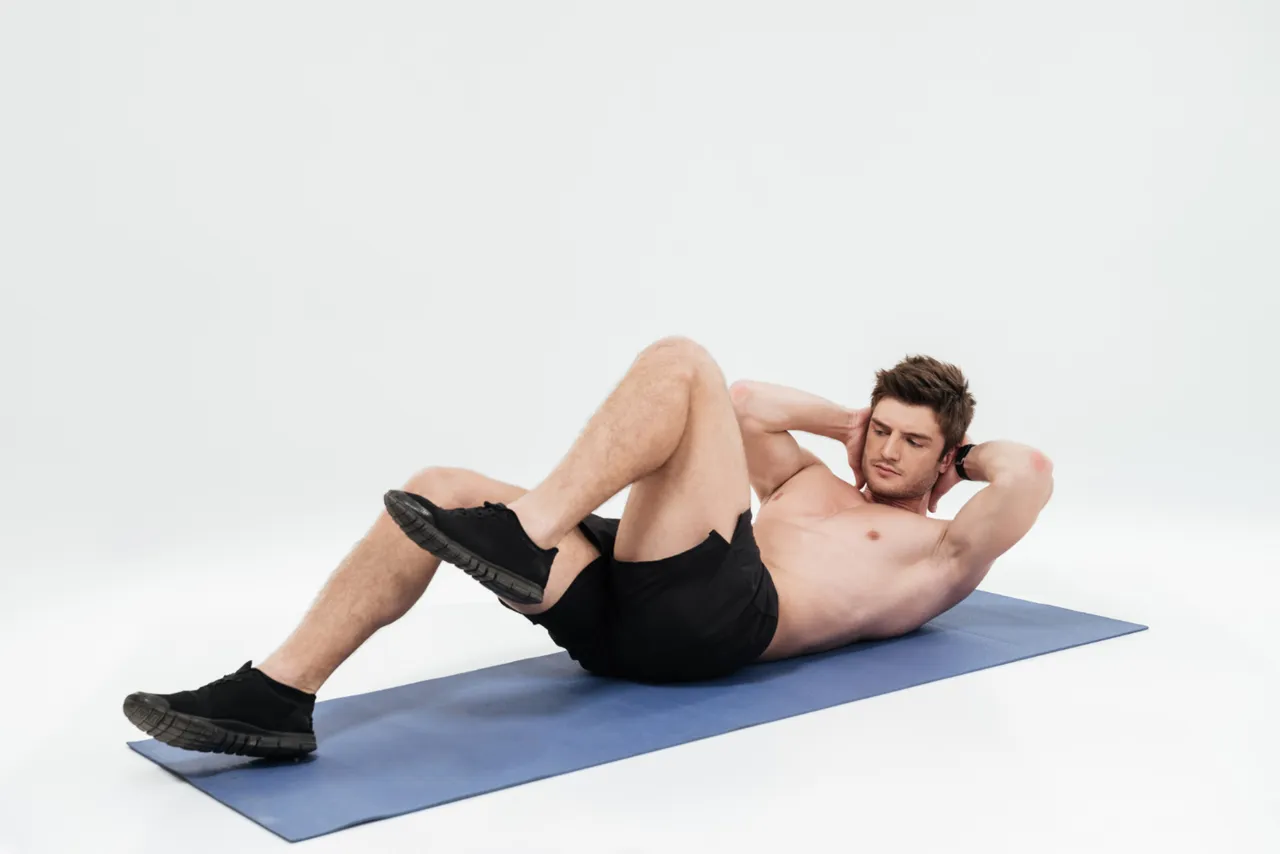
- Reverse Crunches: Lying on one’s back with bent knees, roll the pelvis upwards. Key: avoid swinging; perform controlled lifts.
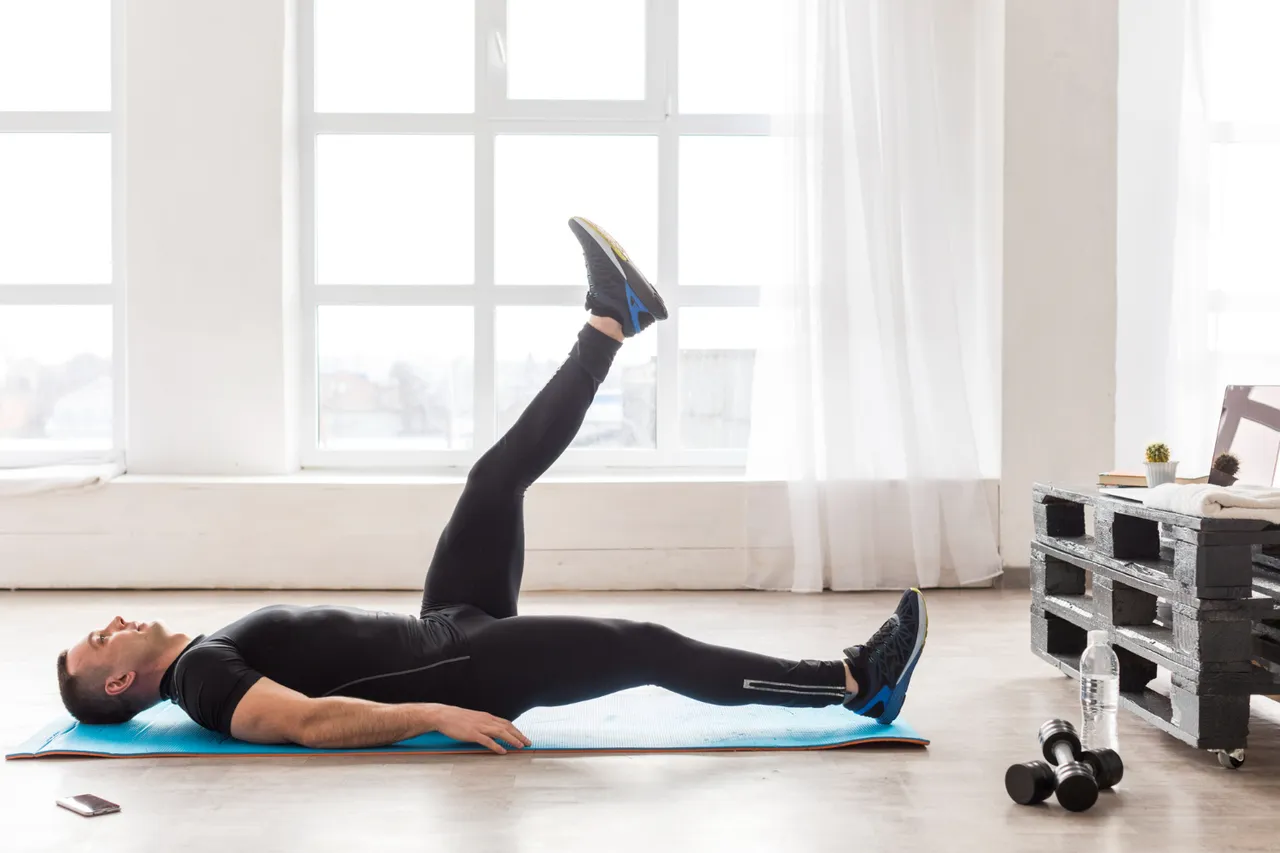
- Scissor Kicks: In a supine position, alternately lift and lower straight legs—primarily trains the lower region while also stabilizing the hips.
Combination Training for Maximum Definition
For a visible, consistent “six-pack effect,” it is beneficial to combine upper and lower abdominal exercises in one workout. An example:
| Exercise | Area | Repetitions / Time |
|---|---|---|
| Crunches | Upper Abdominals | 15–20 repetitions |
| Reverse Crunches | Lower Abdominals | 12–15 repetitions |
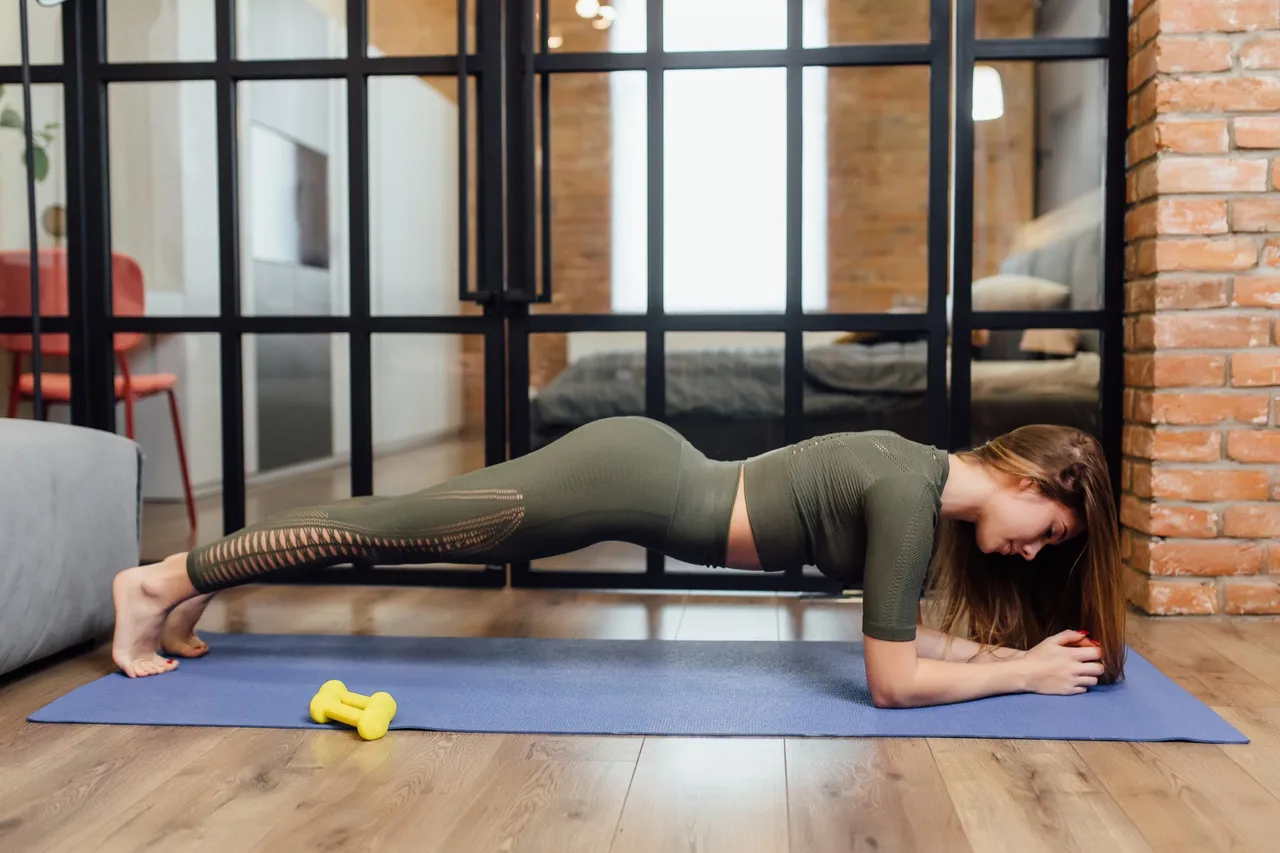
| Plank with Leg Lifts | Entire Core | 30–60 seconds |
| Hanging Leg Raises | Lower Abdominals | 8–12 repetitions |
Key Tips for Abdominal Training
- Quality Over Quantity: Proper execution is more important than a high number of repetitions.
- Breathing: Exhaling during contraction increases intra-abdominal pressure, enabling more efficient muscle work.
- Full-Body Approach: A flat stomach not only results from training but also from nutrition and maintaining a low body fat percentage.
- Recovery: Even abdominal muscles need rest, with targeted training optimal 2–3 times a week.
Conclusion
Although part of a shared muscle structure, the upper and lower abdominals can be specifically emphasized. A balanced abdominal workout, incorporating variations of crunches and leg raises, offers both aesthetic and functional benefits. With attention to diet and recovery, you maximize your potential for visible abdominal muscles.