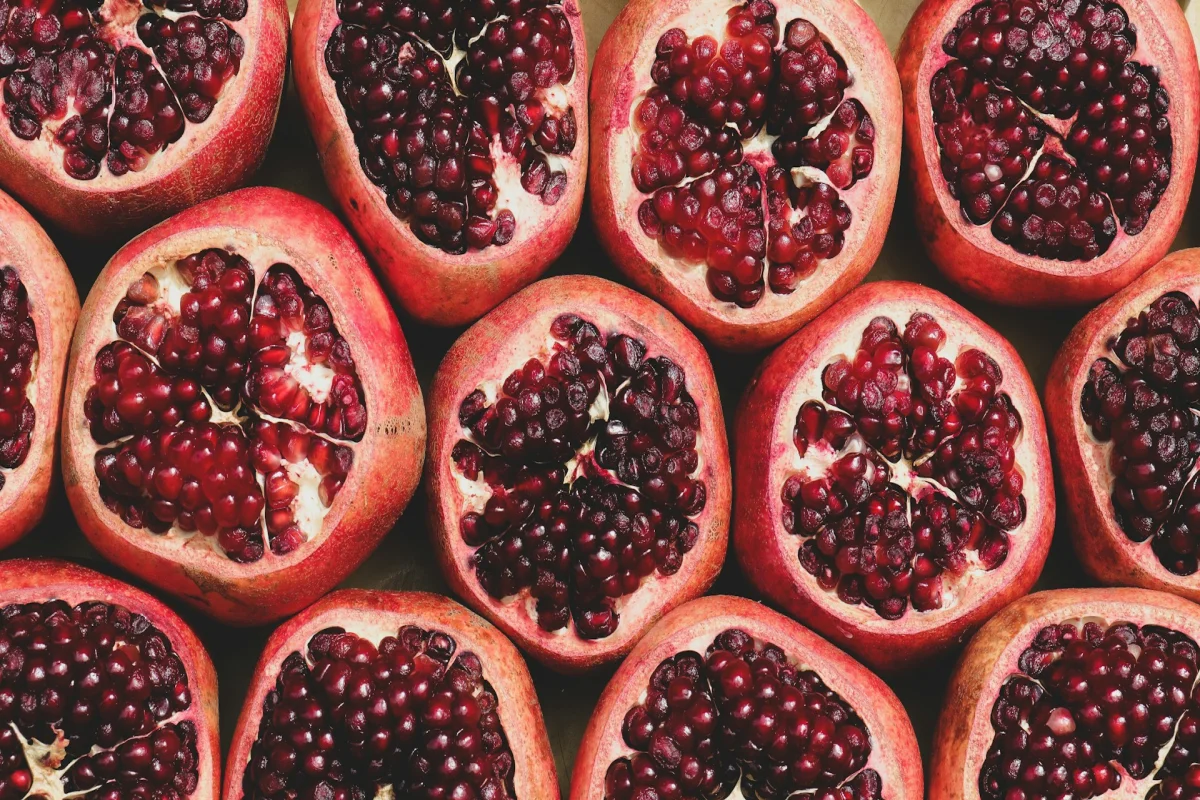
Winter is often associated with colds, a lack of sunlight, and a weakened immune system. Yet it is precisely during this season that a fruit takes center stage which has long been underestimated: the pomegranate (Punica granatum). With its deep ruby-red hue, it has symbolized vitality, energy, and health for centuries. But what makes the pomegranate so valuable in winter?
In this article, you will discover everything about the health-promoting properties of the pomegranate during the cold season, its key nutrients, and its high vitamin C content – a crucial factor during the cold season.
Why the pomegranate is perfect for winter
During winter, the body needs three things above all: protection, regeneration, and strong immune defenses. The pomegranate naturally combines all these aspects in a delicious way.
Thanks to its wealth of phytonutrients, antioxidants, and vitamins, it strengthens the body against cold, viruses, and inflammation. While many people rely on synthetic supplements during the chilly months, the pomegranate provides essential nutrients in a natural and optimally bioavailable form.
Another advantage: pomegranates are in season during winter – ensuring fresh quality, intense flavor, and maximum nutrient density.
How the pomegranate strengthens the body
Boosting the immune system
The pomegranate boasts an exceptionally high concentration of polyphenols, particularly punicalagins. These powerful antioxidants neutralize free radicals and enhance cellular protection. Especially during cold, stress, and physical inactivity, this defense power truly unfolds.
Furthermore, the vitamin C it contains supports the formation of immune cells and contributes to strengthening the body’s natural defenses.
Anti-inflammatory properties
Mild, often unnoticed inflammations occur more frequently in winter – often due to inactivity or an unbalanced diet. The pomegranate’s bioactive compounds target inflammation and protect joints, muscles, and blood vessels.
Active individuals especially benefit, as pomegranates may support recovery after physical exertion.
Healthy cardiovascular system
Many people experience elevated blood pressure during the cold season. Regular enjoyment of pomegranate seeds or freshly pressed juice may help support vascular health and reduce oxidative stress in the arteries.
Scientific studies indicate that pomegranate extracts can improve circulation and have a positive effect on cholesterol levels.
Vitamin C in pomegranates – how effective is it?
Vitamin C is one of the most important micronutrients in winter. Its benefits include:
- supporting the normal function of the immune system,
- promoting collagen formation for skin, tendons, and joints,
- enhancing iron absorption, and
- accelerating recovery after physical activity.
Although the pomegranate contains less vitamin C than rose hips or sea buckthorn, it still provides a significant amount – especially in combination with valuable antioxidants, polyphenols, and flavonoids.
Its greatest strength lies in the synergistic action of its bioactive components, which work together to combat oxidative stress effectively.
Pomegranate and skin health in winter
Cold weather and dry indoor air can place heavy demands on the skin in winter. The contained antioxidants help reduce oxidative stress and stimulate natural cell renewal.
Vitamin C also plays a vital role in collagen production. It helps maintain firmness, elasticity, and a fresh complexion – essential for healthy, resilient skin during the cold season.
For this reason, many premium natural skincare brands use pomegranate extracts to support skin regeneration and protect it from environmental stressors.
Enjoying pomegranates – delicious ideas for winter cuisine
Pomegranates can be enjoyed in many ways, for example:
- as a fresh, wholesome snack,
- mixed into yogurt or curd,
- as a fruity topping for salads,
- as freshly pressed juice, or
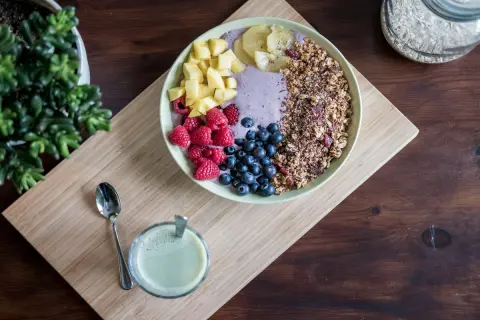
- in comforting winter bowls with oats.
Tip: Enjoy your pomegranate as fresh or freshly pressed as possible – many industrially processed products contain added sugars and fewer bioactive compounds.
Conclusion
The pomegranate is a true winter power fruit. Even though its vitamin C content is moderate, it impresses with its strong antioxidant potential, anti-inflammatory properties, and beneficial effects on the immune system, cardiovascular health, and skin. This makes the pomegranate a natural ally for holistic health, vitality, and well-being throughout the cold season.