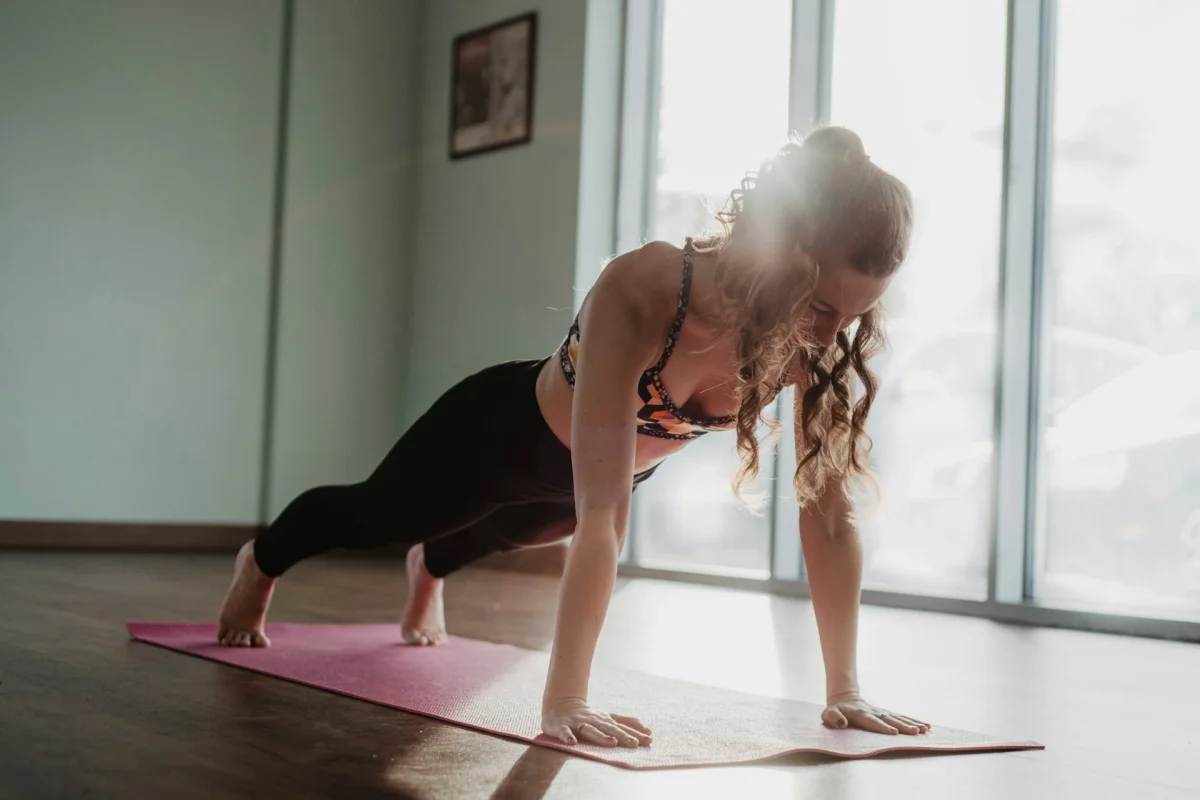
When one thinks of core training, sit-ups or crunches often come to mind. However, one exercise has established itself as a genuine classic over the years: the plank, also known as the forearm support. Although the movement seems simple at first glance, it engages nearly the entire body and ranks among the most effective exercises for stability, posture, and functional strength.
Regardless of whether you are a beginner, amateur athlete, or professional, properly executed planks can significantly contribute to overall fitness and lay the foundation for improved performance in many other exercises.
What exactly is a plank?
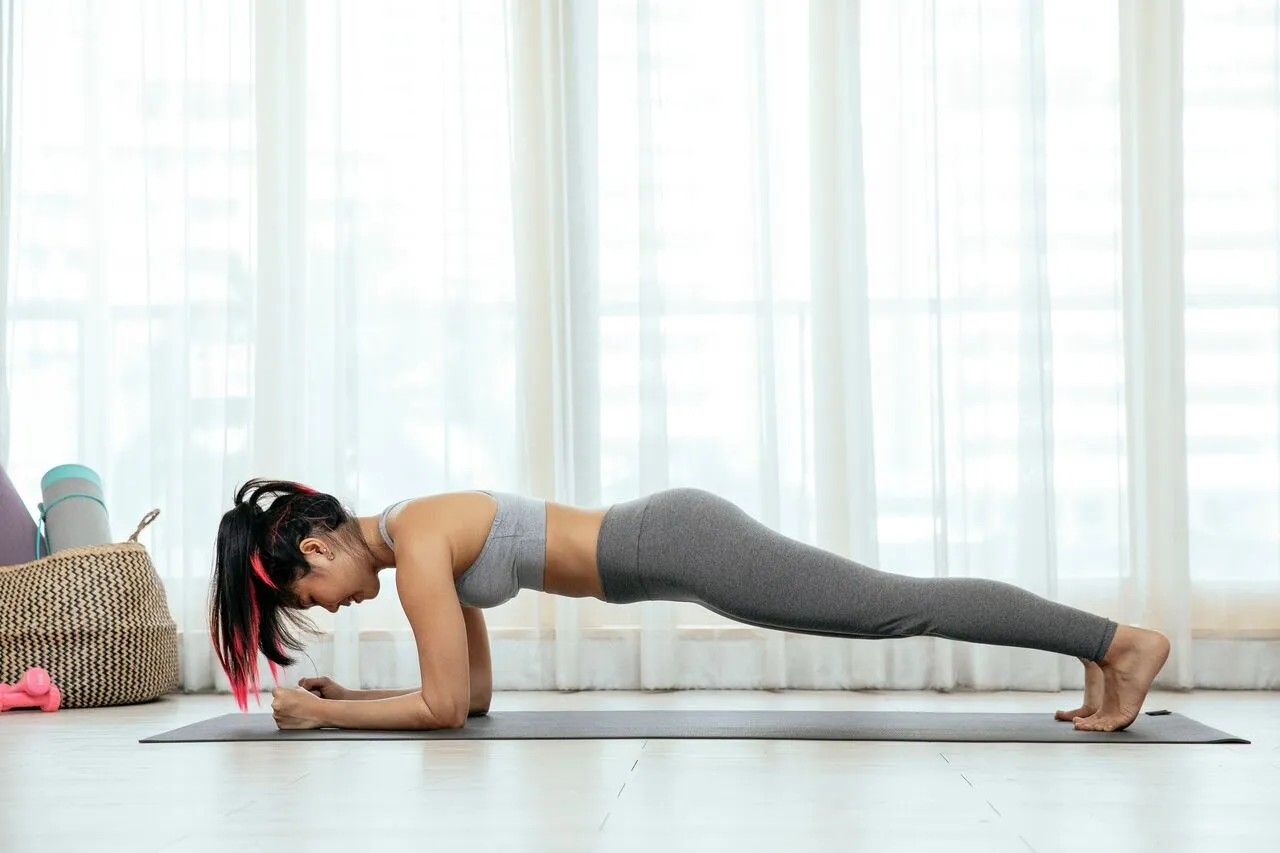
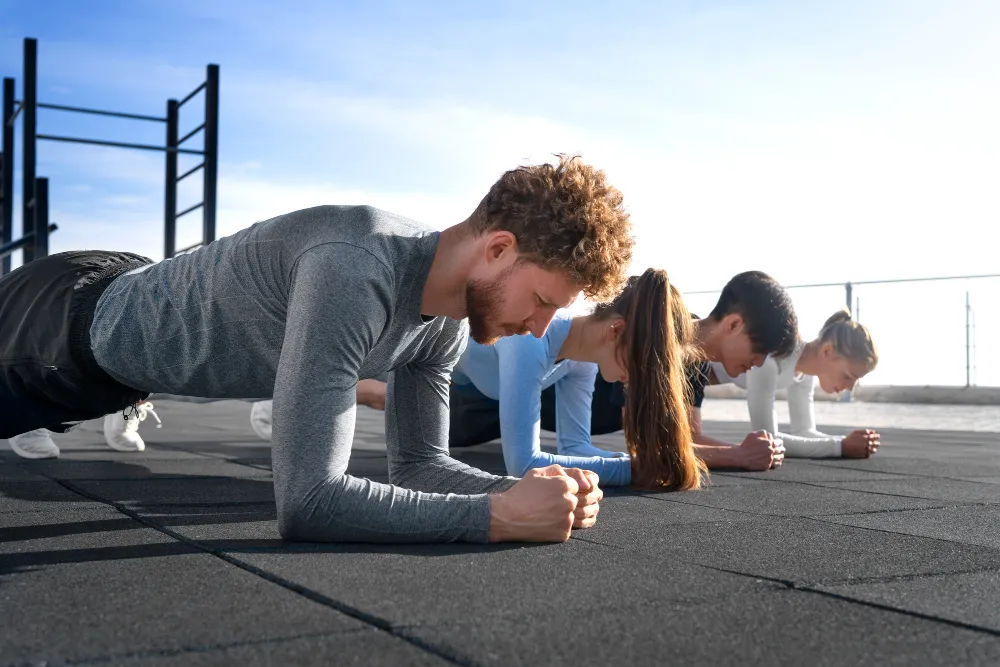
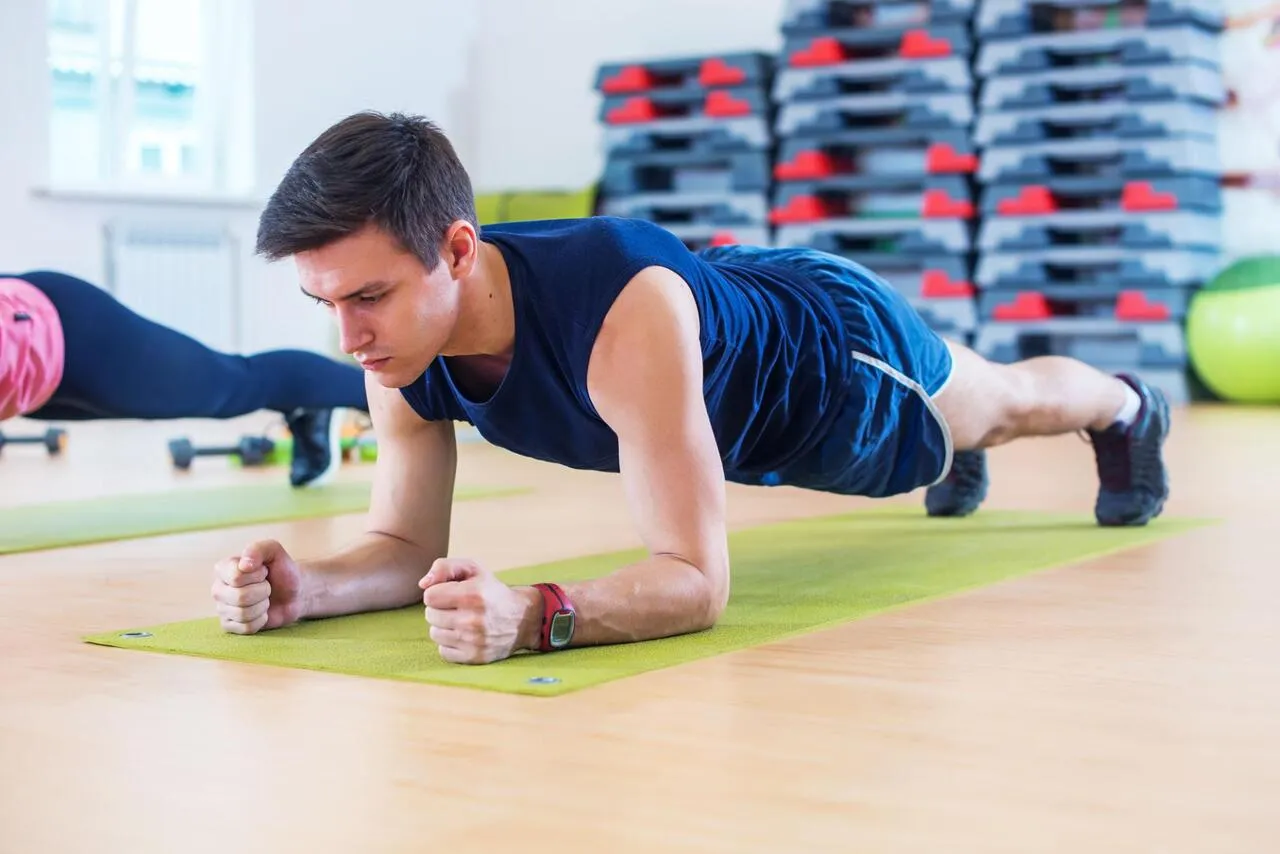
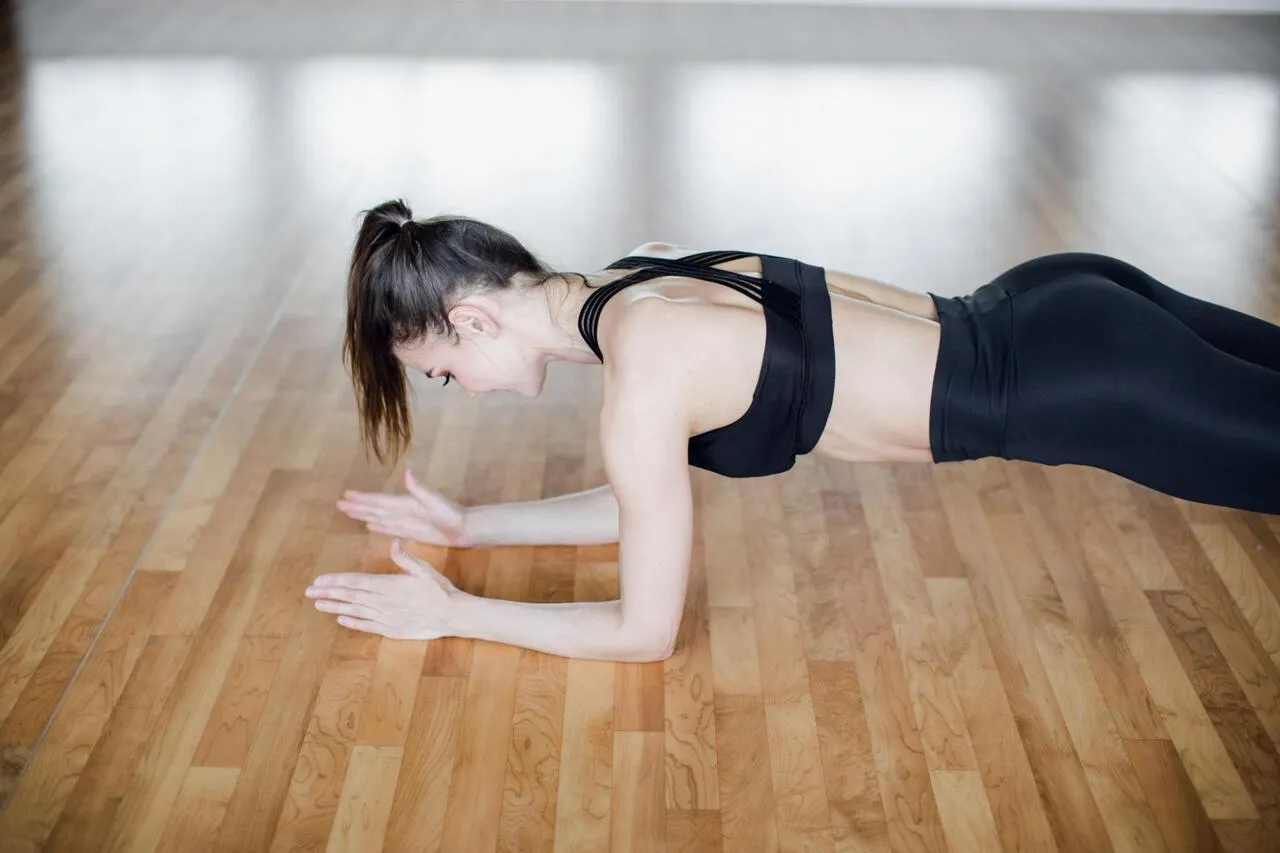
In a classic plank, you support yourself on your forearms and toes, maintaining a straight line with your body. Unlike dynamic exercises, almost no movement occurs. Instead, the muscles work isometrically—they generate tension without significantly changing in length.
This particularly activates the deep core muscles responsible for stability and force transmission.
Which muscles are trained?
Planks are a full-body exercise. The following muscle groups are particularly engaged:
| Muscle Group | Function in the Plank |
|---|---|
| Rectus Abdominis | Stabilizes the core |
| Transverse Abdominis | Increases core stability |
| Oblique Muscles | Prevent lateral tilting |
| Lower Back | Supports the spine |
| Glutes | Stabilize the hips and pelvis |
| Shoulders | Maintain upper body position |
| Chest and Arms | Support holding work |
| Thighs | Provide body tension |
This makes the plank much more than just an exercise for visible abs.
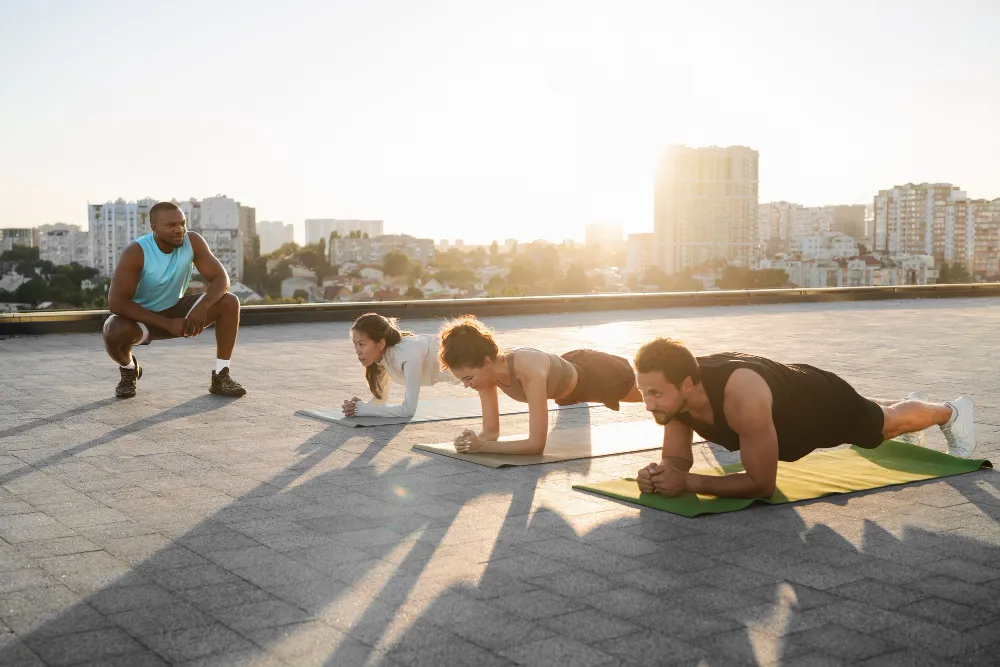
What are the benefits of planks?
Enhancing Core Stability
The greatest advantage of planks is building a strong core. A stable core improves force transmission between the upper and lower body and forms the foundation for nearly every athletic movement.
Supporting Healthy Posture
Those who sit for many hours often lose body tension. Regular plank training can strengthen the stabilizing muscles, supporting an upright posture in daily life.
Protecting the Spine
A strong core helps distribute loads more effectively and stabilizes the spine during lifting or carrying movements. This can reduce the risk of injury in everyday life and strength training.
Improved Performance in Strength Training
During squats, deadlifts, shoulder presses, or pull-ups, the core must continuously stabilize. A trained core often allows for better technique and more efficient force transmission.
Benefits for Many Sports
Whether in football, martial arts, tennis, swimming, or running, nearly every sport benefits from a stable core. Changes in direction, rotations, and accelerations can be executed more controlled.
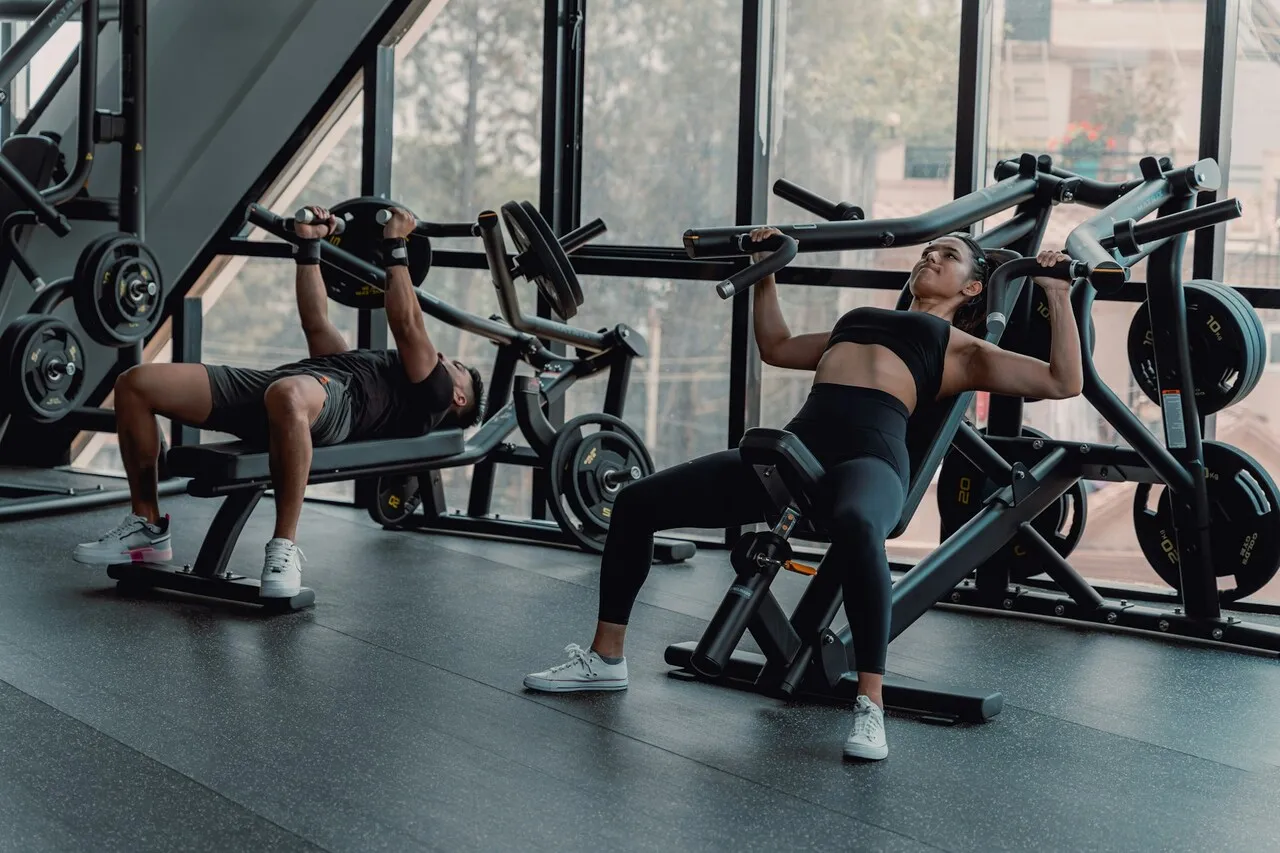
Do planks help with muscle growth?
Yes—but with limitations.
Planks primarily improve muscle tension and endurance of the core muscles. However, they usually aren't sufficient alone for maximum muscle growth of the abs. Exercises with progressive loading such as cable crunches or hanging leg raises often offer stronger stimuli for growth.
Therefore, planks are excellent as a supplement to a versatile core training regimen.
Can planks help with back pain?
For many individuals, targeted core training can prevent or reduce lower back discomfort because it strengthens the stabilizing muscles. However, those with existing pain or injuries should adapt the exercise individually and possibly seek medical advice.

When should one perform planks?
There are several sensible uses:
- After warming up to activate the core muscles.
- At the end of a strength training session as a core finisher.
- On rest days as a brief stability unit.
- In home workouts when time or equipment is limited.
Before very heavy maximal strength attempts, extremely long or exhausting plank sets should be avoided to prevent premature core muscle fatigue.
How often should one train planks?
For most recreational athletes, two to four sessions per week are sufficient. Quality is more important than duration. A well-held plank for 30 to 45 seconds usually provides more benefit than several minutes with poor technique.
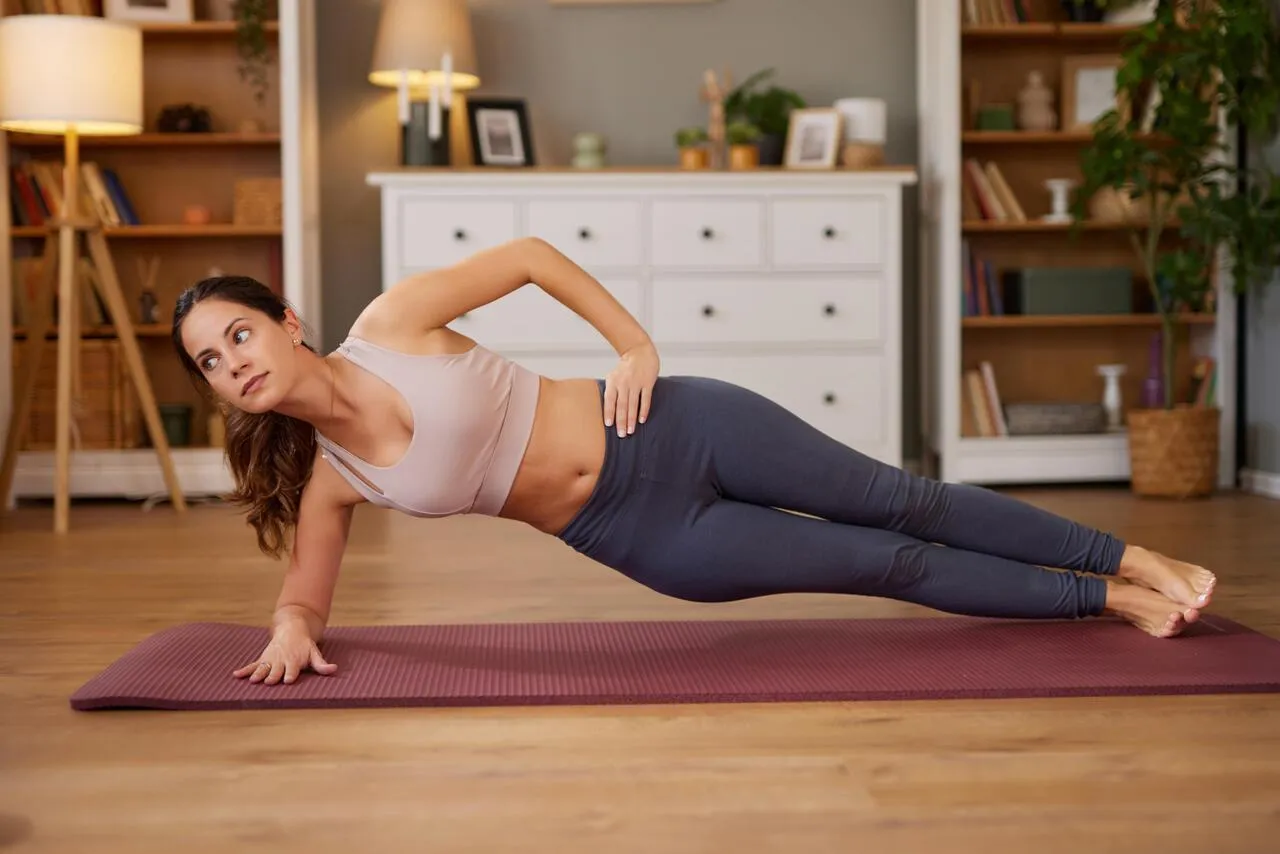
Advanced individuals can incorporate variations such as side planks, RKC planks, or weighted planks.
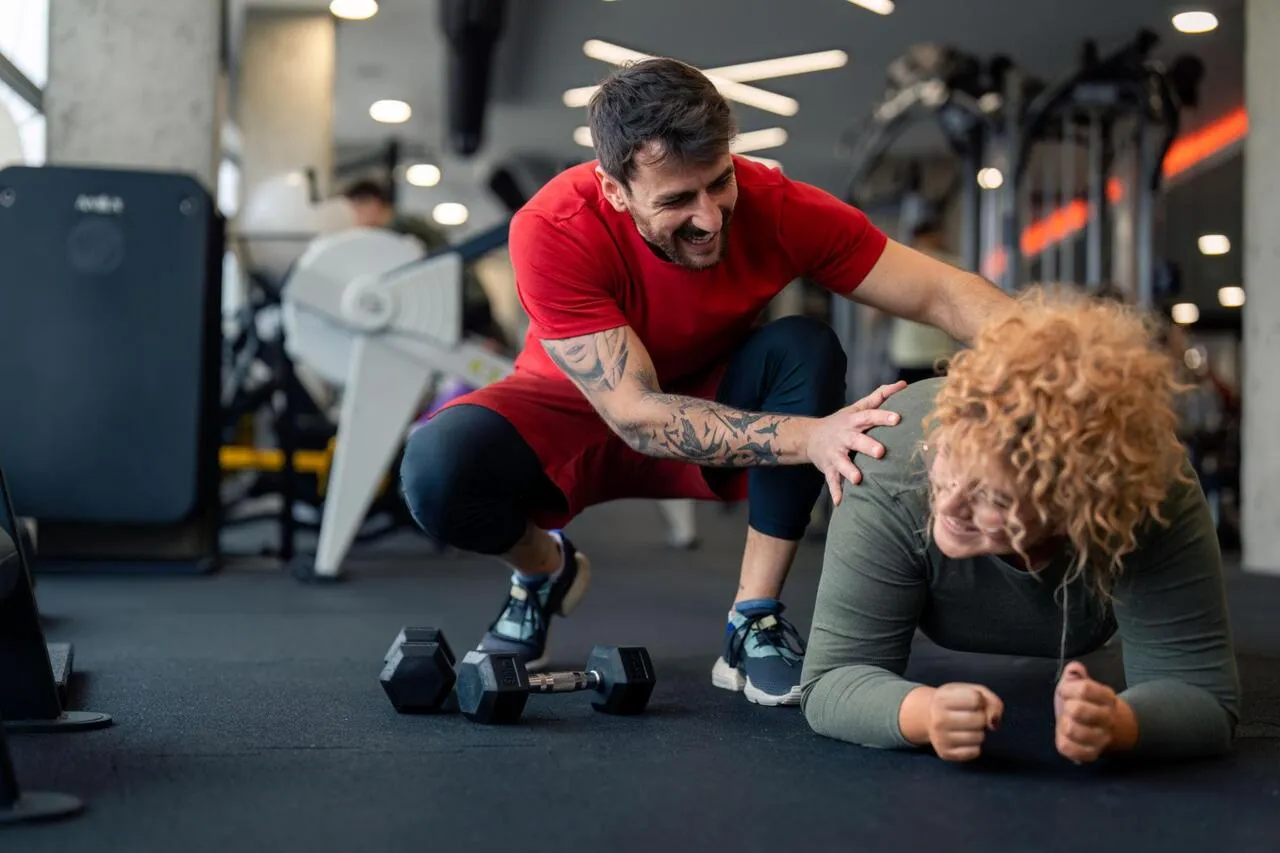
Common mistakes
Many people waste potential due to technical errors:
- Sagging the hips.
- Raising the hips too high.
- Overextending the head.
- Raising the shoulders.
- Holding the breath.
- Failing to actively engage the core and glutes.
The goal is a straight line from head to heel with even breathing and maximum body tension.
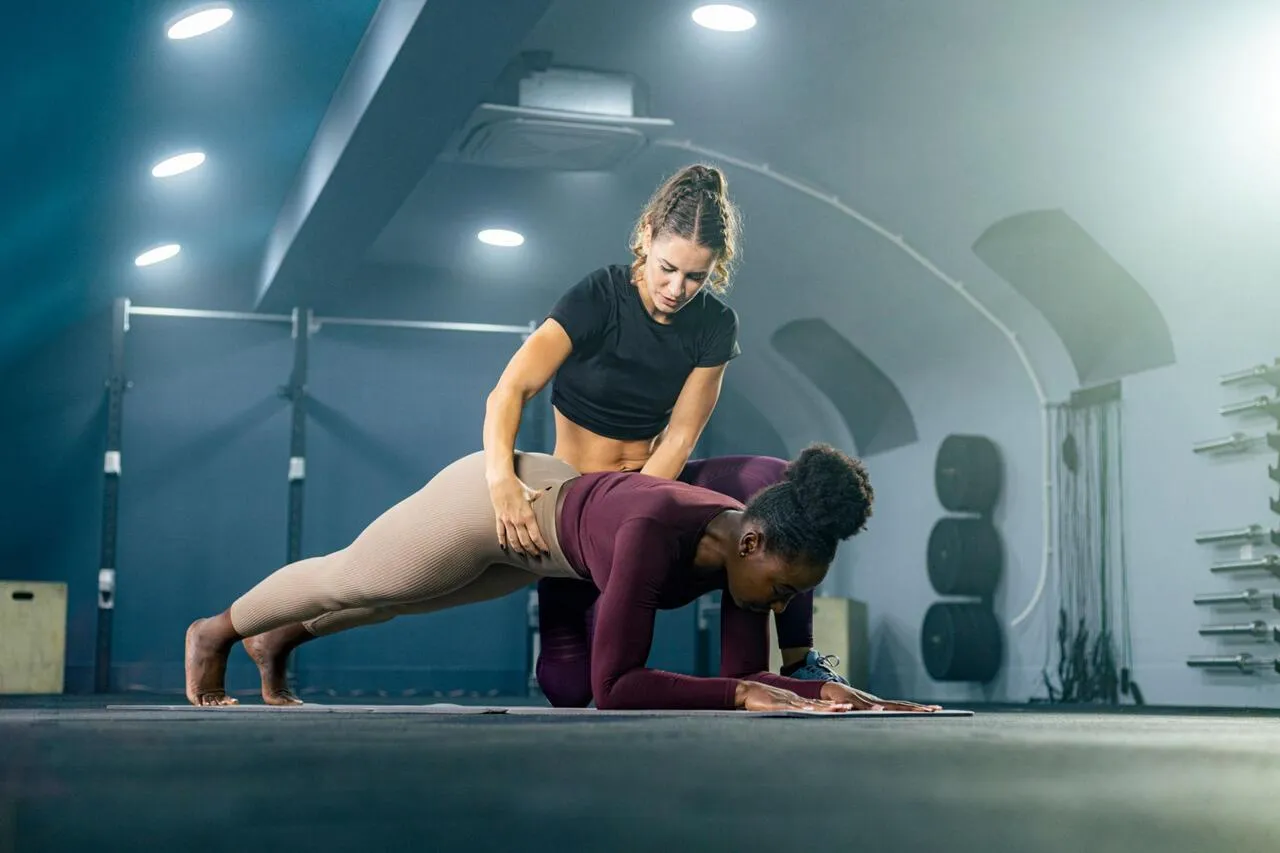
Are planks suitable for beginners?
Absolutely. The exercise can be easily adapted:
- Plank on the knees.
- Shorter hold times of 10 to 20 seconds.
- Multiple short repetitions instead of one long set.
- Gradually increasing the hold time.
This allows nearly anyone to safely begin training.
Conclusion
Planks are among the most effective bodyweight exercises for a strong core. They enhance core stability, support good posture, promote force transmission in numerous sports, and complement strength training effectively. While they do not replace complete ab training if maximal muscle growth is the goal, they are virtually indispensable as a foundational exercise for health, fitness, and functional performance.
Sources
- Hibbs AE et al. Optimizing Performance by Improving Core Stability and Core Strength. Sports Medicine (2008).
- Reed CA et al. The effects of isolated and integrated core stability training on athletic performance measures: a systematic review. Sports Medicine (2012).
- Cleveland Clinic: “Why You Should Start Doing Planks”.
- GoodRx Health: “8 Proven Benefits of Planks and Which Muscles They Work”.