A balanced diet is crucial for maximizing the benefits of training and optimally supporting the body. The right snack before and after exercise can make a significant difference - in terms of energy, performance, and muscle recovery. In this article, we will take a detailed look at the appropriate nutrition around training, providing specific recommendations to achieve the best results.
Why Nutrition Before and After Exercise is So Important
Sports activities put stress on the muscles, the cardiovascular system, and the entire body. To perform at peak levels during training and to recover effectively afterward, the body needs "fuel" – that is, nutrients that provide energy and support muscle recovery. The focus here lies particularly on carbohydrates and proteins:
Carbohydrates: The primary energy source for muscles comes from carbohydrates, which the body stores as glycogen in the muscles and liver. Especially during intense workouts, it is critical to replenish glycogen stores beforehand.
- Proteins: Protein is essential after exercise as it aids in the rebuilding of muscle fibers, which can sustain minor damage during training. These repair processes promote muscle growth and strengthen the muscles.
Moreover, fats and micronutrients such as vitamins and minerals also play a vital role, contributing to overall health and indirectly supporting performance and recovery.
The Ideal Nutrition Before Training
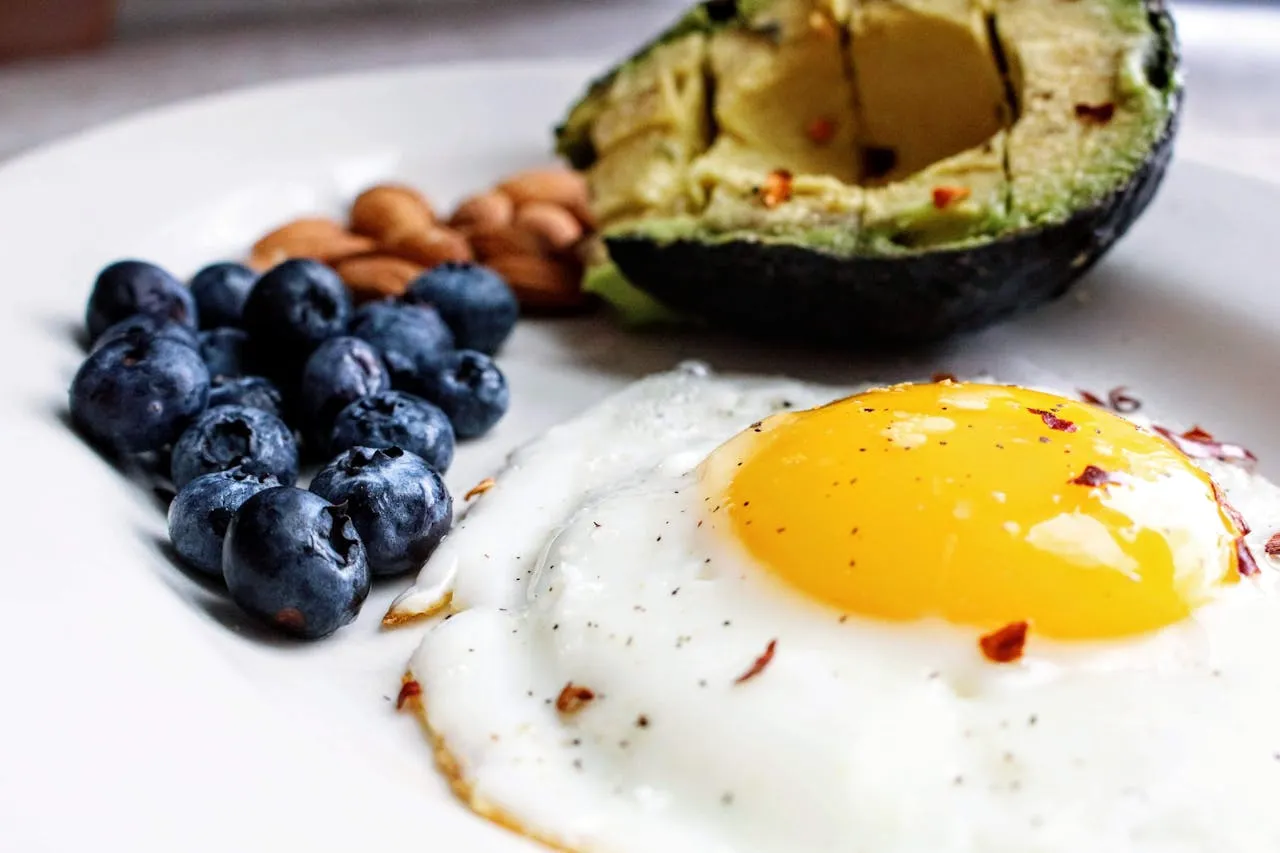
A small meal or snack before exercise can significantly enhance performance and well-being during the activity. It is important to find the right combination of carbohydrates and some protein to provide energy without feeling heavy in the stomach.
The Best Snacks Before Training
Here are some practical ideas for easily digestible pre-workout snacks that ensure proper energy levels:
Bananas with Almond Butter: Bananas provide easily digestible carbohydrates that quickly convert into energy, while almond butter offers healthy fats and a small amount of protein.
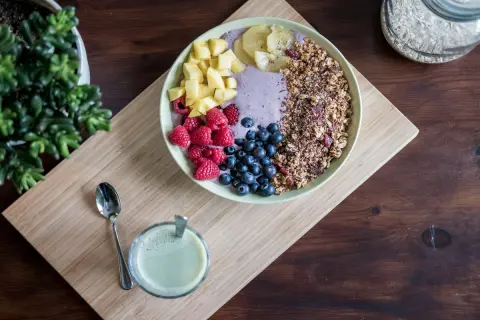
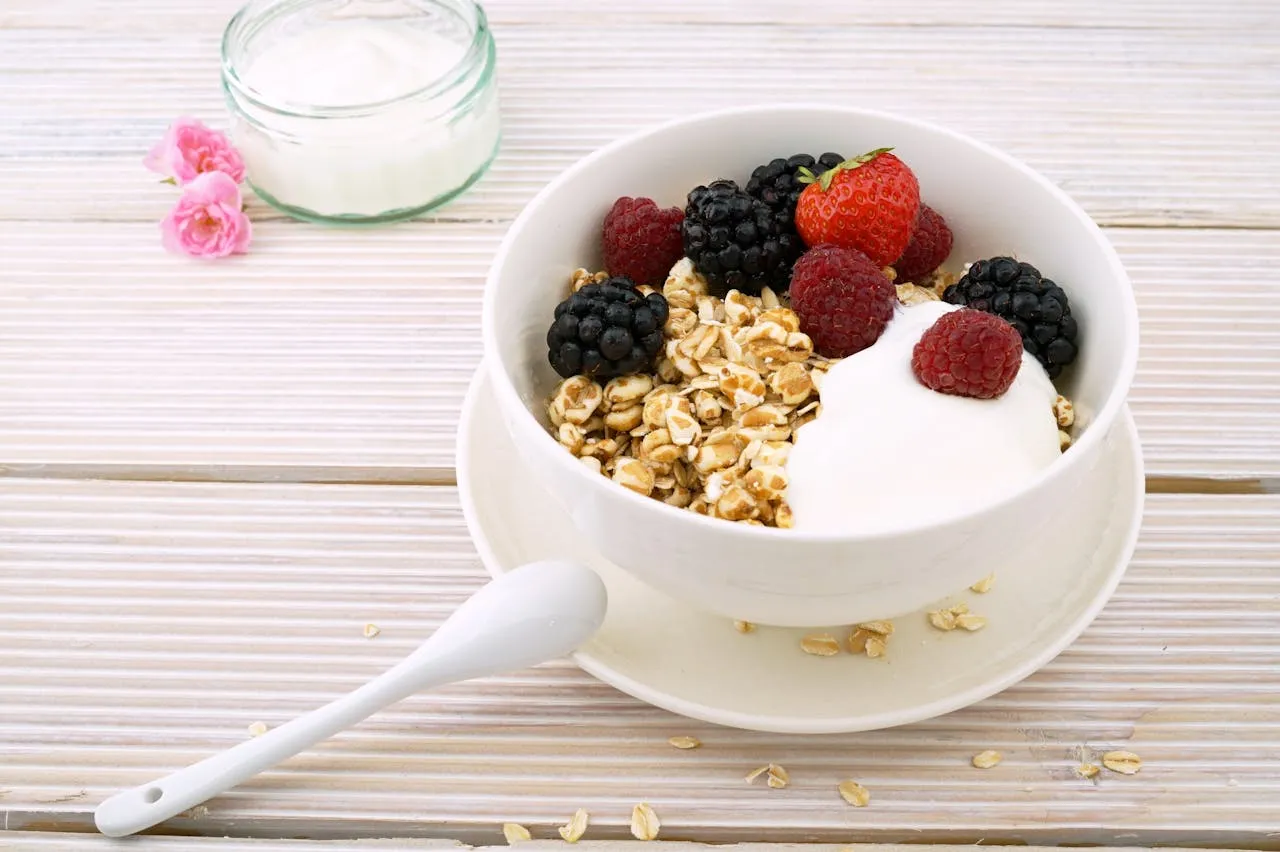
Yogurt with Berries and Oats: This snack combines complex carbohydrates with a small amount of protein, making it ideal for stable energy supply. The berries also provide antioxidants to protect against oxidative stress during intense exertion.
Whole Grain Bread with Cottage Cheese and Honey: Whole grain bread is a source of long-lasting carbohydrates, while cottage cheese is rich in protein. A small drizzle of honey delivers quick energy.
Timing and Portion Size Considerations
The timing and size of the meal matter: ideally, one should eat 1-3 hours before training. A large meal is appropriate about three hours beforehand, while smaller snacks about 30-60 minutes prior to training are sensible. Eating too close to the workout can lead to discomfort or gastrointestinal issues.
The Best Nutrition After Training
Post-exercise, the focus is on replenishing glycogen stores and supporting muscle repair. Carbohydrates and proteins play a key role here in aiding the body's recovery.
The Best Post-Workout Snacks and Meals
After training, the body requires nutrients that are easy to absorb and process quickly. The following snacks and meals are ideal to kickstart recovery:
Protein Smoothie with Berries, Banana, and Protein Powder: A smoothie is a quick and refreshing way to intake carbohydrates and proteins. Berries supply additional antioxidants, while the protein powder nourishes the muscles.
Cottage Cheese with Fruit and Nuts: Cottage cheese is high in protein, particularly casein, which is absorbed slowly and provides the muscles with amino acids over a prolonged period. Combined with fruit and nuts, it delivers the needed energy and valuable micronutrients.
Brown Rice with Salmon and Vegetables: This combination is ideal for a larger meal after an intense workout. Rice provides carbohydrates for the muscles, while salmon is rich in protein and omega-3 fatty acids, which have anti-inflammatory effects.
The Right Timing for Food Intake
After training, one often speaks of the “anabolic window” – a period of about 30-60 minutes during which the body is particularly receptive to nutrients. Therefore, it is advisable to consume a small meal or snack immediately after training to promote muscle recovery. A proper main meal can follow about 1-2 hours later.
Don’t Forget Fluid Intake
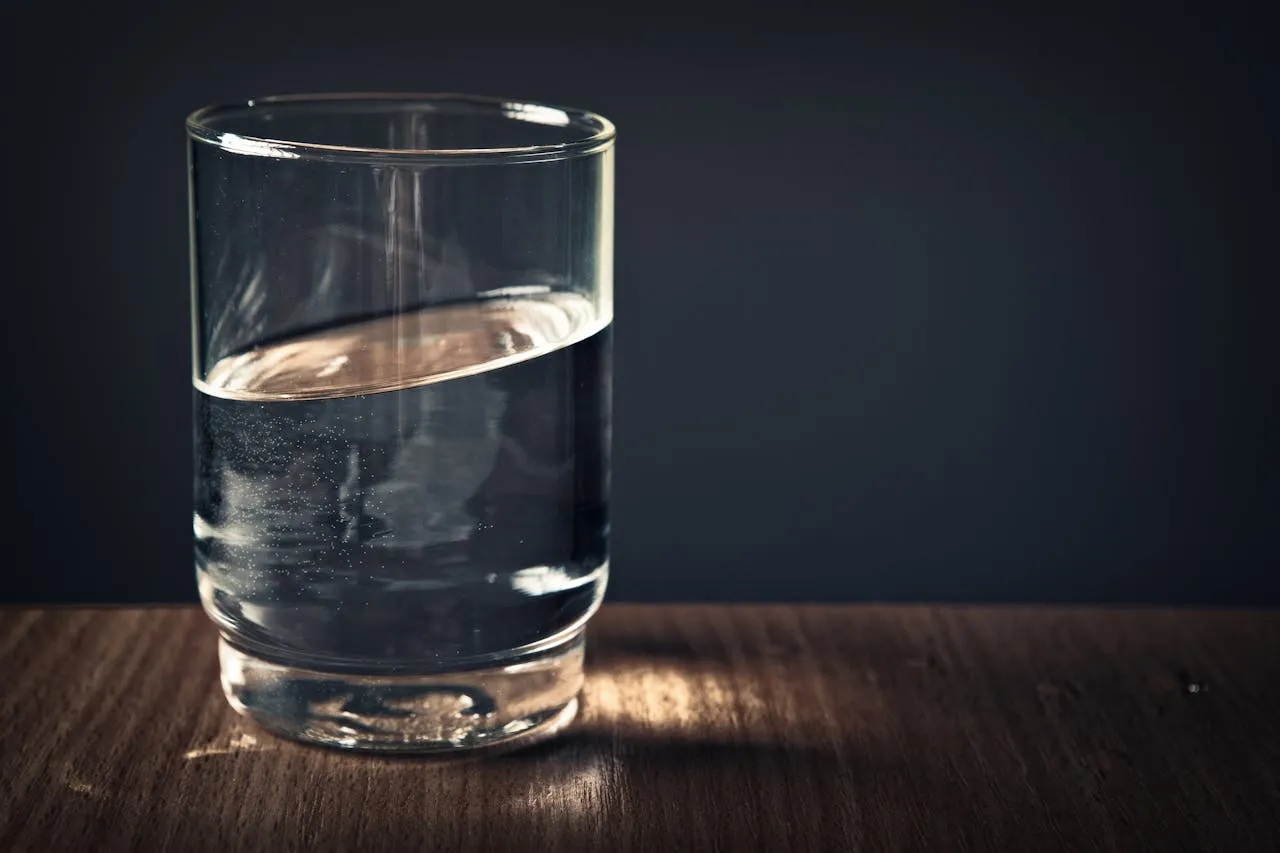
Besides nutrition, fluid intake around training is crucial. The body loses fluids and electrolytes through sweating, which need to be replaced to prevent performance decrements and fatigue.
Before Training: It is best to drink 500-600 ml of water 1-2 hours before training to ensure the body is well-hydrated.
During Training: Especially during longer or more intense sessions, it is advisable to drink small amounts of water (100-200 ml) every 15-20 minutes.
After Training: Fluid loss should be compensated after training. A guideline is to drink about 1.5 times the amount of fluid lost, which can be estimated by weighing before and after exercising.
Examples of a Nutrition Day Plan for Athletes
A well-thought-out nutrition plan can support long-term training success. Here is a sample plan for a training day:
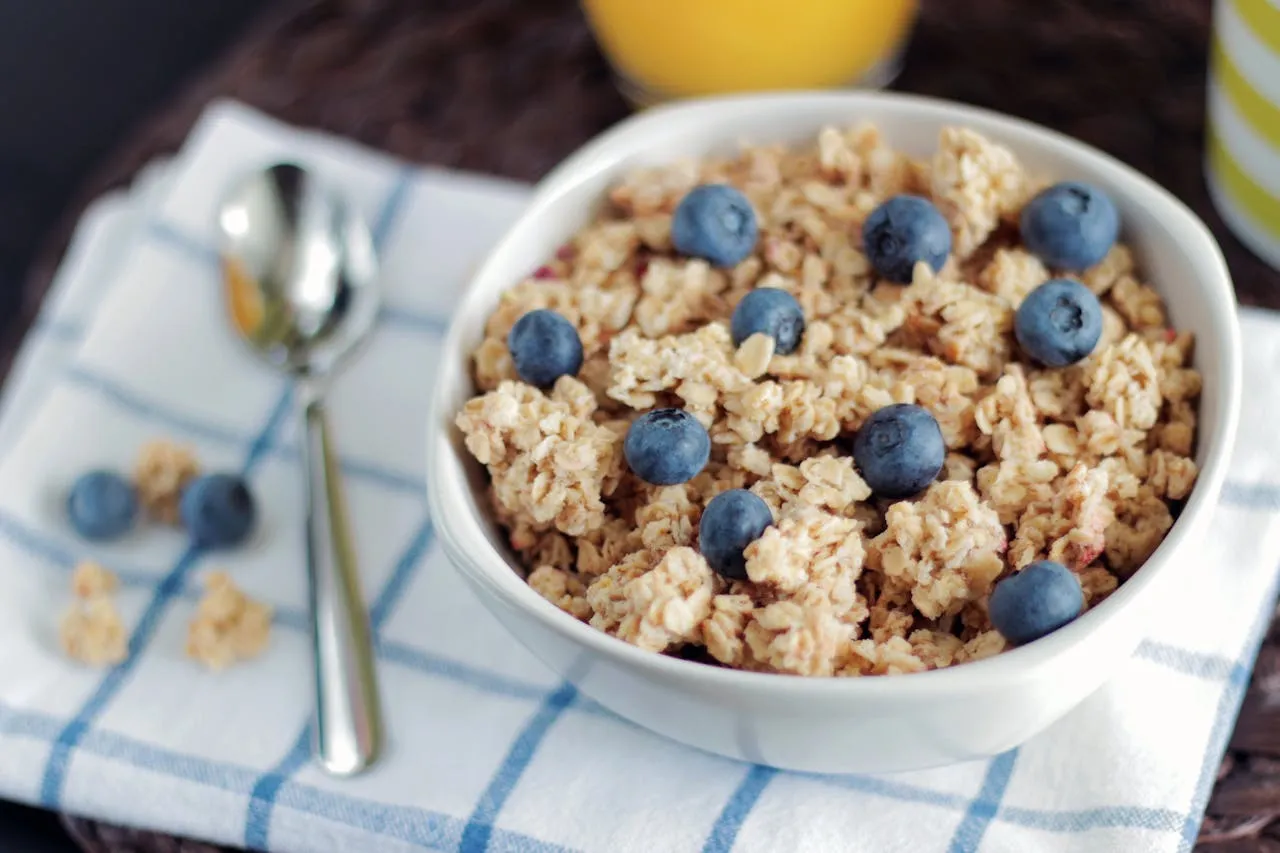
Breakfast: Oatmeal with Greek yogurt, berries, and a tablespoon of chia seeds. This meal provides complex carbohydrates, protein, and fiber for an energizing start.
Snack Before Training: A banana with a teaspoon of peanut butter. This light snack supplies the muscles with energy without burdening the stomach.
Post-Workout Snack: Protein smoothie with banana, spinach, and almond milk. A quick, nutritious shake for recovery following training.
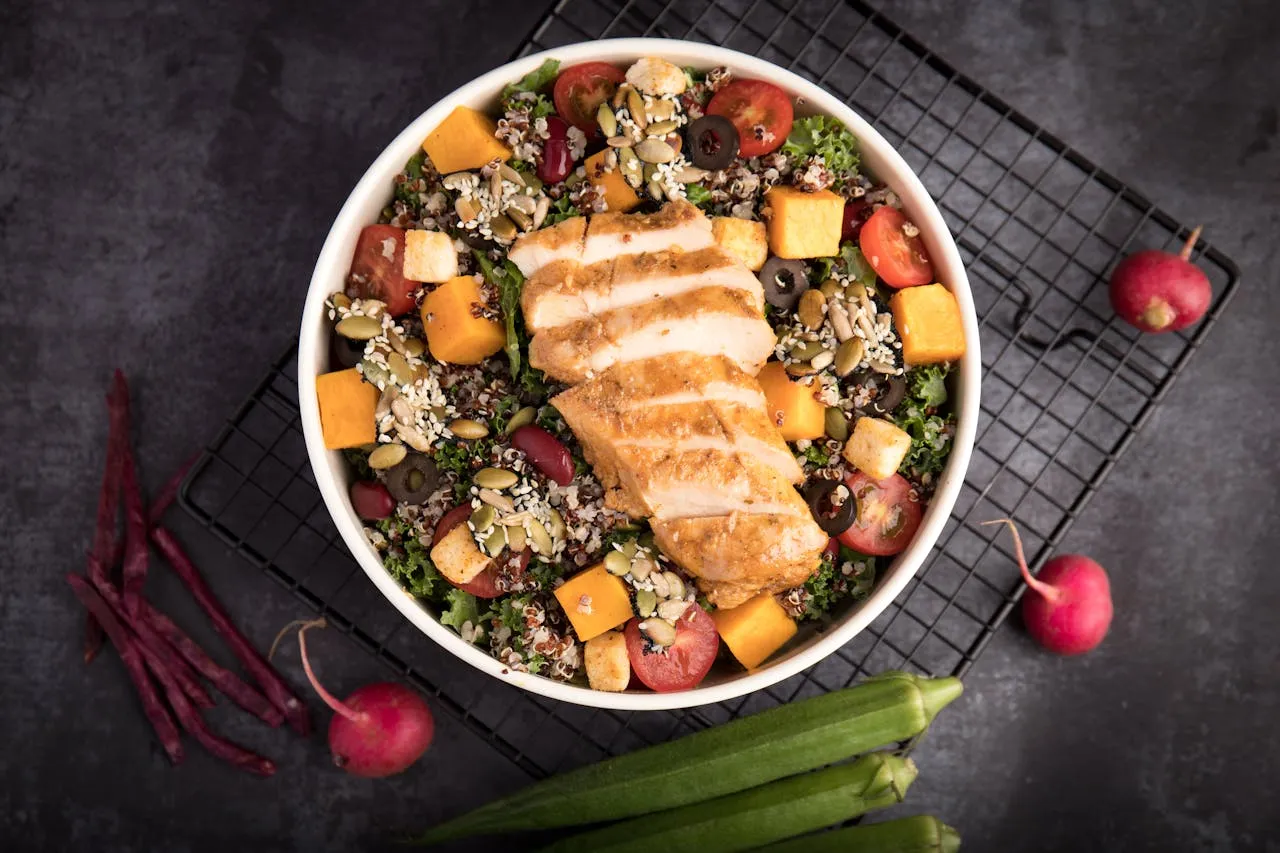
Lunch: Quinoa salad with grilled chicken, vegetables (e.g., bell pepper, cucumber, tomatoes), and an avocado. The quinoa provides complex carbohydrates, the chicken offers protein, and the avocado provides healthy fats.
Dinner: Baked sweet potato with salmon and broccoli. This meal is rich in carbohydrates, protein, and fiber, ensuring long-lasting satiety.
Additional Tips for Sports Nutrition
Try Different Foods: Every body reacts differently to certain foods and timing. It is worthwhile to experiment with various pre- and post-workout snacks to find the ideal nutrition.
Focus on Unprocessed Foods: Unprocessed foods provide more micronutrients and fiber and are generally better for health and athletic performance.
Be Mindful of Sugar and Fat Amounts: While fast carbohydrates are important post-workout, it's essential to keep an eye on the sugar and fat content of snacks and beverages.
Replenish Vitamin and Mineral Stores: Especially during intense training, supplements or specific foods like bananas (potassium) or spinach (magnesium) can be beneficial for replenishing nutrient stores.

Conclusion
The right nutrition before and after exercise is often an underestimated factor for training success. By strategically supplying carbohydrates, proteins, and adequate fluids, one can enhance performance and optimize recovery. It should be noted that every body is unique, and it is worthwhile to try various nutritional strategies to find the suitable one.