Milk is one of the most consumed staple foods worldwide. While it is regarded by many as a symbol of a healthy diet, there are also critical voices questioning its consumption. Particularly in the fitness sector, the question arises: Is milk really necessary or even harmful?
The Nutrient Powerhouse Milk
Milk contains an impressive combination of macro- and micronutrients.
- Proteins: Milk provides high-quality protein with all essential amino acids. Of particular importance is the high content of casein and whey protein, which positively influence muscle growth and recovery after training.
- Fats: Depending on the type, milk contains saturated fats, which are not harmful in moderation, as well as omega-3 fatty acids (in pasture milk).
- Carbohydrates: The natural milk sugar (lactose) provides quick energy.
- Vitamins and Minerals: Calcium, Vitamin B2, B12, and potassium are particularly noteworthy as they support bone, nerve, and muscle functions.
Milk and Muscle Growth
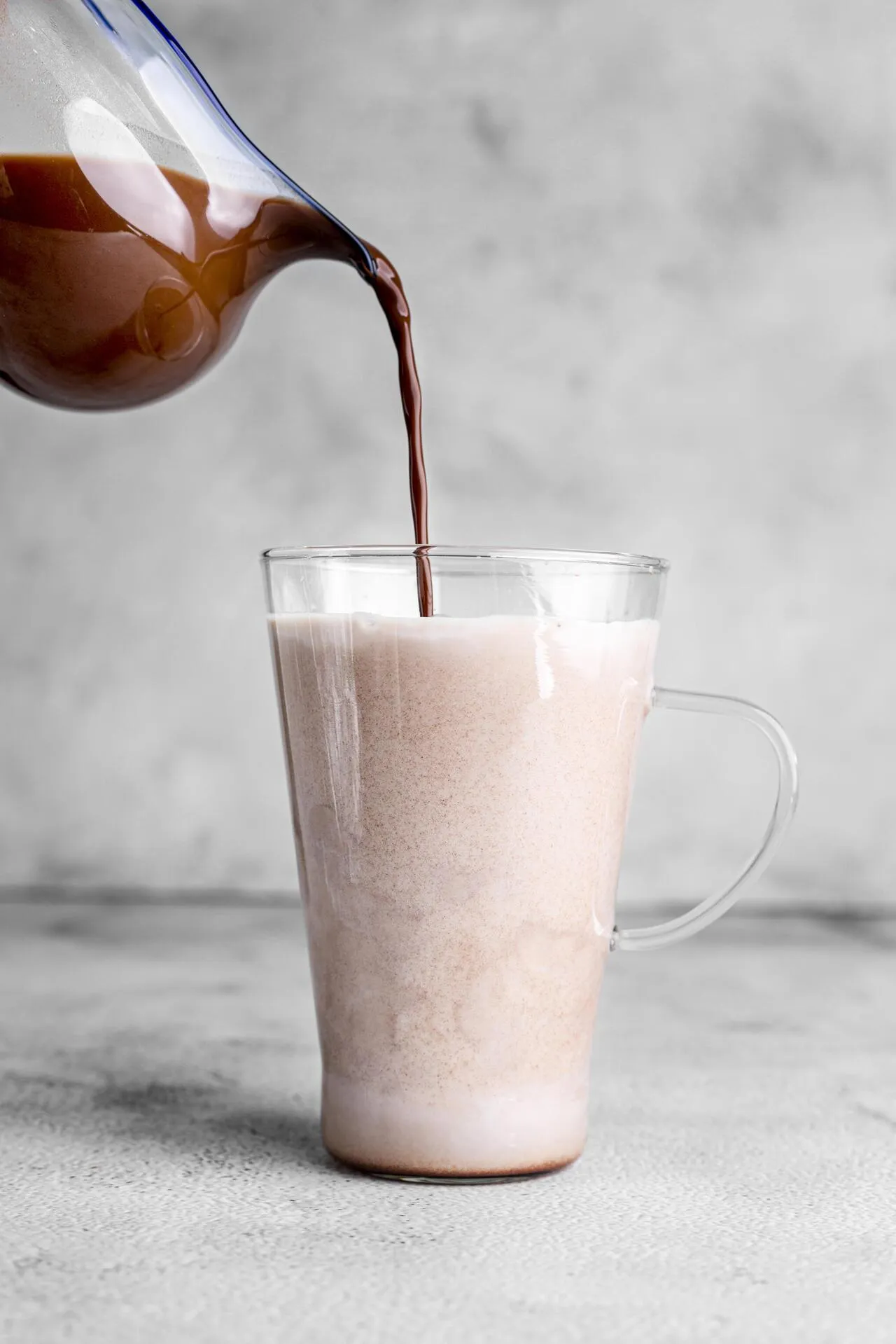
After an intense workout, the body needs protein and carbohydrates to replenish glycogen stores and repair muscles. Studies have shown that the combination of whey and casein in milk is particularly effective in promoting muscle growth. A glass of milk or cocoa after training can therefore be a good and cost-effective alternative to expensive protein shakes.
Is Milk Necessary?
No, milk is not absolutely necessary.
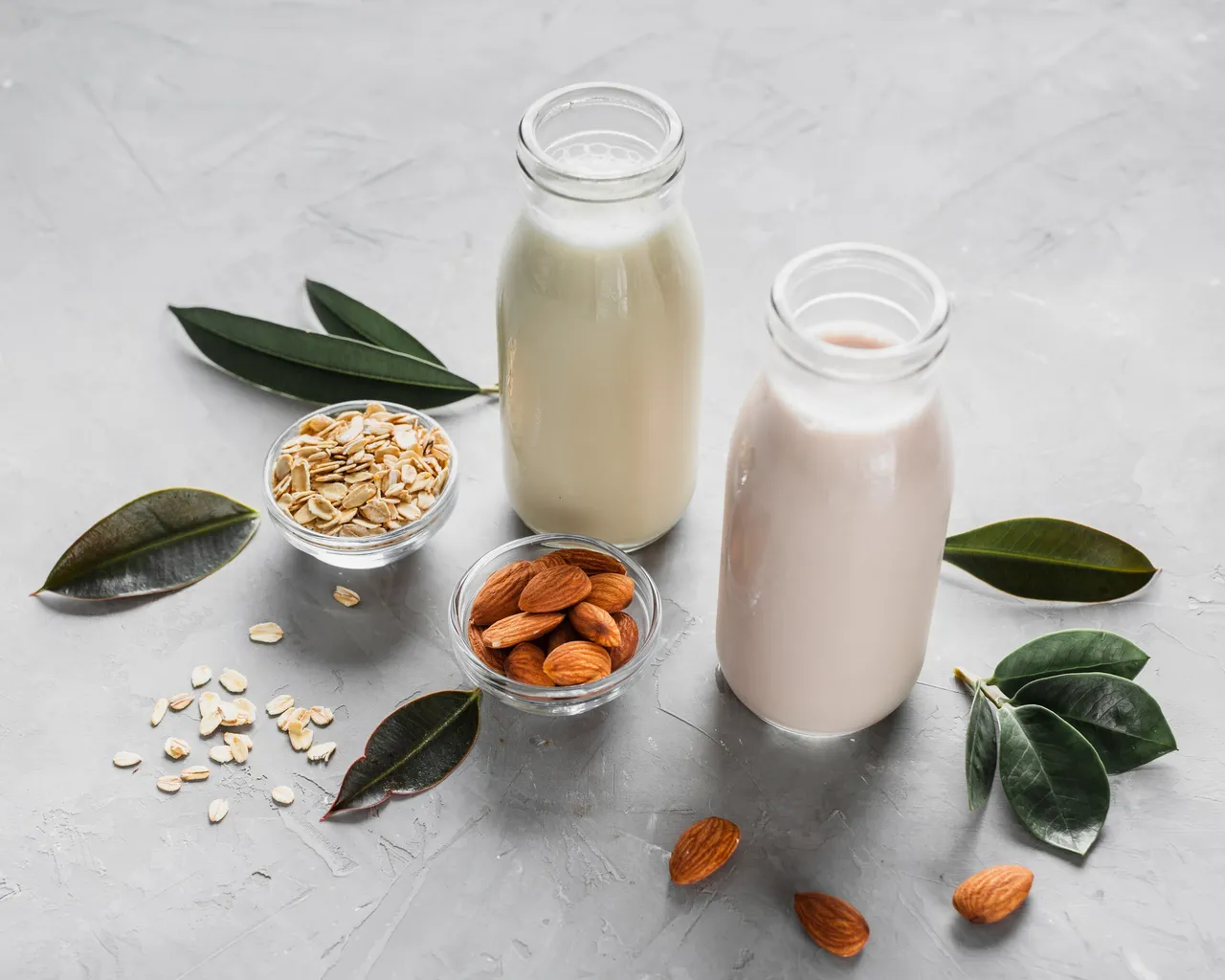
All the nutrients found in milk can also be obtained from other foods. For example, cottage cheese, yogurt, legumes, fish, or plant-based milk alternatives offer similar protein and mineral profiles. Those who are lactose intolerant can choose lactose-free milk or alternatives such as oat or soy drinks.

Critical Aspects
- Lactose Intolerance: Many people have difficulty digesting milk sugar. This can lead to bloating or stomach pain.
- Hormones and Antibiotics: Conventional milk contains slight residues of hormones, which are viewed critically by sensitive individuals.
- Inflammations? Some studies suggest that dairy products might trigger inflammatory reactions in certain individuals. Conversely, there is also research indicating the opposite.

Milk Compared to Alternatives (per 100 ml)
| Product | Calories | Protein (g) | Fat (g) | Carbohydrates (g) | Calcium (mg) |
|---|---|---|---|---|---|
| Cow's Milk (1.5%) | 47 | 3.4 | 1.5 | 4.8 | 120 |
| Soy Drink | 38 | 3.2 | 1.9 | 2.5 | 120 (enriched) |
| Oat Drink | 45 | 0.8 | 1.3 | 6.5 | 120 (enriched) |
| Almond Milk (unsweetened) | 13 | 0.4 | 1.1 | 0.3 | 120 (enriched) |
Conclusion
Milk can be a valuable food for athletes, especially due to its high-quality protein and mineral content. However, it is not a necessity. Those who tolerate and enjoy milk can easily incorporate it into their diet. Those who wish to avoid it will find many equivalent alternatives. Ultimately, what matters is the overall diet and not a single product.