You train regularly. You pay attention to your diet. You are in a caloric deficit.
And yet: The scale barely moves. Or worse – it shows more weight.
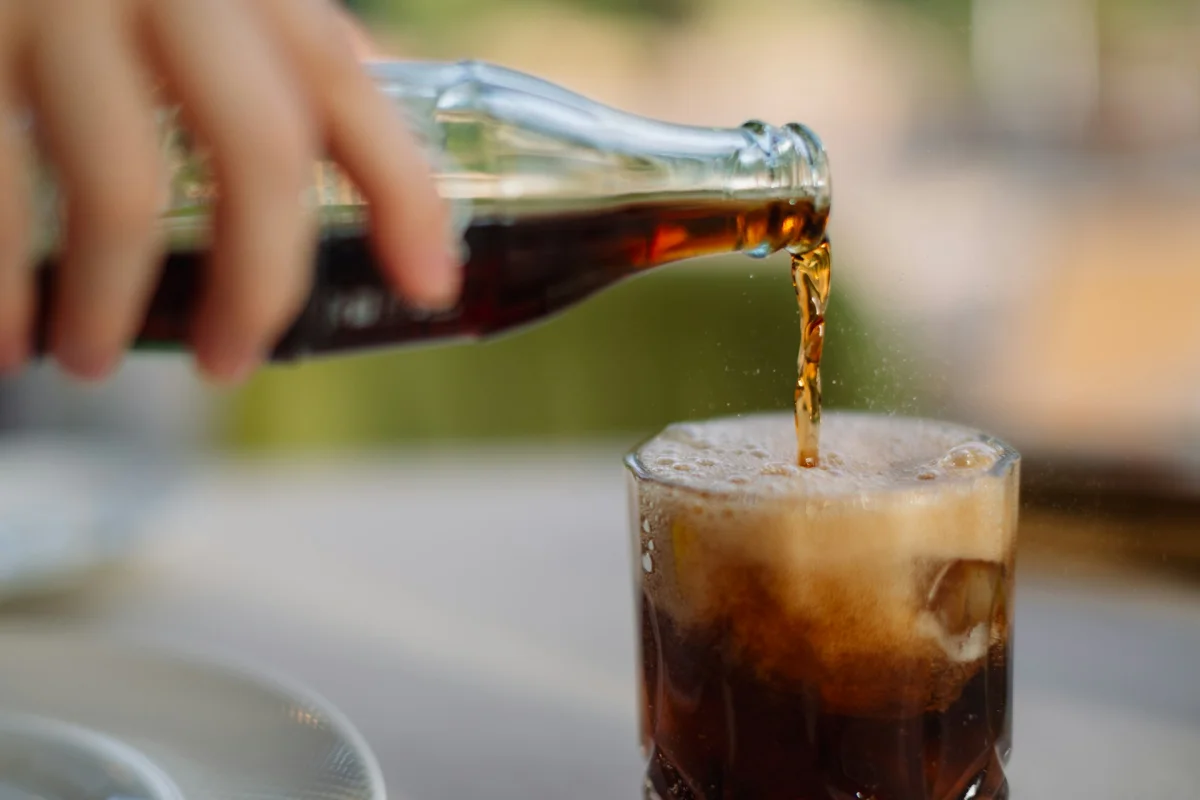
An often overlooked culprit isn't on the plate, but in the glass.
Liquid calories.
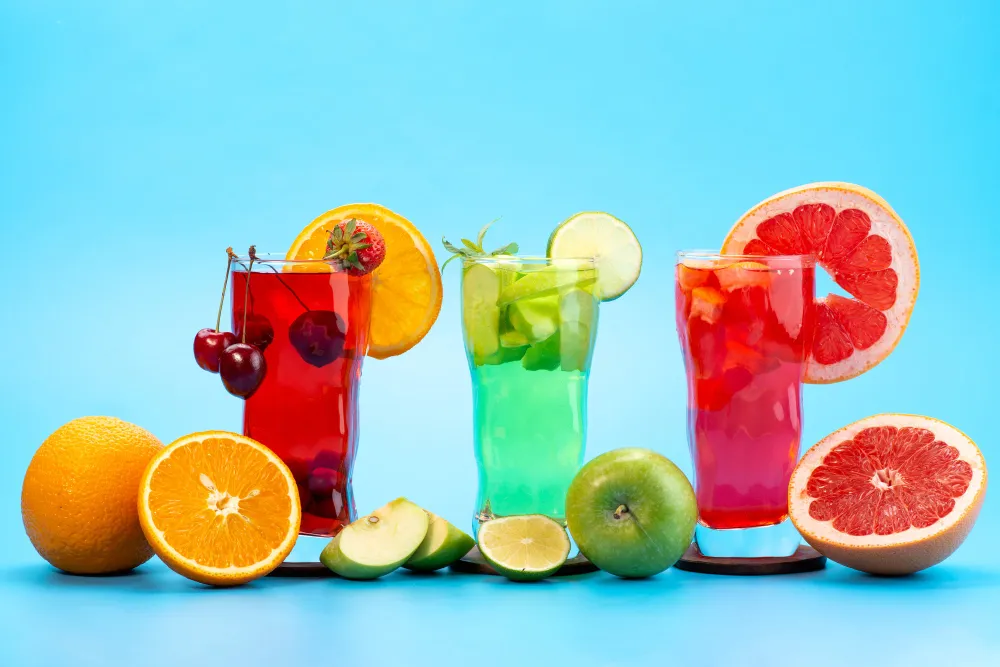
Particularly fruit juices are still considered "healthy" – yet they can quietly ruin your deficit.
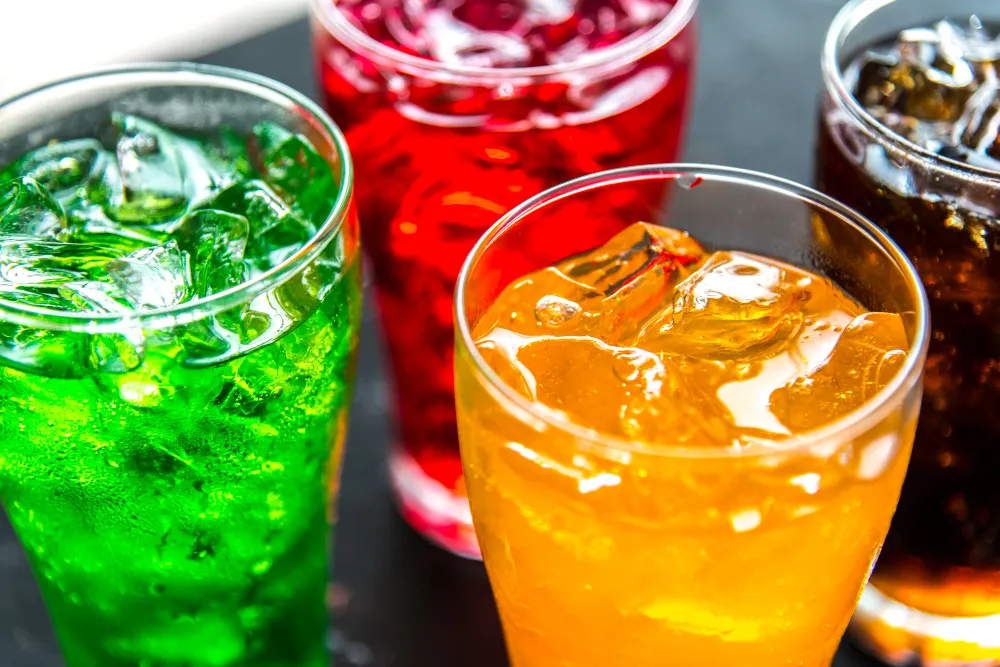
Liquid Calories – The Invisible Problem
Calories from drinks seem harmless.
No chewing. No feeling of fullness. No warning signal.
This is exactly where the problem lies:
The body doesn't perceive liquid calories like solid food. Studies show that drinks contribute little to satiety and are not automatically compensated for by eating less.
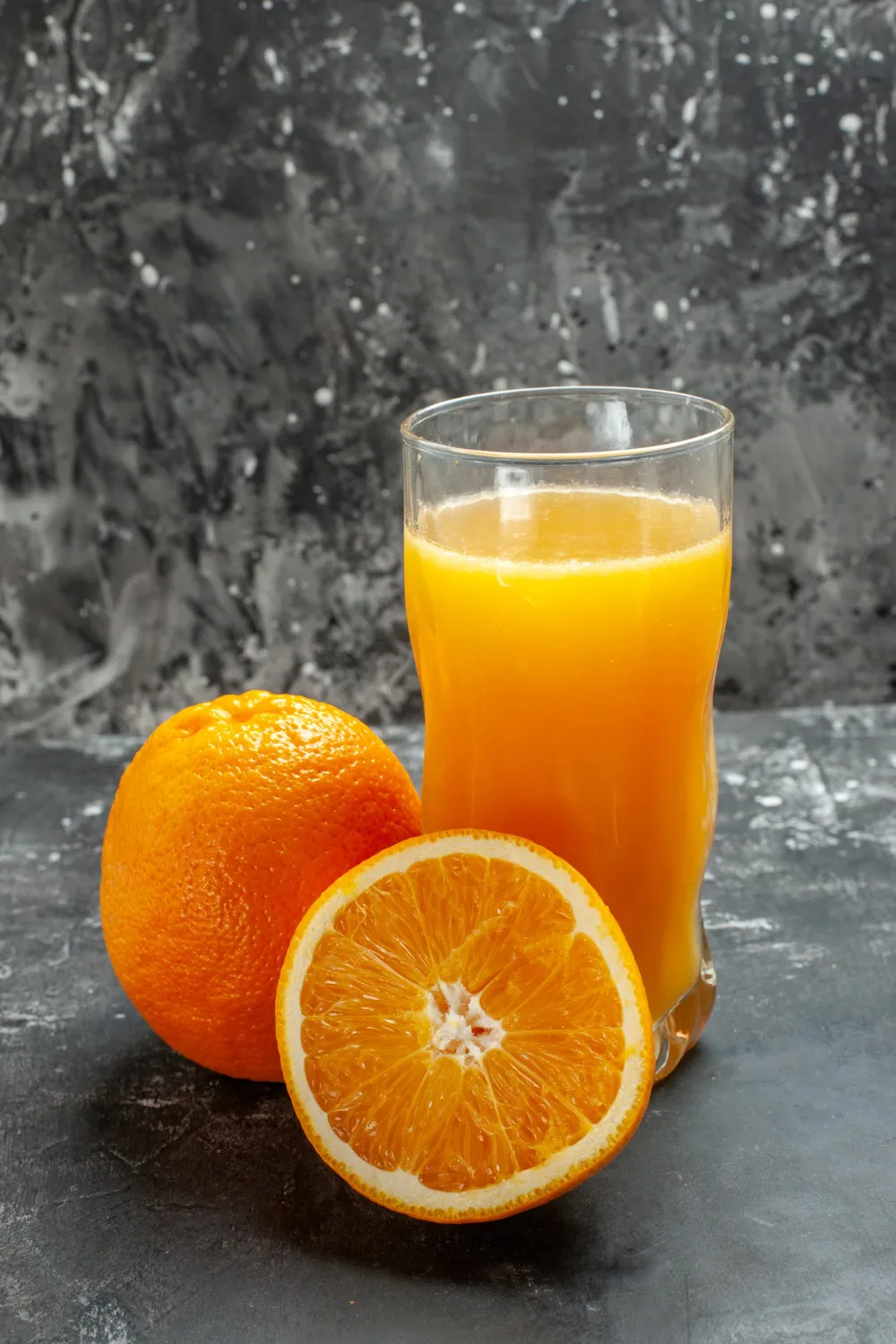
A glass of orange juice at 250 ml provides about 110–120 kcal.
Three glasses? That's already over 350 kcal – almost a complete meal.
Yet your hunger remains unchanged.
Juice Is Not Fruit
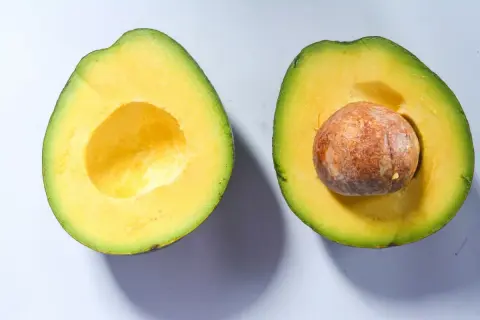
An apple needs to be chewed.
It contains fiber.
It stays longer in the stomach.
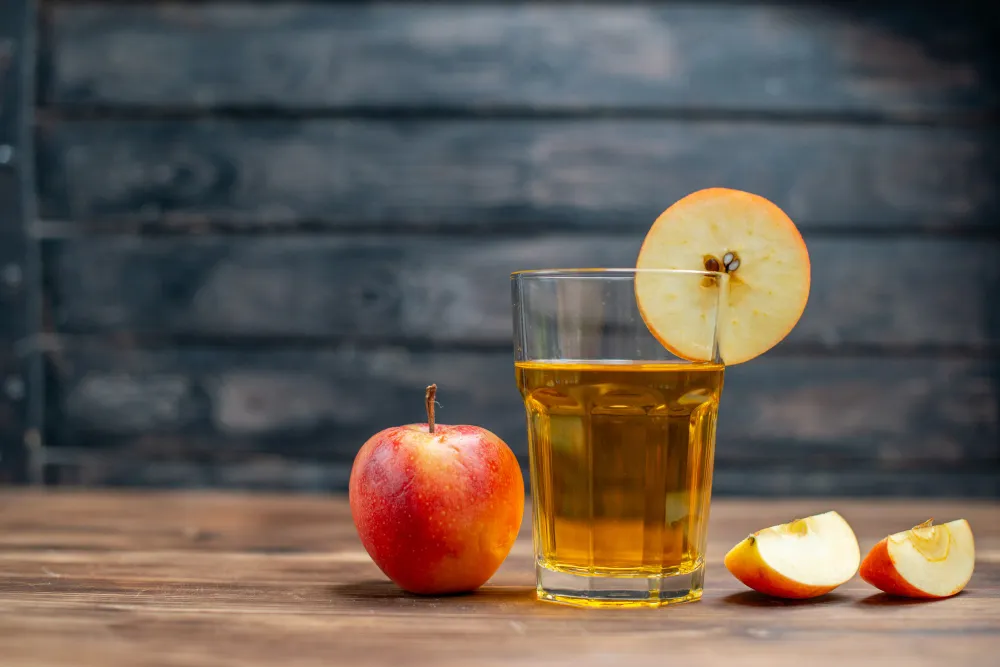
A glass of apple juice?
Sugar water with vitamins.
Juicing loses almost all fiber. What remains is fructose, glucose, and a minimal micronutrient bonus. The sugar enters the bloodstream very quickly – insulin levels rise, fat burning is temporarily slowed.
The result:
Caloric intake – satiety feeling equals zero.
Fructose: Harmless or Secret Fat Builder?
Fructose is primarily metabolized in the liver.
In moderate amounts from whole fruits, this is unproblematic.
In concentrated, liquid form, the situation is different.
Large amounts of fructose can:
- promote fat storage in the liver
- reduce insulin sensitivity
- indirectly increase appetite
Especially in a caloric deficit, this is devastating. Your body should mobilize fat – not manage sugar surpluses.
Why Juices Are Particularly Treacherous in a Deficit
In a caloric deficit, every calorie counts.
Liquid calories are the worst investment of all.
They provide:
- hardly any satiety
- no mechanical digestive effort
- no long-lasting energy
What they provide are easy-to-consume calories that you don't plan for.
A glass here, a glass there – and suddenly your deficit is gone, without having "properly eaten".
The Fitness Myth: "Juice Is Good After Training"
Yes, carbohydrates after training can be meaningful.
No, fruit juice is not ideal for that – especially not when losing weight.
After training, the body needs:
- Protein
- Structured carbohydrates
- Micronutrients
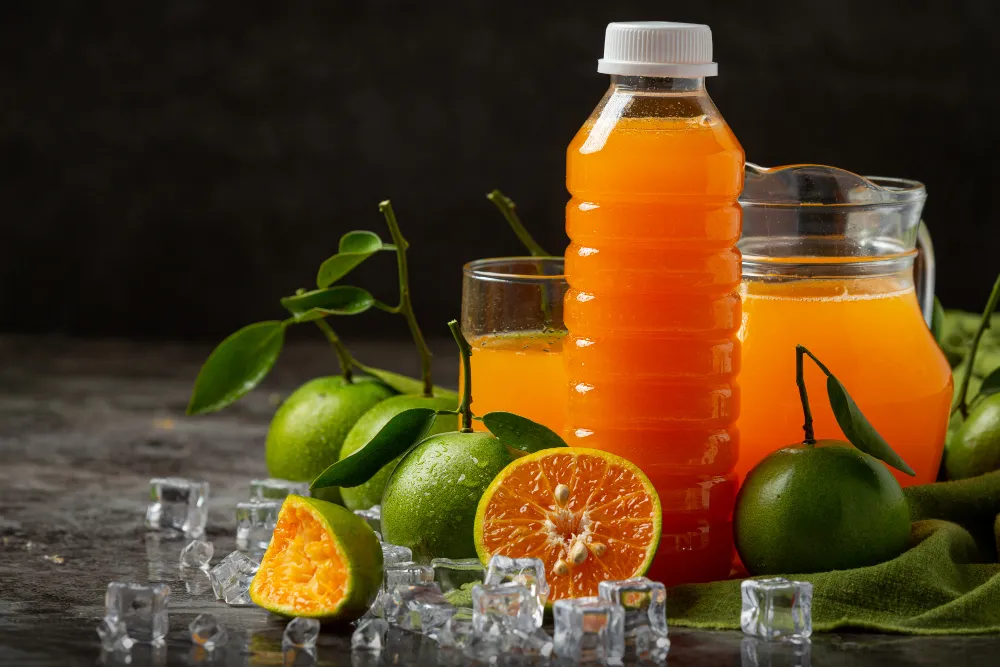
Juice mainly provides sugar.
No proteins.
No fiber.
No satiety.
For bulking phases, this might work.
For fat loss, it's mostly counterproductive.
Smoothies – Healthier, But Still Liquid
"But smoothies are better, right?"
Yes and no.
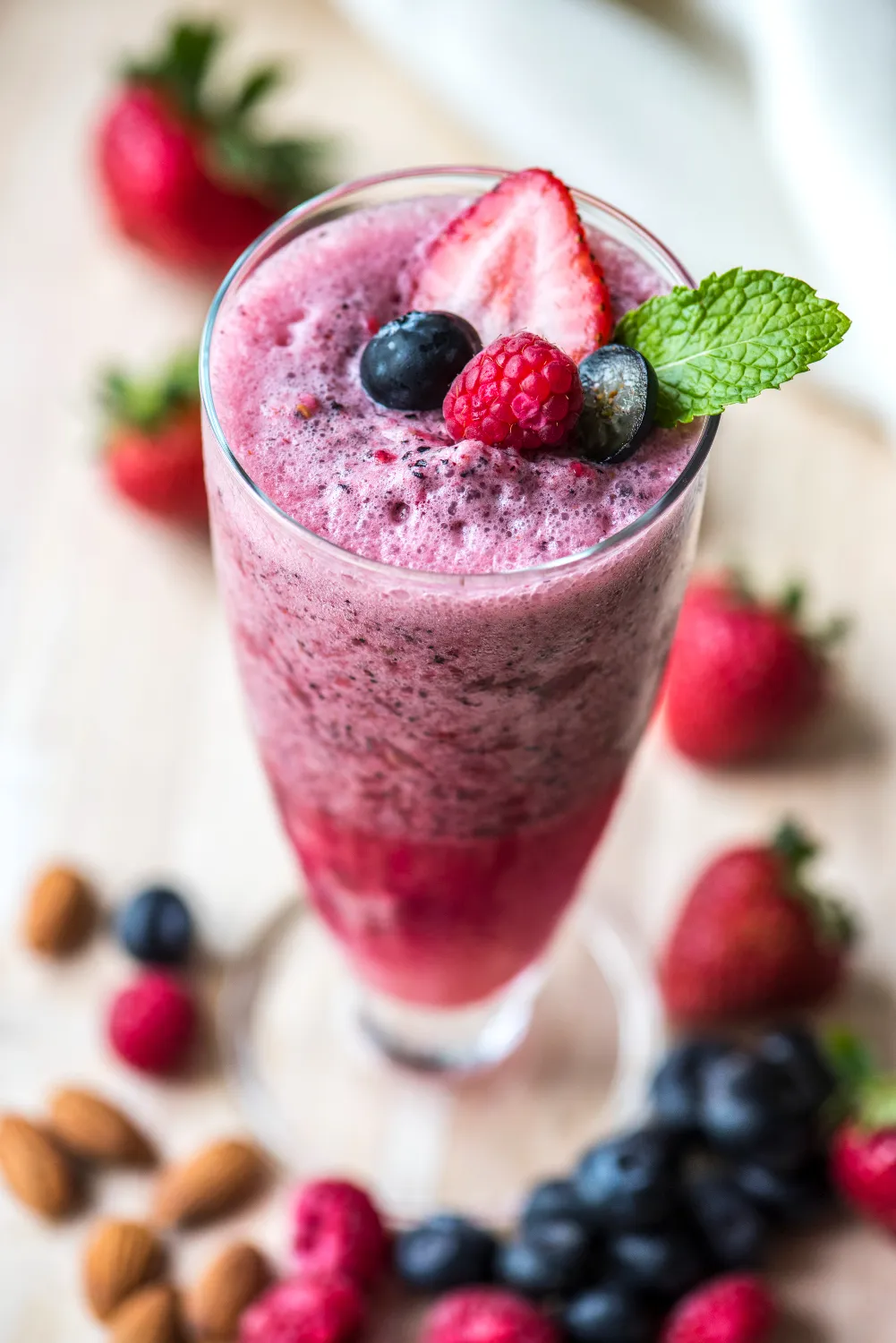
Although smoothies often contain whole fruits, however:
- The chopping reduces satiety
- Calories can be extremely easily overconsumed
- The drinking speed is higher than the eating speed
A smoothie of banana, berries, oats, and nut butter can quickly provide 500+ kcal – without a real feeling of fullness.
Here too, the rule applies:
Well planned = okay
Uncontrolled = Deficit killer
What You Should Drink Instead
The best choice in a caloric deficit is simple:
- Water
- Mineral water
- Unsweetened tea
- Black coffee
If flavor is desired:
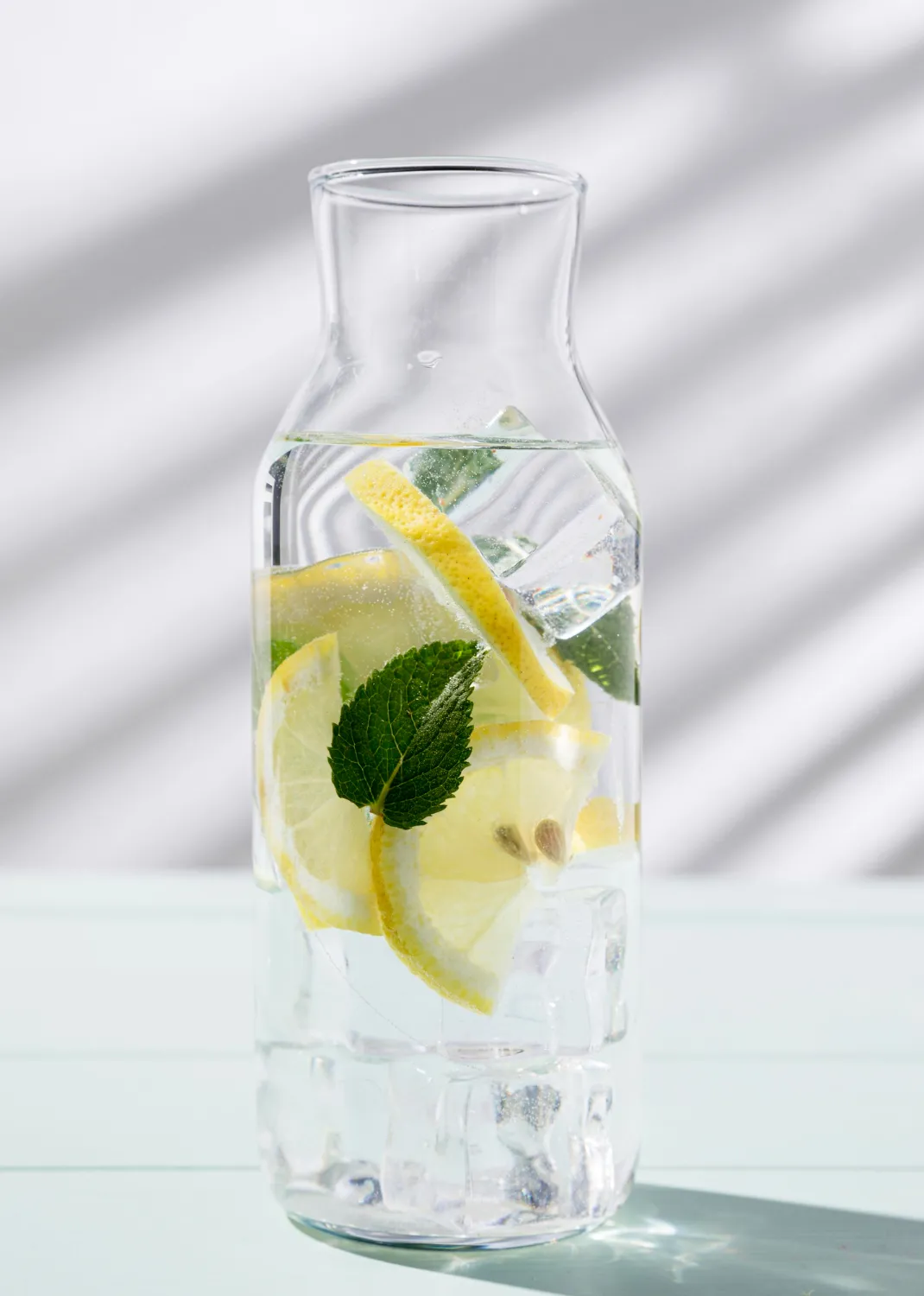
- Water with lemon slice
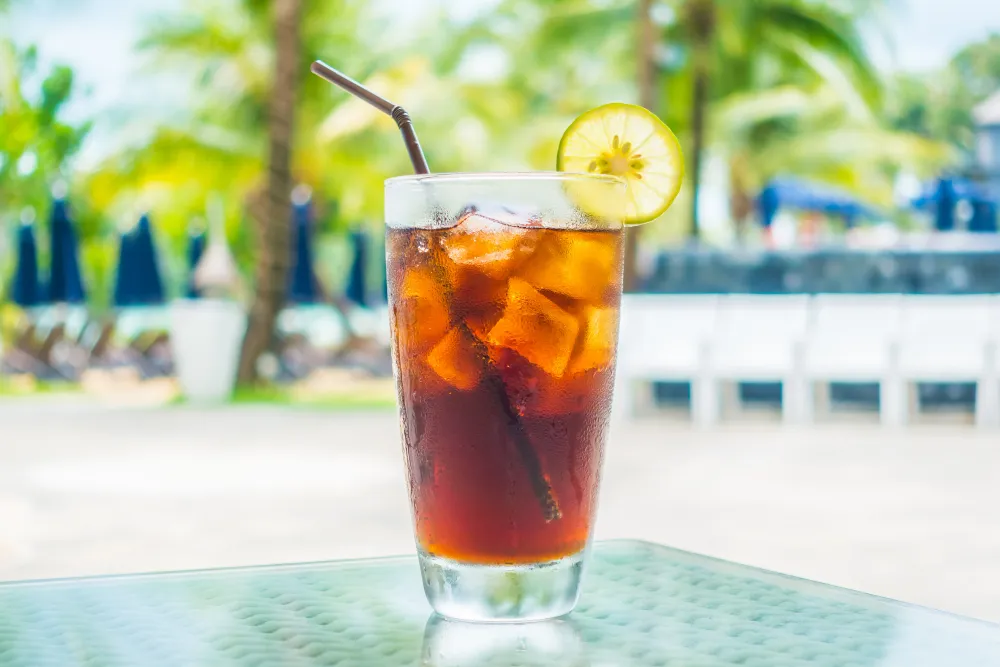
- Zero drinks (in moderation)
- Heavily diluted juice spritzers (1:5 or more)
And if you really crave fruit:
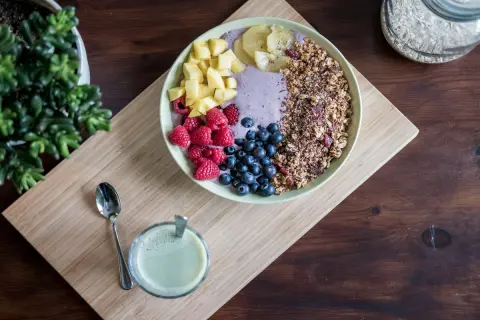
Eat it. Don't drink it.
Liquid Calories and Weight Stalls
Many diet plateaus are not related to metabolism or a "starvation mode".
They are linked to beverages.
Calories you don't chew, you don't take seriously.
Calories you don't feel, you don't count.
And that's why juices sabotage your deficit so effectively.
Conclusion
Liquid calories are one of the biggest, yet most underestimated mistakes in a caloric deficit. Fruit juices seem healthy but provide quickly available energy without satiety and without real benefit for fat loss. Those who want to lose weight should eat calories – not drink them. Whole fruit is always preferable to juice. Your deficit will thank you.