The Power of Collagen: What You Need to Know
Collagen is a vital protein in the body, comprising about 30% of total protein. It plays a crucial role in the structure of skin, bones, muscles, and connective tissue.…
Read articleSupplement
Hardly any dietary supplement is as well-researched in sports science as creatine. At the same time, there are few supplements about which so many myths and exaggerated promises circulate on the internet.
On social media, creatine is sometimes portrayed as indispensable for anyone who engages in sports. Others consider it a supplement that is primarily of interest to bodybuilders.
Both views are overly simplistic.
Current research shows that creatine can be of interest especially in strength training, short intense exertions, and in building or maintaining muscle mass. However, the actual benefit depends on who takes creatine, what type of training is performed, and what goals are pursued.
It's particularly interesting that research is now more focused on groups that were less considered in older studies, such as women and older adults.

Creatine is a naturally occurring substance in the body primarily stored in muscle. The body can produce creatine itself, and it is also consumed through certain foods like meat and fish.
In muscles, a significant portion of creatine is stored as creatine phosphate.
This system plays an important role in rapid energy supply.
During a short, intense exertion, the body quickly requires ATP. ATP is the immediate energy source for muscle contractions. However, the existing ATP stores are very small.
Creatine phosphate helps quickly replenish ATP.
This is particularly important during exertions that require a lot of power in a short period of time.
This includes:
This is one of the main reasons why creatine is so interesting in sports.
Here, one should distinguish between advertising and scientific results.
Creatine does not directly build muscles.
The primary effect is that creatine can support performance during certain intense exertions. This may enable more training work over the long term.
And it is precisely this additional training quality that can lead to better adaptations when combined with regular strength training.
A large meta-analysis from 2025 examined 61 controlled studies with a total of 1,457 participants. In combination with strength training, creatine increased lean body mass by about 1.39 kg on average compared to placebo. Simultaneously, body weight increased by about 0.89 kg on average. There were no significant changes in fat mass and body fat percentage.
Interestingly, both beginners and experienced strength athletes could benefit from creatine.
However, this does not mean that every person will automatically build 1.39 kg of new muscle mass.
The results from meta-analyses are average values. Individual reactions can differ significantly.

Scientific studies also show a positive effect on strength performance.
A meta-analysis for adults under 50 examined creatine combined with strength training and found additional improvements in both upper and lower body strength. The average additional improvement was about 4.43 kg for upper body strength and 11.35 kg for lower body strength, though these values do not mean that every single exercise will become stronger by exactly this amount.
The crucial point is therefore not:
“Creatine makes me instantly much stronger.”
Instead, it's about a possible slight advantage during repeated intense exertions.
If someone trains regularly over months and can handle slightly more training volume or power due to creatine, these small differences can add up in the long term.
Scroll sideways if needed to see all columns.
| Area | Current Research Status | Significance |
|---|---|---|
| Strength Training | Additional improvements in strength possible | Well documented |
| Muscle Mass | More lean mass with strength training | Well documented |
| High-Intensity Exertions | Can support performance | Well documented |
| Body Weight | May slightly increase, partly due to water in muscles | Well documented |
| Fat Loss | Not a classic fat burner | Not the main benefit |
| Women | Interesting but still limited data | Further investigation needed |
| Older Adults | Possible benefits for strength and lean mass | Increasingly well documented |
| Brain/Cognition | Potentially interesting but not yet conclusive | Still open |
| Kidneys | Current data for healthy individuals overall reassuring | Predominantly positive |
One of the most common questions is:
“Does Creatine make you fat?”
The answer is not simply yes or no.
Creatine can cause body weight to increase. Especially at the beginning, more water may be stored within muscles.
This is different from an increase in body fat.
In the long term, the combination of creatine and strength training can lead to more lean mass being built.
The large meta-analysis in 2025, for instance, found an average increase in lean mass of 1.39 kg without a significant increase in fat mass.
Anyone who weighs slightly more on the scale after starting creatine should not automatically assume they have gained fat.

A classic creatine loading phase often consists of around 20 g per day, divided into multiple portions, over about five to seven days.
This is usually followed by a lower daily maintenance dose.
The advantage of a loading phase is mainly that creatine stores are replenished more quickly.
However, it is not necessary.
Regular intake of about 3–5 g of creatine per day can also lead to increased stores. It just takes longer.
For many, the simpler variant is more practical:
A constant daily amount instead of a complicated loading phase.
For long-term use, regularity is more important than a specific intake window.
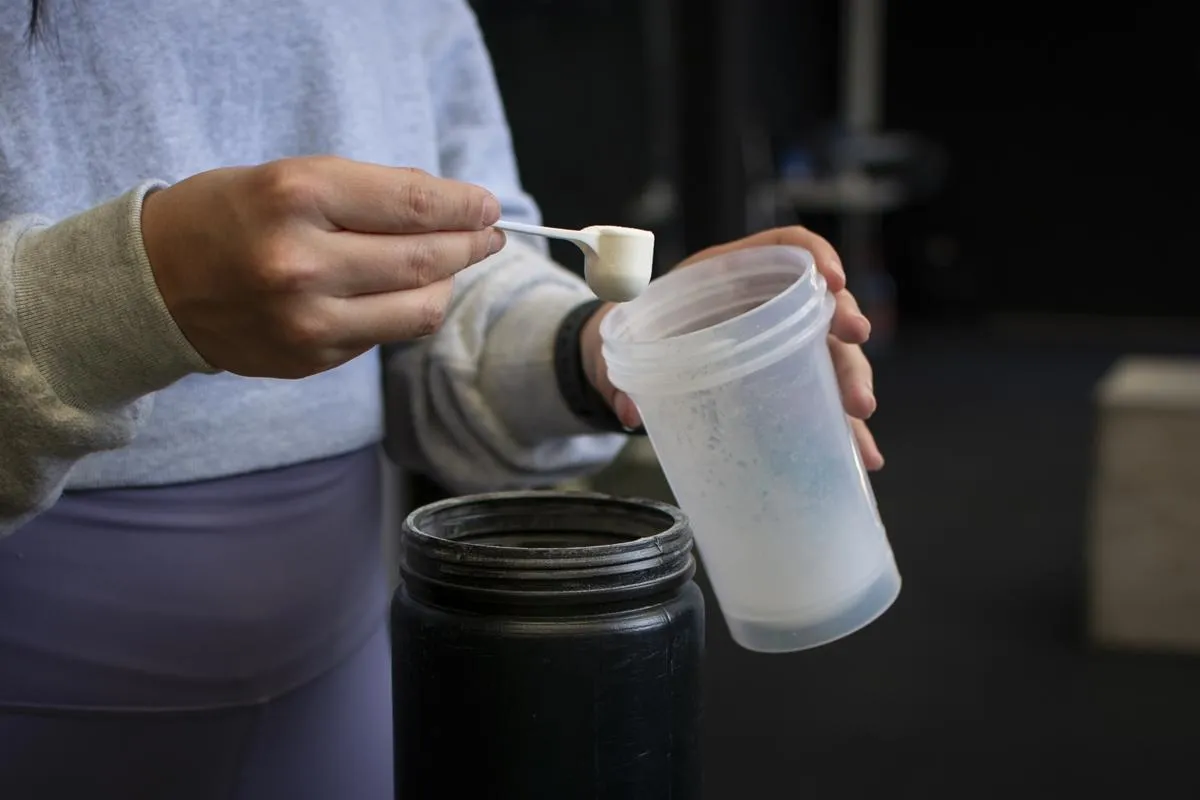
Before training?
After training?
Morning?
Evening?
Many timing myths surround creatine.
For long-term effect, the exact time of intake is likely much less critical than regular intake.
Creatine does not function like a classic pre-workout booster, taken just before training with an immediate strong effect felt.
The effect mainly relies on creatine stores in the muscles being increased over time.
Therefore, creatine can be taken at the time that best fits one's routine.
Creatine research was long dominated by male participants.
This is gradually changing.
Results in women are so far less clear-cut than in men. However, this does not mean that creatine doesn’t work for women.
Rather, there are fewer high-quality studies and often very different training and participant groups.
Research on women post-menopause is particularly interesting.
With age, maintaining muscle mass and strength becomes more important. A recent meta-analysis from 2026 examined creatine use in postmenopausal women and suggests that creatine, especially combined with strength training, may offer benefits in lean mass and certain strength parameters.
Results on bone density, however, were inconclusive.
Creatine is therefore increasingly being studied in connection with healthy aging in women.

Muscle mass and strength often decrease with age.
This process can long-term affect physical performance and independence.
Strength training is one of the most important strategies to preserve muscle strength and mass in older age.
Creatine might provide additional support.
A meta-analysis published at the end of 2025 investigated eight randomized studies with a total of 482 older participants. Creatine combined with strength training led to improvements in lower limb strength and lean tissue mass compared to strength training alone.
This makes creatine particularly interesting for older adults.
However, a point remains crucial:
Creatine does not replace strength training.
The most sensible approach is the combination of:
Strength training + adequate nutrition + sufficient protein + creatine
and not creatine instead of training.

A new area of creatine research has become especially popular in recent years: the brain.
This is because, like the rest of the body, the brain requires large amounts of energy. Creatine is also involved in the brain’s energy metabolism.
Some scientific studies have suggested that creatine could support certain cognitive functions.
This sounds intriguing – but exactly here, one should be especially cautious with statements from social media.
The research is still not conclusive enough to say:
“Creatine makes you smarter.”
More scientifically sound is:
Creatine might under certain conditions support specific cognitive functions, but the research is currently insufficient to generally recommend it as a means of enhancing mental performance.
Thus, the topic remains very interesting for the coming years.

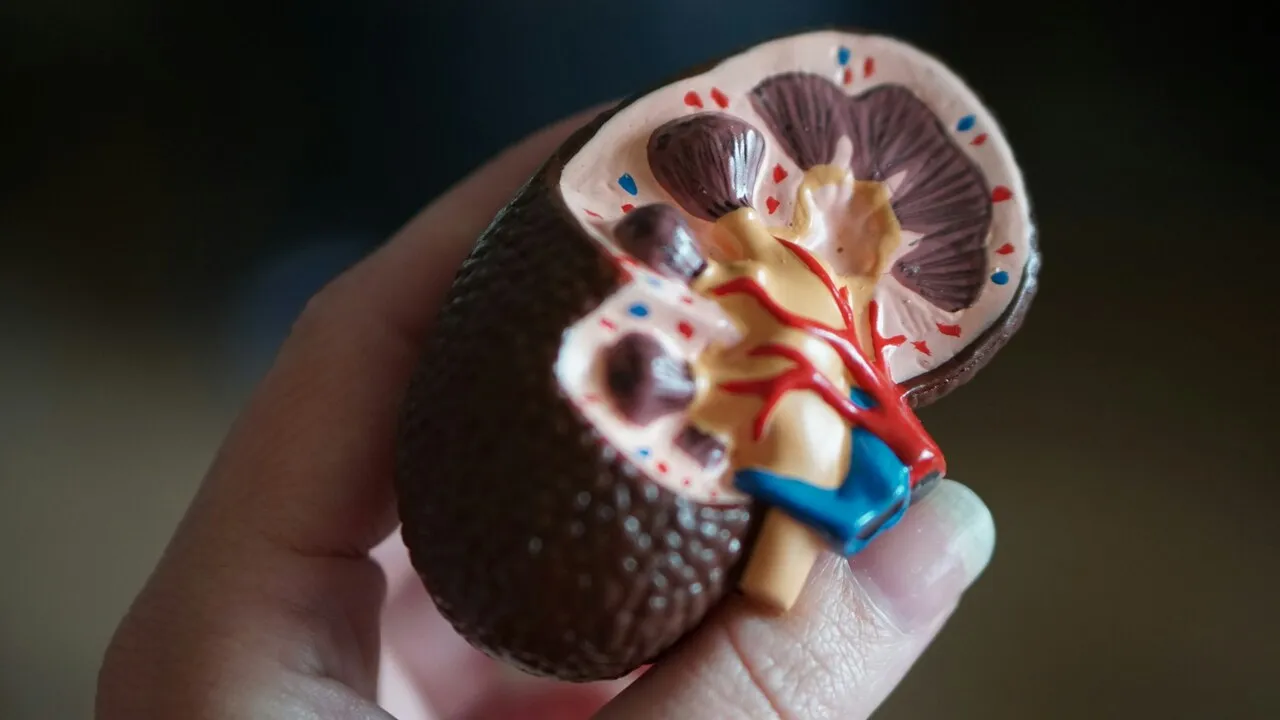
Few topics spark as many discussions about creatine as kidney health.
Part of the confusion arises because creatine can affect the creatinine level in the blood.
Creatinine is often used to assess kidney function. A higher creatinine level does not automatically mean that the kidneys have been damaged.
The current scientific data for healthy adults is overall reassuring.
However, it's important to distinguish between a changed lab value and an actual deterioration in kidney function.
For individuals with an existing kidney condition or other health issues, creatine use should be discussed with a doctor.
Although the existing data is positive, very long-term data is not equally extensive for all demographic groups.
If one engages with creatine in 2026, several products are found:
Creatine monohydrate, creatine HCL, buffered creatine, creatine blends, and many other variants.
The main question is:
Does the most expensive form have to be the best?
No.
Creatine monohydrate is by far the best-researched form and thus remains the most sensible choice for most people.
Many specialized creatine variants are marketed with claims of better absorption or stronger effects. However, they do not have the same extensive scientific database as creatine monohydrate.
A simple product with creatine monohydrate is sufficient for most users.
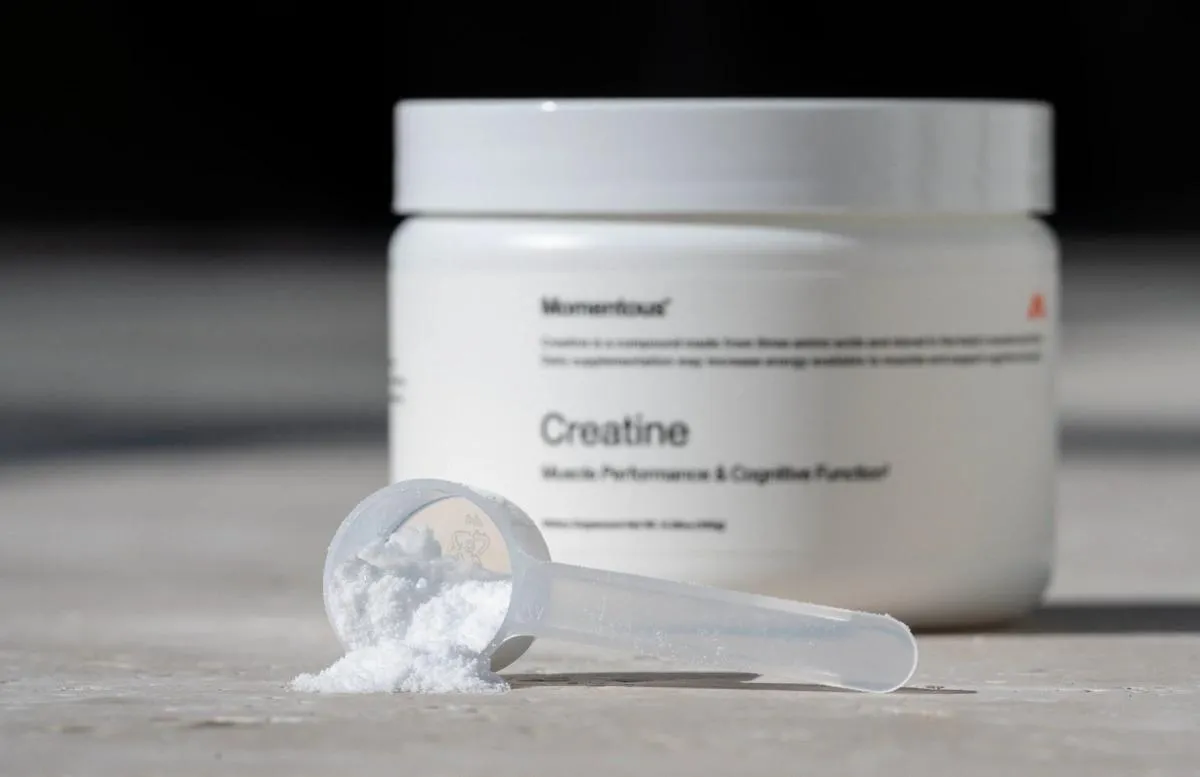
For long-term intake, about 3–5 g per day is often used.
A loading phase is optional.
It's also important not to believe that a higher dose automatically leads to better results.
More is not always better.
For most healthy adults, a simple daily intake is more sensible than complicated dosing strategies.
Individuals with existing health conditions, on medications, or uncertain about their health should consult medical professionals before use.
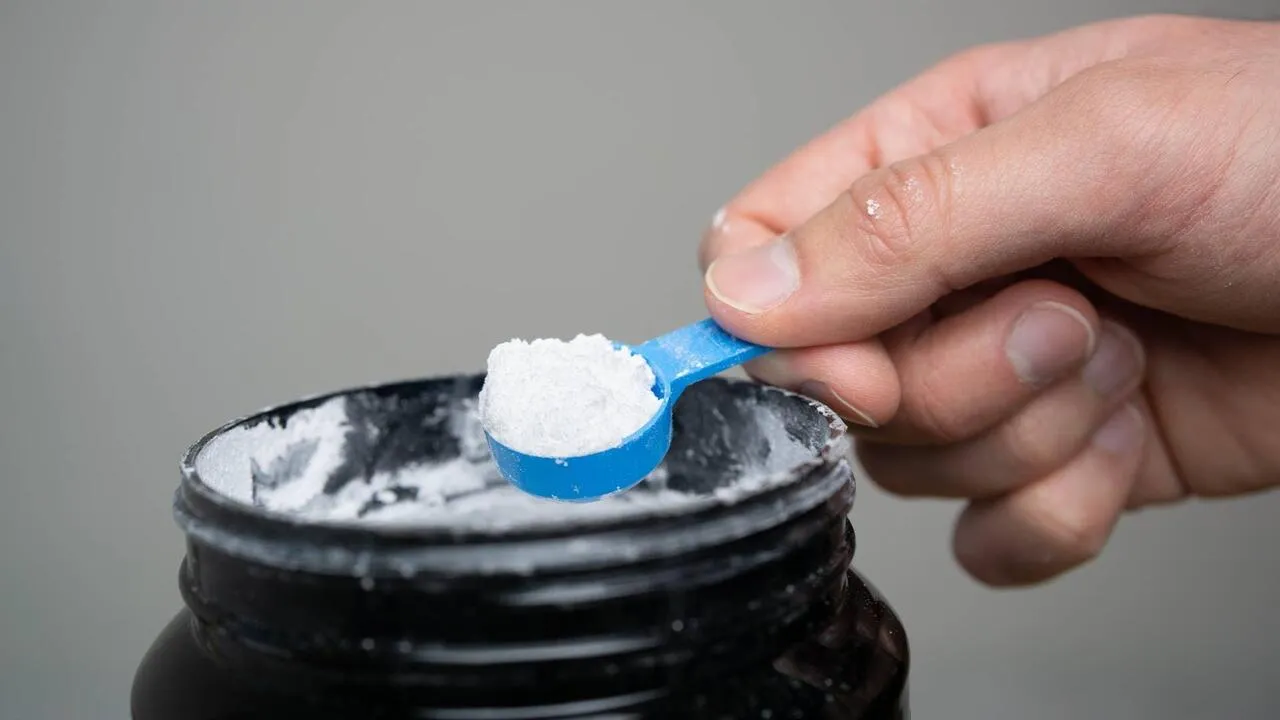
Creatine is particularly interesting for people who regularly engage in strength training.
Athletes who face repeated short, intense exertions can also benefit.
This includes:
Older adults are also becoming an interesting target group, especially when creatine is combined with strength training.
Research on women is also growing, although the data is not as comprehensive as it is for men.

Not everyone needs creatine.
Those who do not engage in any sports at all do not necessarily have to supplement with creatine.
Even for people who only participate in long, relaxed endurance activities, creatine is not necessarily the most important supplement.
And most importantly:
If training, nutrition, and sleep are not in order, creatine should not be the priority.
No dietary supplement can replace poor training planning.

According to current research, creatine can be viewed more dispassionately.
It is not a miracle drug.
But it is also not useless.
Creatine is one of the dietary supplements that boasts an exceptionally large scientific evidence base.
The strongest arguments remain with:
Strength performance + high-intensity exertions + lean mass + strength training
Research is also developing interestingly in areas like:
Women + healthy aging + muscle preservation + potential cognitive effects
Simultaneously, one should not ignore the limits of research.
Not every person reacts equally strongly. The results in women are still less clear than in men, and further high-quality studies are needed on the potential effects on the brain.

Creatine is not considered a miracle supplement in 2026 – but it is one of the best-researched sports supplements.
Those who regularly engage in strength training might benefit from creatine. Research particularly shows additional advantages in terms of strength performance and lean mass. A major meta-analysis involving 61 studies found an average of approximately 1.39 kg more lean mass with creatine in conjunction with strength training.
Research is particularly interesting for older adults, as creatine and strength training may collectively support strength and lean mass.
For women, the data is likewise evolving. Particularly in the context of aging, creatine could play a larger role in the future.
Potential impacts on cognitive performance are still not clear enough to label creatine as a general “brain supplement.”
The key takeaway remains:
Creatine is no substitute for good training, a balanced diet, or sufficient sleep. However, it can complement these foundations.
For most people wishing to use creatine, creatine monohydrate at about 3–5 g daily remains the simple and scientifically well-researched option.

Collagen is a vital protein in the body, comprising about 30% of total protein. It plays a crucial role in the structure of skin, bones, muscles, and connective tissue.…
Read article
This blog reveals which supplement combinations truly make sense – from Protein + Creatine to D3 + K2 and Magnesium + Zinc. Through scientific studies, dosage recommendations, and…
Read article
Protein powder can be a valuable support in weight loss – provided it is used correctly. In this blog, you will learn how protein shakes can promote fat loss, protect muscles, and…
Read article