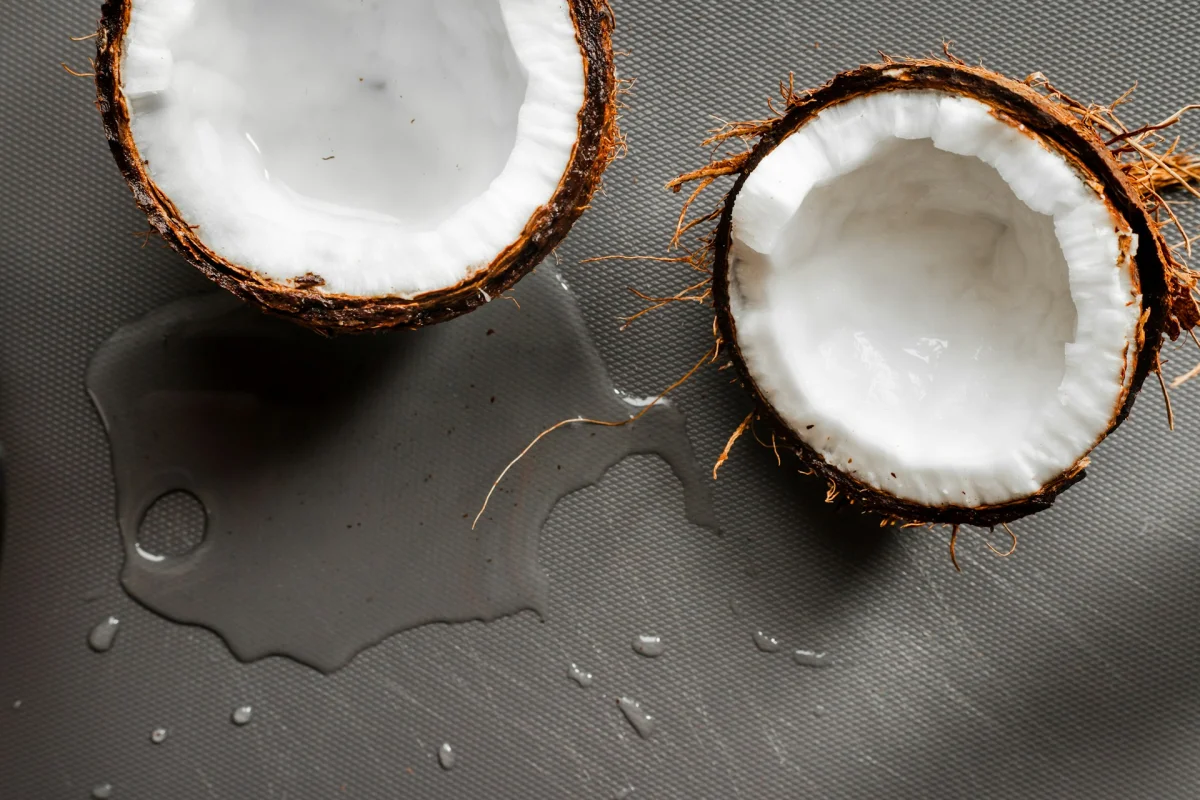
The coconut is among the fruits that have become increasingly popular in recent years. Coconut water, coconut milk, coconut meat, and coconut oil are now found in various foods and beverages.
Often, the coconut is described as a particularly healthy food. Some of its components indeed provide valuable nutrients. Simultaneously, there are many health claims that are not sufficiently scientifically proven.
Therefore, it is worth taking a closer look at what the individual coconut products can actually deliver.

What Nutrients Does the Coconut Provide?
The flesh of the coconut is rich in fats, fiber, and minerals. The nutritional composition varies significantly depending on the ripeness and product.
Coconut water, on the other hand, contains significantly less fat and provides potassium among other fluids. Coconut oil is almost entirely composed of fat and contains no appreciable amounts of protein or fiber.
| Coconut Product | Main Components | Special Feature |
|---|---|---|
| Coconut Meat | Fat, fiber, minerals | Filling and energy-rich |
| Coconut Water | Water, potassium, small amounts of other electrolytes | Lower in calories compared to many other beverages |
| Coconut Milk | Fat, water | Energy-rich and creamy |
| Coconut Oil | Primarily saturated fatty acids | Very high fat content |
The differences are crucial: claims about the health properties of coconut water cannot be directly applied to coconut oil.

Coconut Water: A Natural Refreshment
Coconut water is obtained from the immature coconut and consists largely of water. It also contains electrolytes, particularly potassium.
Therefore, coconut water is often marketed as a natural sports or electrolyte drink. However, scientific studies show that it is not fundamentally better for hydration than regular water.
A randomized study with trained men compared water, coconut water, and a carbohydrate-electrolyte drink after physical exertion. No significant differences were found between the drinks in terms of hydration or subsequent athletic performance.
A newer study from 2026 also examined hydration after exercise-induced fluid loss. The research continues to show that while coconut water can contribute to rehydration, no clear advantage over other suitable drinks has been conclusively demonstrated.
For everyday life, this means: coconut water can be a good and refreshing alternative, but water remains perfectly adequate for regular hydration.
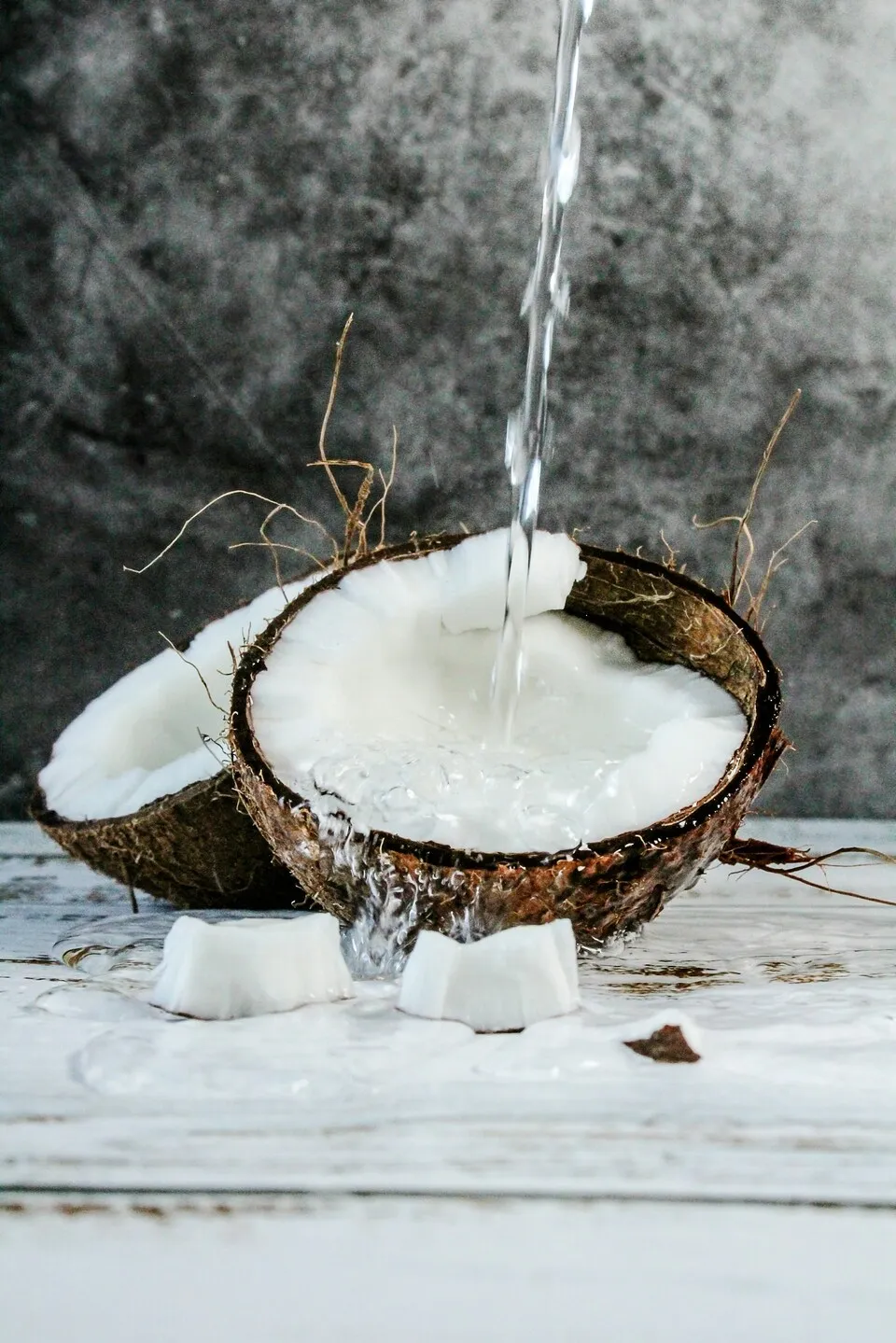
Coconut Water in Sports
When sweating, the body loses not only water but also electrolytes. Coconut water contains potassium and smaller amounts of other minerals.
During longer or particularly intense efforts, electrolytes can play a more significant role. For normal training sessions, however, water and a balanced diet are usually sufficient.
Interestingly, a systematic review of alternative drinks after exercise-induced dehydration found no clear difference between fresh coconut water and water across various studies regarding different hydration markers. The evidence was generally rated as very uncertain.
Thus, coconut water is a possible option, but not a necessary "super drink" for athletes.

Coconut Oil – Healthy or Overrated?
Coconut oil is particularly controversial.
Coconut oil contains a high amount of saturated fatty acids. At the same time, it is often marketed with terms like "natural," "healthy," or "metabolism-boosting."
Scientific studies, however, paint a much more nuanced picture.
A comprehensive systematic review and meta-analysis from 2020 evaluated 16 studies. Compared to non-tropical vegetable oils, coconut oil increased both LDL cholesterol and HDL cholesterol. The average increase in LDL cholesterol was about 10 mg/dL. No clear benefits were found for body weight, body fat, blood sugar, and inflammation markers.
Another meta-analysis also concluded that coconut oil can increase total cholesterol and LDL cholesterol compared to various other oils.
This doesn't mean coconut oil is inherently "toxic" or forbidden. It means that it should not automatically be considered a healthier alternative to unsaturated vegetable oils.
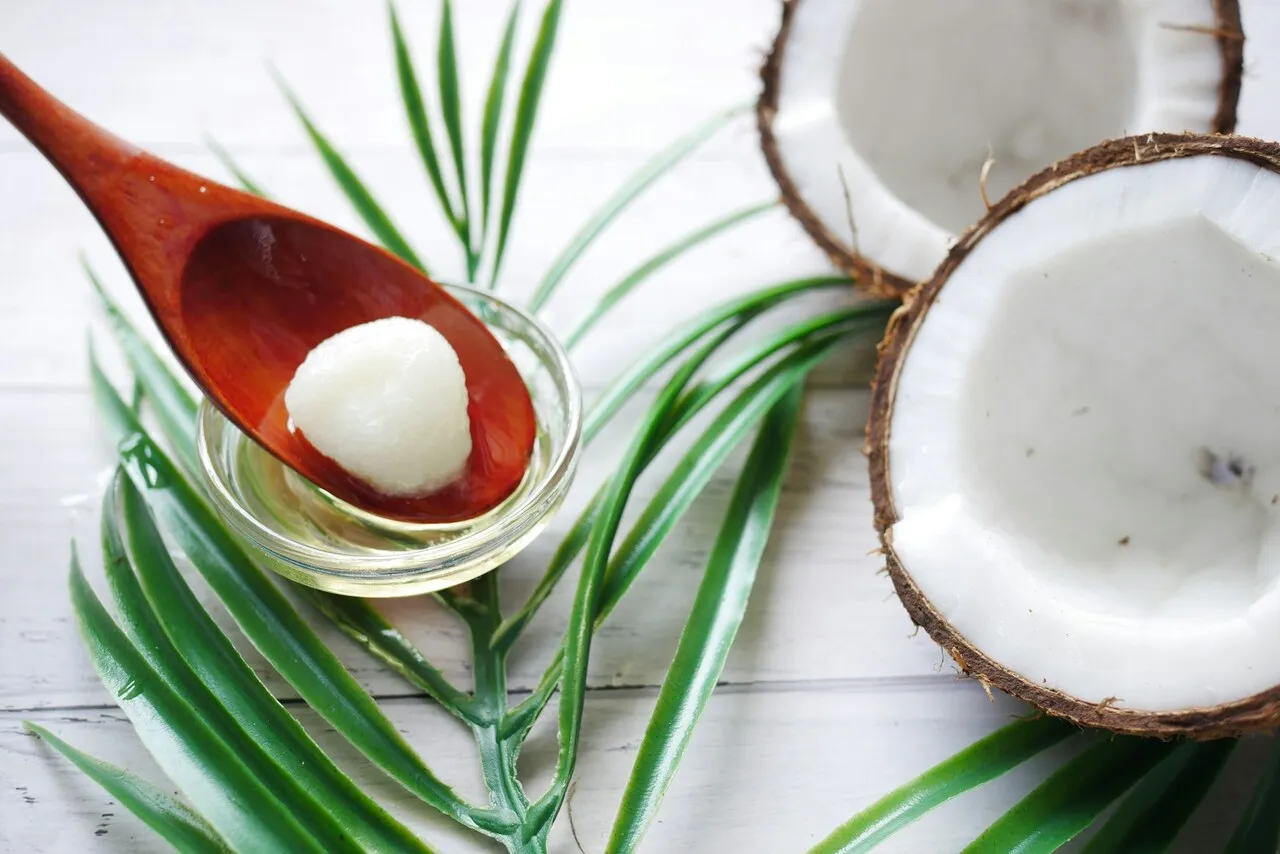
Why Is Coconut Oil Still Considered Healthy?
One reason is the special composition of fatty acids. Coconut oil contains a high proportion of medium-chain and specifically structured fatty acids, causing it to behave partially differently in metabolism compared to other fats.
Additionally, lab and animal studies have shown certain components with positive properties. However, such results do not automatically translate to long-term human health.
A current 2026 review describes potential antioxidant, anti-inflammatory, and metabolic effects of virgin coconut oil. However, it emphasizes that further high-quality clinical studies are necessary to reliably confirm these potential benefits in humans.

Coconut and Heart Health
Regarding heart health, it's particularly important to distinguish between different coconut products.
Coconut meat can be part of a balanced diet. The situation is different for coconut oil, as it is very high in saturated fats.
A review on coconut oil and cardiovascular risk factors concluded that coconut oil can raise LDL cholesterol more than unsaturated vegetable oils.
A meta-analysis from 2022 also found no clinically significant benefits of coconut oil concerning body weight, body fat, or LDL cholesterol compared to other fats and oils. However, the authors rated the quality of the available evidence as very low.
For a heart-conscious diet, using oils rich in unsaturated fatty acids is often recommended.

Coconut and Weight Loss
There are many promises around coconut products concerning weight loss.
Coconut products can certainly be part of a balanced diet. However, "natural" does not automatically mean "low-calorie."
Particularly, coconut oil is very energy-dense because it is almost entirely made up of fat. A systematic review found no convincing advantage of coconut oil regarding body weight, body fat, or waist circumference.
Those wishing to lose weight should not simply add large amounts of coconut oil to their diet just because it is marketed as healthy.
What matters is the overall diet, energy intake, physical activity, and long-term habits.

Coconut as Part of a Balanced Diet
The coconut does not need to be excluded from the diet. It's much more sensible to use the various products consciously.
Coconut meat can, for instance, be added in small amounts to yogurt, oatmeal, or other dishes. Coconut water can occasionally be a refreshing alternative to other beverages.
Coconut milk is suitable for cooking and can make curries or soups creamier. Due to its relatively high energy content, the amount also matters here.
Coconut oil can be used as well. However, it should not automatically replace other oils rich in unsaturated fatty acids.

Coconut: What Is True and What Is a Myth?
| Claim | Scientific Assessment |
| Coconut water provides hydration | Yes, it can contribute to hydration |
| Coconut water is better than water | Not conclusively proven |
| Coconut oil is especially good for the heart | There's no convincing evidence |
| Coconut oil contains many saturated fats | Yes |
| Coconut oil can increase LDL cholesterol | Yes, particularly compared to unsaturated vegetable oils |
| Coconut products can be part of a healthy diet | Yes, in appropriate amounts |
| Coconut oil automatically helps with weight loss | Not sufficiently scientifically proven |

Conclusion
The coconut is a versatile food that can indeed fit into a balanced diet. However, it is crucial to differentiate between coconut meat, coconut water, coconut milk, and coconut oil.
Coconut water can provide fluids and electrolytes, making it a possible refreshment, especially on warm days or after physical activity. Yet, scientific research shows no clear advantage over water for regular hydration.
In contrast, more caution is advised with coconut oil. It contains a high proportion of saturated fats and can raise LDL cholesterol compared to unsaturated vegetable oils. Claims that coconut oil is fundamentally heart-healthy or aids in weight loss are not convincingly supported by current scientific evidence.
The key takeaway is: Coconut can be part of a healthy diet, but it is no miracle food. The entire diet is crucial, not an individual food item.
Sources
- Neelakantan N, Seah JYH, van Dam RM. The Effect of Coconut Oil Consumption on Cardiovascular Risk Factors: A Systematic Review and Meta-Analysis of Clinical Trials. Circulation. 2020.
- Jayawardena R et al. Effect of coconut oil on cardio-metabolic risk: A systematic review and meta-analysis of interventional studies. Diabetes & Metabolic Syndrome. 2020.
- Duarte AC et al. The effects of coconut oil on the cardiometabolic profile: a systematic review and meta-analysis of randomized clinical trials. Lipids in Health and Disease. 2022.
- Eyres L et al. Coconut oil consumption and cardiovascular risk factors in humans. Nutrition Reviews. 2016.
- Peart DJ et al. Coconut Water Does Not Improve Markers of Hydration During Sub-maximal Exercise and Performance in a Subsequent Time Trial Compared with Water Alone. International Journal of Sport Nutrition and Exercise Metabolism. 2017.
- Bell SK, Spriet LL. Rehydration After Exercise-Induced Fluid Losses: Comparing Flavored Water, Coconut Water, and Carbohydrate-Electrolyte Sports Beverage. Journal of Strength and Conditioning Research. 2026.
- Khan I et al. Virgin coconut oil: A comprehensive review of its health impacts and functional food applications. Food Chemistry: X. 2026.