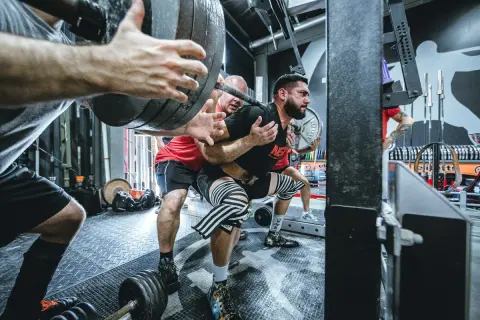
In the gym, it's a common sight:
Set finished, a quick glance at the phone, 40–50 seconds break – next set.
Sweat flows, pulse races, feeling: “Wow, really intense!”
But here's the misconception. Intensity doesn't always feel effective.
If your goal is muscle growth, increased strength, or long-term performance, too short of rest intervals can prevent these very outcomes.
Why longer breaks are often the better choice – and when short breaks still make sense – we'll analyze step by step now.

Muscle Development Begins in the Nervous System – Not in the Burn
Many confuse muscle growth with the infamous muscle burn.
This burn occurs mainly due to:
- Rising lactate levels
- Hydrogen ions in the muscle
- Oxygen deficiency
It feels brutal – but it has only an indirect effect on muscle growth.
👉 Genuine muscle growth requires mechanical tension.
And this only happens if you:
- Move sufficient weight
- Perform clean repetitions
- Exert force over multiple sets
Short breaks = less strength in the next set = less tension.
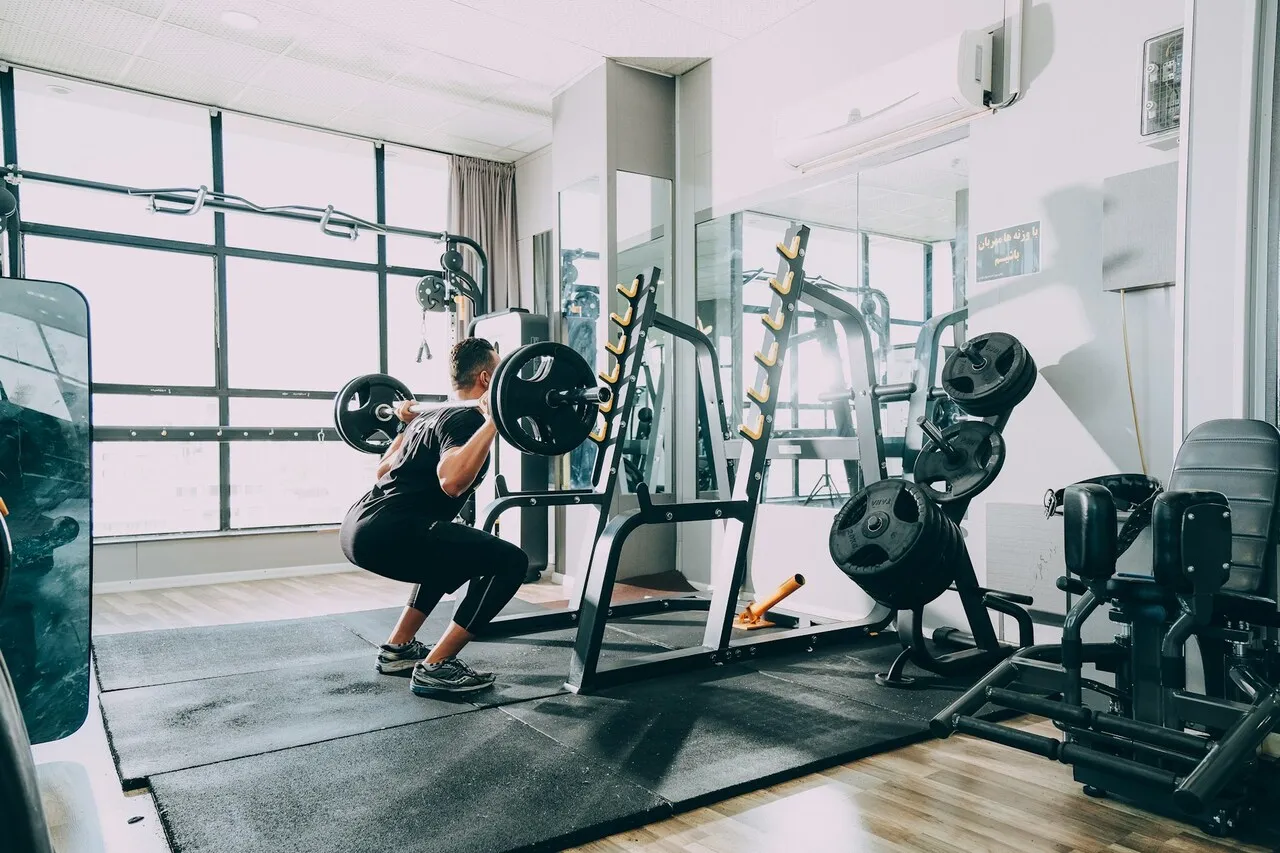
What Happens with Too Short Rest Intervals (45–60 Seconds)?
If you only take a short break, the following occurs in the body:
- ATP stores are not fully regenerated
- Creatine phosphate is not yet replenished
- The nervous system is fatigued
- Pulse and breathing remain high
The result:
- Fewer repetitions
- Poorer technique
- Lighter weights
- Premature muscle failure
You train tired, not strong.
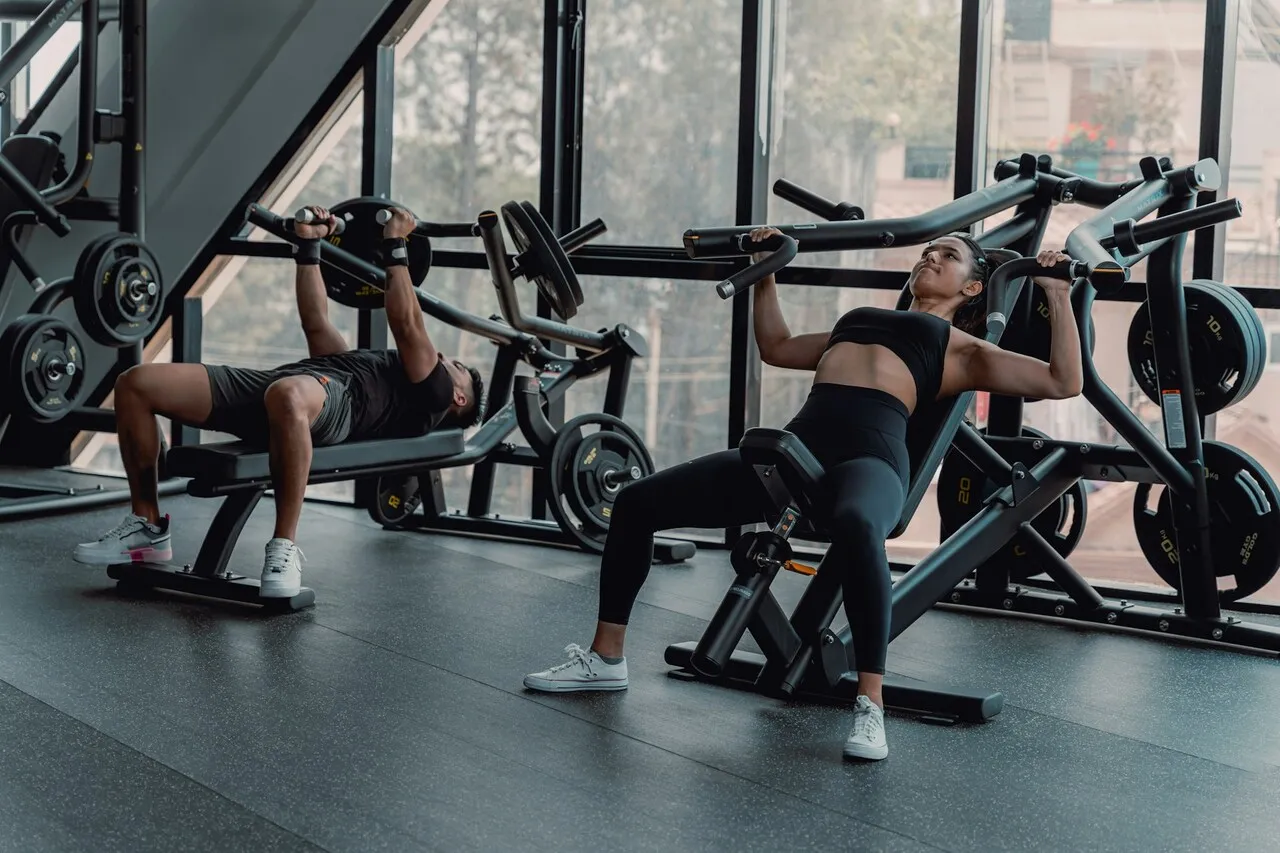
Why Longer Rest Intervals (90–180 Seconds) Are Better
1. More Strength in the Next Set
After about 2–3 minutes:
- ATP is largely regenerated
- Creatine phosphate is available again
- The nervous system is recovered
👉 You can deliver performance again in the next set, instead of just "surviving."
2. Higher Training Quality Instead of Just Fatigue
Longer breaks allow for:
- Controlled eccentric phase
- Stable body tension
Clean technique
This means:
The muscle is working – not the momentum.
3. More Total Volume = More Muscle Stimulus
Example:
- 60 seconds break → 10 / 8 / 6 repetitions
- 120–180 seconds break → 10 / 10 / 9 repetitions
More repetitions with the same weight =
👉 Higher effective training volume
And that's precisely one of the key factors for muscle growth.
Longer Breaks ≠ Less Intensity
A common misconception:
“If I take longer breaks, I train less intensely.”
Wrong.
You train intensely in a different way.
- Short breaks → metabolic stress
- Longer breaks → mechanical tension
For hypertrophy and strength, mechanical tension is the stronger driver.

What Does Science Say?
Studies clearly show:
- 2–3 minutes rest between sets promote more strength and muscle growth
compared to 30–60 seconds breaks
The reason:
Athletes can consistently deliver higher performances – set after set.
In short:
👉 More rest = more quality = more progress

When Short Breaks Still Make Sense
Of course, there are exceptions – otherwise, fitness would be dull 😉
Short breaks (30–60 seconds) are useful for:
- Isolation exercises (bicep curls, lateral raises)
- Supersets & drop sets
- Metabolic training
- Time constraints
- Cardio-like strength circuits
However:
Not as a standard for heavy compound exercises.

Recommended Rest Intervals by Exercise Type
| Exercise Type | Recommended Rest |
|---|---|
| Squats | 2–3 minutes |
| Bench Press | 2–3 minutes |
| Deadlifts | 3 minutes |
| Shoulder Press | 2 minutes |
| Pull-Ups / Rows | 2 minutes |
| Isolation Exercises | 60–90 seconds |
The Big Issue: Impatience in the Gym
Many don't train poorly – they are too impatient.
- Fear of "cooling down"
- Fear of wasting time
- Fear of appearing less intense
But progress sometimes requires exactly this:
👉 Standing still briefly to move forward stronger
Conclusion
Longer rest intervals are not a sign of laziness –
they are a sign of strategic training.
If you:
- Want to get stronger
- Want to build muscles
- Want to break through plateaus
Then 90–180 second breaks are often exactly what you need.
Not every burn brings muscles.
Sometimes, rest brings progress.