
Salt. Long considered the enemy of any healthy diet – nowadays a sudden 'secret tip' for athletes. More pump, better performance, fewer cramps? Or just a myth from the fitness bubble? Time for an honest, well-researched look.
What exactly is salt?
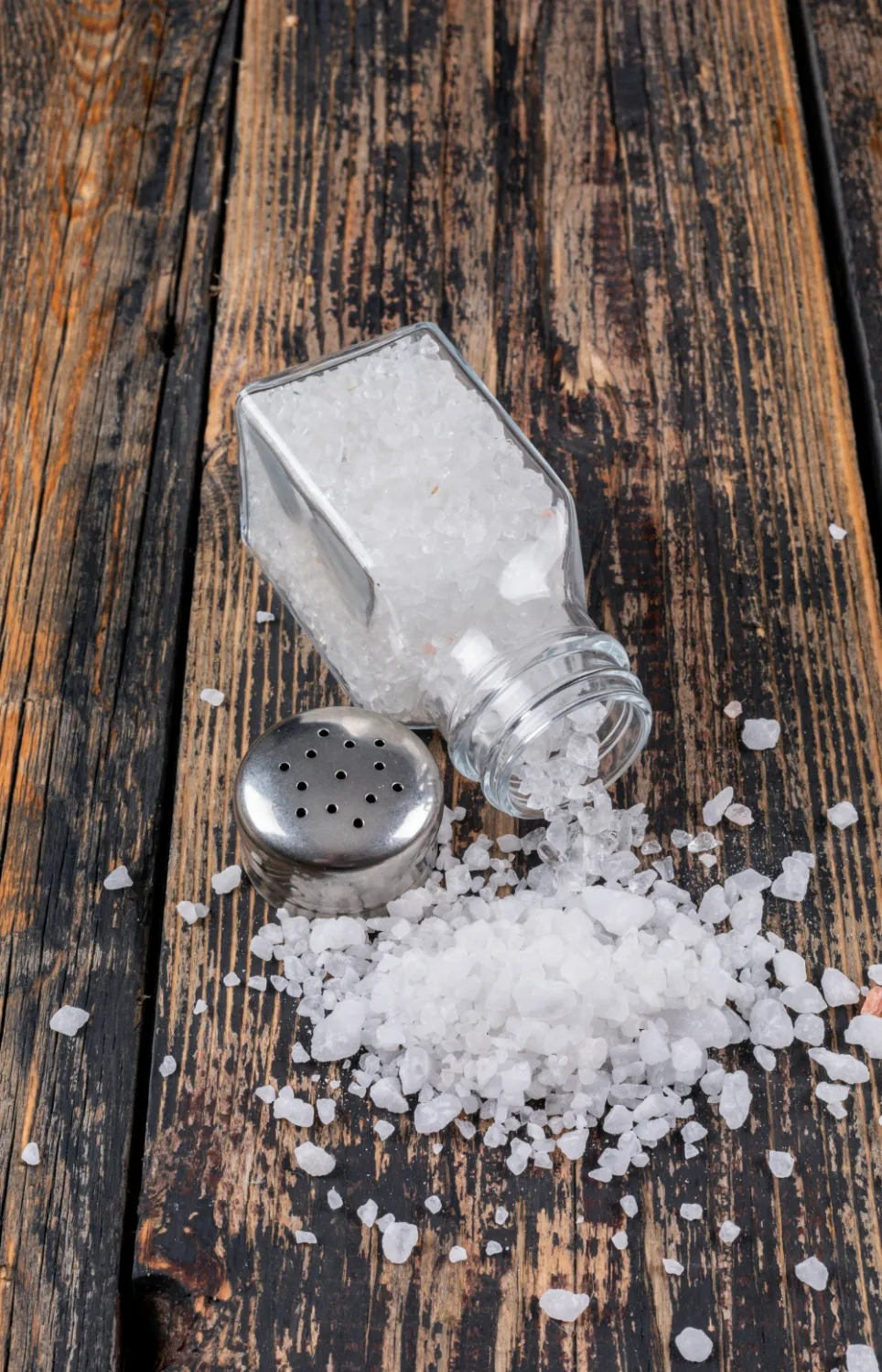
Salt is primarily composed of sodium chloride. For sports, it's almost exclusively sodium that's relevant. Sodium is a vital electrolyte and plays essential roles in the body:
- Regulation of the fluid balance
- Maintenance of blood volume
- Nerve and muscle signaling
- Support of muscle contraction
Without sufficient sodium, muscle work simply isn't efficient.
Salt and sports – why is this topic so important?
During training, you lose sodium primarily through sweat. The more intense and longer the training, the higher the loss. Particularly affected are:
- High-density strength training
- HIIT
- Endurance training
- Training in heat
A low sodium level can lead to:
- Performance drop
- Quick fatigue
- Headaches
- Dizziness
- Muscle cramps
In short: Your body runs out of fuel.

Does salt really give you a pump?
The short answer: Yes – indirectly.
The pump is caused by increased blood flow and greater fluid influx into muscle cells. Sodium plays a key role here.
Why?
- Sodium binds water in the body
- More sodium = higher blood and plasma volume
- More volume = better blood flow to muscles
- More blood = more nutrients, more oxygen, stronger pump
Important: Salt alone does not create a pump. It supports it – especially in combination with:
- Carbohydrates
- Adequate fluid intake
- Intense training
No training, no pump – no matter how much salt.

Salt before training – useful or unnecessary?
Many athletes deliberately consume some salt before a workout. This can be useful if:
- You sweat a lot
- You eat low-carb or low-salt
- You train for long periods or very intensely
Possible effects:
- Better pump
- More stable blood pressure
- Less performance drop
- Subjectively more strength
But: More is not better. A moderate amount is completely sufficient.

Salt, water, and carbohydrates – the trio for performance
Sodium does not work in isolation. It unleashes its full potential in synergy:
| Factor | Impact in training |
|---|---|
| Sodium | Binds water, stabilizes volume |
| Water | Ensures cell hydration |
| Carbohydrates | Draw water into the muscle cell |
This interplay explains why many athletes experience a stronger pump with salt + carbs.
Too much salt – where is the limit?
While salt is important for athletes, you shouldn't overdo it.
Possible consequences of a consistently very high intake:
- Unnecessary water retention
- Increased blood pressure in sensitive individuals
- Digestive problems
The context is key:
- Training volume
- Sweat rate
- Overall diet
A blanket "salt is bad" is just as wrong as "the more, the better".

Types of salt – does the variety matter?
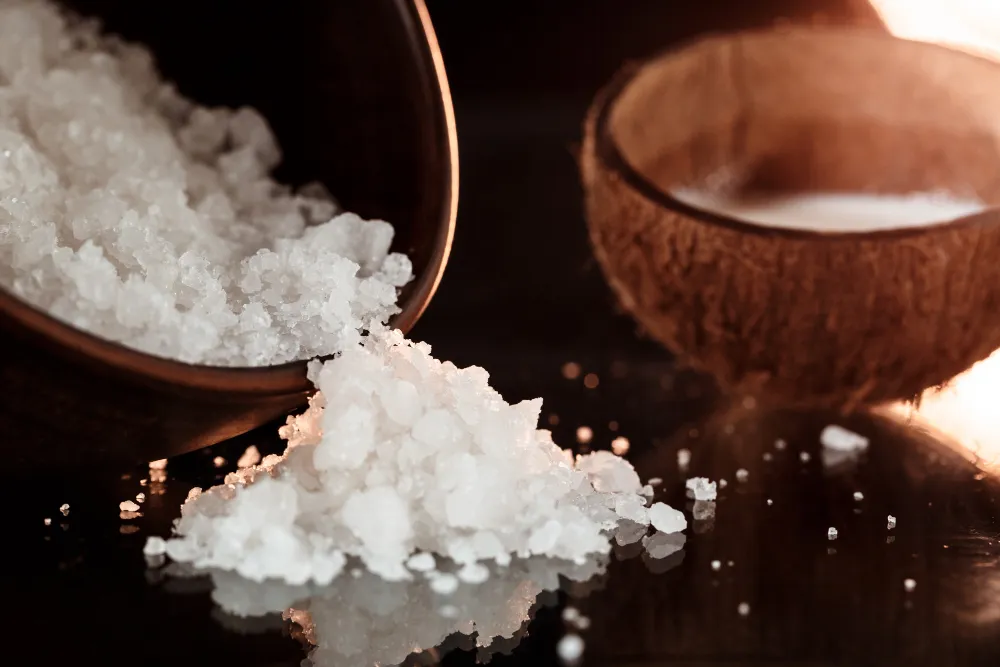
Himalayan salt, sea salt, rock salt – marketing-wise huge differences, physiologically rather small.
For sports, what really counts is:
- Sodium content
- Good tolerability
Trace elements in expensive salts are practically irrelevant for performance. Regular table salt serves its purpose completely.
For whom is salt particularly relevant?
- Strength athletes with high volume
- Athletes with heavy sweating
- Low-carb or dieting phases
- Training in heat
It's less critical in very short, easy sessions.

Conclusion
Salt is no miracle cure – but an underrated performance factor. Used correctly, it can:
- Support the pump
- Stabilize training performance
- Prevent fatigue and cramps
It's not the salt alone that makes the muscle full, but the interplay of training, water, carbohydrates, and electrolytes. Those who understand this use salt deliberately – not blindly.