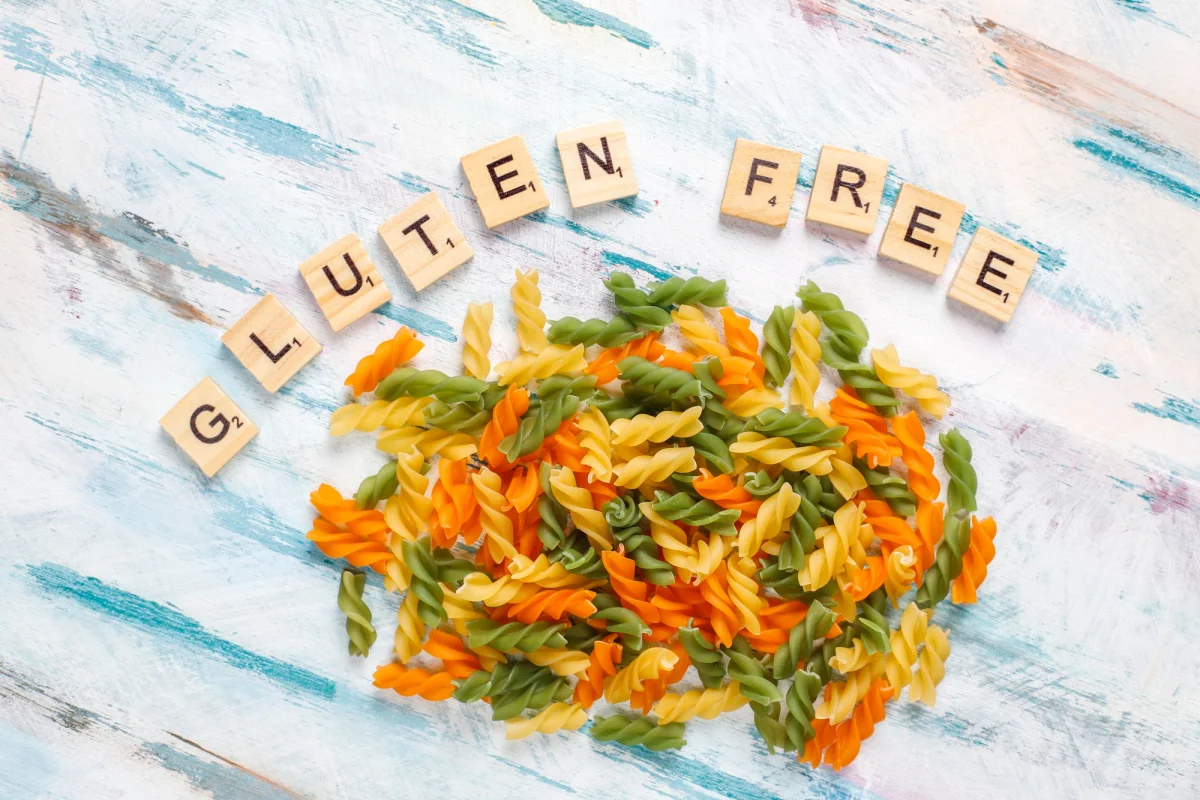
In the world of fitness, new trends constantly emerge—from superfoods to ketogenic diets. One such enduring trend is the gluten-free diet. Many athletes today choose gluten-free products—even without a medical necessity. But does this really provide advantages for muscle building, energy, and performance?

What is Gluten?
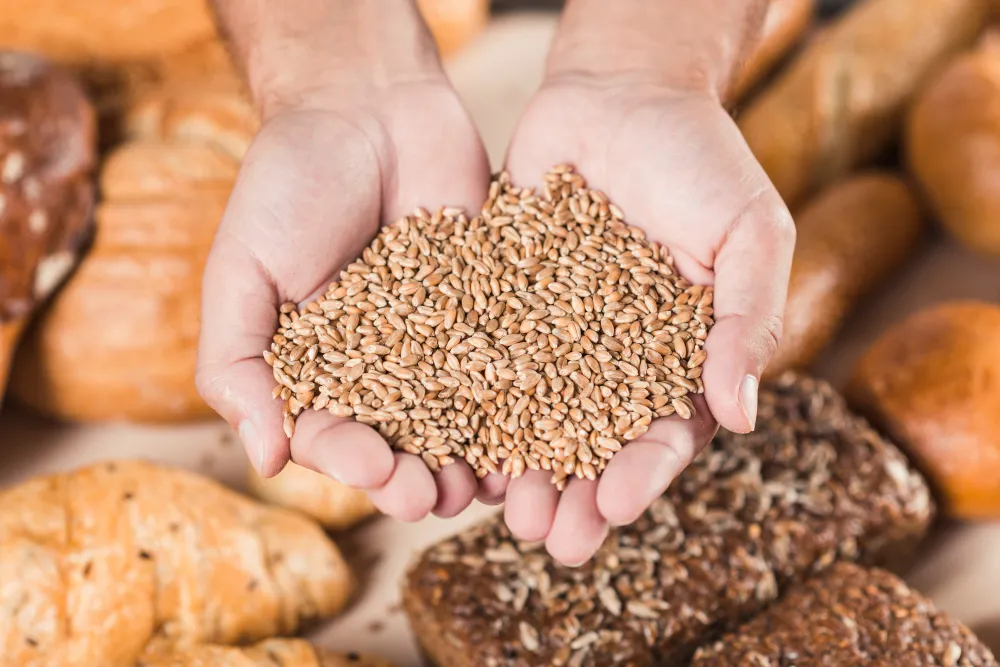
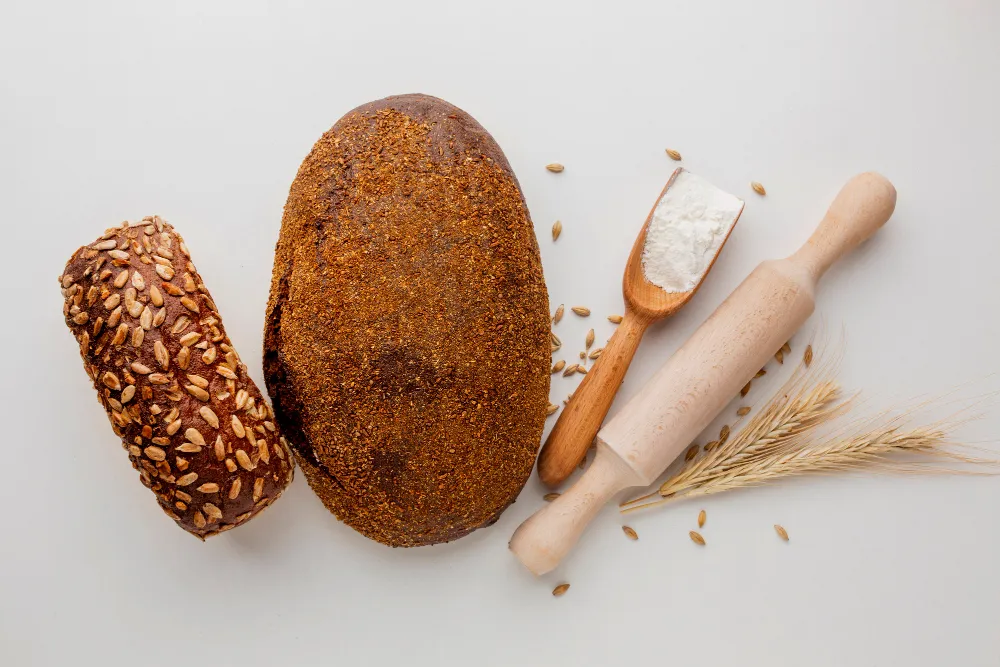
Gluten is a collective term for storage proteins found in certain grains like wheat, rye, barley, spelt, or triticale. It gives dough its elasticity, ensuring bread becomes beautifully airy.
Individuals with celiac disease must avoid gluten rigorously, as it triggers an autoimmune reaction that damages the intestinal lining. But what about healthy individuals, or ambitious athletes?
Gluten-Free Diet in a Fitness Context
More and more fitness enthusiasts are turning to gluten-free products—for various reasons:
- Digestive Comfort: Some report reduced bloating or fullness.
- Reduced Inflammation: Some studies suggest gluten may promote inflammatory reactions in sensitive individuals.
- Clearer Energy Levels: Many feel "lighter" and report more stable energy levels, especially during intense workouts.
However, there are downsides. Gluten-free products are not automatically healthier. Many contain more sugar, fat, or additives to compensate for the missing gluten flavor.

An Overview of Gluten-Free Foods
| Category | Gluten-Free Alternatives | Benefits for Athletes | Possible Drawbacks |
|---|---|---|---|
| Grains | Rice, quinoa, millet, buckwheat, amaranth | A good energy source, containing complex carbohydrates | Sometimes lower in fiber |
| Flour Alternatives | Rice flour, almond flour, coconut flour | Rich in nutrients, protein, and healthy fats | More expensive, altered baking properties |
| Snacks | Corn cakes, rice cakes, nut bars | Quick energy availability | Often high in sugar |
| Pasta | Lentil, chickpea, or rice pasta | More protein than wheat pasta | Taste and texture may require adjustment |
| Bread | Gluten-free whole grain bread (rice, millet-based) | A source of fiber | Sometimes very calorie-rich due to additives |

Gluten-Free Diet and Muscle Building
For muscle building, protein, caloric balance, and training stimulus are key—not necessarily gluten.
However, individuals with mild gluten sensitivity (even without celiac) can potentially improve nutrient absorption through a gluten-free diet, as the intestine is less irritated. A healthy gut flora means better protein utilization and recovery.
Example: A study by the University of Maryland (2015) showed that even among non-celiac individuals, gluten can cause mild inflammation in sensitive individuals, impairing nutrient absorption.

Gluten-Free Diet for Energy and Endurance
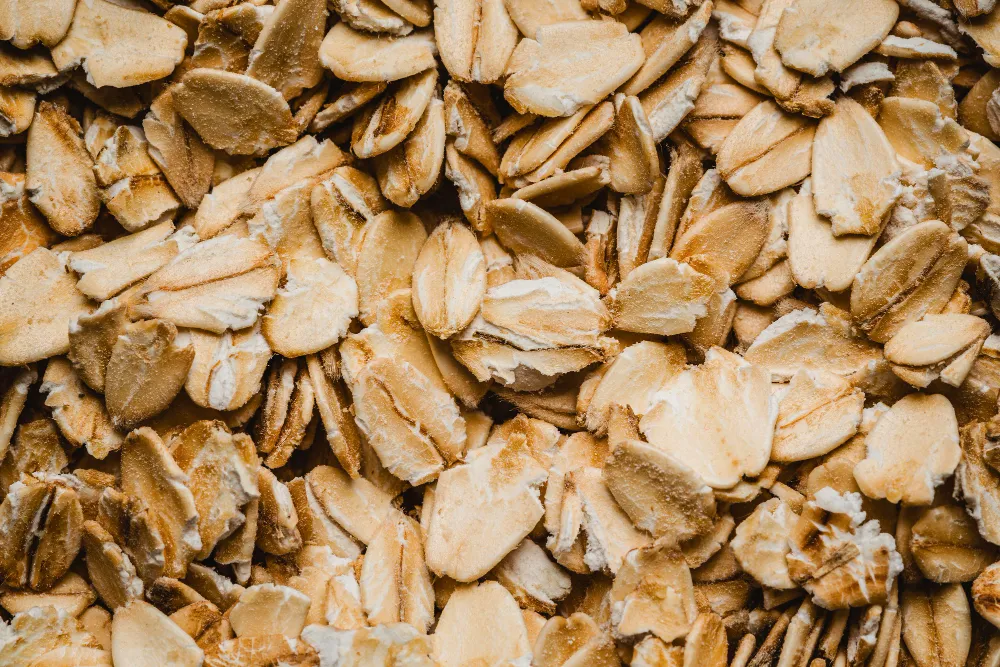
Endurance athletes often report more stable energy levels when they avoid gluten. This is less about gluten itself and more about consuming unprocessed, natural foods like quinoa, oats (certified gluten-free), sweet potatoes, and rice.
These foods provide slow-releasing carbohydrates, contributing to a steady energy supply during training.
Common Mistakes in Gluten-Free Diet
- Processed Replacement Products: Many gluten-free breads or cookies are highly processed.
- Insufficient Fiber: Eliminating whole grain products can lower fiber intake.
- Missing Micronutrients: Gluten-free products often contain fewer B vitamins, iron, and zinc.
👉 Tip: For those wishing to eat gluten-free, focus on naturally gluten-free foods—such as rice, legumes, vegetables, fruits, lean meat, and fish—rather than industrial replacement products.
Who Benefits from a Gluten-Free Diet?
- Individuals with Celiac Disease or Gluten Intolerance: Mandatory.
- Athletes with Digestive Issues: Worth a try.
- Healthy Fitness Athletes: No compelling advantage—except for subjective well-being.
In short: Gluten-free is not a performance booster, but it can bring individual benefits—especially if one is sensitive to gluten.

Conclusion
The gluten-free diet is not a miracle cure in the fitness sector but can improve well-being, digestion, and energy in certain individuals. It's essential to rely not on industrial replacements but on natural, nutrient-rich sources.
For strength athletes wishing to live gluten-free: Eat protein-rich foods, monitor micronutrients, and incorporate sufficient fiber—then nothing stands in the way of recovery and muscle building.