Daily Protein Requirement: How Much Is Enough for Your Health?
Protein is vital for athletes not only for muscle development but also for maintaining performance and aiding recovery.
Read articleHealth
In winter, many of us lose the natural sensation of thirst. When it is cold outside, we are less likely to reach for water and often fail to realize that our bodies still require hydration. In fact, adequate fluid intake is crucial even during the colder months – especially for athletes who regularly train and rely on optimal performance. In this blog, you will learn why hydration is so important in winter and receive practical tips and recipes to help keep your body adequately supplied with fluids.

The primary issue in winter is that the body does not need to activate its cooling function as intensely as in summer. The skin loses less moisture through sweating, which diminishes the feeling of thirst. Furthermore, cold drinks often seem unappealing during this season – who wants to reach for a cold water bottle when it's storming and snowing outside? At the same time, many people mistakenly believe that the body requires less fluid in cold temperatures. However, the need remains – especially for active individuals – and can even increase as the immune system requires additional support in winter.
Water as a Transport Medium for Nutrients and Waste Products
Water is essential for transporting nutrients in our body and eliminating waste products. Without sufficient hydration, vital nutrients cannot optimally reach the cells, which can impair performance. Particularly in winter, when the immune system is under more strain, good hydration supports the transport of vitamins and minerals that contribute to strengthening the body.
Improvement of Skin Health
Cold air outdoors and dry heating air indoors strip moisture from the skin, leading to rapid dehydration. If we do not drink enough, our skin suffers further. Adequate fluid intake helps the skin regenerate from within and counteracts dryness.

Herbal Teas Instead of Cold Water
Herbal teas are an excellent alternative to cold water and can provide comforting effects on the body. Varieties such as chamomile, peppermint, fennel, or ginger warm from the inside and help stabilize fluid balance. At the same time, they offer flavorful variety and can, depending on the ingredient, also support the immune system.
Drink Water at Room Temperature
If cold water feels unpleasant in winter, take the bottle or carafe out of the refrigerator in advance so it can reach room temperature. Lukewarm water is often perceived as more pleasant and helps meet fluid needs without cooling the body.
Warming Beverages like Golden Milk or Matcha Latte
Drinks such as golden milk (with turmeric) or matcha latte can be a great alternative to cold water in winter. They not only provide hydration but also additional nutrients and antioxidants that are particularly beneficial for the body during winter.
Soups as a Source of Fluid
Soups and broths are not only comforting in winter but also an excellent way to provide the body with additional fluid. Light vegetable soups or broths are especially recommended as they also contain vitamins and minerals.
Set Drinking Reminders
A simple but effective trick: set reminders on your phone or use a drinking app to be regularly reminded to drink. Especially in winter, it can be helpful to set small reminders, as the sensation of thirst is often lacking.
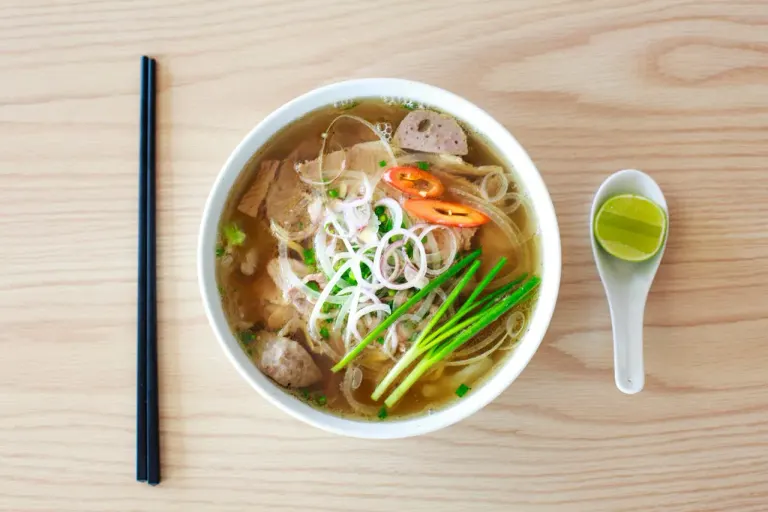
Here are some recipes that not only provide hydration but also warm your body and supply it with valuable nutrients.
Ingredients:
Preparation:
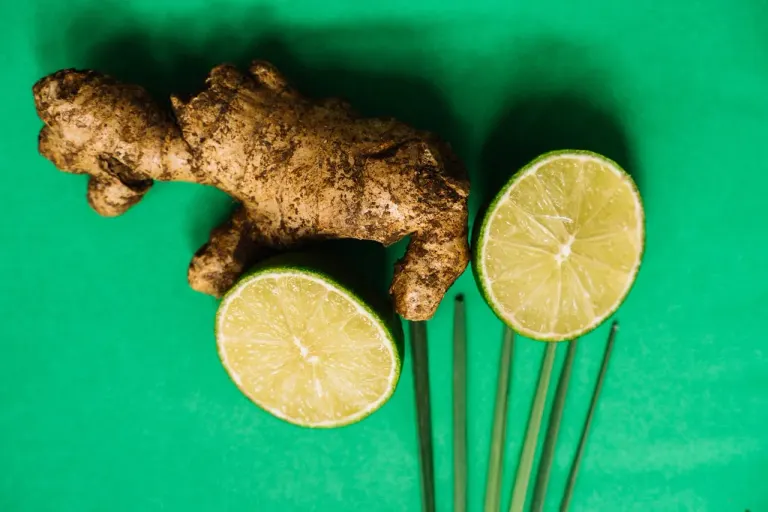
Ingredients:
Preparation:
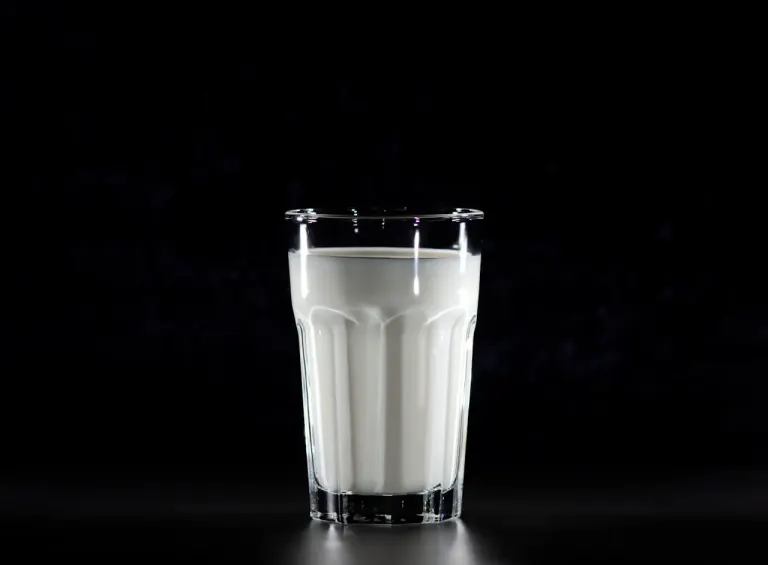
Ingredients:
Preparation:
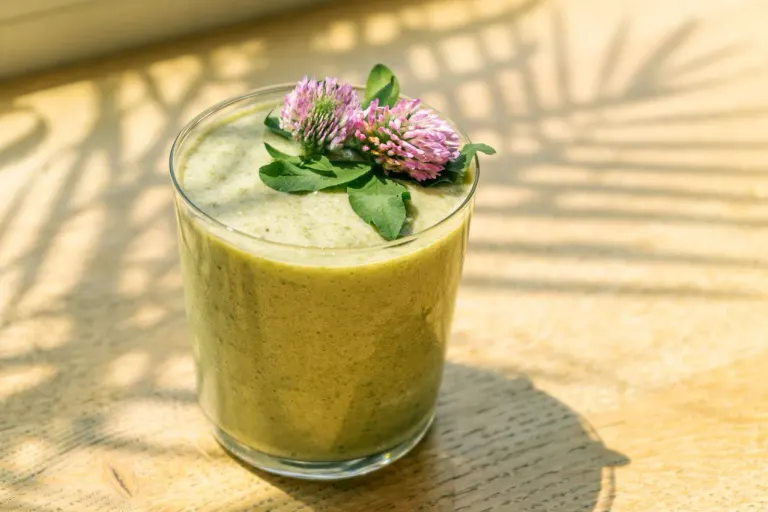
Ingredients:
Preparation:
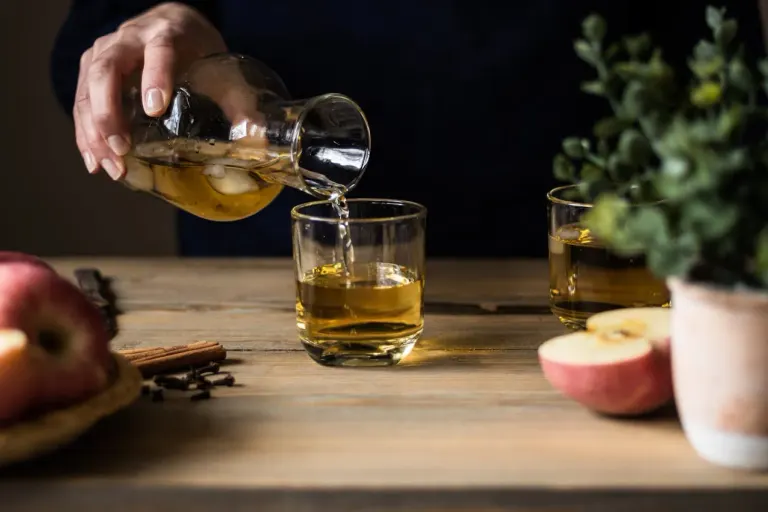
Even in winter, it is important to drink sufficiently to optimally support our bodies. The cold season places special demands on our immune system and skin, and good hydration can help meet these challenges. Use the tips and recipes mentioned above to provide your body with the necessary fluid in a pleasant way and stay fit and healthy throughout the winter.
Protein is vital for athletes not only for muscle development but also for maintaining performance and aiding recovery.
Read article
This blog provides a detailed analysis of how smoking restricts athletic performance – based on current scientific studies.
Read article
This blog contains scientific facts about oats and testosterone, a detailed analysis of phytic acid, a clear table, hormone-friendly nutrition tips, background knowledge on…
Read article