Daily Protein Requirement: How Much Is Enough for Your Health?
Protein is vital for athletes not only for muscle development but also for maintaining performance and aiding recovery.
Read articleHealth
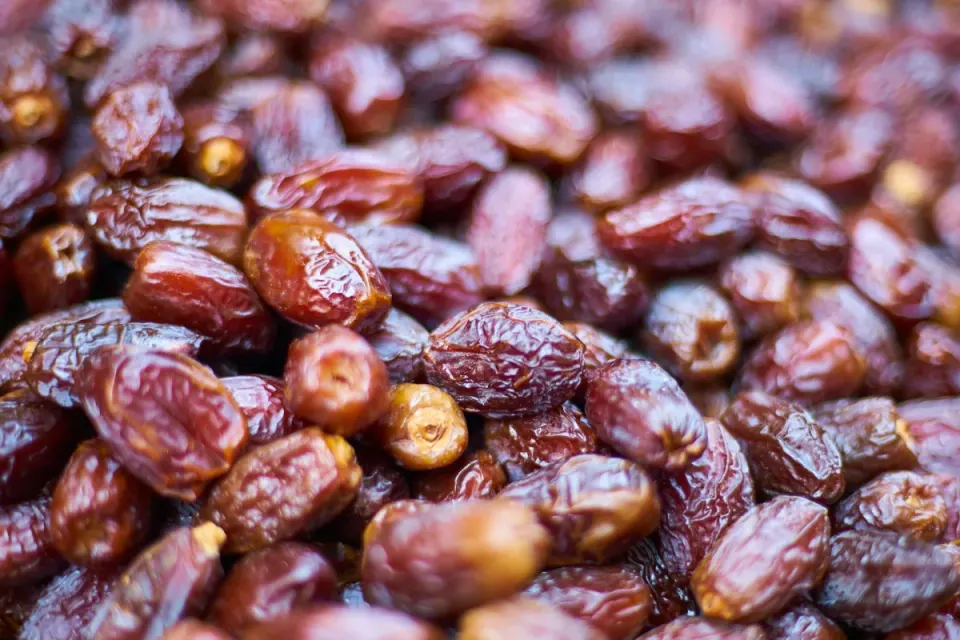
In the realm of fitness nutrition, much revolves around protein bars, artificial pre-workout shakes, and industrial supplements. Yet, in the desert grows an ancient superfood often overlooked – the date. This sweet fruit provides quick energy, essential micronutrients, and is packed with antioxidants. In this blog, you’ll discover why dates are ideal for athletes, how to use them correctly, and which variety is particularly suitable.
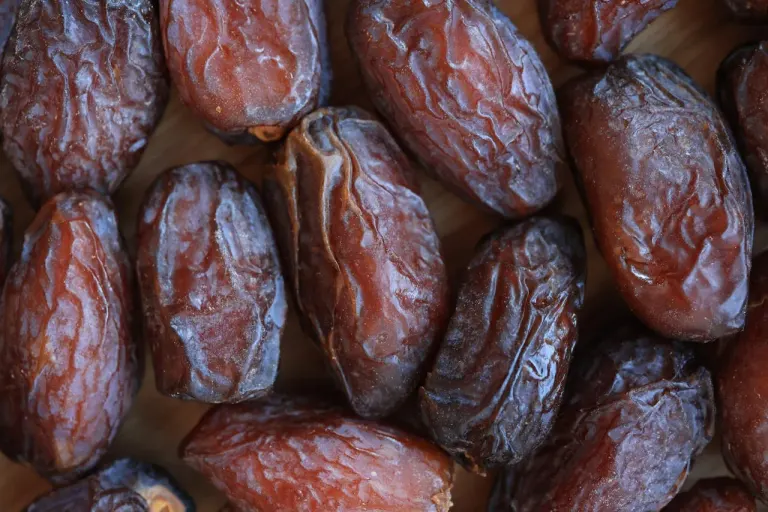
Dates consist largely of carbohydrates, particularly glucose and fructose. This makes them a source of readily available energy — exactly what athletes need before or after training. But dates are more than just sugar bombs.
Scroll sideways if needed to see all columns.
| Nutrient | Amount | Benefit for Athletes |
|---|---|---|
| Energy | approx. 277 kcal | Quick energy boost before training |
| Carbohydrates | approx. 75 g | Replenishing glycogen stores |
| Sugar | approx. 66 g | Rapid glucose replenishment post-exercise |
| Fiber | approx. 7 g | Supports digestion |
| Potassium | approx. 650 mg | Regulates muscle and nerve function |
| Magnesium | approx. 54 mg | Prevents cramps, aids recovery |
| Vitamin B6 | approx. 0.2 mg | Supports energy metabolism |
| Antioxidants | High | Cell protection, anti-inflammatory |

Dates are ideal 30–60 minutes before training. With their high glycemic index, they provide a quick energy boost without burdening the stomach. Many endurance athletes (e.g., runners, cyclists) use dates instead of artificial gels.
Tip: 2–3 Medjool dates with a glass of water – the perfect pre-workout snack

After intense workouts, your glycogen stores are depleted. Dates help rapidly replenish them – especially when combined with a protein source (e.g., whey or yogurt). This also accelerates muscle recovery.
Recovery Snack Idea:

In the realm of strength training, dates are particularly interesting for three reasons:
Within the calisthenics community, dates are also valued as a portable snack without packaging waste or additives.

For active athletes, 3–6 dates per day are a healthy amount – depending on the intensity of the training and daily carbohydrate needs. Those mindful of their calorie balance should use them strategically (e.g., as an alternative to cereal bars).

Scroll sideways if needed to see all columns.
| Variety | Taste | Benefit for Athletes |
|---|---|---|
| Medjool | Large, juicy | High sugar content, energy-rich |
| Deglet Nour | Firm, nutty | Long shelf life, ideal for snacks |
| Mazafati | Soft, caramel-like | Particularly rich in minerals |

Scroll sideways if needed to see all columns.
| Criterion | Dates | Commercial Bar |
|---|---|---|
| Sugar source | Natural | Often industrial |
| Additives | None | Often many |
| Cost | Affordable | More expensive |
| Eco-friendly | Yes (unpackaged) | Packaging waste |
| Micronutrients | High (e.g., potassium) | Low |

Dates are a true superfood for athletes – whether before training for that essential energy boost or afterwards for recovery. They not only provide quickly accessible carbohydrates but also vital micronutrients that boost your performance and recovery. Instead of reaching for artificial bars or gels, it's worth looking back to nature – and to the date palm.
Protein is vital for athletes not only for muscle development but also for maintaining performance and aiding recovery.
Read article
This blog provides a detailed analysis of how smoking restricts athletic performance – based on current scientific studies.
Read article
This blog contains scientific facts about oats and testosterone, a detailed analysis of phytic acid, a clear table, hormone-friendly nutrition tips, background knowledge on…
Read article