Ice baths have long transcended being just a trend—they have become a ritual. On Instagram, athletes showcase themselves plunging into frigid barrels, shivering, taking deep breaths, and then euphorically smiling into the camera. The myth claims: cold accelerates recovery and strengthens the body.
But is this true for everyone—or just for professional athletes and hardcore biohackers?

What happens in the body when we plunge into the cold?
When exposed to water temperatures of 8–12 °C, a series of reactions occur in the body:
- Vessels constrict → inflammatory processes are reduced
- Pain receptors become less sensitive
- Norepinephrine levels rise → mental clarity, energy, dopamine surge
- Upon rewarming, blood flows back into the muscles → providing oxygen and nutrients
The theory sounds promising—however, the crucial point is: inflammation is not always bad. For muscle growth, the body requires a certain stimulus.
What does science really say?
The scientific consensus today is quite clear:
Cold can be helpful—but it is not a miracle cure and might be counterproductive under certain circumstances.
Benefits according to studies
- Reduction of muscle soreness (DOMS) by up to 30%
- Faster subjective recovery
- Improved performance the following day
- Enhanced sleep quality and potential stress reduction
- Acute anti-inflammatory effect
Ideal after competitions, intense HIIT sessions, or very high training volumes.

Drawbacks & Risks
- Can significantly hinder muscle growth if used immediately after training
- Anti-inflammatory means less hypertrophy stimulus
- May prevent adaptation processes in the muscle if used too frequently
- Not ideal for very lean athletes with high energy needs
Studies show that strength athletes experience less muscle growth when using cold water baths after every training session (Roberts et al., 2015).
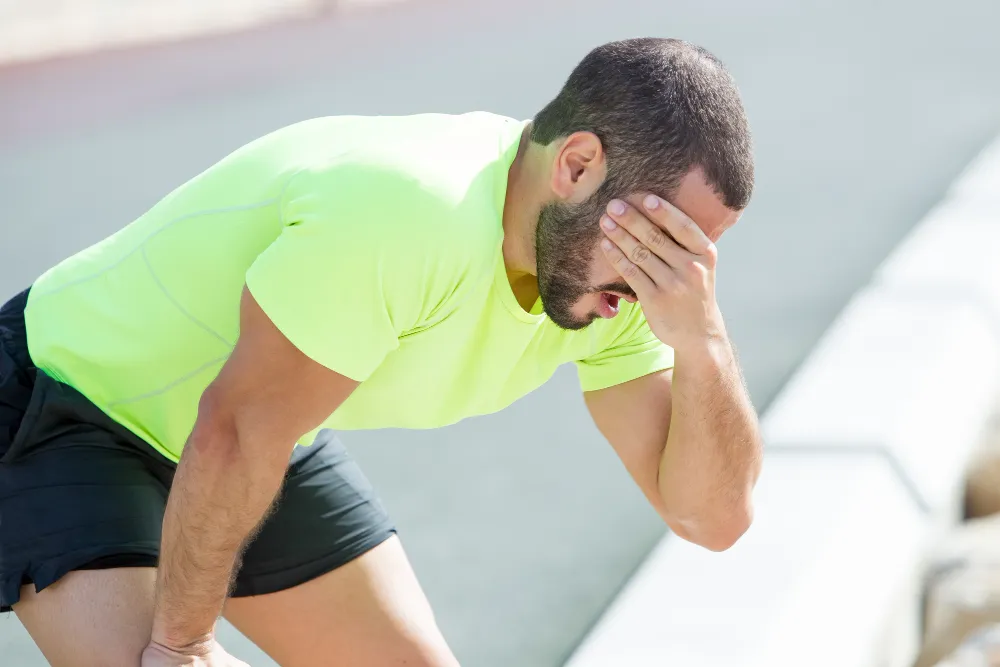
When should you use cold—and when not?
Good times to use
- ✔️ After competitions
- ✔️ Following extreme exertion (e.g., leg day to the limit)
- ✔️ For acute injuries and inflammations
- ✔️ On rest days for recovery
- ✔️ For mental sharpness in the morning
Less advisable
- ❌ Directly after every muscle-building workout
- ❌ When in a constant calorie deficit
- ❌ If warmth and circulation are more important (joint mobility, stretching)
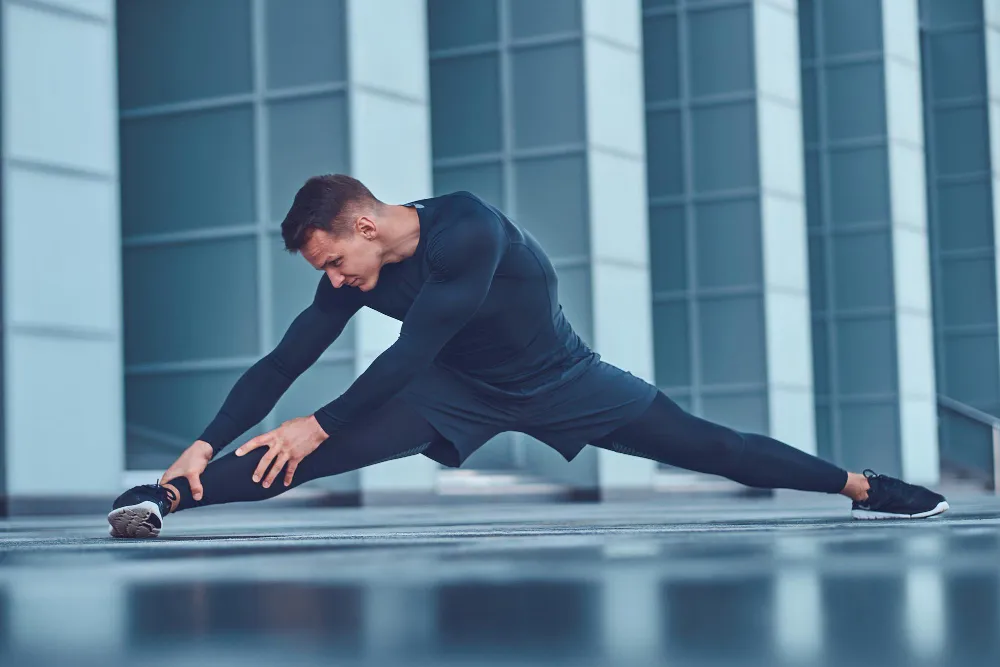
How to apply cold correctly
Ice Baths
- 10–15 minutes
- 8–12 °C
- 2–4 times per week
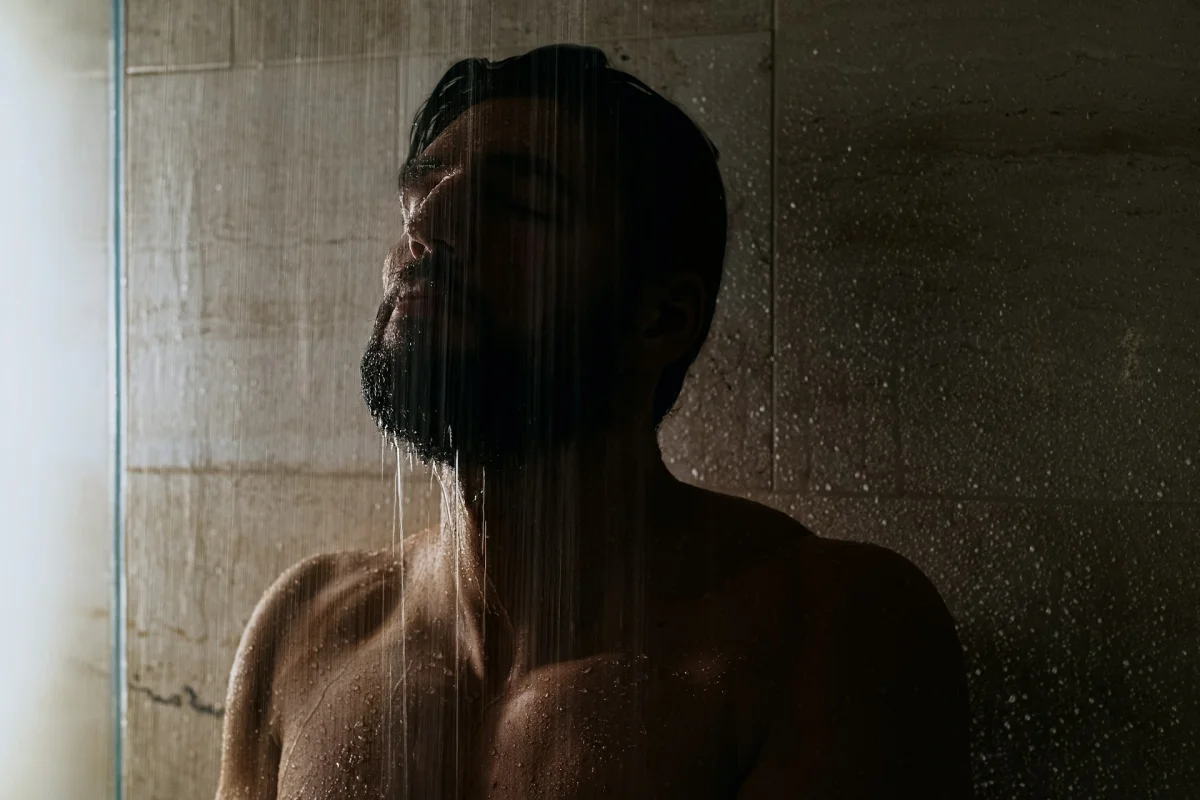
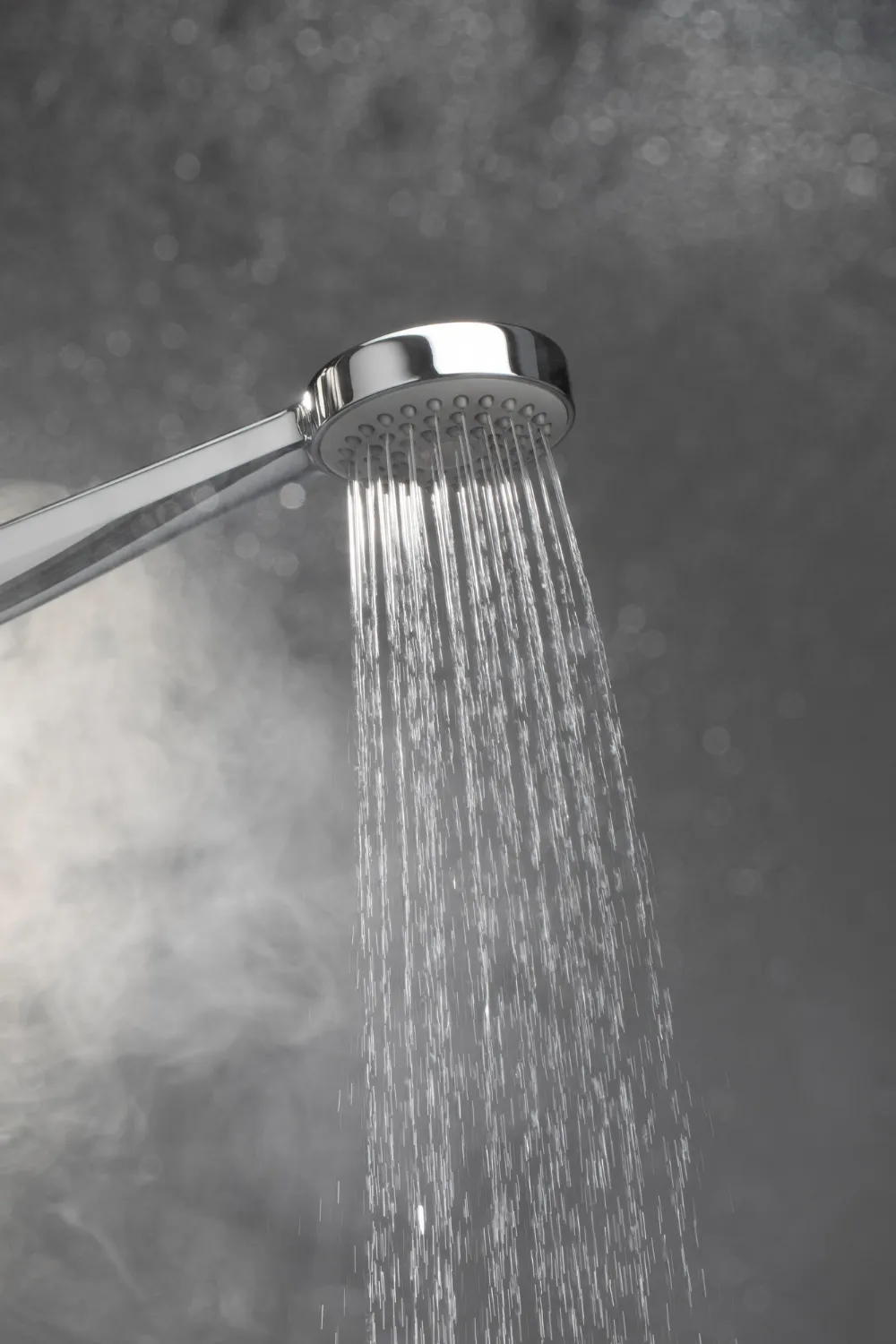
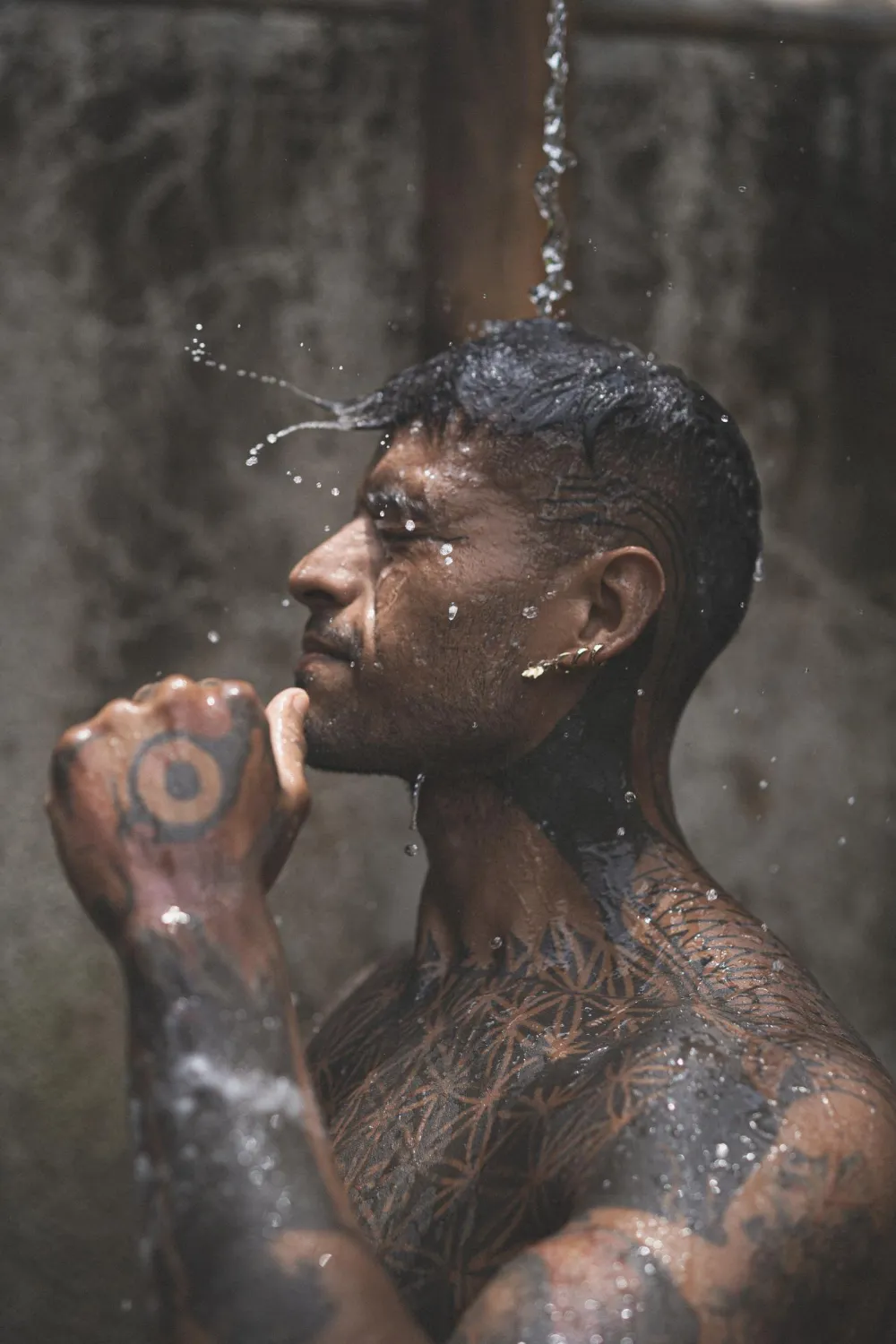
Cold Shower
- 30–90 seconds
- Great for mental focus and immune system
Cryotherapy Chamber
- -110 °C for 2–3 minutes
- Expensive, but effective against inflammation and pain
What about heat?
While cold acts like a reset, heat opens the door to relaxation and circulation.
Saunas, heat packs, or warm baths promote muscle relaxation and mobility.
Comparison: Cold vs. Heat
| Effect | Cold | Heat |
|---|---|---|
| Muscle Soreness | significantly ↓ | mildly ↓ |
| Pain | ↓ | ↓ |
| Inflammation | significantly ↓ | mildly ↑ |
| Muscle Growth | potentially ↓ | potentially ↑ |
| Mobility | ↓ | ↑ |
| Mental Effect | Focus & Alertness | Relaxation |
| Recommendation | Competitions, HIIT, injuries | Strength, stretching, rest days |
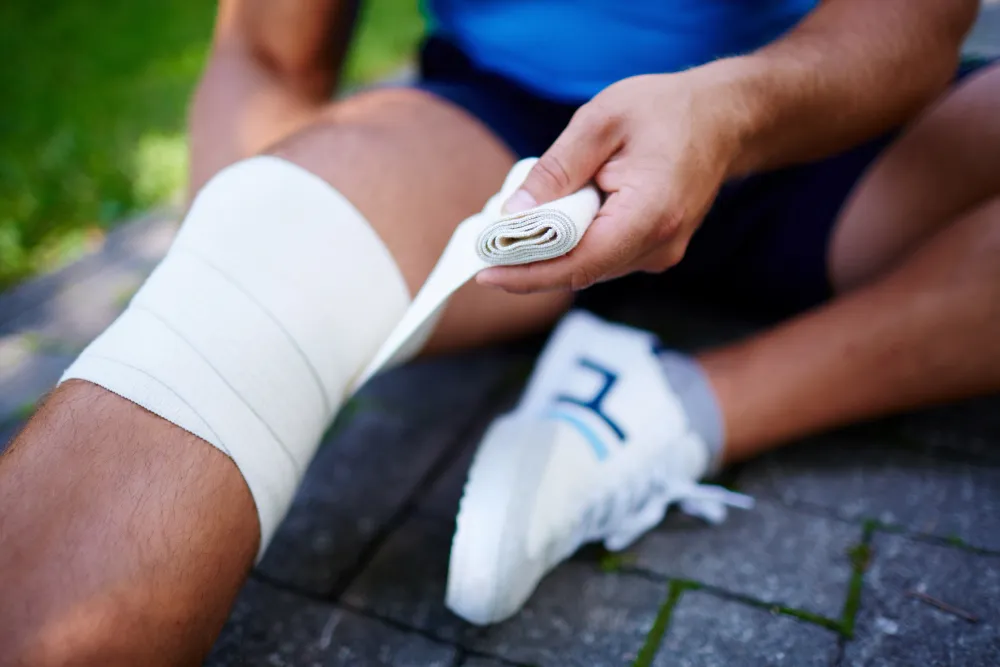
Conclusion
Cold water therapy is neither mere myth nor magical panacea—it is a tool.
Properly applied, it can accelerate recovery, reduce pain, and foster mental resilience.
Misapplied, it can block growth and prevent training adaptations.
The key lies in timing:
- ➡️ For muscle building: Avoid cold right after training, but consider it on rest days or evenings.
- ➡️ For performance & recovery: Ice baths after extreme sessions are invaluable.
- ➡️ For the mind: Cold showers in the morning are a boost for focus, mood, and self-discipline.