Cinnamon is one of those spices that almost everyone knows but hardly anyone truly understands. For many, it is just the scent of Christmas, rice pudding, or cinnamon rolls. In reality, behind the brown powder lies an exciting food with a long tradition, intriguing bioactive components, and a surprising impact on metabolism, blood sugar, and even performance.
This blog takes a holistic look at cinnamon: its origins, varieties, active ingredients, health effects, potential risks, and how you can meaningfully incorporate cinnamon into your daily routine—even as an active individual.
What Exactly Is Cinnamon?
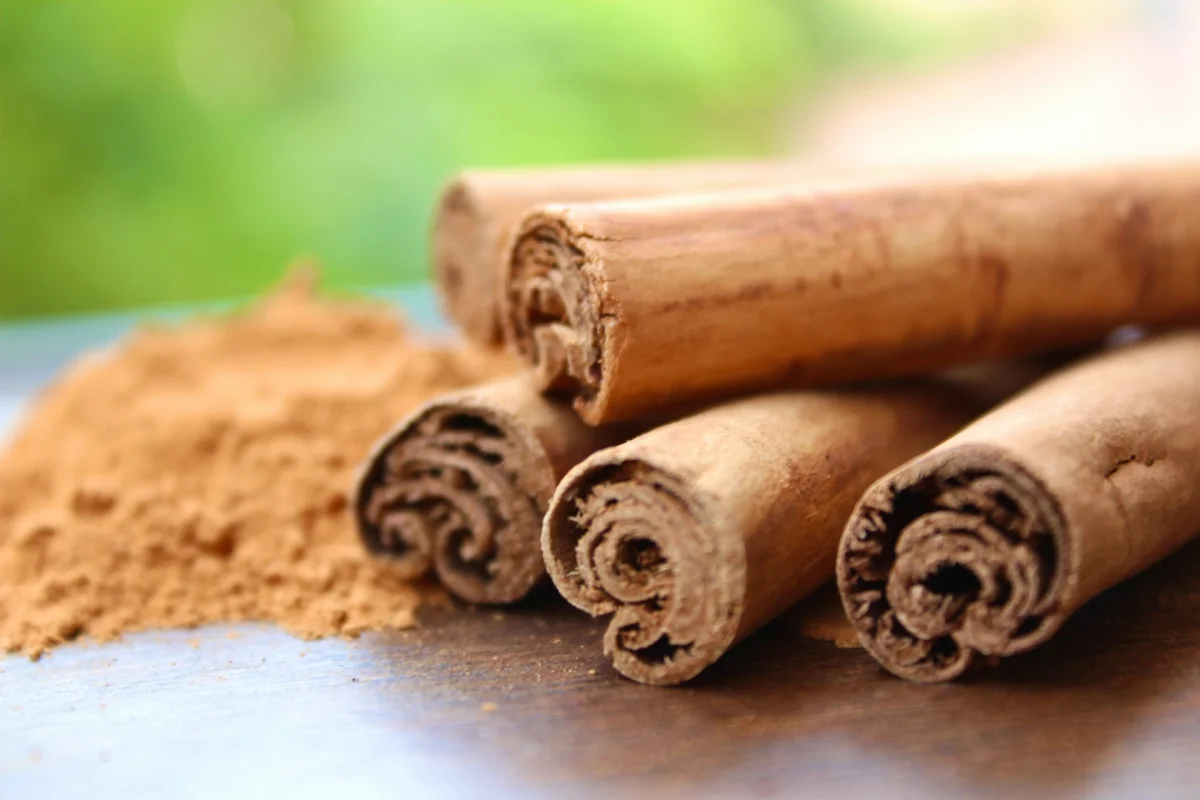
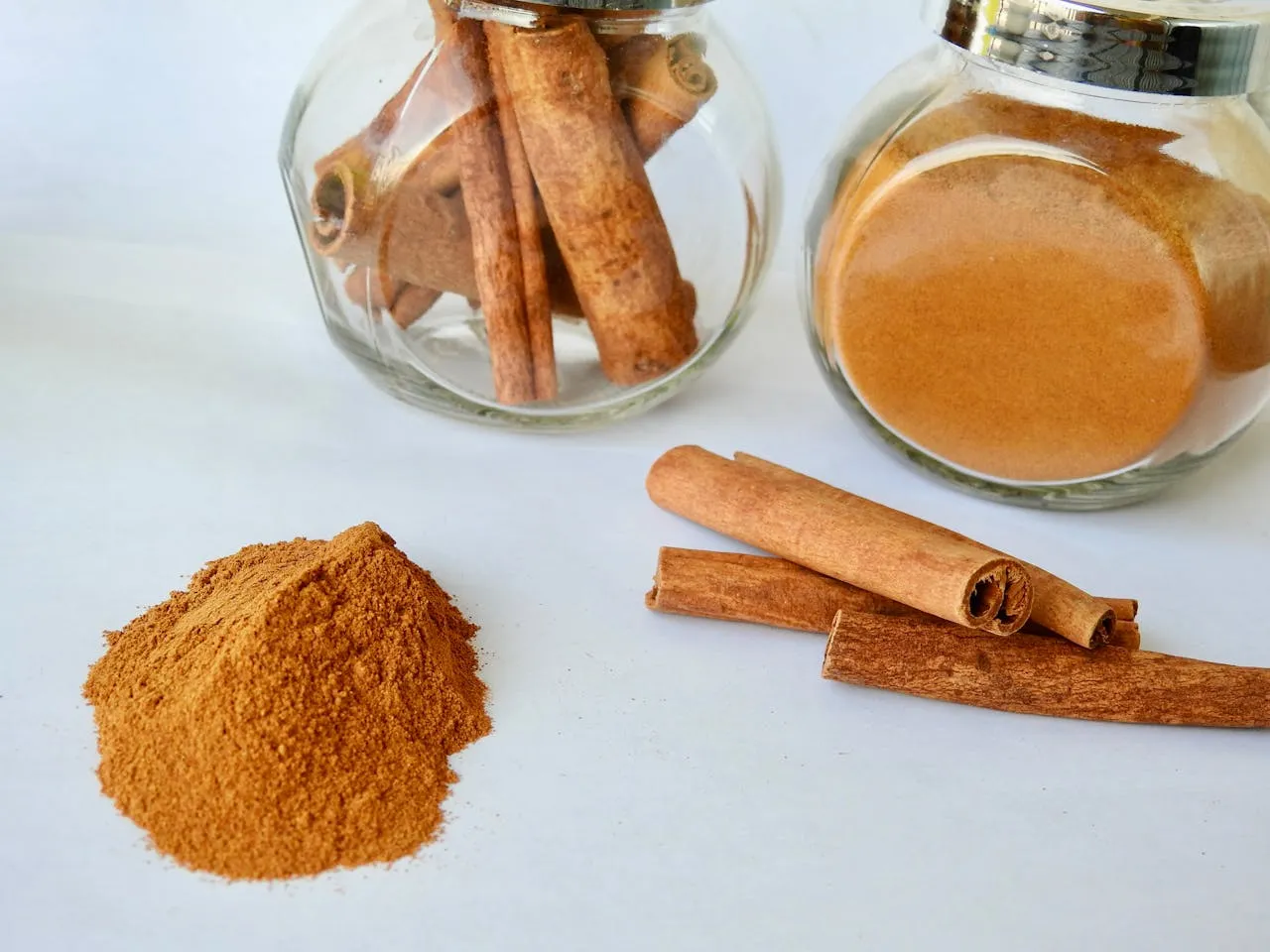
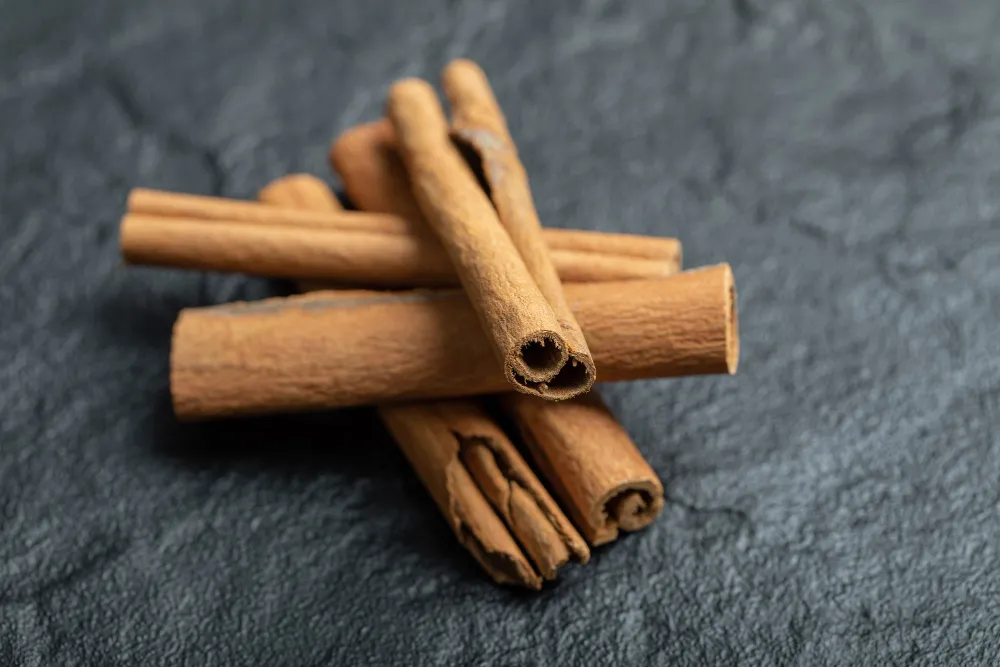
Cinnamon is derived from the inner bark of cinnamon trees, primarily grown in Sri Lanka, India, Indonesia, and China. After peeling, the bark dries and curls into the familiar cinnamon sticks, which are often ground into powder afterward.
Important: Not all cinnamon is the same. There are different varieties that vary significantly in quality, taste, and health benefits.

The Two Main Types of Cinnamon
Ceylon Cinnamon ("True Cinnamon")
- Origin: Sri Lanka
- Taste: mild, slightly sweet
- Color: light brown
- Coumarin Content: very low
- Suitable for: daily consumption

Cassia Cinnamon
- Origin: China, Indonesia, Vietnam
- Taste: strong, spicy
- Color: dark brown
- Coumarin Content: significantly higher
- Suitable for: occasional consumption
Especially when cinnamon is consumed regularly, Ceylon cinnamon is clearly the better choice.

Nutrients and Bioactive Compounds in Cinnamon
Although cinnamon does not provide large quantities of macronutrients, it contains a variety of secondary plant compounds:
- Polyphenols
- Cinnamaldehyde (main active ingredient)
- Eugenol
- Antioxidants
- small amounts of calcium, magnesium, iron
These substances are chiefly responsible for the health effects.
Cinnamon and Blood Sugar – Why It’s So Interesting
Cinnamon is often mentioned in relation to blood sugar regulation—and not without reason.
Potential Effects:
- Improvement of insulin sensitivity
- slower gastric emptying
- lower blood sugar spikes after carbohydrate-rich meals
Especially for people with significant blood sugar fluctuations, cravings, or during dieting phases, cinnamon can be a small but meaningful lever.

Cinnamon in Fitness and Weight Loss Context
Cinnamon is not a fat burner—but it can be supportive.
Potential Benefits:
- more stable energy levels
- less frequent cravings
- better carbohydrate utilization
- pleasant flavor without calories
Cinnamon is especially popular in:
- oatmeal
- protein shakes
- yogurt & quark
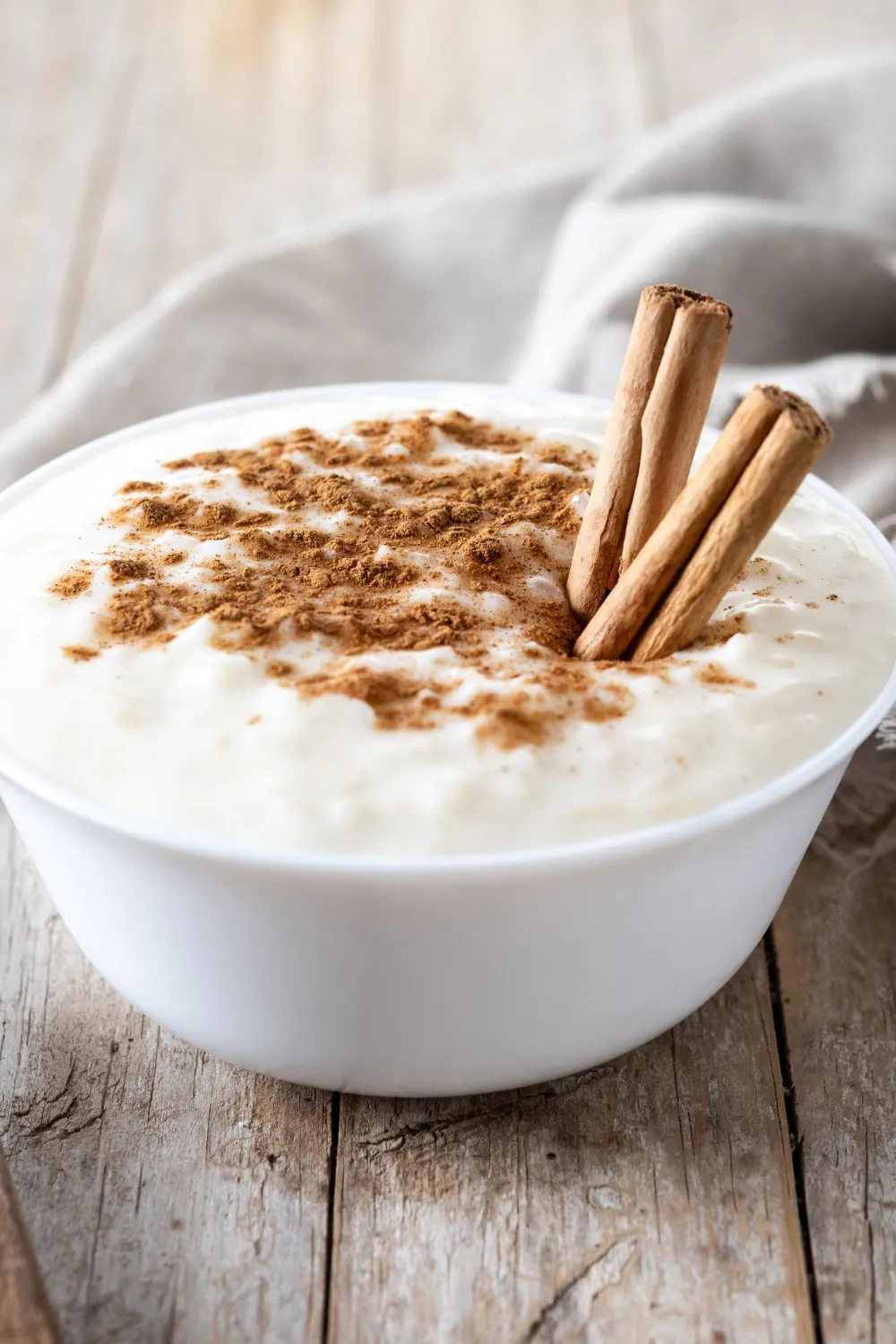
- rice dishes
Antioxidative and Anti-inflammatory Properties
The contained polyphenols have antioxidant effects and can help reduce oxidative stress. This is particularly relevant for athletes, as intense training increases the formation of free radicals.
Cinnamon can:
- mildly dampen inflammation processes
- indirectly support recovery
- reduce cellular stress
It doesn't replace a balanced diet but can complement it meaningfully.
Cinnamon and Digestion
Traditionally, cinnamon is also used for digestive issues.
Possible Effects:
- antispasmodic
- slightly antibacterial
- support in dealing with bloating
- stimulating gastric activity
Especially after heavy meals, a small amount of cinnamon can be soothing.

Caution: Coumarin – Why the Type Matters
Coumarin is a natural plant compound that can be toxic to the liver in high amounts. Cassia cinnamon, in particular, contains meaningful quantities of it.
Therefore, the rule is:
- daily cinnamon consumption → Ceylon cinnamon
- avoid high quantities of Cassia cinnamon
- especially important for children and sensitive individuals
Cinnamon in the Kitchen – Practical Ideas
Cinnamon doesn’t have to be sweet. It also complements savory dishes wonderfully.
Ideas:
- oatmeal with cinnamon and berries
- quark with cinnamon and nuts
- rice with cinnamon and cardamom
- oriental meat or vegetable dishes
- coffee or tea with a pinch of cinnamon

Overview: Cinnamon at a Glance
| Area | Effect / Property |
|---|---|
| Blood Sugar | can have a stabilizing effect |
| Metabolism | supports insulin action |
| Antioxidants | high |
| Calories | practically none |
| Risk | coumarin in the wrong variety |
| Everyday Life | easily integrable |
Conclusion
Cinnamon is much more than a simple spice. When used correctly—especially in the form of Ceylon cinnamon—it can be a valuable addition to a health-conscious diet. It does not impress with miraculous effects but with small yet consistent benefits for blood sugar, digestion, and enjoyment. It is this combination that makes it so valuable.