Blueberries – The Underrated Superfruit for Athletes
Approx. 3 min read374 Views
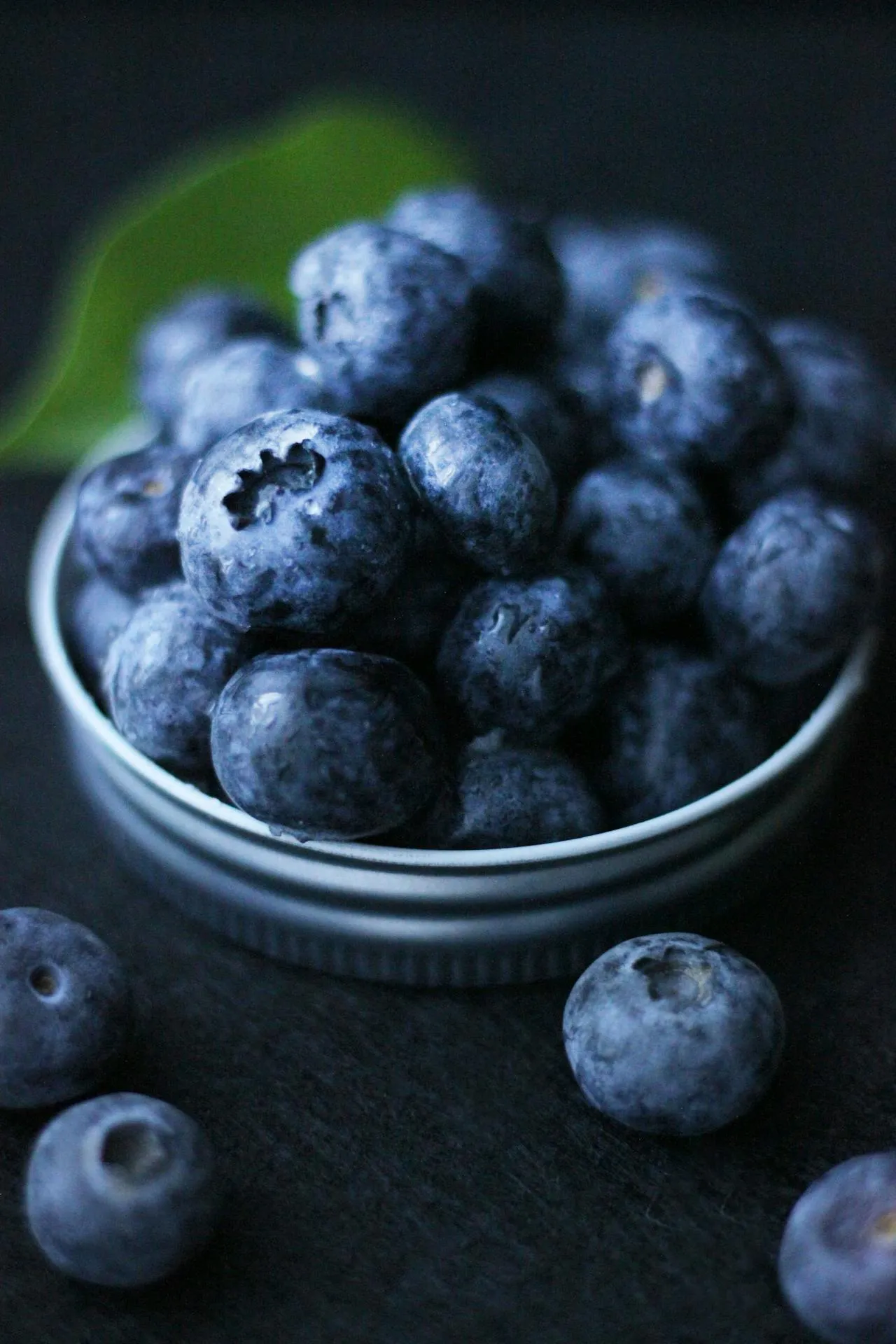
Anyone who trains regularly knows: the right nutrition determines recovery, performance, and long-term success. While protein powders and creatine have long been staples on the fitness shelf, a true secret weapon dwells in the shadows: the blueberry. Small, round, and violet – yet their effect on the body is tremendous. In this blog, you will discover why blueberries are more than just a tasty snack for athletes and how they can specifically support your performance, recovery, and even muscle protection.
Blueberries – Nutrient Powerhouses in Miniature Form
Blueberries pack an impressive combination of micronutrients, antioxidants, and phytochemicals into a small package, making them particularly interesting for physically active people. Notably:
Anthocyanins: secondary plant compounds with strong antioxidant effects
Vitamin C: boosts the immune system and supports collagen synthesis
Vitamin K: important for blood clotting and bone health
Manganese: essential for energy metabolism and antioxidant processes
Fiber: promotes gut health
Antioxidative Protection Against Training Stress
Intense training produces more free radicals – aggressive molecules that can damage cells and slow down recovery. That’s where blueberries come in: the anthocyanins they contain have strong antioxidant properties and help the body to reduce oxidative stress more quickly. Studies show that athletes who regularly consume blueberries exhibit less muscle damage and inflammatory markers after strenuous sessions.
Recovery at a New Level
After tough sessions, recovery is crucial. A study from the University of Reading (2012) demonstrated that consuming blueberries before and after training can promote the rebuilding of damaged muscle structures and significantly shorten the recovery time. The anti-inflammatory effects also accelerate the reduction of muscle soreness – a real advantage in intensive training plans or competition preparations.
Blueberries and Endurance: An Underestimated Booster?
Reaching for the berry also pays off for endurance athletes. Research, including studies published in the Journal of the International Society of Sports Nutrition, suggests that blueberry extracts can improve oxygen utilization in muscles and enhance cardiovascular performance. The result: increased endurance and improved efficiency during longer phases of exertion – all without synthetic aids.
Effects on Muscles: Protection and Growth
Blueberries don't act directly as an anabolic – they don’t build muscle like protein does. But they protect what you have painstakingly developed in training. Their cell-protective effect prevents microstructural muscle damage and maintains the quality of your muscle mass. At the same time, they improve capillary blood flow, positively influencing muscle growth and nutrient supply.
Incorporating Blueberries into the Daily Life of Athletes
Scroll sideways if needed to see all columns.
Application
Description
Before Training
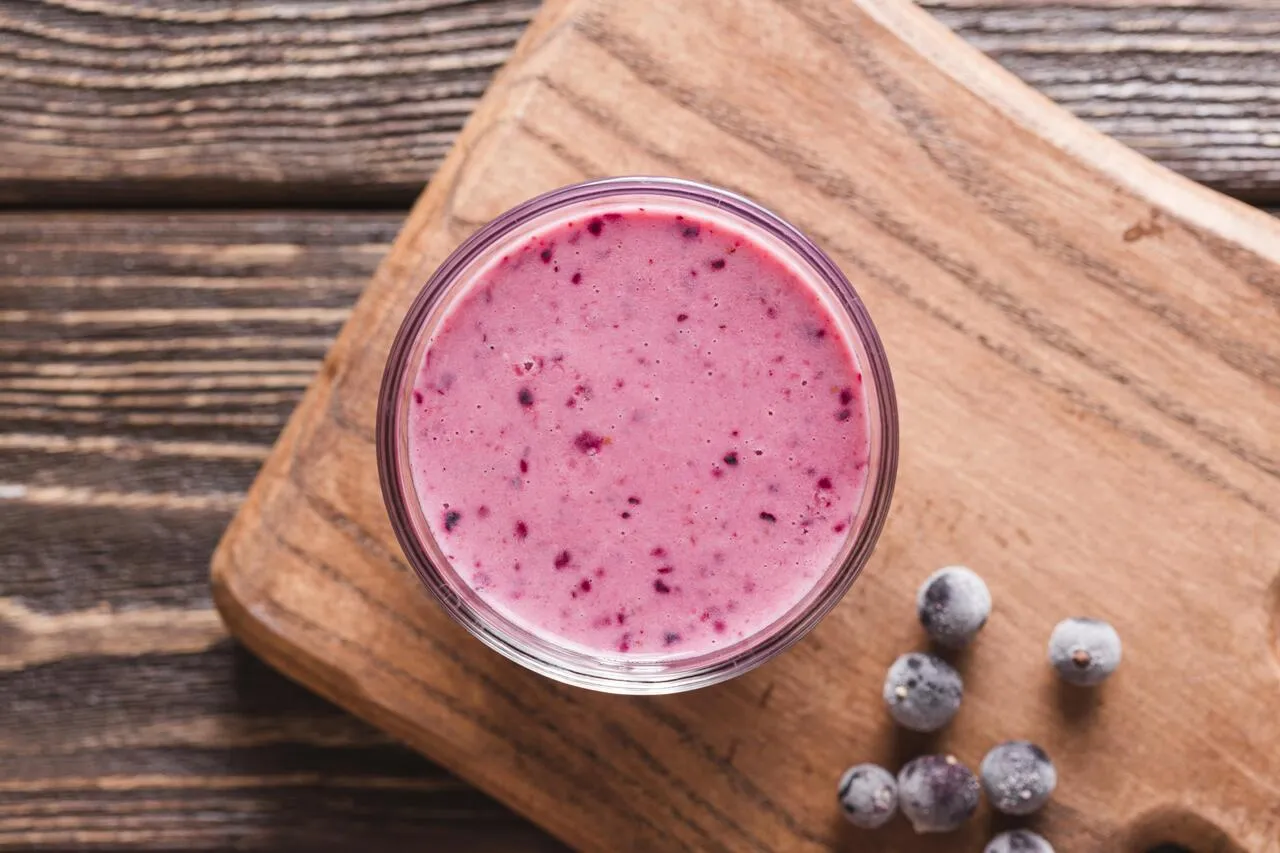
Smoothie with banana, oats, blueberries – provides energy & protection
After Training
Blueberry quark or yogurt – promotes recovery & muscle relaxation
In Competition Phases
Daily consumption (e.g., 150g) recommended to lower inflammation levels
Combined with Protein
Whey + blueberries: better absorption and antioxidant additional benefit
Frozen or Fresh
Both effective – frozen berries often richer in nutrients due to flash freezing
Scientifically Proven
McLeay et al. (2012): Showed reduced muscle soreness following blueberry consumption in endurance athletes
Trombold et al. (2010): Observed faster strength restoration after intense resistance training
Noreen et al. (2010): Improved endurance performance with blueberry smoothie before training
Conclusion: Small, but Mighty
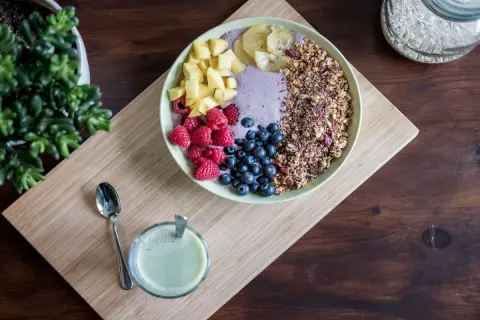
Blueberries are far more than a tasty superfood for Instagram bowls. Their potent antioxidant effects, anti-inflammatory properties, and positive impact on recovery and performance make them an indispensable companion in sports daily life. Especially at high training intensities or in preparation for competitions, they can make the crucial difference. So, those who want to train smart should eat smart – and incorporate blueberries regularly.