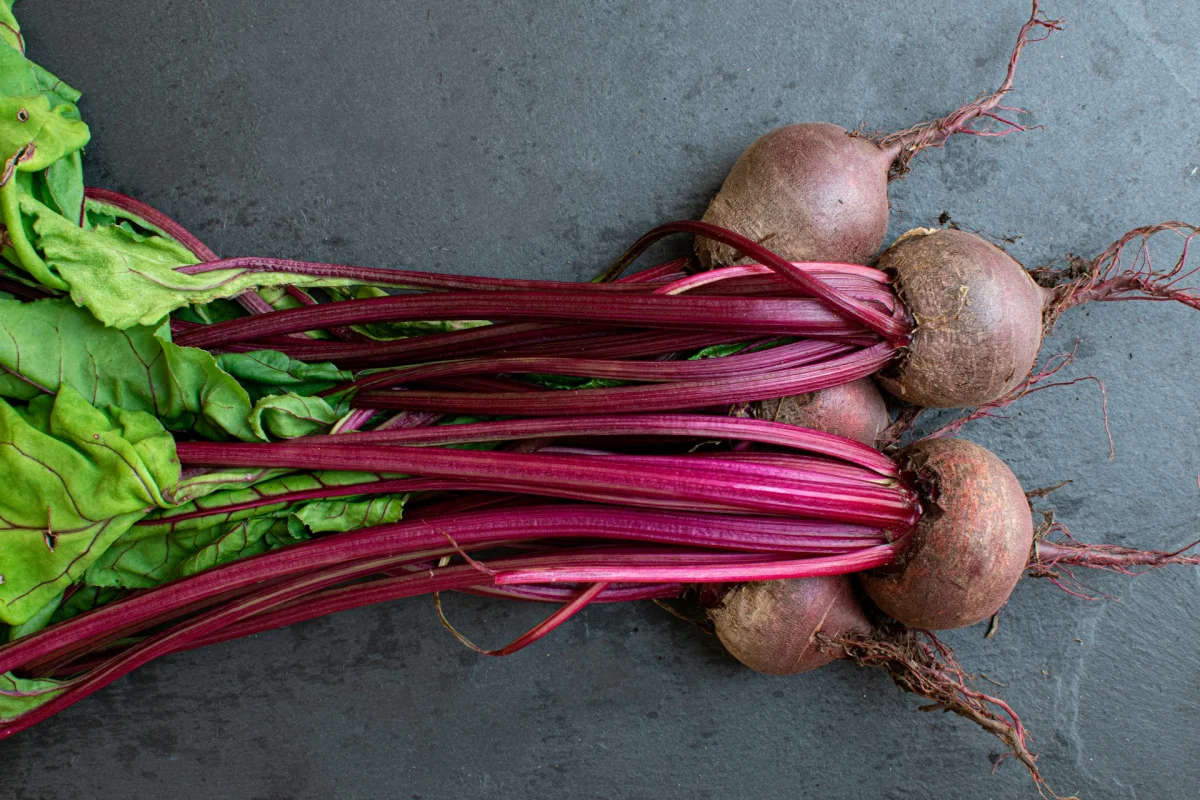
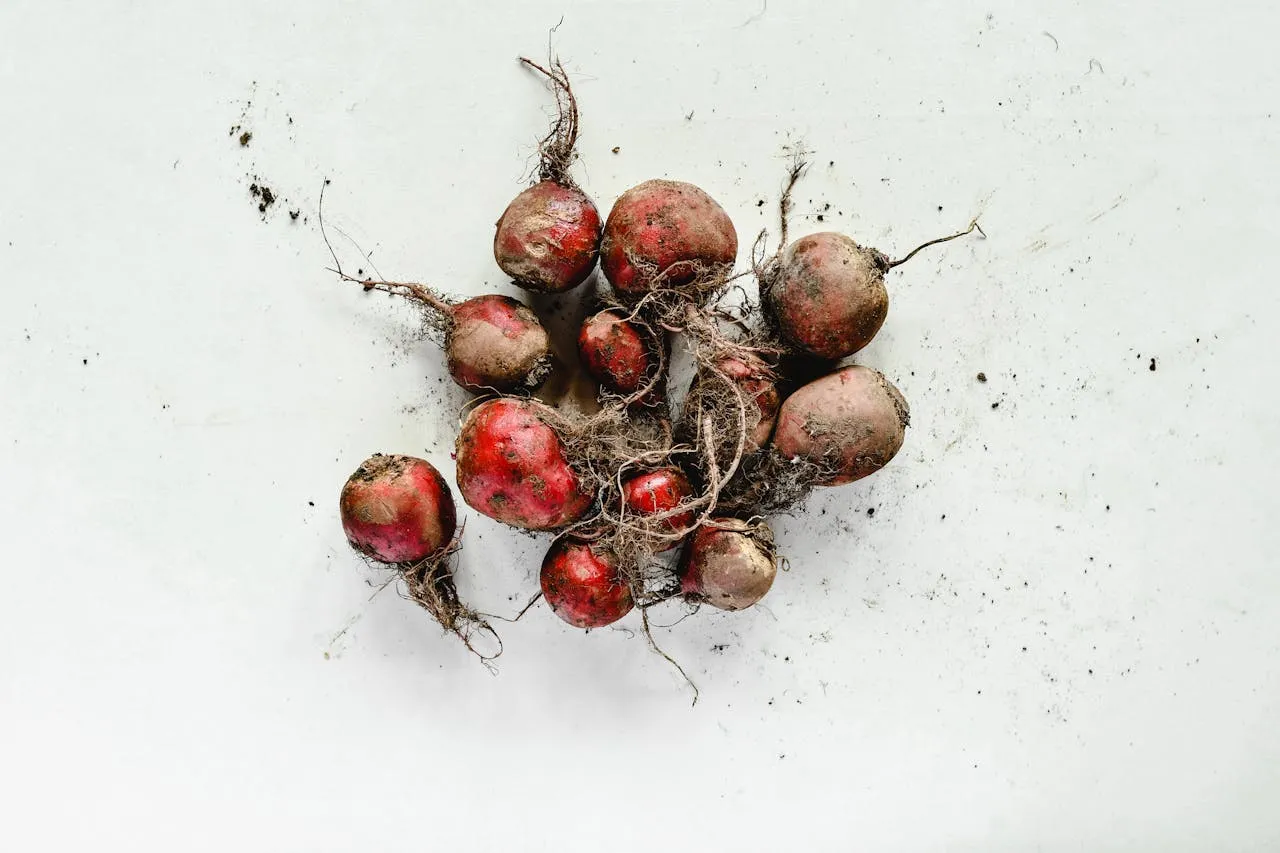
The beetroot is more than just a vividly red winter vegetable – it is a true superfood with numerous health benefits and a versatile use in the kitchen. In this blog post, we will take a closer look at the advantages, the history, and the preparation of this remarkable vegetable.
Origin and History
The beetroot (Beta vulgaris) originally comes from the Mediterranean region and was already appreciated in antiquity by the Greeks and Romans. Initially, they cultivated the plant mainly for its leaves, but later discovered the benefits of the root tuber.
During the Middle Ages, beetroot made its way to Northern Europe through trade routes and became a staple in their diet. It was particularly valued among the rural population as a nutrient-rich and well-storable food for winter. In traditional medicine, beetroot was esteemed for its blood-purifying and digestive-supporting properties.

Health Benefits of Beetroot
Beetroot is rich in vitamins, minerals, and secondary plant compounds that have numerous positive effects on health:
Rich in Nutrients: The tuber contains important vitamins such as vitamin C, folic acid, and B vitamins, as well as minerals like potassium, iron, and magnesium. These substances support many bodily functions, including blood formation, energy metabolism, and the immune system.
Supports Circulation: The high nitrogen content promotes the formation of nitric oxide, which dilates blood vessels and improves circulation. Studies show that beetroot can enhance athletic performance and lower blood pressure.
Good for Digestion: The fiber contained in beetroot supports healthy intestinal function. It promotes the growth of beneficial gut bacteria and helps prevent constipation.
Anti-Inflammatory: Secondary plant compounds, particularly betaine, have anti-inflammatory properties and can prevent chronic diseases such as cardiovascular diseases or diabetes.
Immune System Support: With its high vitamin C content, beetroot strengthens the immune system and protects the body against infections.
- Detox Effect: The detoxifying properties of beetroot help the liver remove toxins from the body. It is particularly popular in detox programs.
Versatile Use in the Kitchen
Beetroot is a culinary multitasker. It can be prepared in various ways and combined with other ingredients. Here are some ideas:
Raw: Finely grated as a refreshing salad with apples and walnuts. The combination of sweetness and nutty flavors makes this dish particularly delicious.
Cooked: In soups like the classic Russian borscht. The soup is particularly warming and nutrient-rich.
Baked: As roasted vegetables with a splash of olive oil, thyme, and rosemary. Baked beetroot becomes wonderfully sweet and caramelized.
Pickled: Pickled in vinegar as a side dish. In German and Scandinavian cuisine, pickled beetroot slices are very popular.
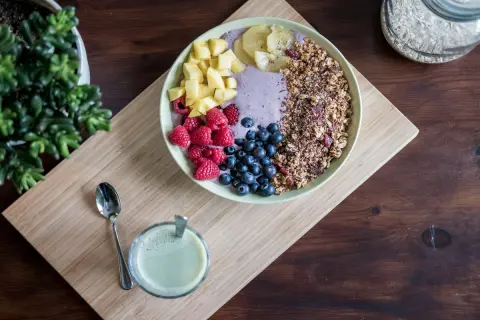
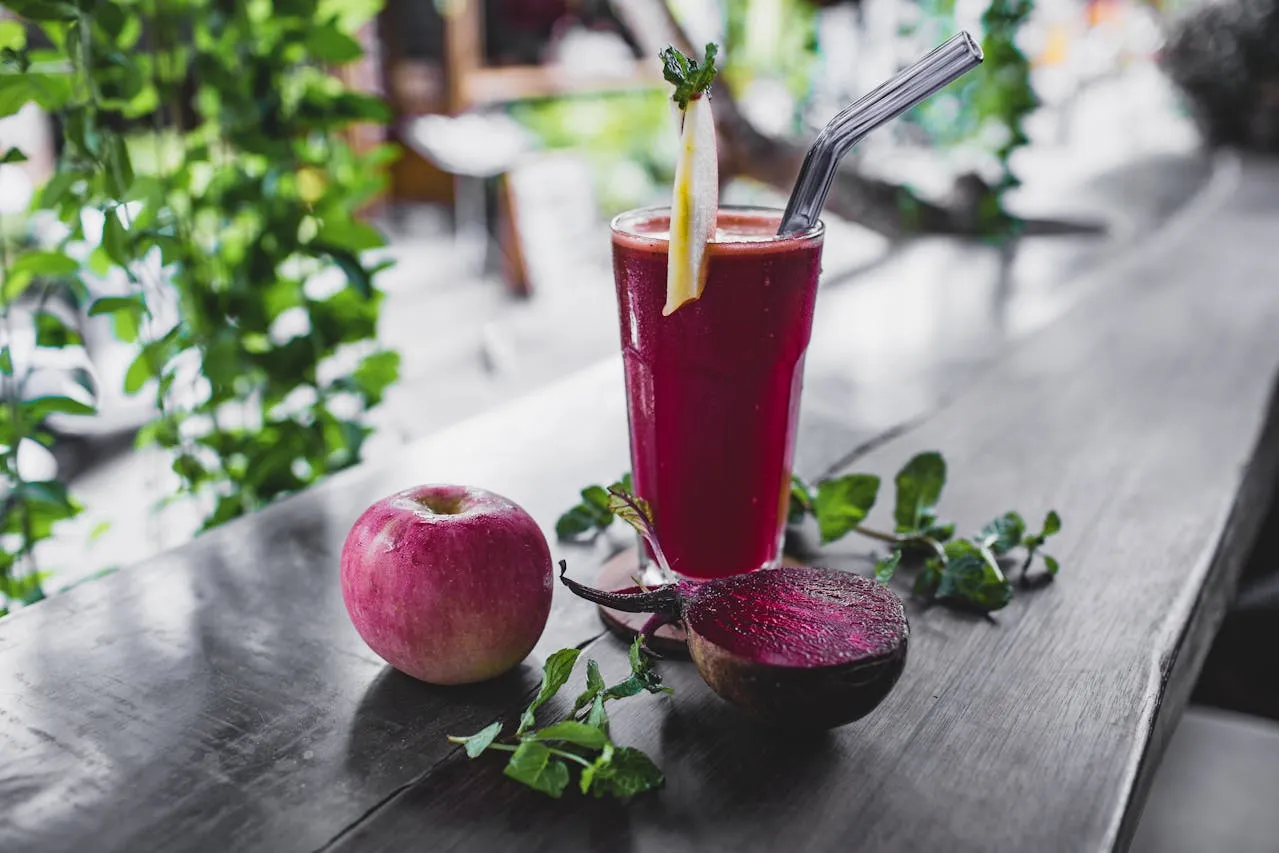
Smoothies: In combination with fruits such as oranges or berries for a healthy energy boost. The intense flavor of beetroot is balanced by the fruitiness of the other ingredients.
Chips: Beetroot chips are a healthy alternative to potato chips. Simply slice thinly, season, and bake in the oven.
- Puree: A silky beetroot puree is a wonderful side dish to meat or fish dishes.
A special tip: Combine beetroot with goat cheese, honey, and arugula for an exquisite salad. The sweetness of the beetroot harmonizes perfectly with the creaminess of the cheese and the spiciness of the arugula.
Sustainability and Cultivation
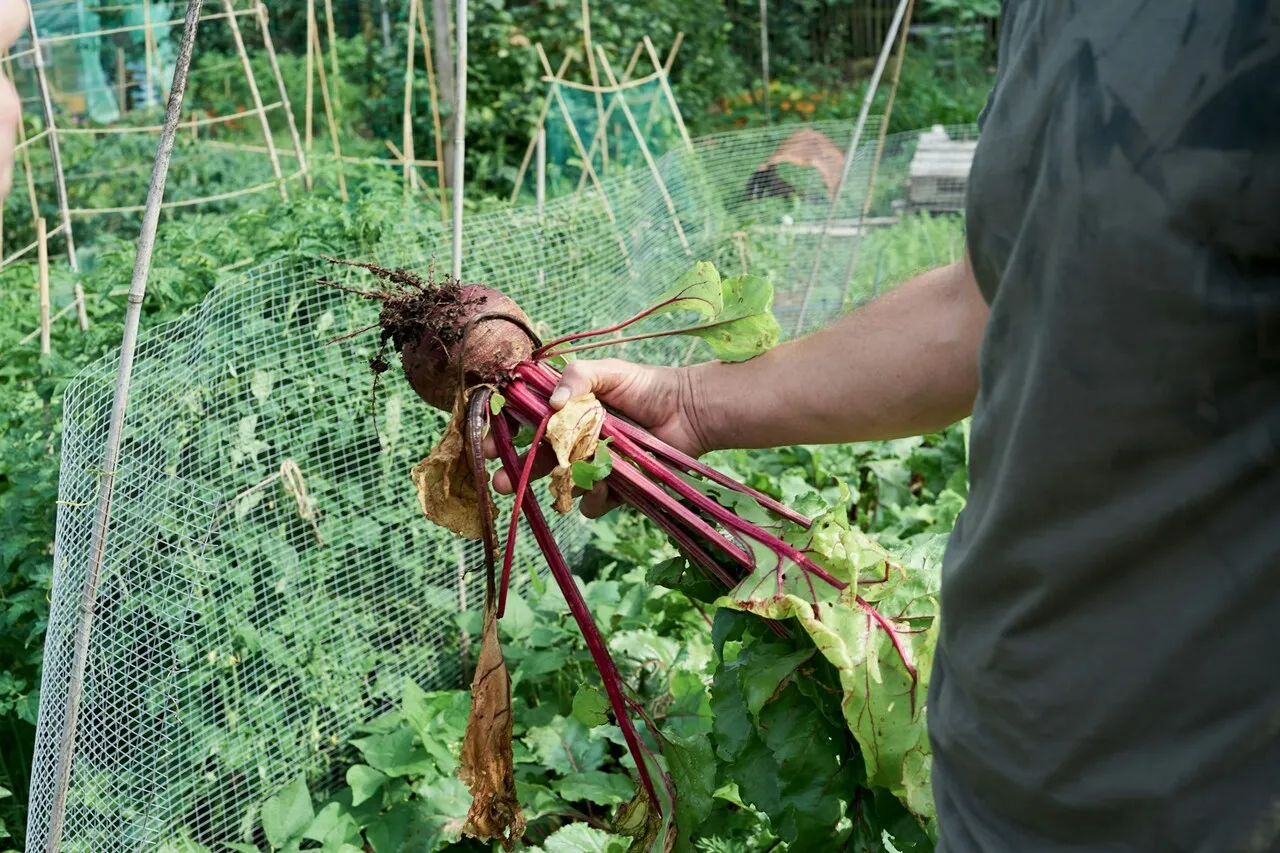
Beetroot is an easy-to-cultivate vegetable that can be grown effortlessly in home gardens. It requires little fertilizer and water, making it an eco-friendly choice. Moreover, it can be stored for months, which keeps it available even outside of the harvest season.
Growing in the garden is uncomplicated: Seeds can be sown directly into the bed. It prefers loose, nutrient-rich soils and a sunny to partially shaded location. After about three to four months, the tuber is ready for harvest. The young leaves of beetroot are also edible and can be prepared like spinach.
Beetroot in Culture
In many cultures, beetroot also has symbolic meanings. In Eastern Europe, it is often associated with prosperity and health. In modern nutrition, it plays an important role as a trendy vegetable. Its vibrant red color also makes it an eye-catching highlight on any plate.

Conclusion
Whether as a side dish, main course, or ingredient in creative recipes – beetroot is a versatile and healthy vegetable that should be a staple in every kitchen. With its numerous health benefits and simple preparation, it can help us maintain a balanced and sustainable diet.
With its rich history, diverse health benefits, and countless uses, beetroot is a true all-rounder. So why not try a new beetroot recipe right away? Let yourself be inspired and discover the variety of this amazing vegetable.