When temperatures rise and the sun graces the sky for many hours, the strain on our bodies shifts significantly. Particularly in summer, humans lose considerably more fluids than on cooler days. Whether during a walk, in the office, strength training, or running, the body is constantly attempting to regulate its temperature. It primarily utilizes one mechanism for this: perspiration.
However, many people underestimate how quickly a fluid deficit can arise. Even a slight loss of water can impair physical and mental performance. Concentration issues, headaches, fatigue, or a decrease in training performance are often the first warning signs. If the fluid deficit is not balanced, it can lead to serious dehydration, which can be particularly dangerous in high outdoor temperatures.
Adequate fluid intake is especially crucial for athletes. Water transports nutrients, regulates body temperature, supports metabolism, and ensures that muscles, joints, and organs function optimally. Therefore, sufficient hydration in summer is among the most important health measures.
Why Water is Indispensable for the Human Body
The human body consists of about 50 to 70 percent water, depending on age, gender, and body composition. Particularly muscles contain a high water content, which is why physically active people especially benefit from adequate fluid intake.
Water performs numerous vital tasks. It transports oxygen and nutrients to the cells, facilitates chemical reactions in the metabolism, supports digestion, and aids the kidneys in eliminating metabolic waste. At the same time, water protects our joints, moistens mucous membranes, and ensures that blood stays sufficiently fluid.
Without water, not a single body cell could function long-term. Therefore, after a short time without fluid intake, the body begins to conserve water and adjust essential functions.
What Happens to the Body in the Heat?
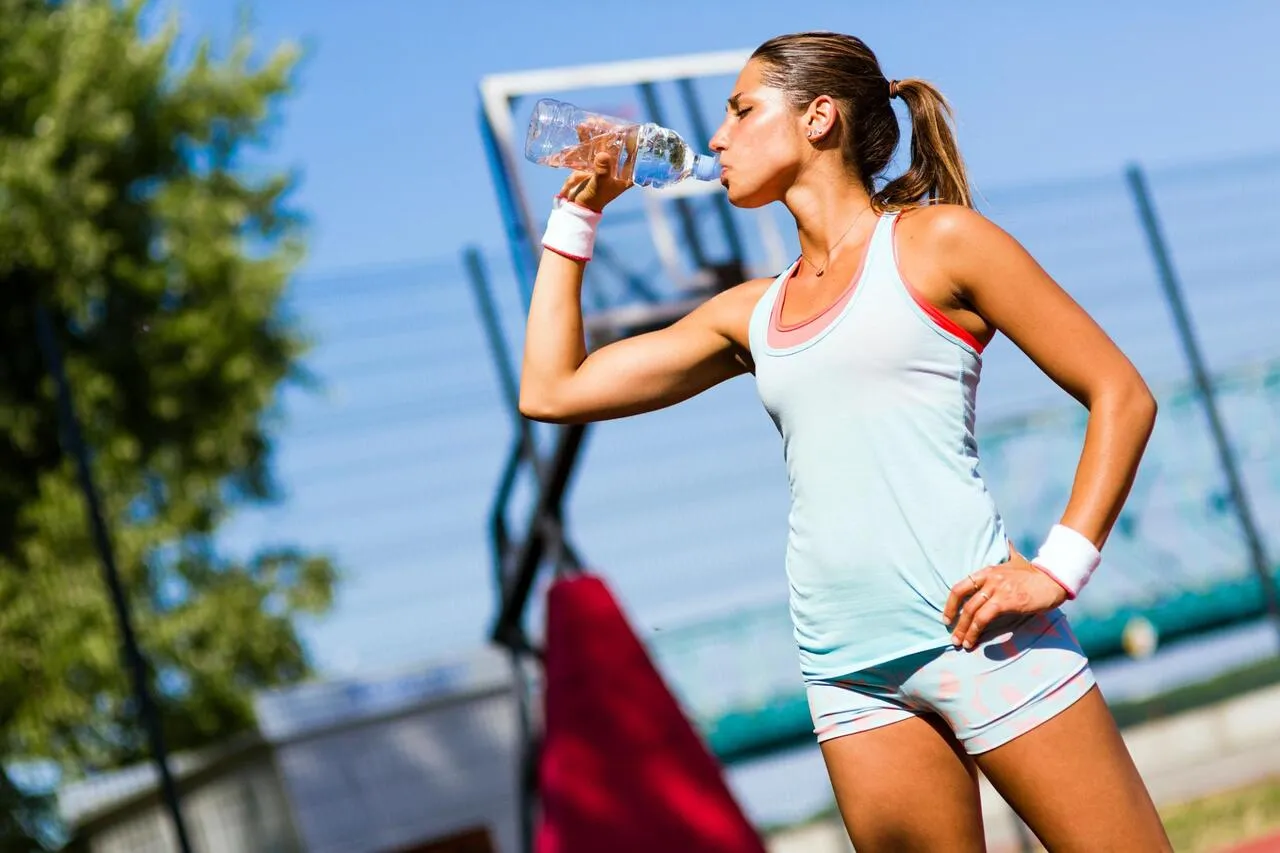
As outdoor temperatures rise, body temperature also increases. To keep it as constant as possible at around 37°C, the body activates various cooling mechanisms.
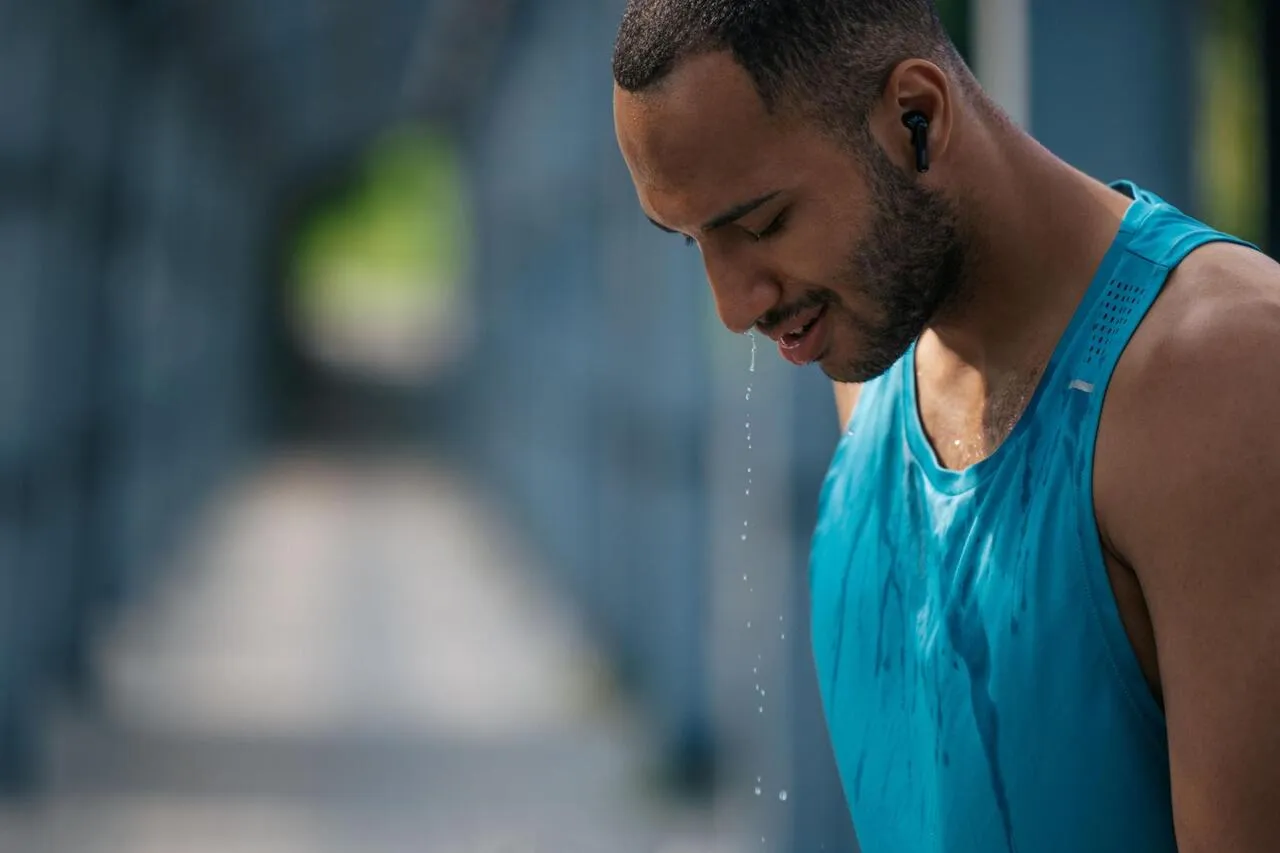
The most important cooling system is sweating. When sweat evaporates on the skin, heat is released, and the body cools down. This process is vital, yet it requires large amounts of water and minerals.
The hotter the environment and the more intense the physical activity, the greater the fluid loss. On particularly hot summer days, adults can lose several liters of sweat. During long training sessions or physical work in the sun, even much higher values are possible.
Sweat also leads to losses of electrolytes such as sodium, potassium, magnesium, and chloride, which are responsible for muscle contraction, nerve function, and fluid balance.
What is Dehydration?
Dehydration occurs when the body loses more fluid than it takes in. Consequently, the available body water decreases and crucial physiological processes can no longer proceed optimally.
Even a slight fluid loss can have noticeable effects.
| Fluid Loss | Possible Effects |
|---|---|
| 1–2% of body weight | Thirst, concentration difficulties, decline in performance |
| 2–3% | Headaches, fatigue, reduced endurance |
| 3–5% | Dizziness, muscle cramps, significantly reduced physical performance |
| over 5% | Circulatory problems, overheating, medical emergency |
This condition can occur faster in summer than many assume.
Early Signs of Fluid Deficiency
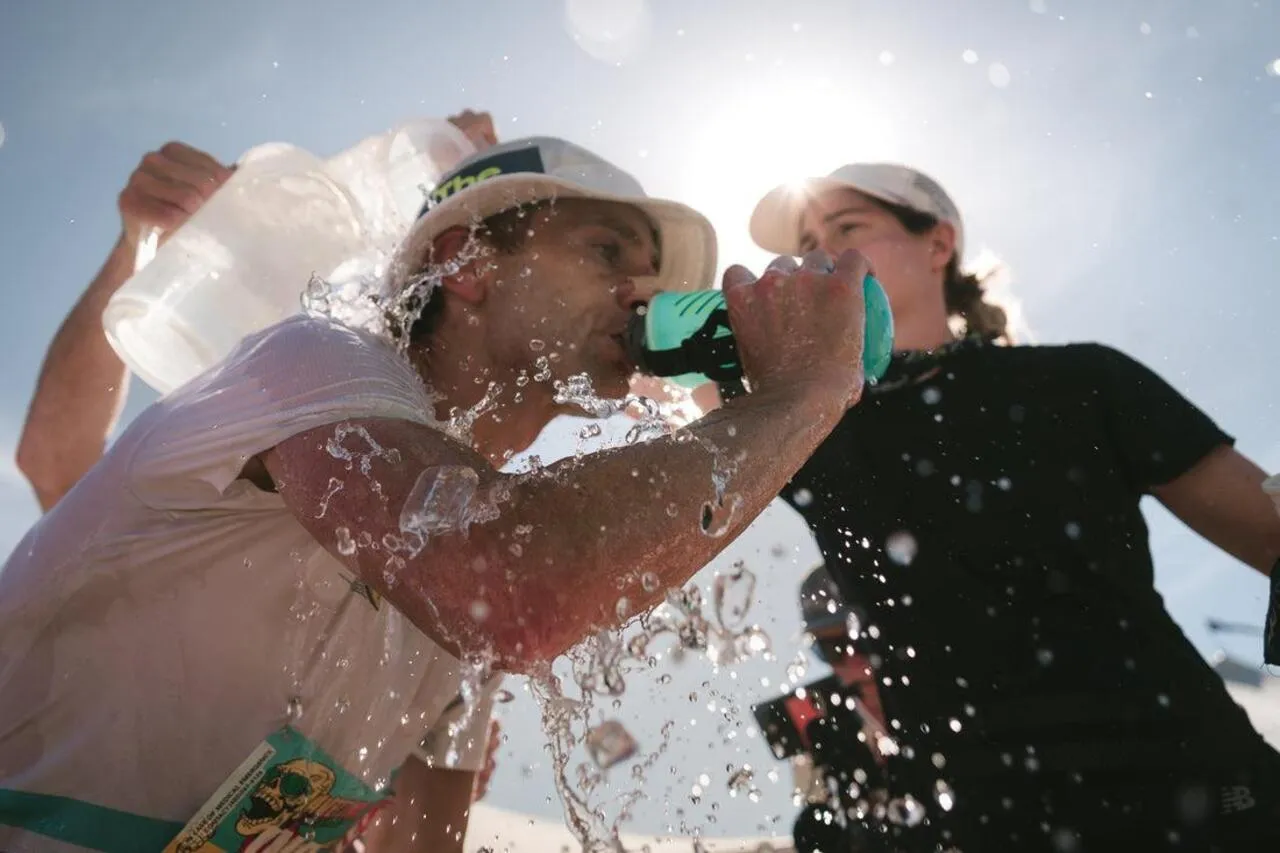
The body sends early warning signs when it lacks water. Unfortunately, these are often ignored or mistaken for general fatigue.
Typical symptoms include a dry mouth, excessive thirst, dark urine, concentration issues, headaches, fatigue, and a general feeling of weakness.
With increasing fluid deficiency, dizziness, muscle cramps, a rapid heartbeat, and circulatory problems may occur. Older adults and children often feel thirst much later and thus belong to the risk groups.

Why Dehydration Deteriorates Athletic Performance
Many athletes invest a lot of time in training and nutrition but pay too little attention to their fluid intake. Water is one of the most important performance-enhancing factors of all.
A fluid loss of about two percent of body weight can significantly reduce endurance performance. At the same time, heart rate increases because the heart has to work harder to supply the body with sufficient oxygen.
Muscle strength also suffers from fluid deficiency. Muscles consist largely of water. Without fluid, their function deteriorates, leading to premature fatigue, reduced strength development, and an increased risk of muscle cramps.
Moreover, concentration ability decreases, increasing the risk of injuries, especially during technically demanding exercises or training with heavy weights.

Effects on the Brain and Concentration
The brain is extremely sensitive to changes in the water balance.
Even slight fluid deficiency can impair attention, reaction speed, and memory performance. Many people feel more irritable, unfocused, or quickly exhausted.
Studies also show that even slight dehydration can negatively affect mood. Tasks seem more strenuous while mental performance decreases.
Therefore, it is worthwhile to drink water regularly instead of waiting until you are very thirsty, especially in summer or during long workdays.
Water and Muscle Growth
Water plays a significantly greater role in muscle growth than often assumed.
Adequate hydration supports the transport of amino acids, glucose, and oxygen into muscle cells. At the same time, metabolic waste is removed more quickly.
A well-hydrated body can perform training sessions with higher quality, facilitating long-term better training stimuli.
Furthermore, water supports numerous metabolic processes essential for recovery and muscle growth.
Water and Fat Loss
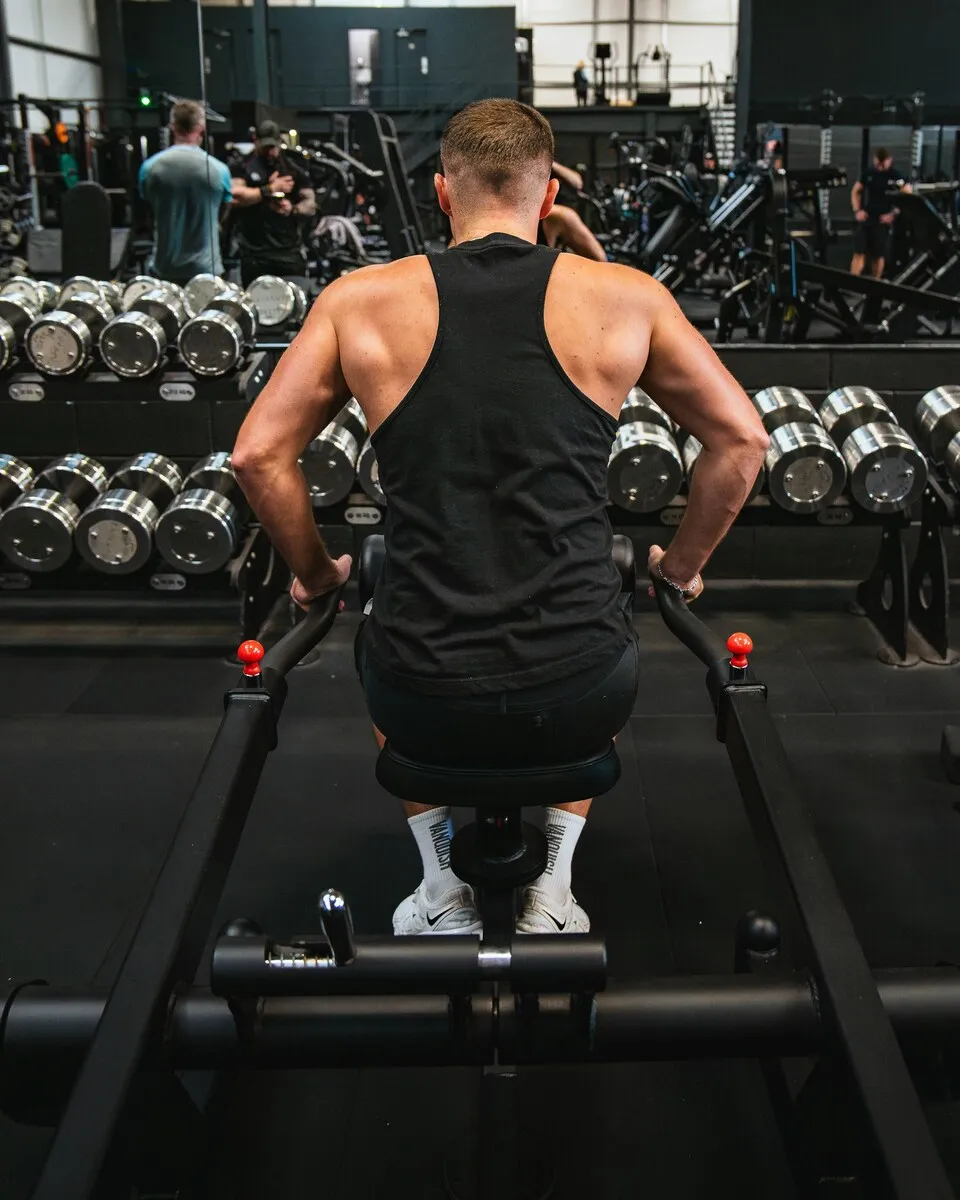
Those seeking to reduce body fat should also pay attention to adequate fluid intake.
Water contains no calories and can help improve satiety. Many people confuse thirst with hunger, leading them to eat more, even though the body actually needs fluid.
Moreover, numerous metabolic processes involved in fat metabolism only function optimally with sufficient hydration.
While water alone does not cause weight loss, it supports many processes important for losing weight.
How Much Water Should One Drink in Summer?
There's no universally valid drinking amount, as the need depends on numerous factors.
These include:
- Body weight
- Outdoor temperature
- Humidity
- Physical activity
- Training duration
- Diet
- Health condition
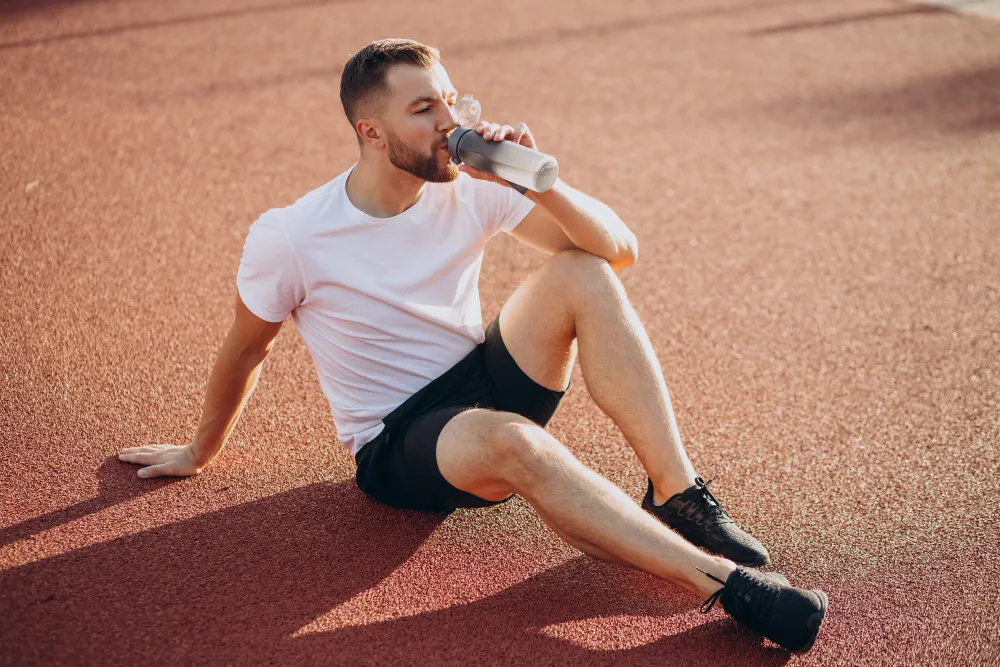
As a guideline, many adults are advised to drink about 1.5 to 2 liters of beverages per day. In summer or during athletic activity, the need can rise to 3 to 4 liters or even higher.
Those who sweat profusely should replace the lost fluid as soon as possible.
Is Thirst Enough as a Signal?
Many people rely solely on their sense of thirst. In fact, thirst often sets in only when a certain fluid deficit already exists.
Older people, in particular, often have a weaker perception of thirst. Therefore, it is recommended to drink regularly throughout the day rather than waiting for a strong sense of thirst.
An easy guideline is also the color of urine. Light urine usually indicates good fluid supply, while dark urine may signal fluid deficiency.
Water or Electrolyte Drinks?
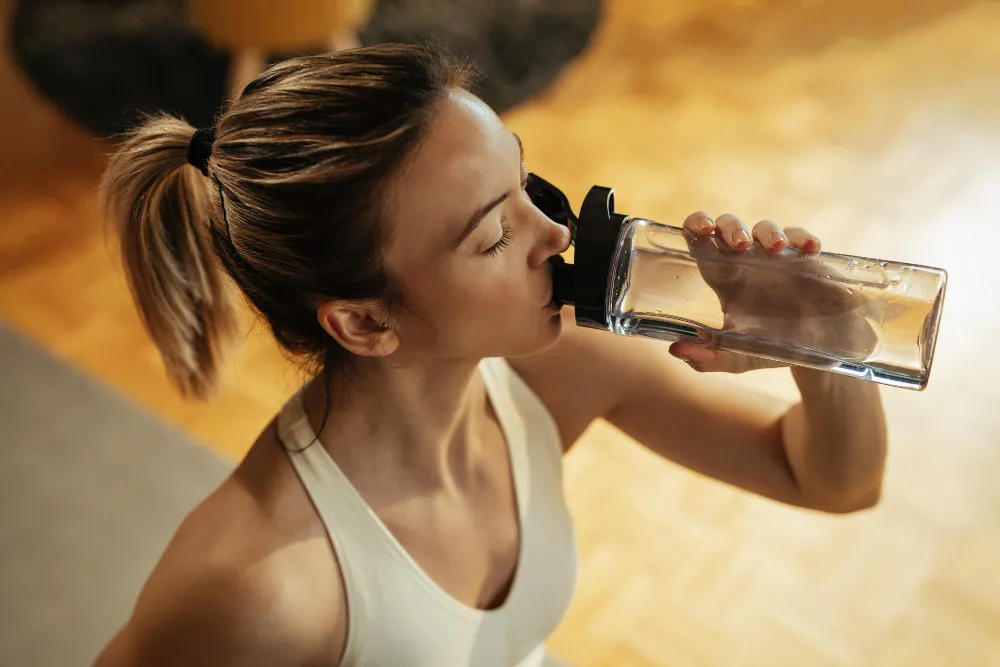
For the normal day-to-day life and shorter training sessions, water is usually sufficient.
For long training sessions over an hour, competitions, or very heavy sweating, drinks with electrolytes can be beneficial. Sodium, in particular, plays an important role as it is lost in larger amounts through sweat.
Sugary soft drinks or highly caffeinated beverages are only partially suitable for fluid supply.
Practical Tips for Hot Summer Days
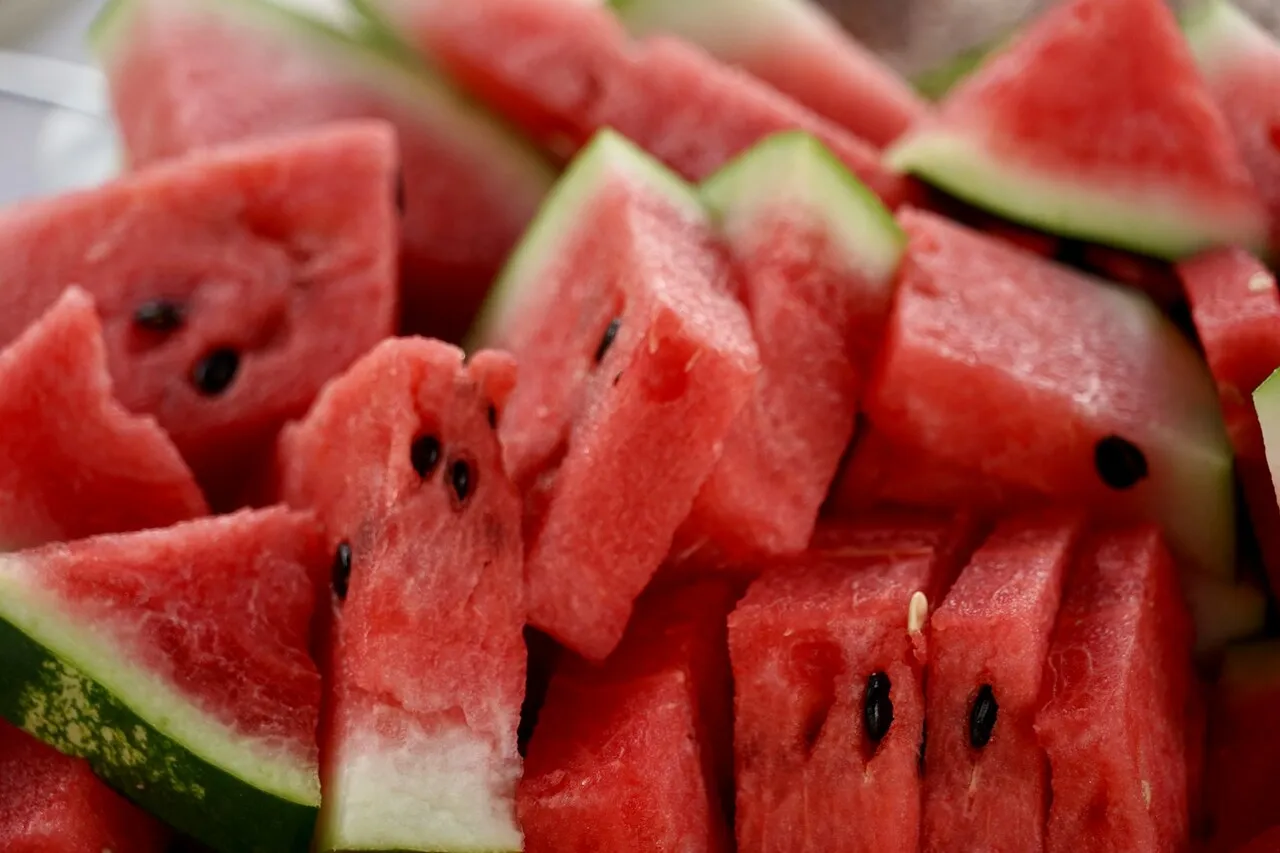
Adequate fluid intake is best achieved when drinking becomes a habit. A water bottle on the desk or in the sports bag serves as a reminder to regularly drink small amounts. Water-rich foods like cucumbers, watermelons, strawberries, or tomatoes also contribute to daily fluid intake.
Before exercising, sufficient fluid should already be consumed. During longer training sessions, regular fluid intake is recommended to avoid significant losses. After training, water helps to balance fluid levels.
Common Misconceptions About Water
There are frequent claims that every person must drink three or four liters of water daily. In truth, individual needs vary greatly and depend on numerous factors.
Equally false is the notion that coffee or tea fully dehydrates the body. Both beverages can certainly contribute to daily fluid intake, although water remains the best choice.
Another misconception is drinking only when thirsty. Particularly on hot summer days or during intense physical activity, this can be too late.

Conclusion
Water is much more than a simple thirst quencher. It forms the foundation of almost all vital processes in the human body and becomes even more crucial during hot summer days. Through sweating, the body loses not only large amounts of fluid but also important electrolytes. If these losses are not compensated timely, concentration, performance, muscle strength, and circulation can be significantly impaired.
For athletes, adequate fluid intake means better training sessions, more effective recovery, and a lower risk of overheating or muscle cramps. Yet in everyday life, the brain, cardiovascular system, and metabolism benefit from good hydration as well.
Drinking regularly throughout the day and adjusting fluid needs to temperature and activity creates a essential basis for health, well-being, and athletic performance—not just during summer, but all year round.
Scientific Sources
Armstrong, L. E. (2012). Challenges of linking chronic dehydration and fluid consumption to health outcomes. Nutrition Reviews, 70(Suppl. 2), S121–S127.
Sawka, M. N., et al. (2007). Exercise and Fluid Replacement. American College of Sports Medicine Position Stand. Medicine & Science in Sports & Exercise.
Popkin, B. M., D'Anci, K. E., & Rosenberg, I. H. (2010). Water, Hydration and Health. Nutrition Reviews, 68(8), 439–458.
Cheuvront, S. N., & Kenefick, R. W. (2014). Dehydration: Physiology, Assessment and Performance Effects. Comprehensive Physiology.
Shirreffs, S. M. (2005). The importance of good hydration for work and exercise performance. Nutrition Reviews.
World Health Organization (WHO). Healthy hydration and heat-related health guidance.
European Food Safety Authority (EFSA). Scientific Opinion on Dietary Reference Values for Water.