Electrolytes, particularly sodium, potassium, chloride, calcium, magnesium, and phosphate, are charged ions in the body that are essential for fluid distribution, nerve transmission, muscle function, acid-base balance, and many metabolic processes. Without a balanced electrolyte level, muscle contractions and neural transmission do not function reliably, directly impacting strength, endurance, and recovery.
How do you lose electrolytes during exercise?
During physical exertion, especially during intense or prolonged endurance activities and in heat, the body loses electrolytes primarily through sweat. The concentration of electrolytes in sweat varies greatly among individuals (e.g., depending on fitness level, heat acclimation, diet); typically for sodium, there are very broad ranges from about 20–80 mmol·L⁻¹ in sweat samples. Therefore, a "one drink fits all" approach is often insufficient; replacement should be adjusted based on the amount lost.

What does this mean practically for training & competition?
- Short and moderate (<60 minutes, moderate temperatures): In most cases, water and a normal diet suffice; a targeted electrolyte replacement strategy is rarely necessary.
- Longer duration (>60-90 minutes), high intensity, or extreme heat/sweat: Electrolyte and carbohydrate solutions (sports drinks, homemade drinks with salt and carbohydrates, broth) improve fluid retention, prevent excessive sodium losses, and support performance and recovery.
Electrolytes and Muscle Cramps – What Does the Research Say?
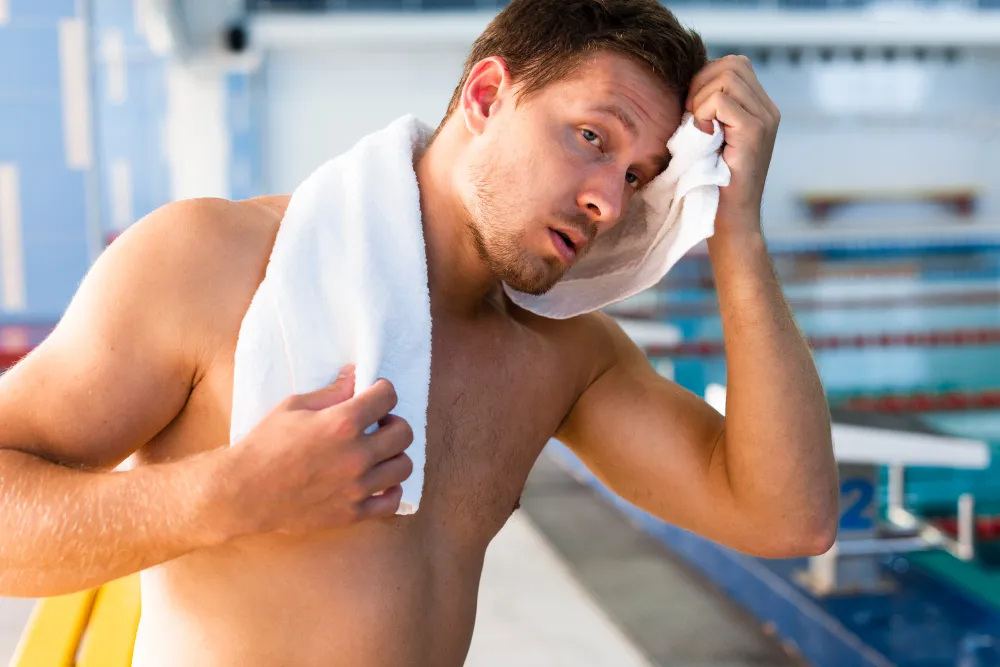
Muscle cramps in sports (Exercise-Associated Muscle Cramps, EAMC) are a common issue. The causes are multifactorial: neuromuscular fatigue plays a significant role, but for some athletes, disruptions in water and salt balance (particularly severe sodium loss due to intense sweating) also contribute. Therefore, an individual assessment is advisable—a blanket electrolyte replacement does not help against all cramps, but it can make a difference for cramp-prone, heavy-sweating athletes.
Which Electrolytes Are Especially Important for Athletes?
| Electrolyte | Main Function (relevant for training) | Possible Symptoms of Deficiency | Natural Sources / Dietary Tips |
|---|---|---|---|
| Sodium (Na⁺) | Fluid retention, blood volume, nerve and muscle signal transmission | Dizziness, headaches, muscle cramps, performance decline | Table salt, broth, salty snacks, many sports drinks. Targeted replacement during heavy sweating. NCBI |
| Potassium (K⁺) | Cell membrane potential, muscle contraction, heart function | Muscle weakness, cardiac arrhythmias (in extreme cases) | Bananas, potatoes, avocado, legumes, dairy products. NCBI |
| Magnesium (Mg²⁺) | Muscle relaxation, energy metabolism, protein biosynthesis | Cramps, fatigue, poor recovery | Nuts, whole grains, green leafy vegetables, legumes. NCBI |
| Calcium (Ca²⁺) | Muscle contraction, signal transmission | Muscle cramps, severe deficiency can cause tetany (rare) | Dairy products, green vegetables, fortified products. NCBI |
| Chloride (Cl⁻) | Fluid and acid-base balance | Rarely isolated; usually parallels sodium issues | Table salt, many foods containing sodium. NCBI |
(Note: Values are qualitative indications, not medical reference values.)
Choosing Drinks: Water, Sports Drinks, Saline Solutions – When What?
- Water: Short training sessions (<60 min), moderate sweat rate.
- Sports drinks (carbohydrates + electrolytes): Ideal for >60-90 min of activity or high sweat losses — they provide carbohydrates for energy and sodium/potassium for improved fluid retention. Studies show that post-exercise drinks with sodium > ~40 mmol·L⁻¹ can enhance fluid retention; even lower sodium solutions can be similarly effective when combined with carbohydrates.
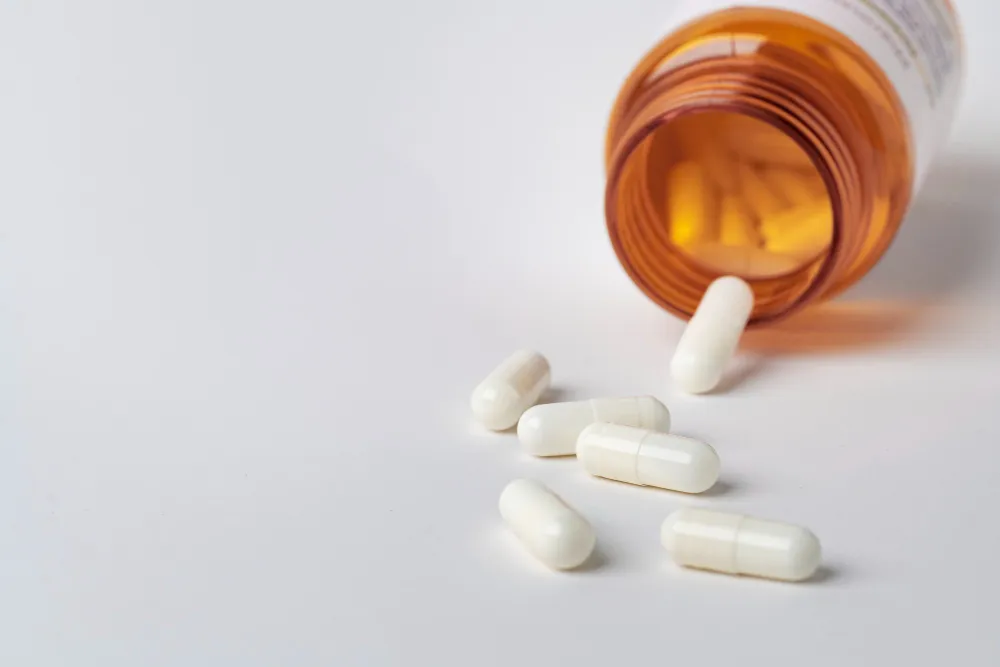
- Oral rehydration solutions / broth: In cases of severe dehydration or when rapid, effective volume recovery is needed, often better than plain water.
Practical Recommendations (specific & actionable)
- How much before training? Drink 5–10 mL·kg⁻¹ body weight 2–4 hours before training; in high heat, additional sodium before starting can be beneficial (e.g., salty meal or lightly salted drink).
- During training: If you are sweating heavily or training for more than 60–90 minutes, plan regular fluid and electrolyte intake (e.g., 150–250 mL every 15–20 minutes, adjusted to your personal sweat pattern). Goal: Keep body weight loss during effort to <2% if possible.
- Post-training (rehydration): Combine fluid with some sodium and carbohydrates to efficiently restore both volume and glycogen stores. Drinks with moderate sodium content retain better than plain water.
- Individual testing: Perform "sweat checks" (How much weight do you lose per hour of training without fluid intake?) and adjust your strategy. Some athletes are "salty sweaters" and need significantly more sodium.
Safety Aspects and Limitations
- Avoiding overdosage: Too much sodium or electrolyte intake without significant loss is not benign (hypertension, kidney issues, etc.). Electrolyte drinks are tools for situations with significant losses, not for everyday life. Verywell Health
- Consider health conditions: Individuals with cardiovascular, kidney, or metabolic disorders, and those on certain medications (e.g., diuretics, ACE inhibitors) should consult physicians before a targeted electrolyte replacement strategy.
- Muscle cramps are complex: Electrolytes do not help against all forms of EAMC — fatigue management, training control, and technique are also crucial.
Example for Recipe Ideas (simple, practical)
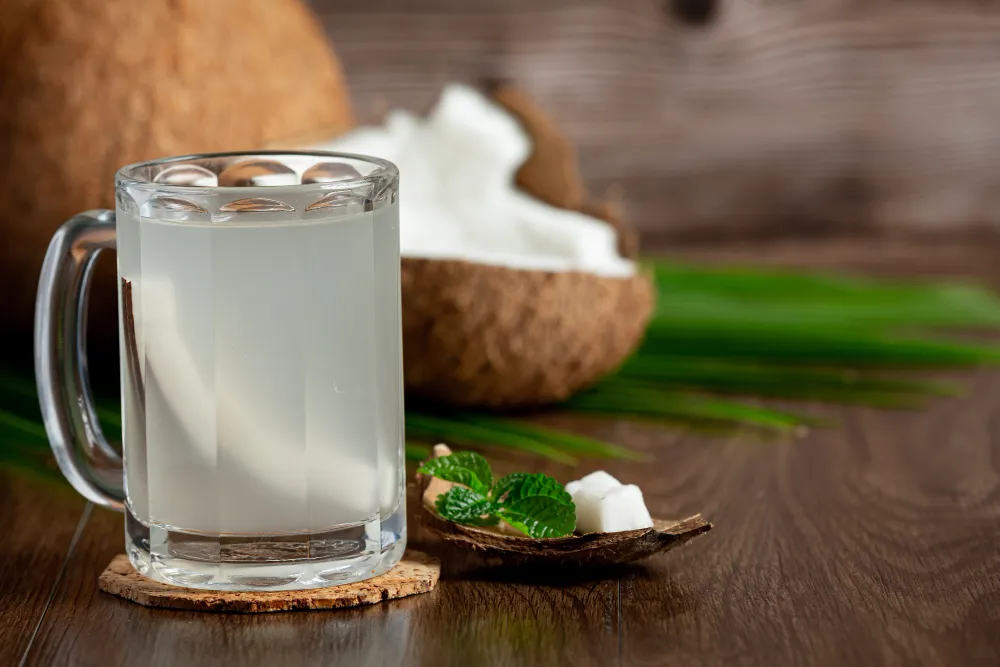
- Homemade rehydration drink: 500 mL water + 1 tablespoon sugar + 1/4–1/2 teaspoon salt + 1 tablespoon lemon juice → creates a cost-effective electrolyte drink with sodium + carbohydrates. (For longer durations, consider higher volume and additional potassium via fruit juice.)

When Electrolytes Are Really Useful
Electrolyte replacement is particularly useful for:
- Training/competitions over 60–90 minutes.
- High sweat production / heat exposure.
- Repeated exertions on the same day (e.g., training in the morning, competition in the evening).
- Symptoms like dizziness, persistent cramps, extreme thirst despite water intake.
Conclusion
Electrolytes are essential for performance, safety, and recovery in sports. For short, moderate sessions, water and a normal diet usually suffice – but for long, intense, or hot sessions, the strategy should include electrolyte intake (before, during, after). Individualization is key: sweat rate, heat acclimation, nutritional status, and health determine how much replacement is needed. Scientific studies support that sodium in drinks enhances fluid retention, thus promoting recovery and performance after prolonged exertion.
Used, recommended sources
- Ly NQ et al., Post-Exercise Rehydration in Athletes: Effects of Sodium (2023). PMC
- Armstrong LE, Rehydration during Endurance Exercise (2021). PMC
- StatPearls — Electrolytes (2023). NCBI
- Miller KC et al., Exercise-Associated Muscle Cramps — Evidence Review (2021). PMC
- Pérez-Castillo ÍM et al., Compositional Aspects of Beverages Designed to Promote Rehydration (2023). PMC
- ACSM — Guidance on Hydration & Fluid Replacement. PubMed+1