In fitness studios, on social media platforms, and in sports clubs, a persistent myth has endured for decades: Masturbation leads to a loss of testosterone, strength, and muscle mass. Particularly in strength training, bodybuilding, and martial arts, it is commonly claimed that sexual abstinence results in greater aggressiveness, higher testosterone levels, and improved athletic performance.
But what does science really say? Is masturbation an obstacle to muscle growth and athletic success, or is it merely a myth that has spread over generations?
The Origin of the Myth
The notion that sexual activity impairs physical performance dates back to antiquity. Numerous trainers and athletes long believed that ejaculation drains energy from the body, reducing strength, endurance, and concentration.
Even today, some athletes practice sexual abstinence before competitions. However, the scientific evidence tells a decidedly different story.

What Happens Hormonally After Masturbation?
Many fitness enthusiasts fear that masturbation lowers testosterone levels, making muscle building more challenging.
In fact, studies show that testosterone can temporarily rise during sexual arousal, normalizing after orgasm. A long-term drop in testosterone levels has not been demonstrated. The hormonal changes are short-lived and have no significant impact on muscle growth or strength development.
For muscle building, factors such as:
- adequate protein intake
- progressive strength training
- quality of sleep
- caloric intake
- recovery
are crucial. The frequency of masturbation is not considered a determining factor in performance based on current knowledge.
Masturbation Before Training
A common question is: Should you masturbate before training?
Current research indicates that sexual activity or masturbation before physical exertion does not negatively affect strength, endurance, or performance in most cases. A comprehensive systematic review with meta-analysis from 2022 concluded that sexual activity within 30 minutes to 24 hours before athletic exertion causes no significant disadvantages for strength, performance, or endurance.
Interestingly, some newer studies even show slight performance improvements. In a 2026 study involving trained athletes, slightly longer endurance times and a marginal increase in grip strength were measured after masturbation. Although the differences were small, they clearly contradict the notion that masturbation worsens athletic performance.
Impact on Muscle Building
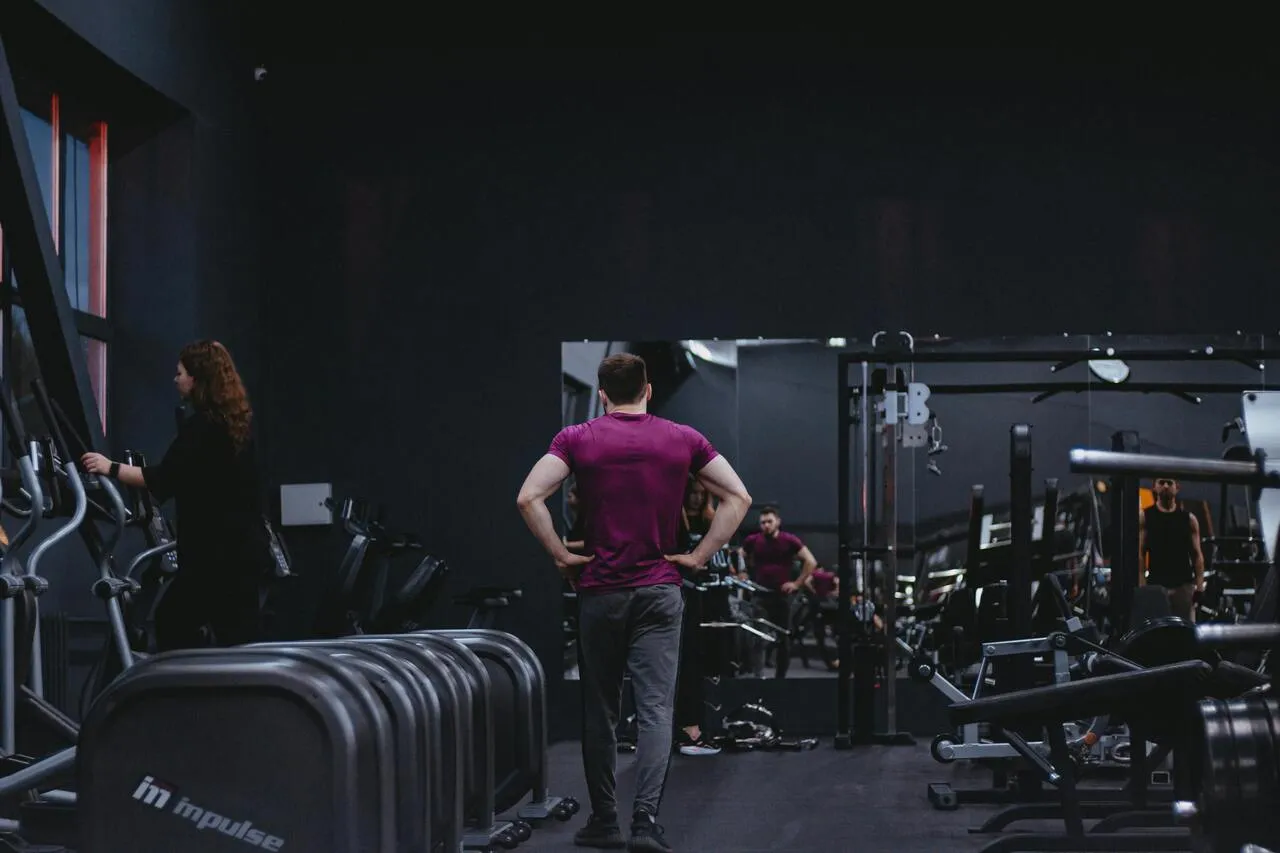
Muscle growth results from mechanical tension, adequate nutrient supply, and recovery.
No high-quality scientific evidence suggests that regular masturbation hinders muscle growth or slows down muscle development. The short-term hormonal fluctuations after orgasm are too minor and brief to measurably affect protein synthesis or long-term muscle development.
Consistent training, adequate protein consumption, and sufficient sleep will not be significantly hindered by masturbation in terms of muscle building.

Influence on Strength and Maximum Power
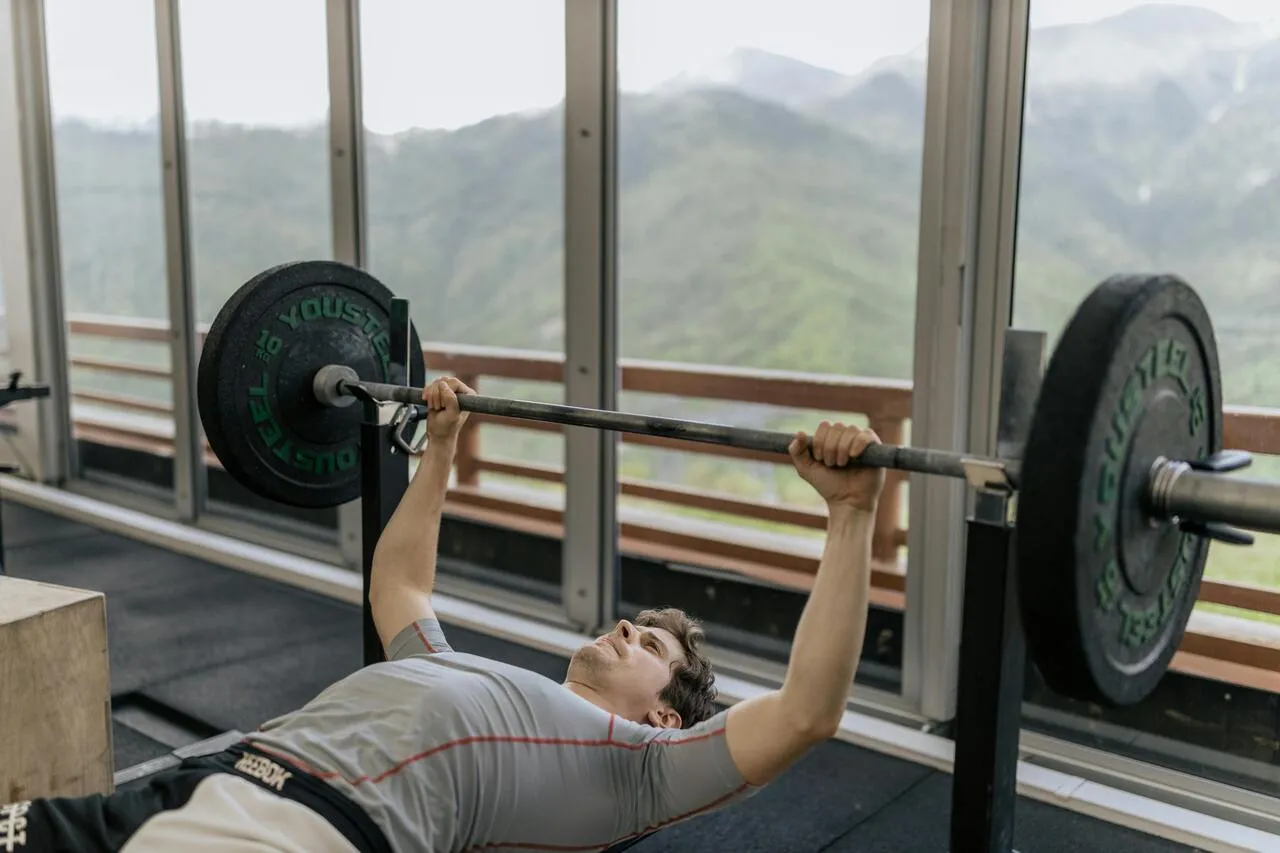
Particularly strength athletes often fear a loss of performance in heavy compound exercises like squats, deadlifts, or bench presses.
Current data shows no significant reductions in maximum power or endurance after sexual activity. Several studies found no significant differences between sexual abstinence and sexual activity prior to performance tests.
The widely held belief that "stored testosterone" leads to more strength through abstinence is not supported by modern sports science.
Psychological Effects
While the physical effects appear minimal, psychological factors can play a role.
Some athletes report after masturbation:
- better relaxation
- less stress
- better sleep
- reduced nervousness
Others feel temporarily tired or less motivated.
These differences are individual and are more related to personal habits, expectations, and psychological factors rather than hormonal changes.

When Might Masturbation Indirectly Affect Performance?
Although masturbation itself has little impact on muscle building or performance, surrounding circumstances can be problematic.
Examples:
- lack of sleep due to staying up late at night
- neglecting training or nutrition
- excessive consumption of pornography
- psychological stress or feelings of guilt
In such cases, potential disadvantages arise not from the masturbation itself but from associated behaviors.

The Overall Scientific Assessment
Modern research paints a clear picture:
Masturbation does not permanently lower testosterone levels, does not reduce muscle growth, and generally does not impair athletic performance. Most scientific studies show either no effect or minimal changes without practical relevance for fitness enthusiasts and athletes.
Those aiming to maximize their training performance should focus much more on sleep, nutrition, training planning, and recovery than on the question of whether masturbation impacts muscle growth.

Conclusion
The myth that masturbation destroys muscle building, strength, or athletic performance is not supported by current scientific literature. The short-term hormonal changes after orgasm are normal and have no significant impact on long-term training successes.
For most fitness enthusiasts, therefore, masturbation is neither a muscle killer nor a performance killer. The decisive factors for progress remain consistent training, adequate protein intake, quality nutrition, sleep, and sound recovery.
Scientific Sources
- Zavorsky GS, Brooks RA. The Influence of Sexual Activity on Athletic Performance: A Systematic Review and Meta-Analyses. Scientific Reports, 2022.
- Dhahbi W et al. Acute and Delayed Effects of Sexual Activity on Athletic Performance: A Scoping Review Across Sex, Age, and Ethnicity. International Journal of Sports Physiology and Performance, 2026.
- Fernández-Lázaro D et al. Sexual Activity Before Exercise Influences Physiological Response and Sports Performance in High-Level Trained Men Athletes. Physiology & Behavior, 2026.