
For many people, stress is an integral part of daily life. Professional challenges, familial obligations, or the constant need to be accessible make it difficult for both body and mind to find rest. In essence, short-term stress can be beneficial as it enhances the body's performance. However, if stress persists over a prolonged period, it might considerably impair both physical and mental health.
Regular exercise is one of the most effective and simplest strategies to alleviate stress. Numerous scientific studies highlight that physical activity not only elevates mood but also positively influences the body's stress response.

What Happens in the Body During Stress?
When we experience stress, our body activates the so-called stress system.
In this process, several hormones are released, including:
- Cortisol
- Adrenaline
- Norepinephrine
These hormones temporarily increase:
- Heart rate
- Blood pressure
- Attention
- Muscle tension
This is useful for short-term strain. However, it becomes problematic if this stress response remains active for a prolonged period.
Chronic stress can increase the risk of:
- Cardiovascular diseases
- Sleep disorders
- Depressions
- Anxiety disorders
- High blood pressure
- Type 2 diabetes

Why Does Exercise Help Against Stress?
During physical activity, numerous processes occur in the body that counteract stress.
1. Stress Hormones Are Regulated
Regular exercise contributes to a long-term reduction in cortisol levels. Simultaneously, the body's ability to respond appropriately to stress situations improves.
Studies also indicate that a single training session can weaken the body's stress response.

2. Happiness Hormones Are Released
During sports, the body produces various neurotransmitters, including:
- Endorphins
- Dopamine
- Serotonin
These substances improve mood, enhance well-being, and can reduce anxiety.

3. The Brain Becomes More Resilient
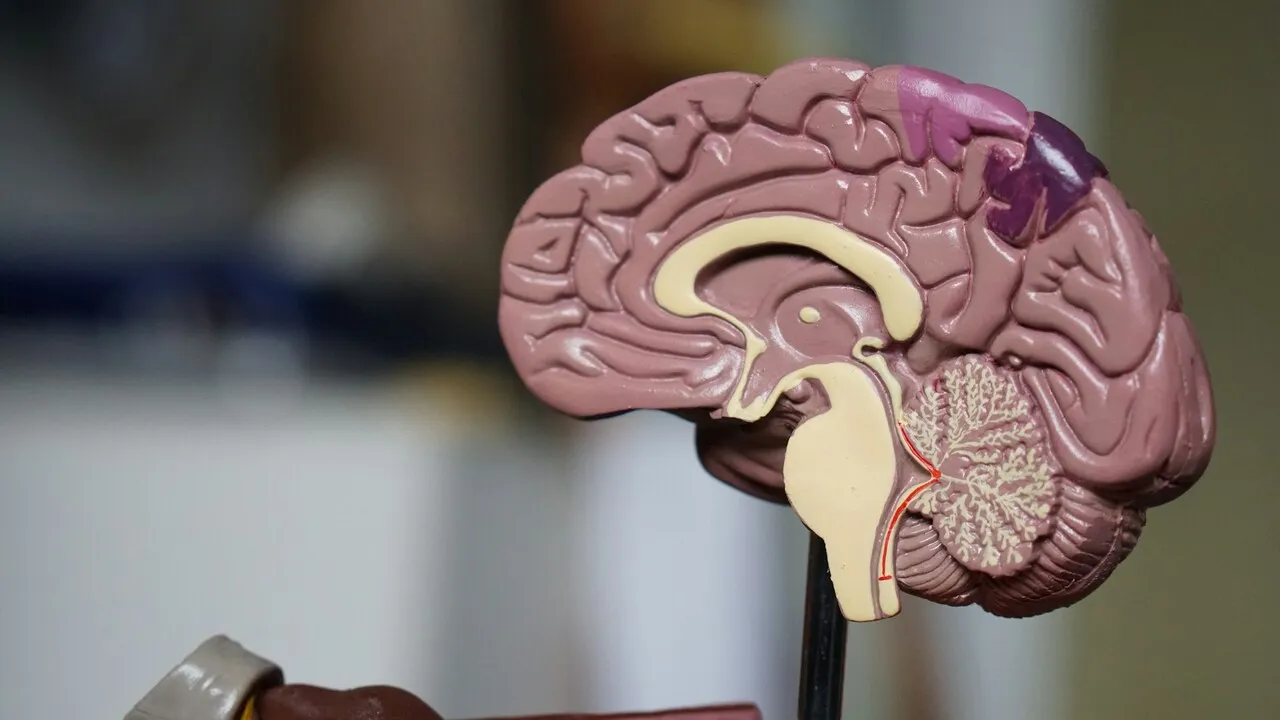
Regular exercise improves the function of key brain regions.
Particularly benefiting are:
- Prefrontal cortex (decisions and concentration)
- Hippocampus (memory)
- Amygdala (emotions)
This makes individuals often respond more calmly to stressful situations.
4. Better Sleep
Stress and sleep problems often exacerbate each other.
Regular exercise can:
- promote faster sleep onset
- improve sleep quality
- extend deep sleep phases
Restful sleep, in turn, helps the body manage stress more effectively.

5. Increased Self-Confidence
Those who are regularly active often experience:
- Success experiences
- Improving fitness
- Better body perception
These positive experiences enhance self-confidence and increase psychological resilience to stress.

Which Sports Are Especially Helpful?
The good news:
It doesn't have to be high-performance sports.
Even moderate exercise can significantly improve mental health.
| Type of Exercise | Effect on Stress |
|---|---|
| Walking | Reduces tension and calms the mind |
| Jogging | Boosts endorphins and improves mood |
| Cycling | Reduces stress and strengthens the cardiovascular system |
| Swimming | Relaxes muscles and nervous system |
| Strength training | Enhances self-confidence and stress management |
| Yoga | Reduces cortisol and improves relaxation |
| Tai Chi | Promotes calmness, balance, and concentration |
| Dancing | Combines movement with positive emotions |

How Much Exercise Is Recommended?
The World Health Organization (WHO) recommends for adults:
- 150–300 minutes of moderate exercise per week
or
- 75–150 minutes of intense exercise per week
Additionally, muscle-strengthening exercises are recommended at least two days per week.
Even short sessions of 10 to 20 minutes can enhance well-being and help reduce stress.

Integrating Exercise into Everyday Life
Many individuals believe they have no time for sports. Yet, small changes often suffice:
- Use stairs instead of the elevator
- Choose a bicycle instead of a car
- Take a walk during lunch breaks
- Do short stretching exercises in the home office
- Evening strolls
- Engage in activities with family or friends
What matters most is regularity.

Scientific Evidence
Multiple systematic reviews and meta-analyses reveal:
- Regular exercise reduces symptoms of stress, anxiety, and depression.
- Even single training sessions can alleviate the body's stress response (e.g., cortisol and blood pressure).
- Individuals with an active lifestyle are less likely to develop chronic stress.
- Endurance training, in particular, has shown positive effects on mental well-being in many studies.

Conclusion
Regular exercise is much more than mere training for muscles and endurance. It directly impacts the nervous system, regulates stress hormones, improves mood, and enhances psychological resilience. Just a few exercise sessions a week can help reduce stress and elevate quality of life over the long term.
Integrating exercise into daily life is an investment not only in physical health but also in greater calmness, better recovery, and a more balanced life.
Sources
- World Health Organization (WHO). Physical Activity – Fact Sheet (2024).
- World Health Organization (WHO). WHO Guidelines on Physical Activity and Sedentary Behaviour (2020).
- Morava A. et al. (2024). The effects of acute exercise on stress reactivity assessed via a multidimensional approach: A systematic review. Journal of Behavioral Medicine.
- Frontiers in Public Health (2026). Comparative effects of exercise modalities on depression, anxiety, and stress: A systematic review and network meta-analysis.
- World Health Organization (WHO). Physical Activity – Health Topics.